- History
- Off The Beaten Path
- Overview
- Info & Inclusions
- Itinerary
- Map & Hotels
- Photos
- Dates & Prices
- Tour Duration: 20 Days
- Max Group Size 16
- Visit six sovereign or quasi-sovereign nations in one trip, several small enough to cross on foot in a day
- Tour the Vatican Museums, Sistine Chapel and St Peter's Basilica in the world's smallest state
- Climb San Marino's three medieval fortress towers, still guarding the world's oldest surviving republic
- Explore Monaco's Prince's Palace and Casino Square, born from a casino built to pay off the state's 19th-century debts
- Visit Andorra, jointly ruled to this day by the President of France and a Spanish bishop
- Private wine tasting at the Prince of Liechtenstein's own vineyards in Vaduz
- Walk the ramparts of Luxembourg City, a onetime fortress now a founding EU capital
- Singles friendly (view options for single travellers)
This 20-day journey visits all six, along with the France, Spain, Switzerland, and Belgium waypoints between them: Carcassonne's fortress city, Barcelona's Gaudí architecture, and the medieval trading centres of Bruges and Antwerp. Expect enormous historical and cultural variety packed into remarkably compact geography — several of these nations can be crossed on foot in an afternoon.
- MealsSavour authentic flavours with included daily breakfasts and dinners at handpicked local restaurants—immersing you in local cuisine without worrying about reservations or budgets.
- Transport & Logistics
Private air-conditioned coaches and included internal ferries and flights—ensuring hassle-free travel so you can focus entirely on the discoveries ahead.
"Adventures Abroad tour leader's management and guest services managed the tour with great skill and dedication. The tour leader was on top of every move and transfer. We have not experienced any issues with logistics and had a great time."
~ JULIA O"The tour leader did an excellent job coordinating some difficult travel logistics, power outage issues and resolving problems and dealing with guests who had unrealistic expectations."
~ CYNTHIA COLLINS - Expert Guidance
Unlock insider secrets at every landmark with your full-time Tour Leader and expert local guides , all gratuities covered—no hidden tipping surprises—so you immerse fully in your destination's stories, worry-free. (Except for the tips to your tour leader at the end of your tour.)
"Amazing tour guide. Our tour guide was very well organized, Her passion, knowledge, and enthusiasm completely transformed the travel experience into something truly unforgettable..."
~ MELANIE LEMAIRE"Highly recommend every trip with Adventures Abroad. It's a well organized and well thought out adventure. The tour leaders are friendly, knowledgeable and experienced professionals. Highly recommend this company."
~ SUSAN WALL - Sightseeing & EntrancesAll entrance fees for sites visited as per the itinerary—no hidden costs—so you can explore ancient ruins and excursions with complete peace of mind.
- AccommodationsUnwind in clean, well-located 3 to 4-star hotels with private en suite facilities—handpicked for comfort and convenience after each day's discoveries—so you can rest easy knowing your stay supports the real adventure, not steals the spotlight.
- Small Group
Discover the world in small groups of up to 16 travellers plus your expert Tour Leader—unlocking spontaneity, off-the-beaten-path adventures, and genuine connections at a relaxed pace, free from crowds.
"Looking Forward to My Next Adventure The best feature of the Adventures tour was the small size that allowed the group to quickly load up, let everyone get acquainted within the first 24 hours, capitalize on unplanned surprises along..."
~ PHILIP BLENSKI"Good value for a great time I have traveled with Adventures Abroad for over 20 years now. Well thought out, interesting itineraries and the other travelers congenial and friendly. The price always seems fair and overall a..."
~ Trusted Customer - Airport Transfers For Land & Air CustomersWe handle hassle-free airport transfers for all our land and air tour customers—plus early arrivals or late departures when you book extra hotel nights directly with us for added peace of mind.
- International airfare to/from the tour.
- Tour Leader gratuities, lunches, drinks, personal items (phone, laundry, etc), international air taxes (if applicable), any excursions referenced as 'optional'.
- Airport transfers for Land Only customers.
- Optional trip cancellation insurance.
- Seasonality and Weather:
We run this itinerary twice a year, in May and September/October, both chosen for the same reason: comfortable travel across an enormous range of latitudes and climates without the crowds or heat of peak summer.
In May, the Pyrenees and Alpine stretches are green and fresh with alpine wildflowers just emerging, while the Riviera and Barcelona are warming into their best walking weather before the summer crush arrives. Northern Europe is at its lightest and longest-days best, with Bruges' canals and Luxembourg's gorges at their most photogenic.
By September and October, the Mediterranean stretch holds its warmth well past summer's peak, with San Marino and Monaco settling into a quieter shoulder season. Further north, early autumn brings a crispness to Liechtenstein's mountain air and the first turning leaves, while Bruges and Antwerp take on a moodier, more atmospheric character as the canal crowds thin.
Whichever window you choose, expect the occasional shower — pack layers, since conditions shift as often as the borders do. - Transport and Travel Conditions:
Local transport is primarily by private motorcoach, supplemented by several train journeys plus one internal flight, from Barcelona to Zurich.
This tour is not strenuous per se, but on train travel days you MUST be able to manage your own luggage at rail stations and from station to hotel. European trains require passengers to lift luggage up into the carriage — typically steps of four to five feet — and to manage it independently at station platforms, which frequently involve stairs and no elevator access. If you are not confident handling your own bags in these situations, this tour may not be suitable.
This is a busy program with numerous city and town walking tours featuring uneven or cobbled surfaces, inclines and/or stairs. You must be able to spend several hours on your feet per day, walking at a leisurely pace. We may make use of public transit in some cities in order to maximize sightseeing where vehicles are impractical — most travellers quite enjoy this insight into daily life.
Am I suitable for this tour? Please refer to our self-assessment form - Activity Level: 2
These are particularly busy tours that feature a lot of moving around, sometimes by train and short journeys on local transport. Walking tours of towns and cities are leisurely but you should be prepared to be on your feet for several hours. Some of our cultural trips that occur at high altitude and/or require greater independence with baggage handling (at hotels, airports, train stations) also fall into this category.
To learn more about the Activity levels, please visit our tour styles page. - Accommodation:
Mid-range (3* & 4*), well-located, air-conditioned, hotels and inns throughout. Porters may be available (see 'Inclusions'), though you must be MUST be independent with your luggage. - Staff and Support:
Tour Leader throughout, local drivers, step-on site and city guides. - Group Size:
Maximum 18 (plus Tour Leader)
- Day 1:Arrival in RomeRome is where this story has to start, if only so the contrast means something. For roughly a thousand years this city ran an empire stretching from Britain to the Euphrates, absorbing every small kingdom, city-state, and tribal territory in its path. Tonight we simply settle in -- there is time enough over the coming three weeks to meet a handful of places that, against every historical precedent Rome itself established, managed not to be absorbed.
No sightseeing is planned for this arrival day. Guests should plan to gather this evening, where your Tour Leader will outline the itinerary ahead -- one that visits six of Europe's smallest sovereign states, several barely larger than the hotel district we're standing in.
Overnight in Rome.
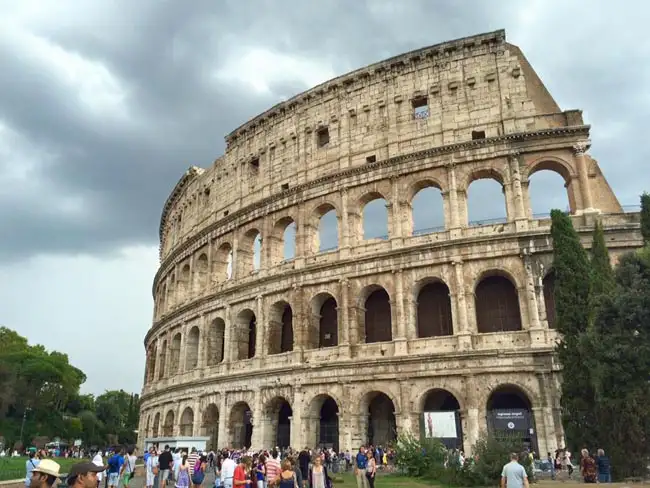
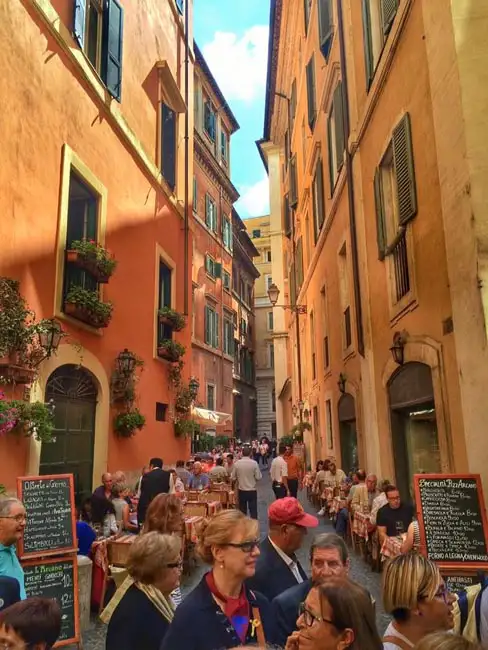
Included Meal(s): Dinner - Day 2:Rome: City SightseeingThe Colosseum is the right place to begin, since nothing states Rome's old ambitions more plainly than an amphitheatre built for 80,000 spectators who came to watch conquered nations' champions fight for entertainment. The Roman Forum tells the same story from a different angle: for close to a thousand years this was the administrative and religious centre of a state that treated most of the known world as a subsidiary.
We walk the Via Sacra, past the ruins of the temples and basilicas where that empire conducted its business, then climb Campidoglio -- the smallest of Rome's seven hills, and, not coincidentally, the one from which the city governed everyone else's. From Piazza Venezia we continue on foot to the Pantheon, completed under Hadrian around AD 125 and still, after nineteen centuries, holding the record for the world's largest unreinforced concrete dome.
The day closes at the Trevi Fountain and the Spanish Steps, both fed by the aqueduct engineering that once supplied a population of a million people -- a scale worth remembering tomorrow, when we meet a nation whose entire population could fit inside the Colosseum with room to spare.
Much of today is covered on foot, supplemented by Rome's public transit system.
Overnight in Rome.
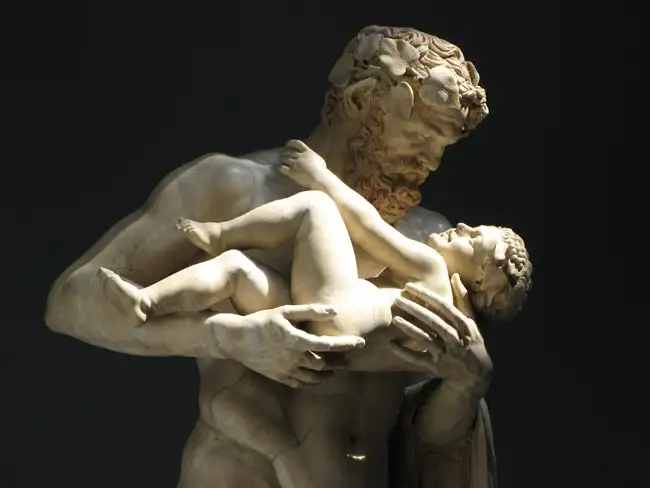
Included Meal(s): Breakfast and Dinner - Day 3:Rome: Vatican City SightseeingVatican City is where the story we started yesterday gets its first real answer. This is the smallest internationally recognized state on Earth -- 44 hectares (110 acres), roughly 900 residents, no standing army beyond the ceremonial Swiss Guard -- and yet it has outlasted every medieval Italian city-state that once surrounded it, several of them a thousand times its size. Its strategy is the most audacious of any place on this trip: don't rely on land or soldiers at all. Rely on being the headquarters of something no larger power can afford to destroy.
We spend the morning inside that headquarters. The Vatican Museums hold one of the largest art collections ever assembled by a single institution, acquired across two thousand years of patronage, and our guide threads a path toward the Sistine Chapel, where Michelangelo spent four years reworking the ceiling under a Pope, Julius II, who kept changing his mind about the commission. The Last Judgment, added later on the altar wall, is the harsher companion piece to that ceiling's optimism.
St Peter's Basilica, built over the traditional site of the apostle's tomb, houses Michelangelo's Pieta along with the tombs of nearly a hundred popes -- a reminder that this state's currency has never been territory, but continuity.
This afternoon is free for independent exploration of the streets surrounding Vatican City.
Overnight in Rome.
Included Meal(s): Breakfast and Dinner - Day 4:Rome, Italy - Train/drive to San MarinoOur route north today trades Rome's imperial scale for something far smaller. The train carries us from Rome to Rimini on the Adriatic coast, and from there we continue by road into the hills to reach the second of our small nations: the Republic of San Marino, founded -- according to tradition -- in AD 301, and now the oldest continuously governed republic on Earth.
Perched atop Mount Titano in the Apennines, San Marino has stayed independent longer than most European monarchies have existed, all the more remarkable given that it is completely surrounded by a single, much larger neighbour. Tomorrow we look closely at how it managed that. Tonight, we simply arrive and settle in behind medieval walls that have watched the map of Italy redrawn many times over without San Marino's own borders ever moving.
A note on train travel: this tour makes considerable use of rail, and European train platforms typically require passengers to lift their own luggage aboard -- a step of roughly 1.2 to 1.5 metres (four to five feet) -- often via stairs, with no porter service available. We recommend packing as lightly as possible; oversized or heavy bags are consistently the most difficult part of this itinerary for guests to manage themselves.
Overnight in San Marino.
Included Meal(s): Breakfast and Dinner - Day 5:San Marino Sightseeing & Free AfternoonIf Vatican City survives on the strength of an institution larger than any single ruler, San Marino has survived on something closer to good instincts, repeated for seventeen centuries without a fatal misstep. Encircled entirely by Italy, with no natural resources and no army worth the name, its independence rested on reading regional power struggles correctly and consistently landing on the winning side -- a strategy with far less margin for error than the Vatican's, and no divine backup plan if it went wrong.
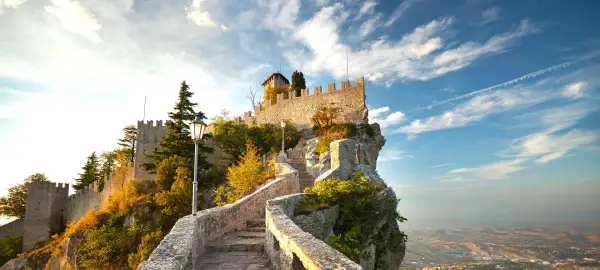
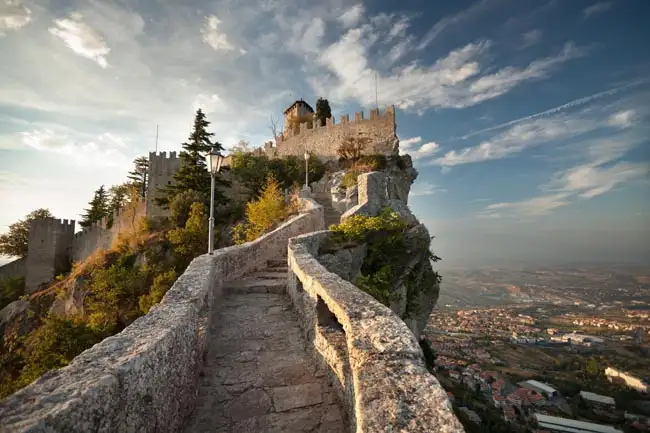
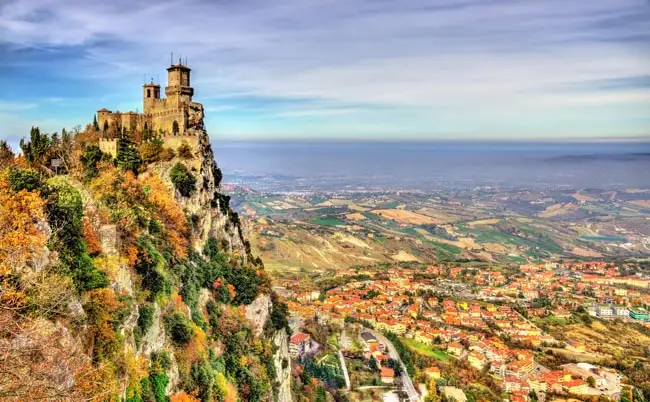
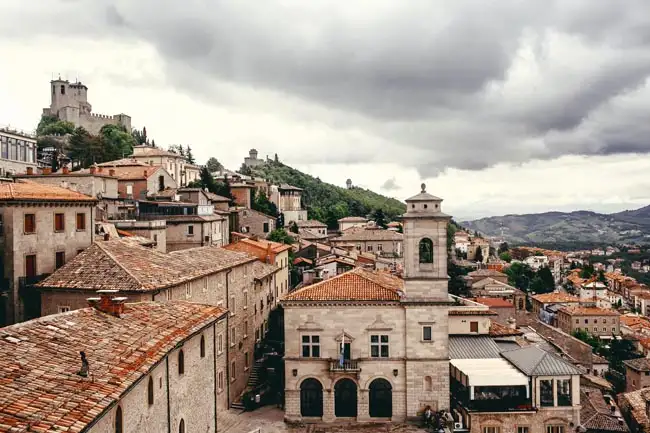
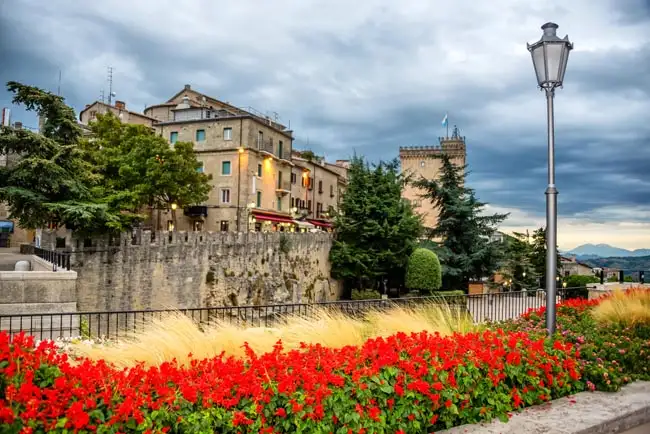
The three towers crowning Mount Titano -- Guaita, Cesta, and Montale -- were San Marino's actual insurance policy: fortresses that made conquest expensive enough that larger neighbours generally decided it wasn't worth the trouble. We climb to Castello della Cesta, the highest of the three, for views across the Apennines to the Adriatic.
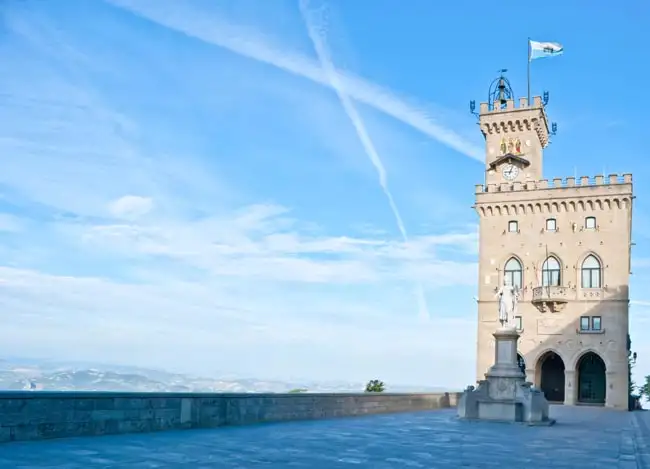
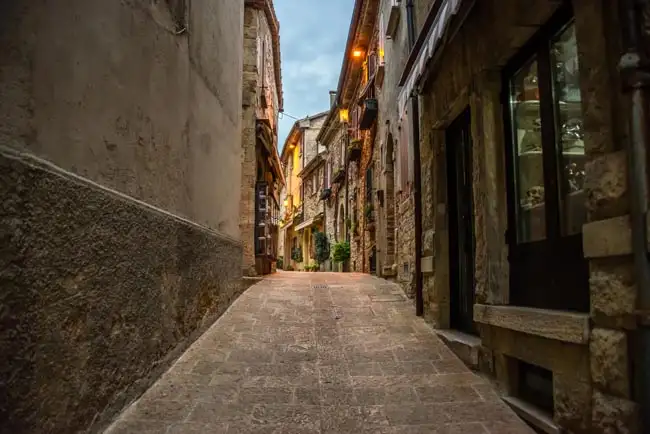
In Piazza della Liberta, the Palazzo Pubblico and the Basilica of Saint Marino honour the stonecutter whose legendary land grant in AD 301 started all of this. Inside the Great and General Council Hall, we see where the Captains Regent and 58 elected councillors have maintained one of the world's oldest continuous parliamentary traditions -- proof that smallness and self-government aren't opposites.
The afternoon is free for independent exploration.
Overnight in San Marino.
Included Meal(s): Breakfast and Dinner - Day 6:San Marino - Train to Monaco / NiceA full day of rail travel carries us from San Marino's mountain perch across Italy toward the Mediterranean coast, arriving in Nice by late afternoon. Nice serves as our base for visiting Europe's second-smallest nation: Monaco, a principality of just 202 hectares (500 acres) squeezed between the French and Italian Rivieras, roughly a hundred of which have been reclaimed from the sea in recent decades because there was nowhere left to build.
Monaco's survival story has almost nothing in common with San Marino's or the Vatican's. Where those two states relied on defensible terrain or institutional weight, Monaco's independence has repeatedly come down to marriage, luck, and -- when both ran out -- reinvention. We get into that tomorrow.
Overnight in Nice.
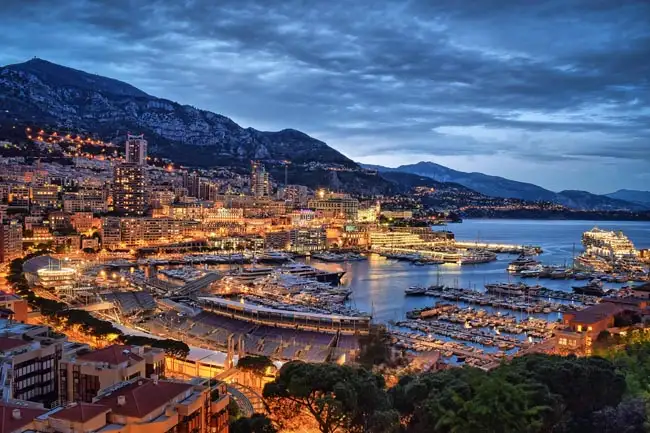
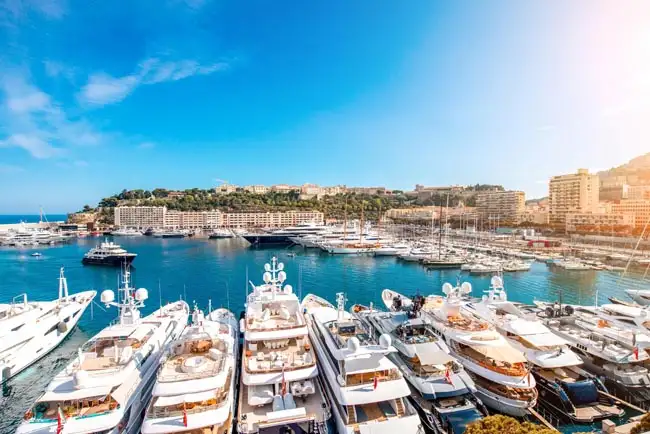
Included Meal(s): Breakfast and Dinner - Day 7:Monaco & Nice SightseeingFor most of its history Monaco stayed independent the old-fashioned way: through the Grimaldi family's marriages and alliances, a more precarious strategy than it sounds, since it only takes one bad match or one extinct bloodline to end a country. By the 19th century that approach was running out of road, along with Monaco's traditional revenue from lemon groves, after France annexed most of the principality's agricultural territory. Monaco's answer was to invent an entirely new economy: legalized gambling, built specifically for foreigners, since Monegasques themselves were barred from the tables. It worked well enough that the casino eventually cleared the state's debts and ended taxation for residents altogether -- arguably Europe's most successful pivot from feudal survival to modern reinvention.
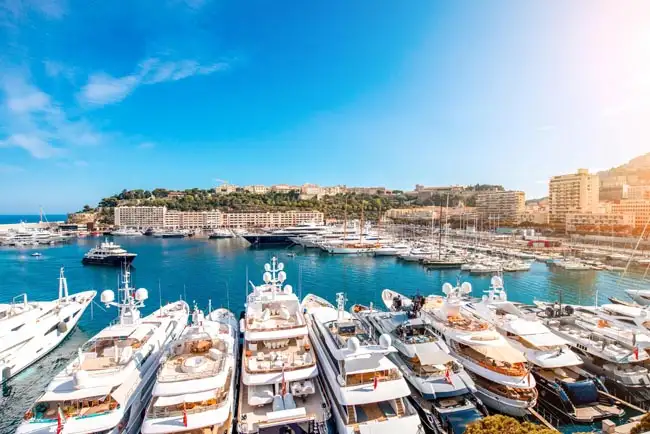
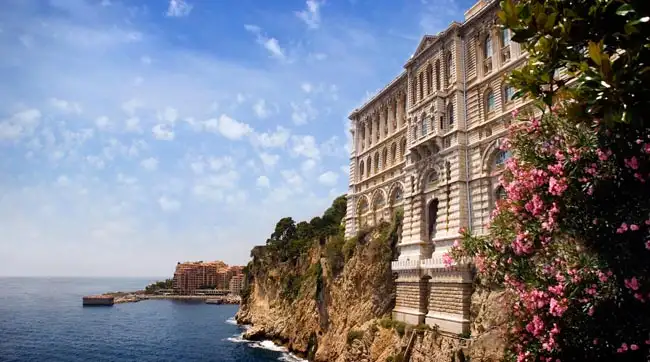
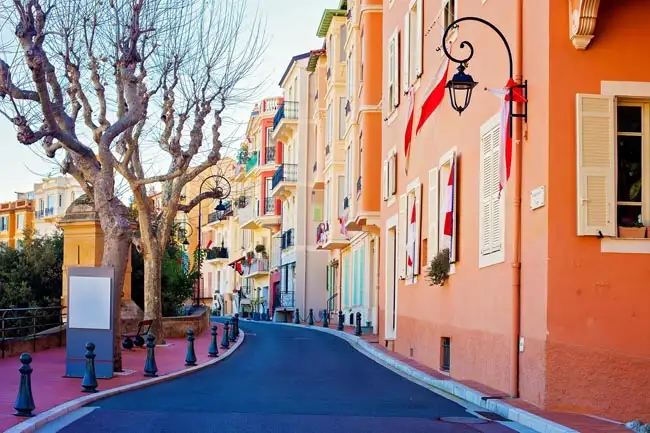
Our day begins in Nice's Cours Saleya market, then continues through the Italianate old town before the drive to Monaco via Eze, a medieval village perched 427 metres (1,400 feet) above the coast. In Monaco, we explore Monte Carlo and Casino Square, the Prince's Palace on the site of a 1215 Genoese fortress, and Monaco Cathedral, where Prince Rainier and Princess Grace are buried. The Monte Carlo Opera House, designed by Charles Garnier in 1893, is decorated in red and gold with an onyx-columned atrium.
Overnight in Nice.
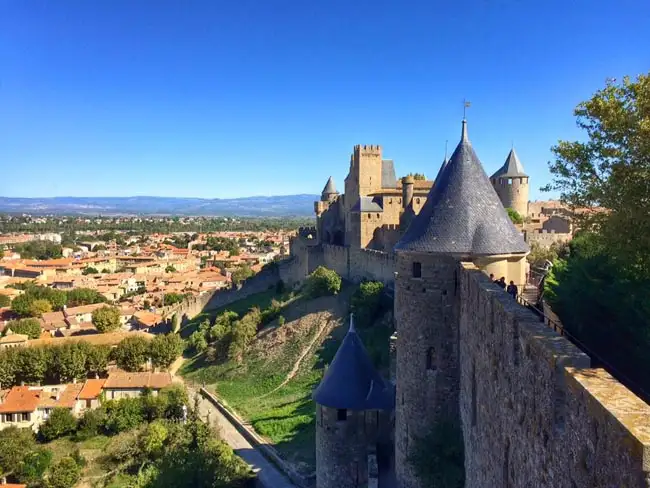
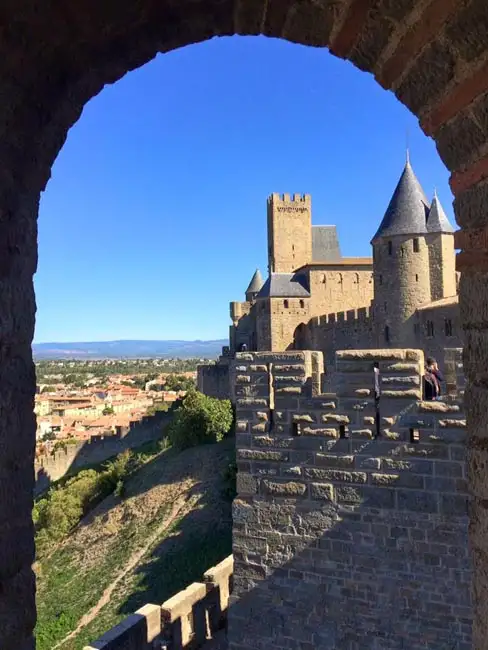
Included Meal(s): Breakfast and Dinner - Day 8:Nice - Train to Carcassonne, FranceOur route today leaves the Riviera behind for Languedoc and the walled city of Carcassonne -- not a sovereign microstate, but a useful counter-example to everything we've seen so far. Carcassonne spent centuries as one of the most fought-over fortified positions in southern France, changing hands between Visigoths, Franks, and eventually the French crown, its double walls and 52 towers built because whoever held this rocky spur controlled the route into Languedoc.
Unlike San Marino, whose comparable hilltop defences bought it centuries of independence, Carcassonne's fortifications eventually just made it a more valuable prize to capture than a deterrent worth abandoning. By 1659 the border had moved south and Carcassonne's strategic importance quietly ended, leaving the walls to crumble until 19th-century restoration saved them. Tonight we rest inside a fortress city that shows what nearly-but-not-quite independence looks like.
Overnight in Carcassonne.
Included Meal(s): Breakfast and Dinner - Day 9:Carcassonne SightseeingThis morning's walking tour explores the Cite de Carcassonne in daylight: the castle and ramparts at its centre, the Cathedral and Basilica of Saint-Nazaire, and La Porte Narbonnaise, the fortified gateway that once controlled all traffic between France and Spain.
Carcassonne flourished as a cross-border trading post through the 12th century, but its fortunes turned in 1355 when the Black Prince, unable to take the citadel during the Hundred Years' War, burned the lower town instead out of frustration. The Treaty of the Pyrenees in 1659 shifted the border further south, ending Carcassonne's role as a frontier fortress for good -- proof that geography which makes a place worth defending can just as easily make it a target rather than a refuge.
The afternoon is free for independent exploration of the fortress city, whose 13th-century towers and cobbled lanes remain remarkably intact thanks to a controversial but ultimately successful 19th-century restoration.
Overnight in Carcassonne.
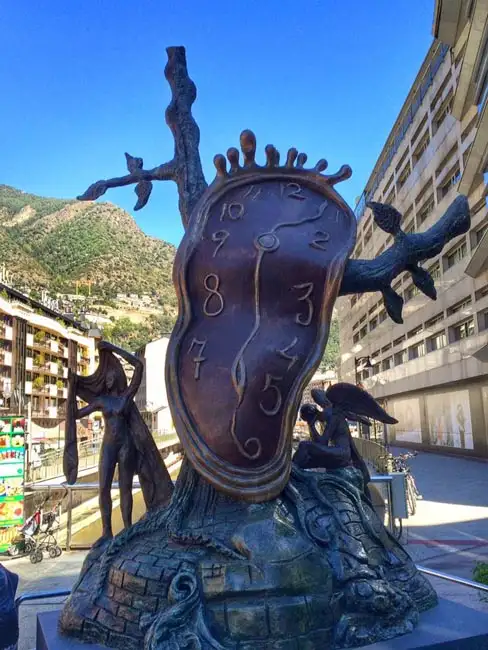
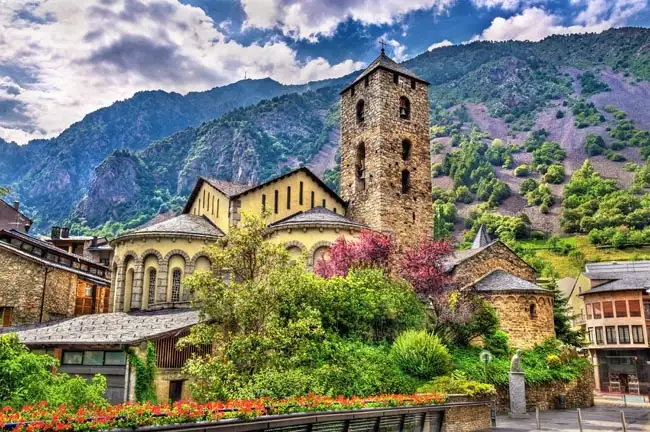
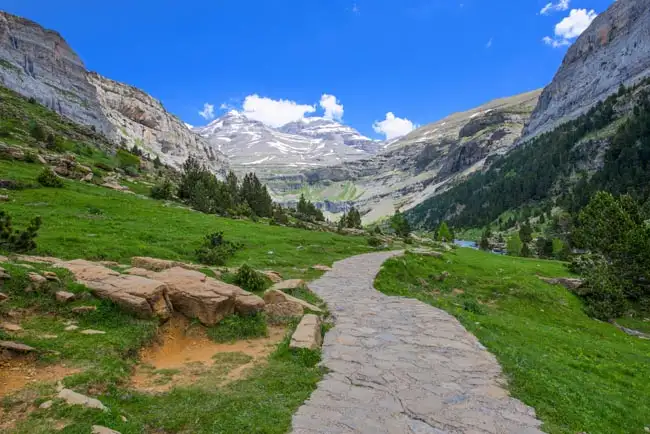
Included Meal(s): Breakfast and Dinner - Day 10:Carcassonne, France - AndorraThe Pyrenees rise ahead of us today as we cross from French lowlands into the mountains, en route to Andorra -- a co-principality of 468 square kilometres (181 square miles) wedged in the eastern Pyrenees, and the fourth of our small nations to answer the survival question in its own way.
Andorra's solution is genuinely strange even by the standards of this tour: it is ruled jointly, to this day, by the President of France and the Bishop of Urgell in Spain -- an arrangement dating to a 13th-century dispute over the same mountain valley that neither side wanted to lose but also couldn't be bothered to fight over outright. The result was a shared protectorate that neither co-prince has ever quite gotten around to dissolving, keeping Andorra technically foreign-ruled and functionally independent for eight hundred years.
Andorra la Vella blends this medieval arrangement with a thoroughly modern economy built on duty-free shopping and famously light taxation -- Andorra had no income tax at all until 2015. We arrive in time for lunch and an afternoon exploring the Barri Antic (Old Quarter) and the Casa de la Vall, Andorra's parliament building since 1702.
Overnight in Andorra.
Included Meal(s): Breakfast and Dinner - Day 11:Andorra - Barcelona, Spain: City TouringWe begin the morning at the Church of Santa Coloma, documented since the 9th century as one of Andorra's oldest religious sites, before descending from the Pyrenees toward Barcelona and a very different kind of small-place story.
Catalonia has spent much of the last three centuries pursuing something Andorra achieved almost by accident: a recognized, separate political identity within a larger state. Unlike Andorra's quietly permanent joint protectorate, Catalan autonomy has been repeatedly granted, suspended, and renegotiated depending on the politics in Madrid -- a reminder that geography and timing matter as much as ambition when it comes to staying distinct from a larger neighbour.
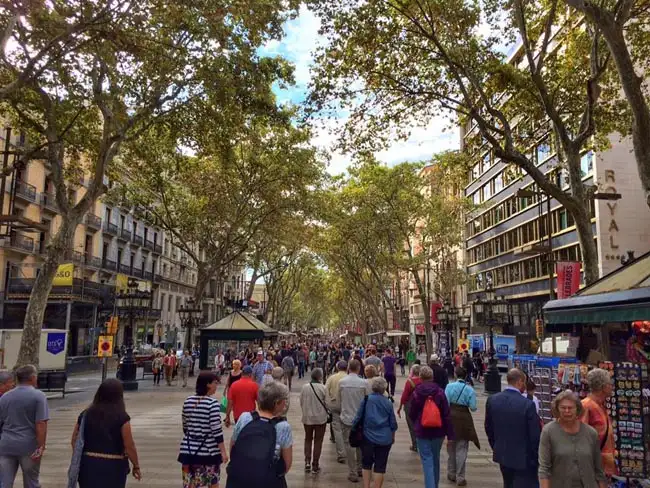
In Barcelona, we begin walking Placa Reial near Las Ramblas, then continue into the Gothic Quarter and the old Jewish Quarter, among the oldest parts of the city. Placa Sant Jaume has served as Barcelona's political centre for two thousand years, and the Cathedral's 15th-century cloister remains one of the city's quieter corners.
Overnight in Barcelona.
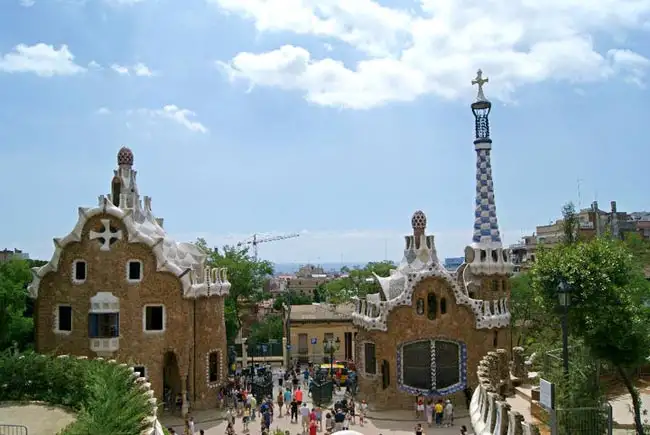
Included Meal(s): Breakfast and Dinner - Day 12:Barcelona Sightseeing & Free AfternoonBarcelona's signature morning belongs to Antoni Gaudi: the Sagrada Familia, under construction for over a century, and the modernist buildings of Passeig de Gracia, including Casa Batllo and Casa Mila (La Pedrera). Where the small nations on this trip preserved their independence by staying still, Gaudi's Barcelona did the opposite -- reinventing its skyline entirely within a single generation, an ambition scaled to a large city rather than a small state.
The afternoon is free for independent exploration of a captivating Catalan capital, where medieval streets sit comfortably beside architecture unlike anything else in Europe.
Overnight in Barcelona.
Included Meal(s): Breakfast and Dinner - Day 13:Barcelona, Spain - Fly to Zurich - LiechtensteinToday's flight from Barcelona to Zurich trades Catalonia's layered history for Switzerland's more settled arrangement with its own regions. We pause first in Appenzell, home to about 7,000 people and seat of Appenzell Innerrhoden, Switzerland's smallest canton -- genuinely autonomous in local matters, but never seeking the full sovereignty our other small nations fought or negotiated for. It's a useful reminder that independence is a choice as much as a circumstance; Switzerland's federal structure gave Appenzell most of what a microstate wants without requiring it to become one.
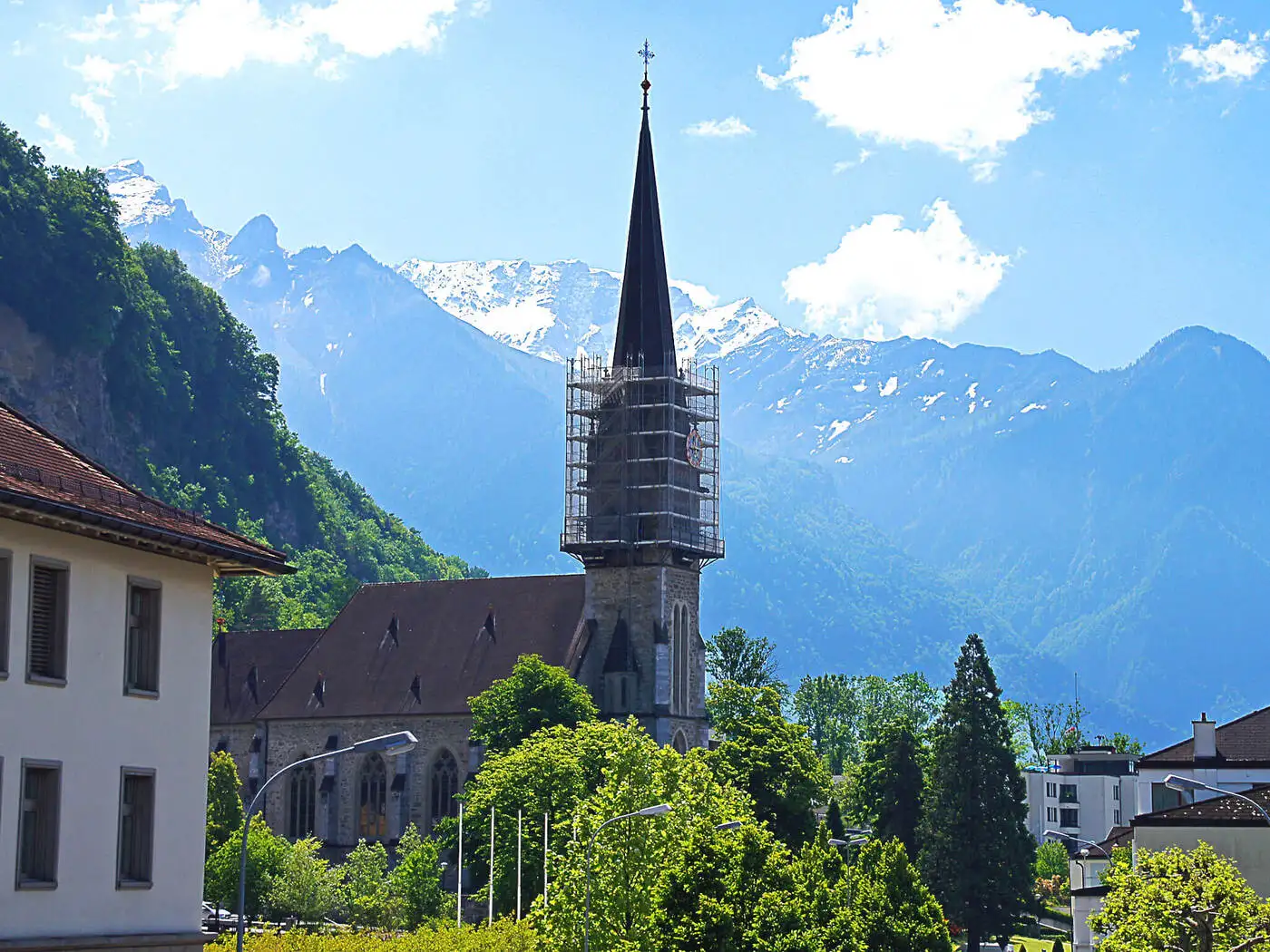
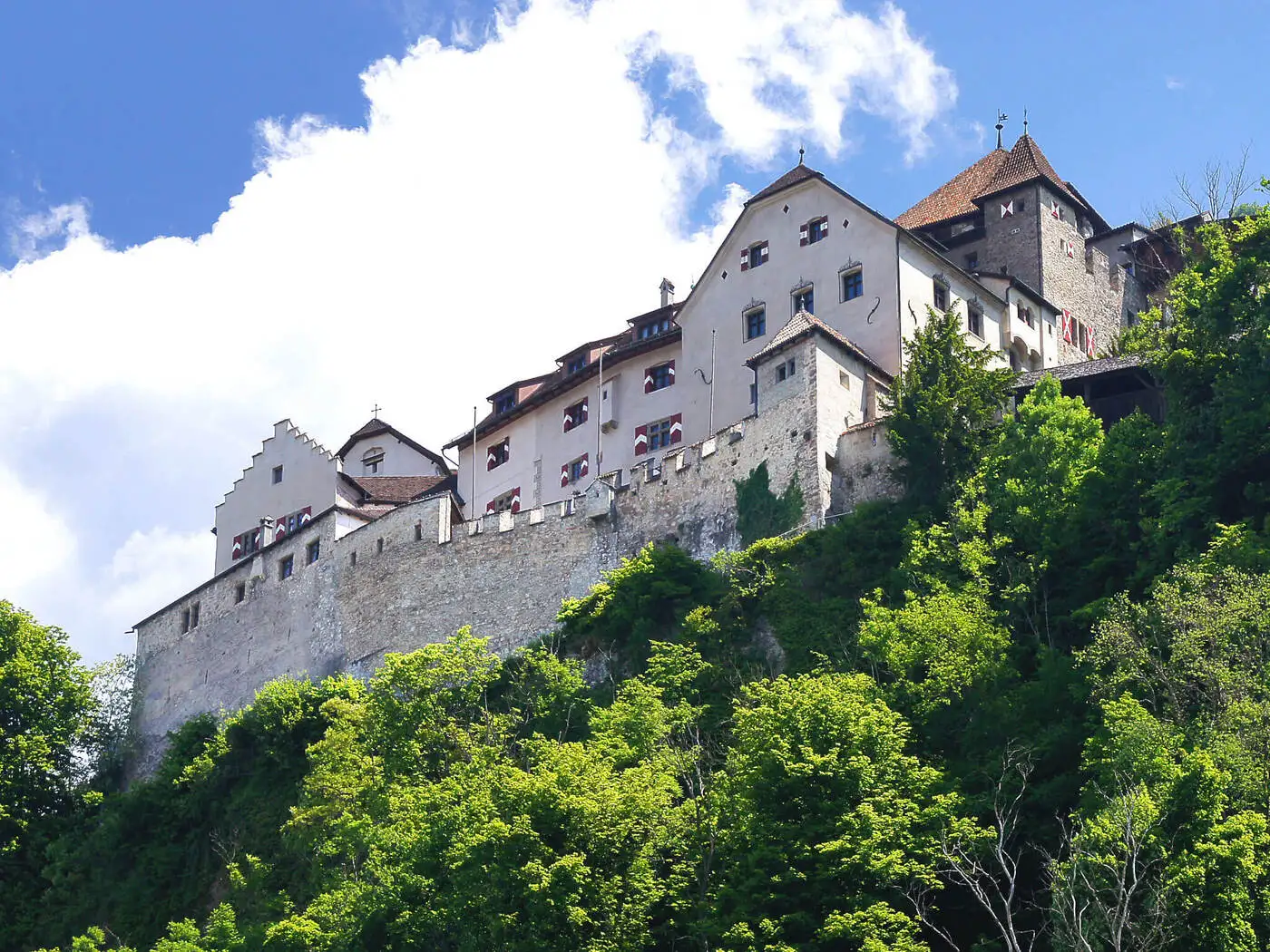
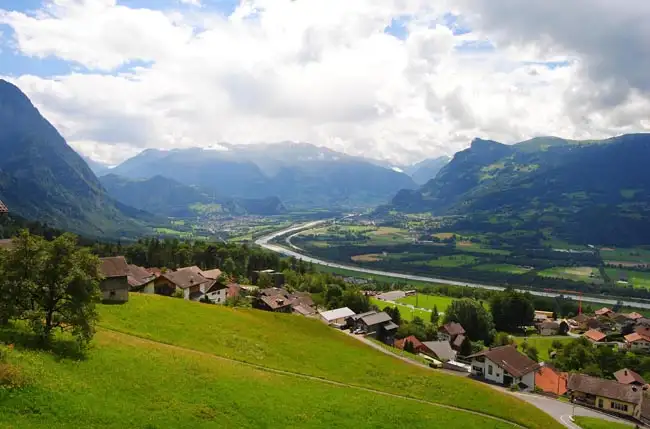
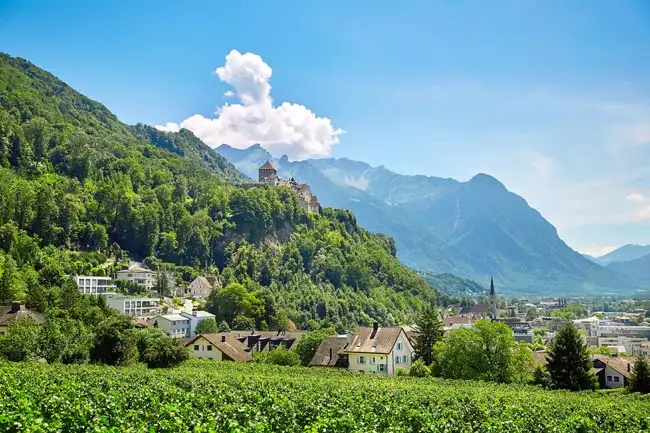
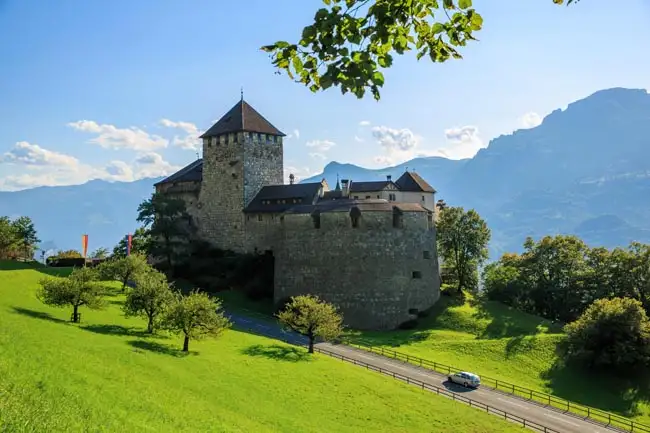
From Appenzell we continue to Vaduz, capital of Liechtenstein, tucked into the Alps between Austria and Switzerland. This is one of only two doubly landlocked countries on Earth -- a nation bordered entirely by other landlocked countries -- comprising just eleven villages, united under the Princes of Liechtenstein since 1719. We settle in with a guided tour and tasting at Hofkellerei, the Prince of Liechtenstein's own wine cellars, where south-facing vineyards benefit from the region's warm Fohn wind.
Overnight in Vaduz.
Included Meal(s): Breakfast and Dinner - Day 14:Liechtenstein SightseeingLiechtenstein's survival strategy is the quietest of any nation on this trip: irrelevance. Landlocked twice over, with no coastline, no strategically useful mountain passes, and no resources anyone particularly wanted, it simply never became worth the trouble of conquering. That same obscurity later became an asset rather than a liability -- through the 20th century, Liechtenstein built a private banking and wealth-management sector on the same basic insight Andorra and Monaco arrived at separately: a small, stable jurisdiction with light regulation can be extremely useful to people and money based somewhere else entirely.
Vaduz itself, home to just 5,000 residents, is barely larger than a village, though it houses a full national government. We visit the Landesmuseum for a survey of Liechtenstein's history, then walk through Mitteldorf, a quarter of traditional houses that has changed little in appearance for generations. In Triesenberg, the Walser community -- descendants of 13th-century Swiss settlers who still speak their own dialect -- has preserved a distinct culture inside a country that is already, by most measures, a rounding error on the map of Europe.
Overnight in Vaduz.
Included Meal(s): Breakfast and Dinner - Day 15:Liechtenstein - Train to LuxembourgWe return to Zurich this morning and board the train for Luxembourg, a full day of rail travel carrying us from Alpine valleys through German landscapes and the industrial Rhineland before arriving by late afternoon.
Luxembourg is where this trip's premise gets complicated, and deliberately so. At 2,586 square kilometres (999 square miles) it is roughly five times the size of Andorra and dwarfs every other small nation on this itinerary combined -- genuinely closer to a conventional small country than to a microstate. What earns it a place here is less its size than its trajectory: unlike San Marino or Liechtenstein, which stayed independent largely by staying unnoticed, Luxembourg took the opposite route. We see what that looked like tomorrow.
Overnight in Luxembourg.
Included Meal(s): Breakfast and Dinner - Day 16:Luxembourg SightseeingEvery small nation on this trip has survived, in one way or another, by staying out of the way. Luxembourg is the exception, and the twist ending to this itinerary's whole premise: a Grand Duchy that responded to centuries of being fought over by Belgium, France, and Germany not by hiding, but by becoming useful enough to all three that none could afford to absorb it. In 1957 it became a founding member of what would grow into the European Union, and it now houses major EU institutions alongside a financial sector managing assets many times the country's own economic output. Where Monaco and Liechtenstein built quiet, low-visibility economies, Luxembourg built a loud, central one -- proof that there is more than one way to turn smallness into leverage.
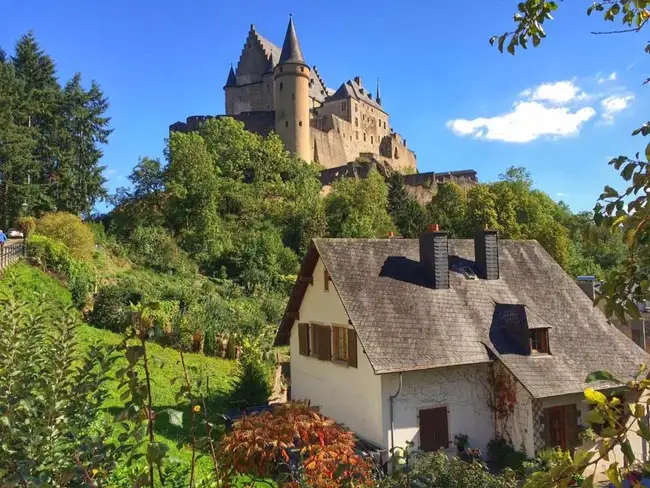
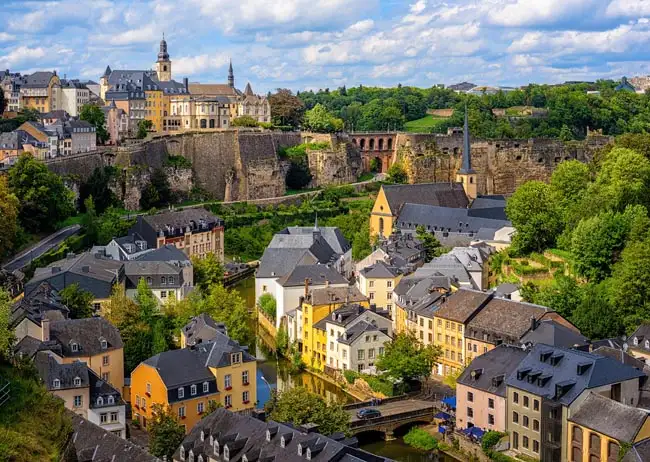
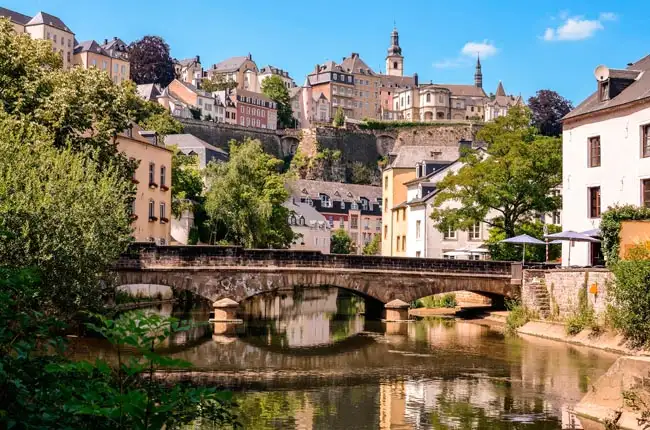
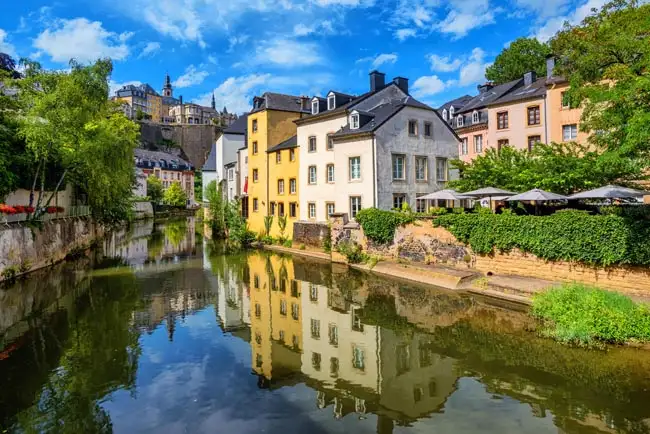
We explore that layered history on foot: Le Chemin de la Corniche, nicknamed Europe's most beautiful balcony, runs along fortifications overlooking the Alzette gorge; Grund, tucked into the ravine below, preserves stone houses built directly into the rock face; and Le Bock, fortified since Roman times, is now a UNESCO World Heritage site. The Musee National d'Histoire et d'Art holds an extensive Roman mosaic collection, and the Cathedrale Notre-Dame and Palais Grand-Ducal round out the morning. After lunch we visit Vianden Castle, an 11th- to 14th-century feudal residence with views over the surrounding countryside.
Overnight in Luxembourg.
Included Meal(s): Breakfast and Dinner - Day 17:Luxembourg - Brussels, Belgium & BrugesOur road journey to Bruges includes a midday stop in Brussels, a fitting bridge between yesterday's theme and today's destination: Brussels is home to the European Union's core institutions, the modern framework that lets small and large states negotiate as something closer to equals rather than through the marriages, mountain fortresses, and diplomatic stalemates that kept our other small nations alive for centuries. Grand Place, Brussels' 15th-century town square, remains the city's historic anchor regardless of which international headquarters have grown up around it.
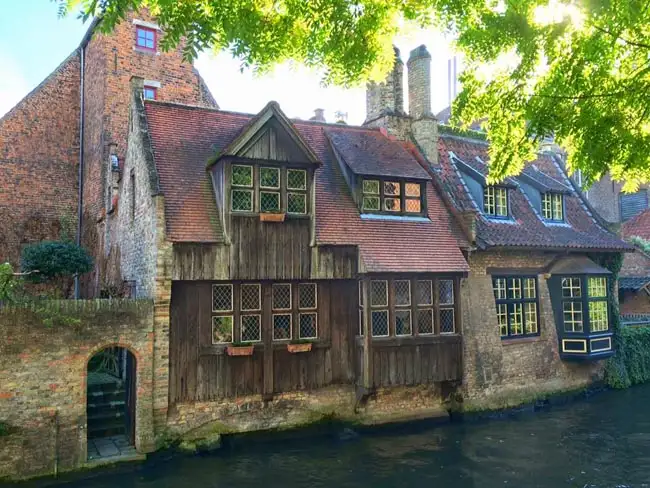
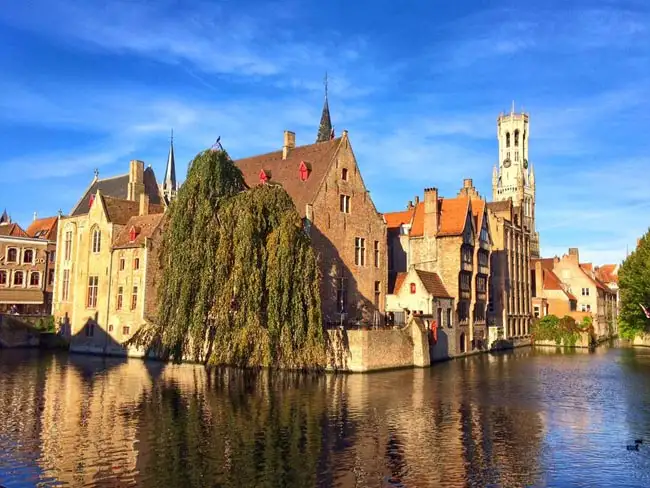
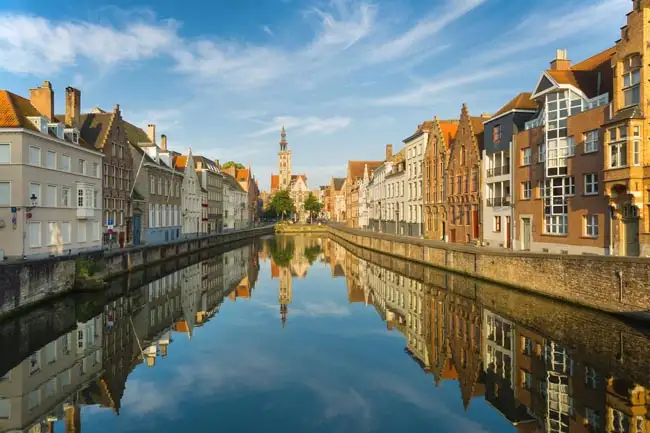
The afternoon continues to Bruges, a medieval trading city preserved almost intact since its peak as northern Europe's most important commercial centre in the 13th to 15th centuries, when Flemish textile wealth financed the architecture that still lines its canals today.
Overnight in Bruges.
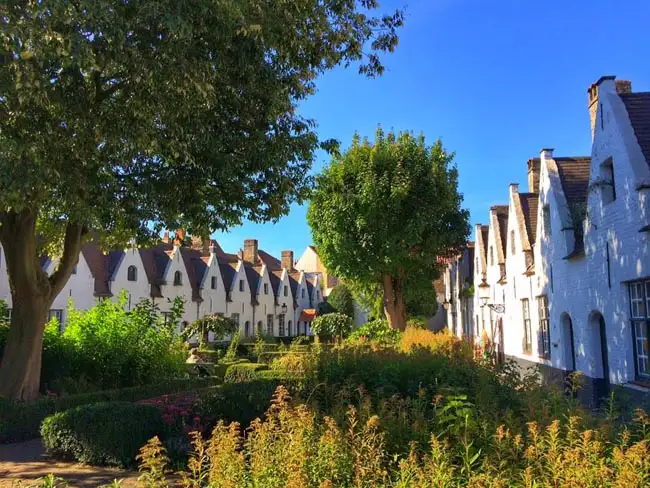
Included Meal(s): Breakfast and Dinner - Day 18:Bruges SightseeingBruges' entire historic centre is a UNESCO World Heritage Site, best explored on foot along canals lined with merchant houses built during the city's medieval trading boom. Our walking tour takes in the Church of Our Lady, Market Square and its belfry tower, and the Basilica of the Holy Blood, before an open-top canal boat ride offers a different vantage point on the waterways that once carried goods directly to warehouse doors.
The afternoon is free for independent exploration of a city where medieval urban planning survives with unusual completeness.
Overnight in Bruges.
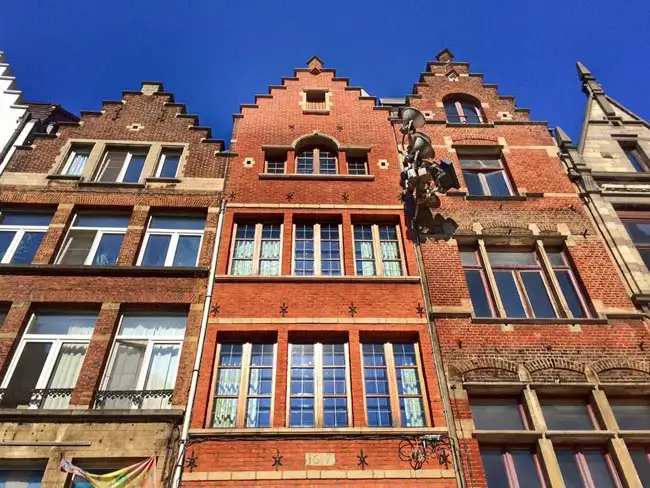
Included Meal(s): Breakfast and Dinner - Day 19:Bruges - Train to Antwerp: Antwerp SightseeingOur train from Bruges to Antwerp follows historic trade routes connecting the Flemish cities. Antwerp has been a major port on the Scheldt River since the 11th century and, unlike the small nations we've spent the last three weeks visiting, never needed independence to matter -- it built its influence as a wealthy trading city within whichever larger political structure happened to govern Flanders at the time.
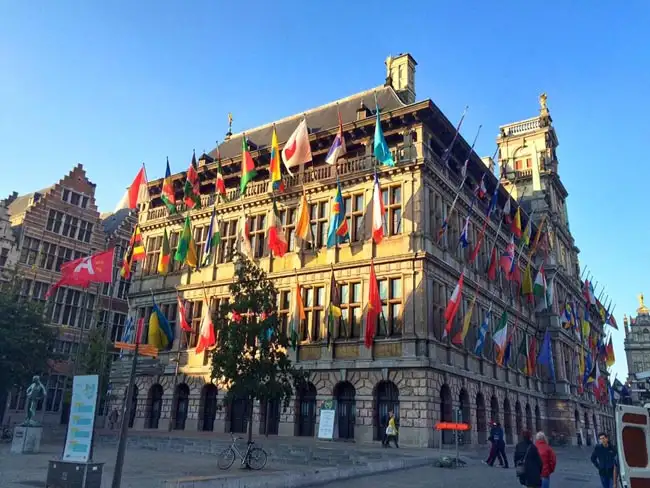
We explore the Old Town around Grote Markt, the guild houses and Town Hall, and the Cathedral of Our Lady, which holds four major works by Peter Paul Rubens, who lived and worked in Antwerp in the 17th century. A stroll along the Meir leads to Antwerp's harbour, still one of Europe's largest ports, before we head to the MAS Museum for a rooftop view over the city.
Overnight in Antwerp.
Included Meal(s): Breakfast and Dinner - Day 20:Departure from AntwerpOver the past three weeks we've met six small European states that answered the same question in six different ways: the Vatican, through institutional permanence larger than any army; San Marino, through good judgement repeated for seventeen centuries; Monaco, through marriage and, later, reinvention; Andorra, through an eight-hundred-year diplomatic stalemate neither co-prince has bothered to resolve; Liechtenstein, through strategic irrelevance turned quietly profitable; and Luxembourg, which abandoned the hiding strategy altogether and made itself indispensable instead. None of it was inevitable, and most of it required some combination of luck, nerve, and very good timing -- the smallest nations in Europe have generally had the least room for error, and it shows in how carefully each one has played its hand.
PLEASE NOTE that Antwerp is served by Brussels Airport, approximately 45 minutes away by road, or Amsterdam Airport, approximately 60 minutes away by train.
Depart.
Included Meal(s): Breakfast
Countries Visited: Andorra, Belgium, France, Italy, Liechtenstein, Luxembourg, Monaco, San Marino and Spain
*The red tour trail on the map does not represent the actual travel path.
Book This Tour
- Final payment: Due 90 days prior to departure.
- Deposit: A non-refundable $1000 USD Deposit is required at booking.
- Optional Single Supplement: $2260 USD (number of singles limited).
(View options forsingle travellers) - $1000 per-person deposit required. Once our tour becomes 'guaranteed,' we will request an additional pre-payment of $500 per person. Contrary to our usual terms and conditions governing deposits, once the tour is guaranteed and further pre-payment is made, all monies become 100% non-refundable, non-transferrable.
Prices below are per person, twin-sharing costs in US Dollars (USD). Pricing does not include airfare to/from the tour and any applicable taxes.
Frequently Asked Questions
- What is the maximum number of participants on a trip?Most of our tours carry a maximum of 18 participants; some tours (ie hiking tours) top out at 16. In the event that we do not achieve our minimum complement by our 90-day deadline, we may offer group members the option of paying a "small-group surcharge" as an alternative to cancellation. If all group members agree, we will confirm the trip at existing numbers; this surcharge is refundable in the event that we ultimately achieve our regular minimum. If the small group surcharge is not accepted, we will offer a refund of your deposit or a different trip of your choice.
- Can I extend my tour either at the beginning or end? What about stopovers?Yes, you can extend your tour either at the beginning or the end and we can book accommodation in our tour hotel. Stopovers are often permitted, depending on air routing. Stopovers usually carry a "stopover" fee levied by the airline.
- How do I make a reservation? How and when do I pay?The easiest way to make a reservation is via our website; during office hours, you are also more than welcome to contact us by telephone.
A non-refundable deposit is payable at the time of booking; if a reservation is made within 90 days, full payment is required. Some trips require a larger deposit. If international airline bookings require a non-refundable payment in order to secure space or the lowest available fare, we will require an increase in deposit equal to the cost of the ticket(s).
Early enrolment is always encouraged as group size is limited and some trips require greater preparation time.
Once we have received your deposit, we will confirm your space and send you a confirmation package containing your trip itinerary, any visa/travel permit related documents, invoice, clothing and equipment recommendations, general information on your destination(s), and forms for you to complete, sign and return to us. Your air e-tickets (if applicable), final hotel list, final trip itinerary, and instructions on how to join your tour, will be sent approximately 2-3 weeks prior to departure. - What about cancellations, refunds, and transfers?Please review our cancellation policy page for details.
- I am a single who prefers my own room. What is a single supplement?All of our tours have a single supplement for those who want to be guaranteed their own room at each location.
This supplement is a reflection of the fact that most hotels around the world do not discount the regular twin-share rate for a room by 50% for only one person occupying a room. Most hotels will give a break on the price, but usually in the range of 25-30% of the twin-share rate. This difference, multiplied by each night, amounts to the single supplement.
The conventional amount can also vary from country to country and some destinations are more expensive than others for single occupancy. In order to be "single friendly," the supplements we apply are not a profit centre for us and we do our best to keep them as reasonable as possible.
On most tours we limit the number of singles available, not to be punitive, but rather because many hotels allow for only a limited number of singles; some smaller hotels at remote locations also have a limited number of single rooms available.
Please note that most single rooms around the world are smaller than twin-share rooms and will likely have only one bed. - Do you have a shared accommodation program?Yes! If you are single traveller and are willing to share, we will do our best to pair you with a same-gender roommate. Please note that should we fail to pair you, we will absorb the single supplement fee and you will default to a single room at no extra charge.