- Wildlife
- Overview
- Info & Inclusions
- Itinerary
- Map & Hotels
- Photos
- Dates & Prices
- Tour Duration: 26 Days
- Max Group Size 18
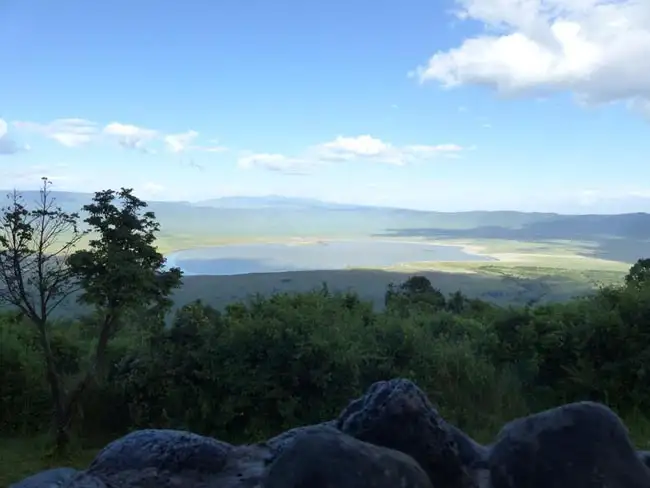
- Ngorongoro Crater: natural wonder
- Endless Serengeti plain
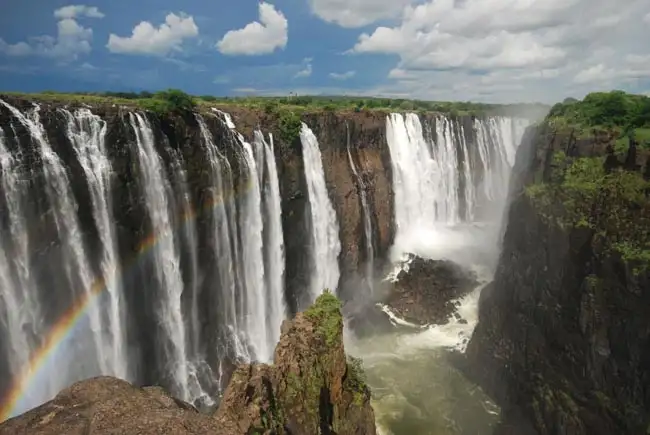
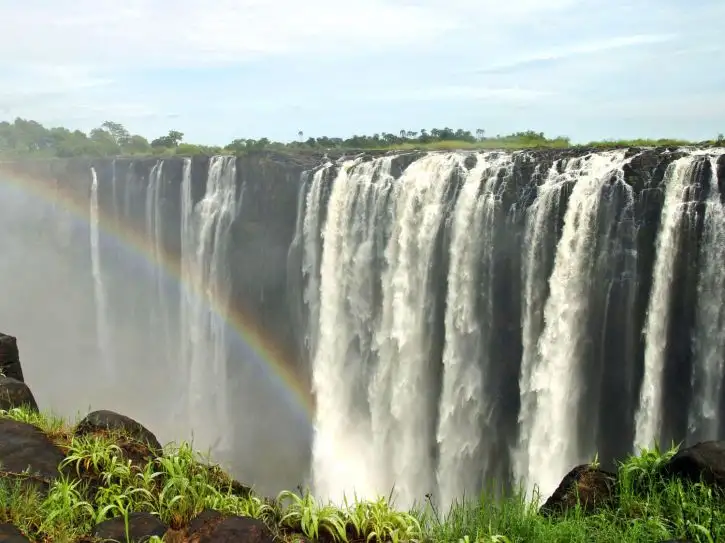
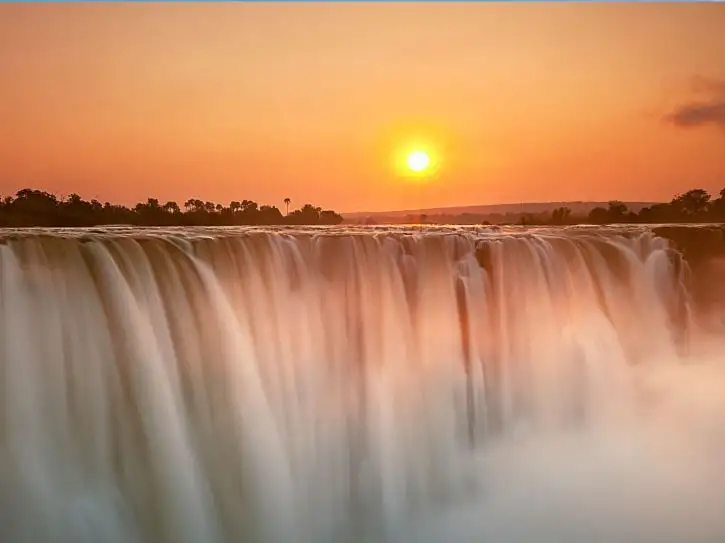
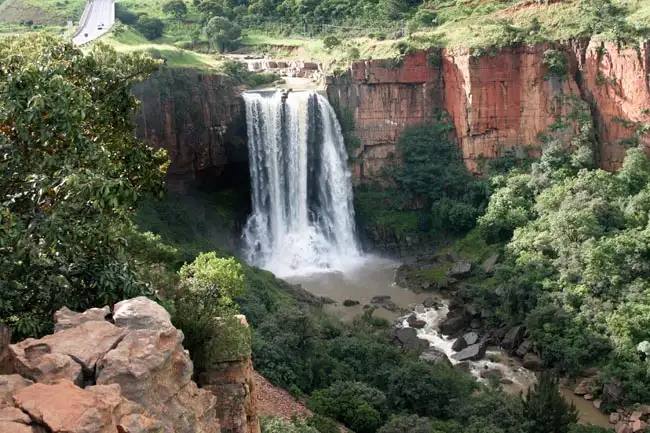
- Thundering Victoria Falls
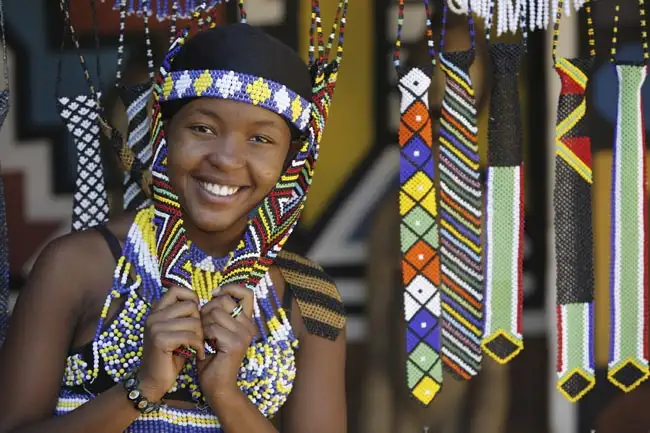
- Soweto township tour
- Kingdom of Eswatini (Swaziland): Switzerland of Africa
- Table Mountain Cable Way
- Cape Winelands tour and wine tasting
- Robben Island Museum
- Singles friendly (view options for single travellers)
Here in the foothills of one of the most majestic peaks in the world, we visit abundant national parks, where we can gaze at herds of red dust-covered elephants roaming the plains, and then it's through highland forest parks brimming with black and white colobus monkeys, past dramatic rolling green fields rife with traditional villages and to the rim of the spectacular Ngorongoro Crater, the world's largest unbroken volcanic caldera.
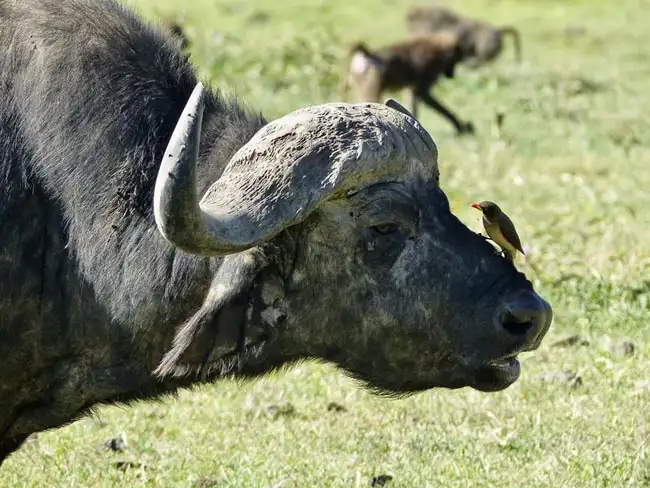
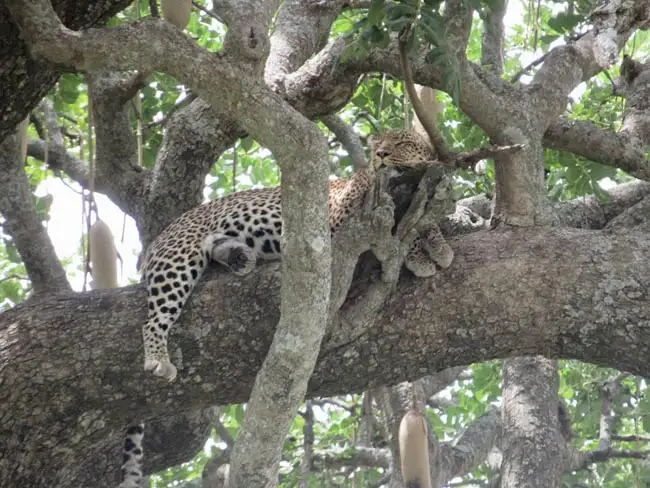
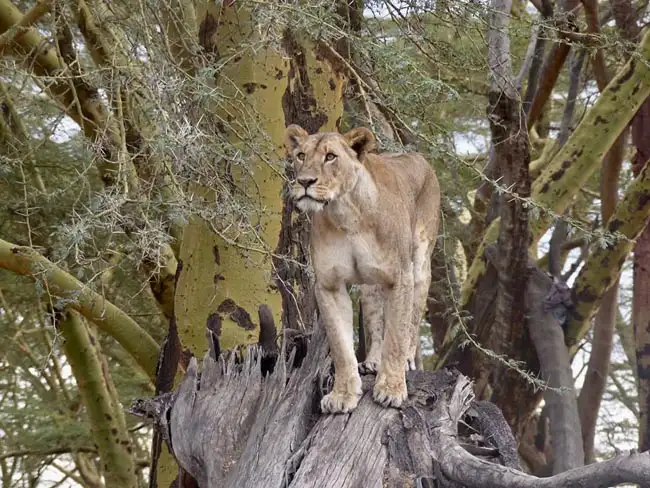
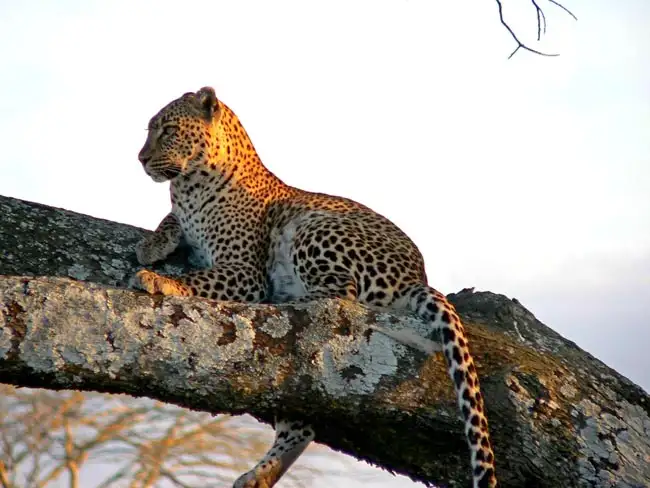
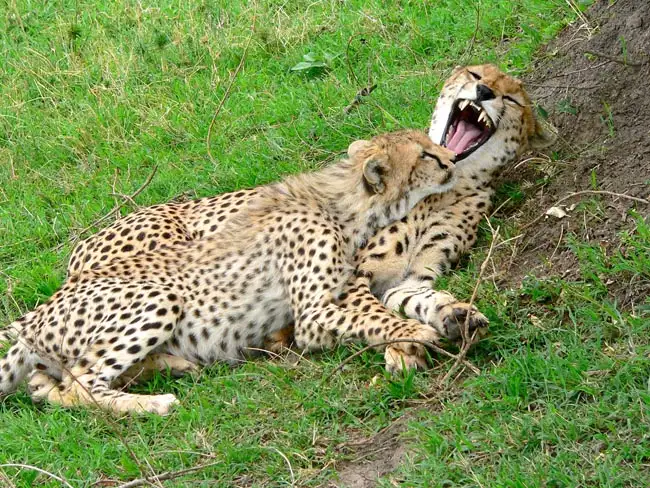
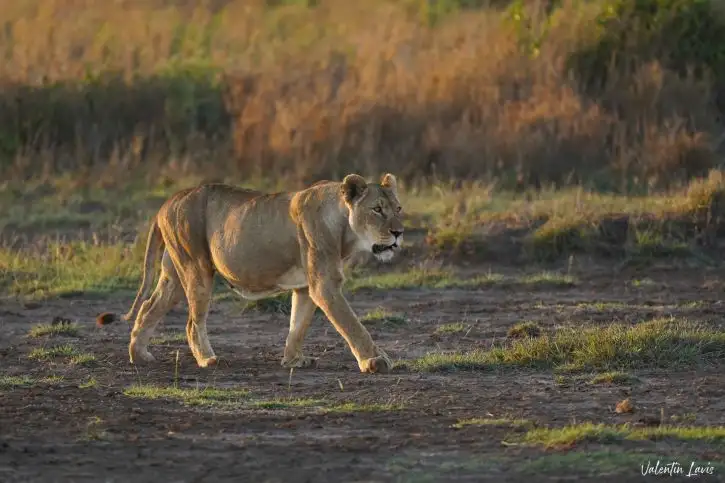
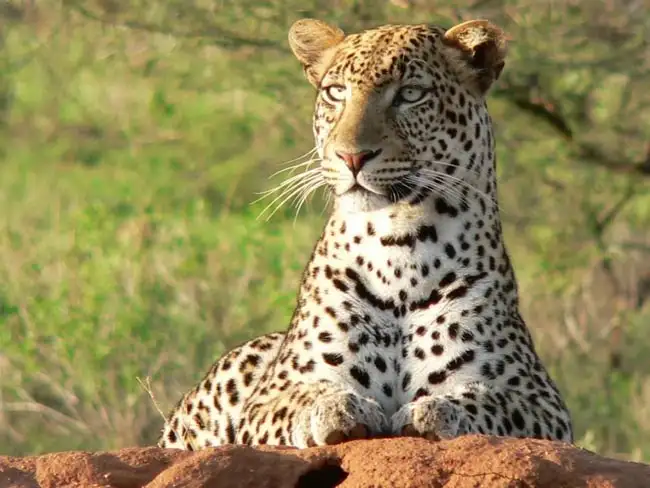
On the lookout for the 'Big Five' (rhino, lion, leopard, elephant and buffalo), we head for the place whose very name has become synonymous with 'safari'; the Serengeti Plains.
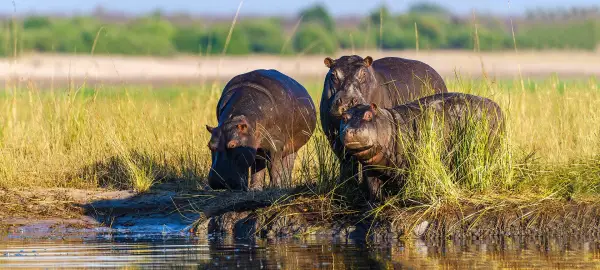
A vast land of unimaginable biodiversity and unforgettable sceneries, the Serengeti certainly lives up to its well-earned reputation as the epitome of safari destinations and after extensive exploration, we make route for the wood-, grass- and swamplands near Lake Manyara, where we find exotic birds by the thousand, giraffes, impala and hippos.
Touching down in Johannesburg in South Africa, we have the chance to learn about the region's colourful, and at times dubious, history, and find out for ourselves how the city came to be at the forefront of the gold-mining industry.
We cross into Zimbabwe to feast our eyes on one of the most spectacular natural phenomena in the world at Victoria Falls, and into Botswana and Swaziland, where we take a boat ride to see a diverse array of water creatures (like hippos and large crocodiles) and spend time in traditional rural farming settlements respectively.
- MealsSavour authentic flavours with included daily breakfasts, some lunches, and dinners at hotels or handpicked local restaurants—immersing you in local cuisine without worrying about reservations or budgets. (Most lunches are included in East.)
- Transport & Logistics
Private air-conditioned coaches and included internal ferries and flights—ensuring hassle-free travel so you can focus entirely on the discoveries ahead.
"Adventures Abroad tour leader's management and guest services managed the tour with great skill and dedication. The tour leader was on top of every move and transfer. We have not experienced any issues with logistics and had a great time."
~ JULIA O"The tour leader did an excellent job coordinating some difficult travel logistics, power outage issues and resolving problems and dealing with guests who had unrealistic expectations."
~ CYNTHIA COLLINS - Expert Guidance
Unlock insider secrets at every landmark with your full-time Tour Leader and expert local guides , all gratuities covered—no hidden tipping surprises—so you immerse fully in your destination's stories, worry-free. (Except for the tips to your tour leader at the end of your tour.)
"Amazing tour guide. Our tour guide was very well organized, Her passion, knowledge, and enthusiasm completely transformed the travel experience into something truly unforgettable..."
~ MELANIE LEMAIRE"Highly recommend every trip with Adventures Abroad. It's a well organized and well thought out adventure. The tour leaders are friendly, knowledgeable and experienced professionals. Highly recommend this company."
~ SUSAN WALL - Sightseeing & EntrancesAll entrance fees for sites visited as per the itinerary—no hidden costs—so you can explore ancient ruins and excursions with complete peace of mind.
- AccommodationsUnwind in clean, well-located 3 to 4-star hotels with private en suite facilities—handpicked for comfort and convenience after each day's discoveries—so you can rest easy knowing your stay supports the real adventure, not steals the spotlight.
- Small Group
Discover the world in small groups of up to 18 travellers plus your expert Tour Leader—unlocking spontaneity, off-the-beaten-path adventures, and genuine connections at a relaxed pace, free from crowds.
"Looking Forward to My Next Adventure The best feature of the Adventures tour was the small size that allowed the group to quickly load up, let everyone get acquainted within the first 24 hours, capitalize on unplanned surprises along..."
~ PHILIP BLENSKI"Good value for a great time I have traveled with Adventures Abroad for over 20 years now. Well thought out, interesting itineraries and the other travelers congenial and friendly. The price always seems fair and overall a..."
~ Trusted Customer - Airport Transfers For Land & Air CustomersWe handle hassle-free airport transfers for all our land and air tour customers—plus early arrivals or late departures when you book extra hotel nights directly with us for added peace of mind.
- International airfare to/from the tour.
- Tour Leader gratuities, drinks, personal items (phone, laundry, etc), international (if applicable) an domestic air taxes, visa fees, and any excursions referenced as 'optional'.
- Airport transfers for Land Only customers
- Optional trip cancellation insurance.
- Seasonality and Weather:
TANZANIA: June-August coincides with the coolest and driest period.
SOUTHERN AFRICA: June/July coincides with "winter" in Southern Africa, a time characterized by warm and dry days and cool-cold nights in the northern regions and Victoria Falls. Game parks are dry and cool with short grasses that enhance game spotting. In the Cape weather conditions can be highly changeable with wind and rain quite possible. Days can also be still and warm, however.
Overall this is an excellent time to visit weather-wise and in terms of fewer visitors. - Transport and Travel Conditions:
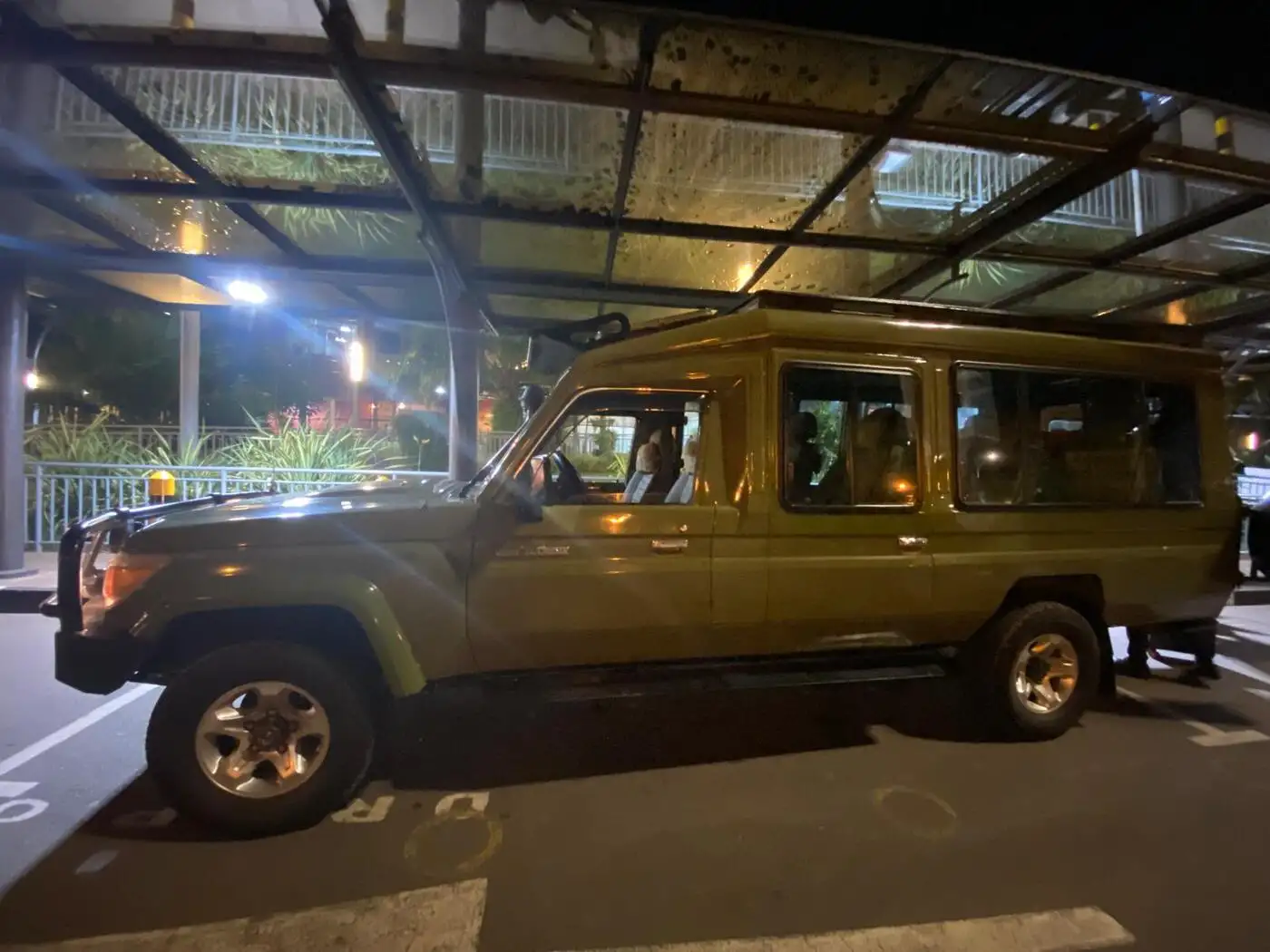
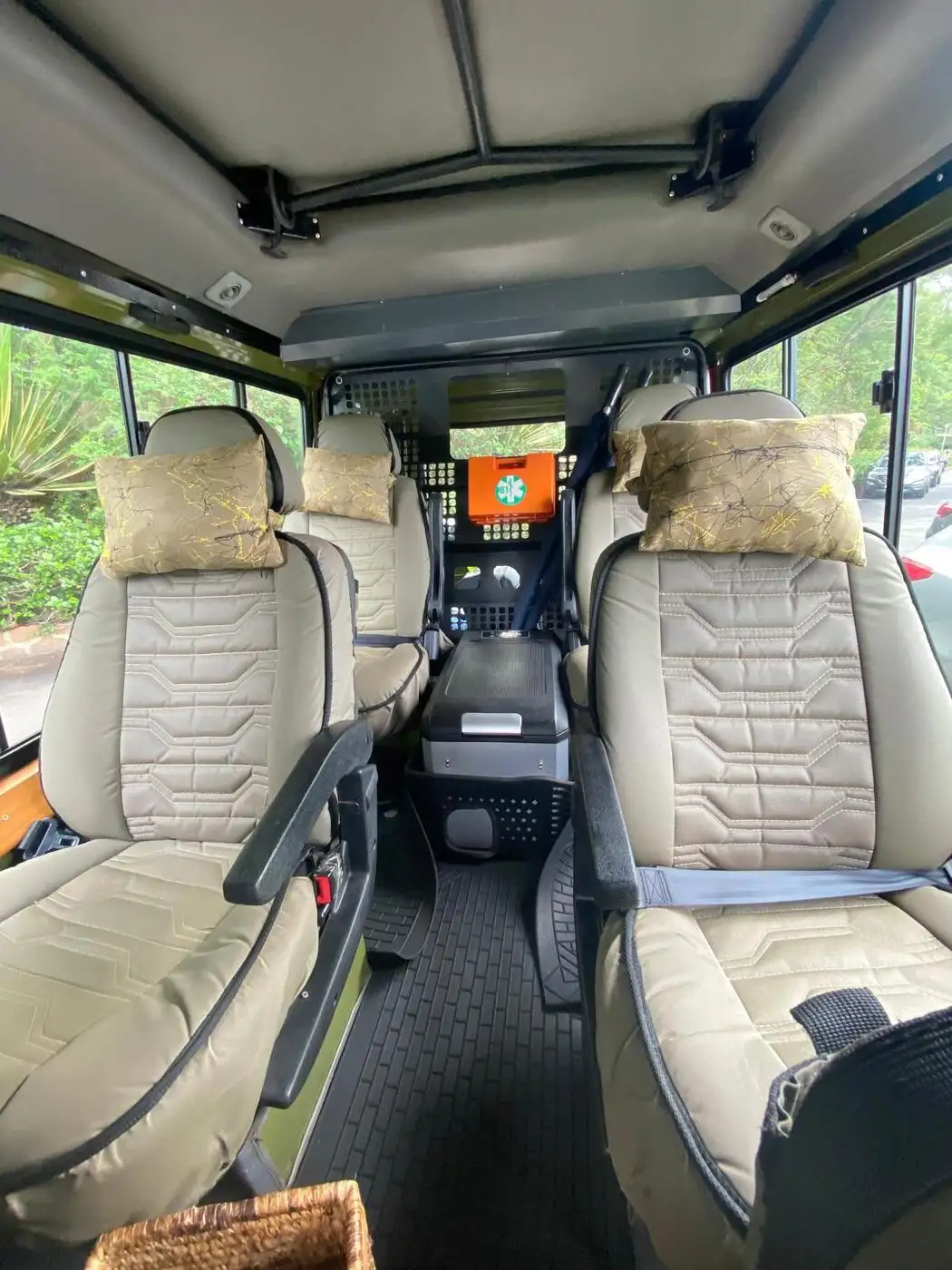
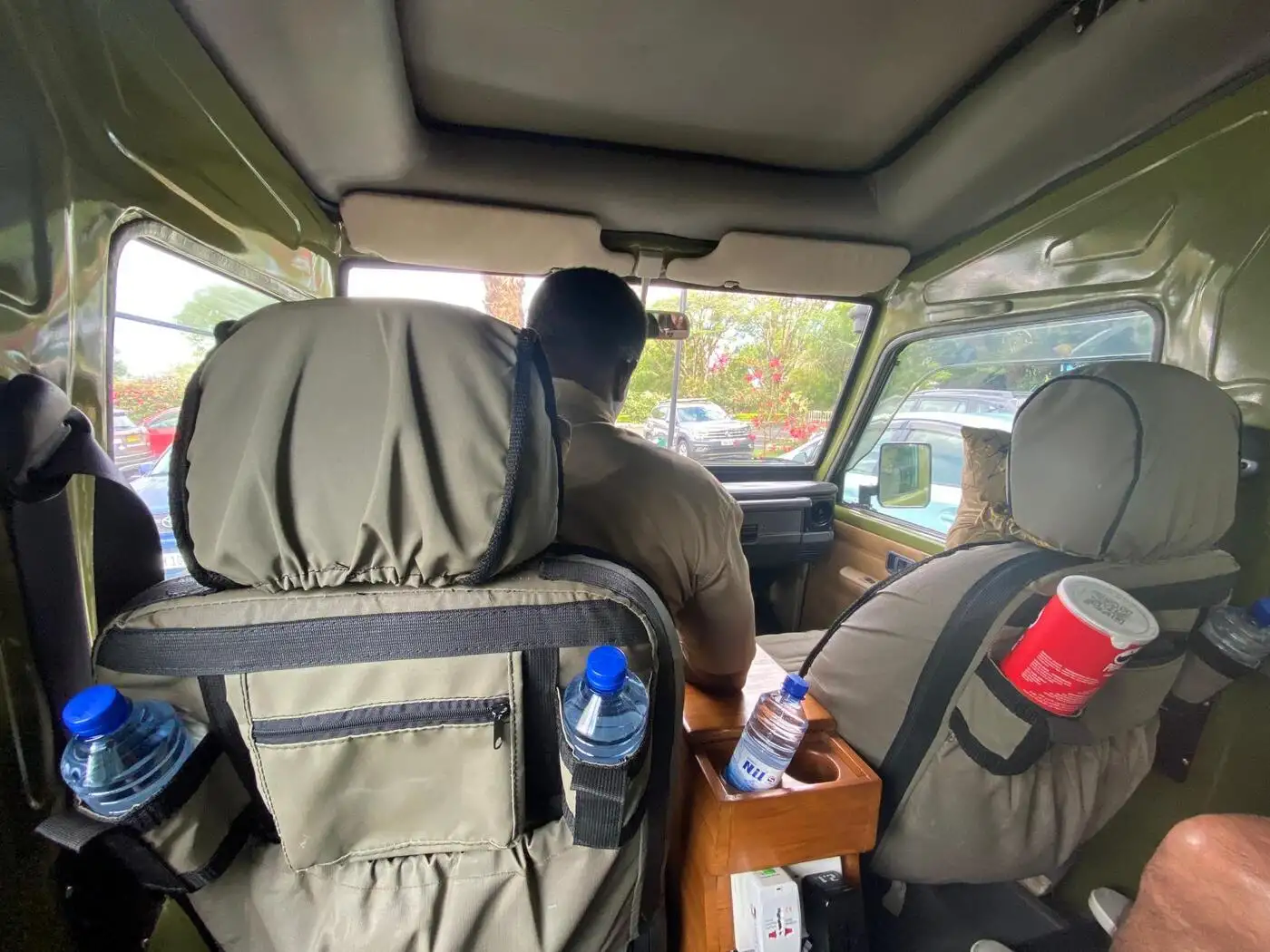
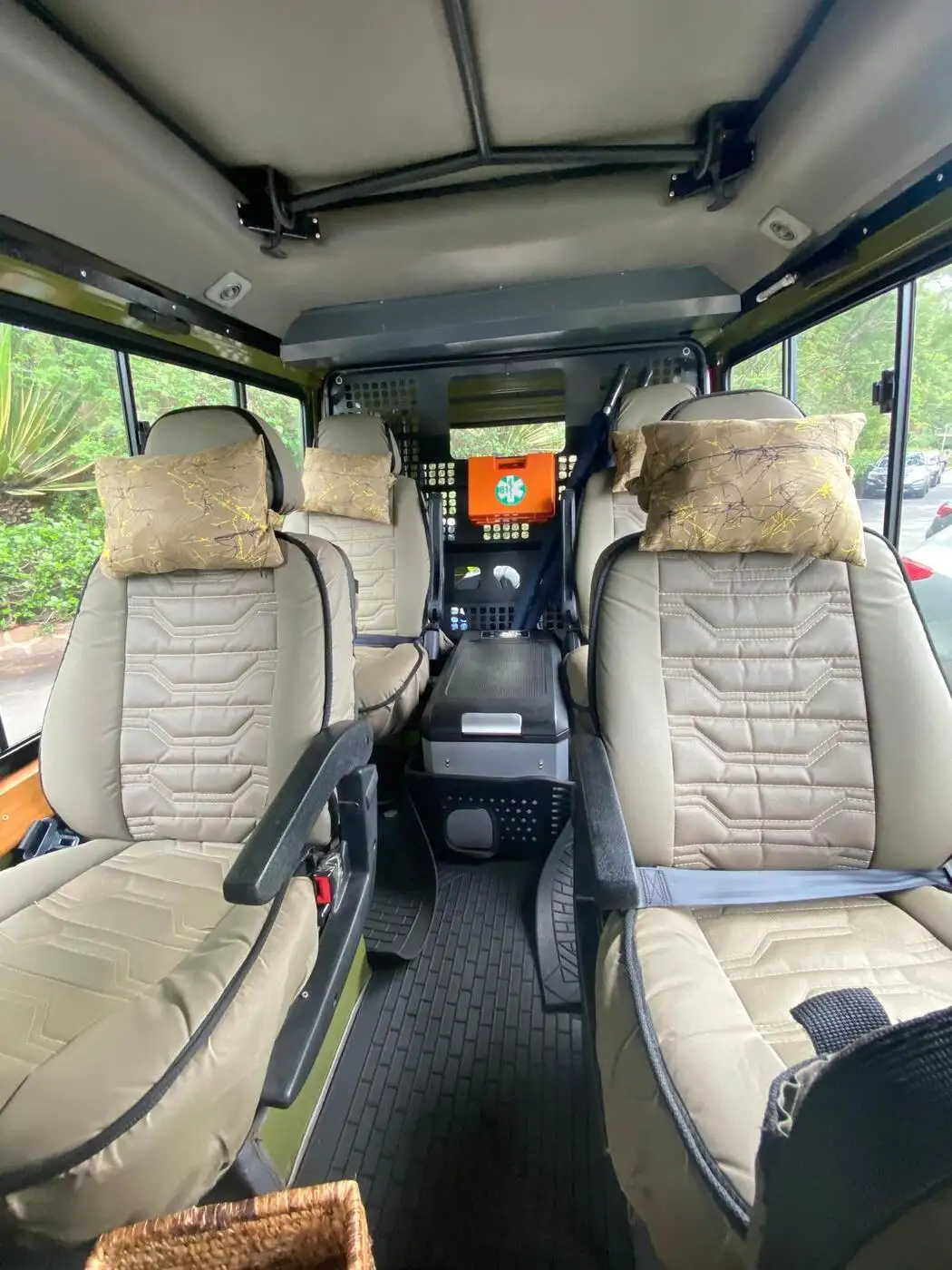
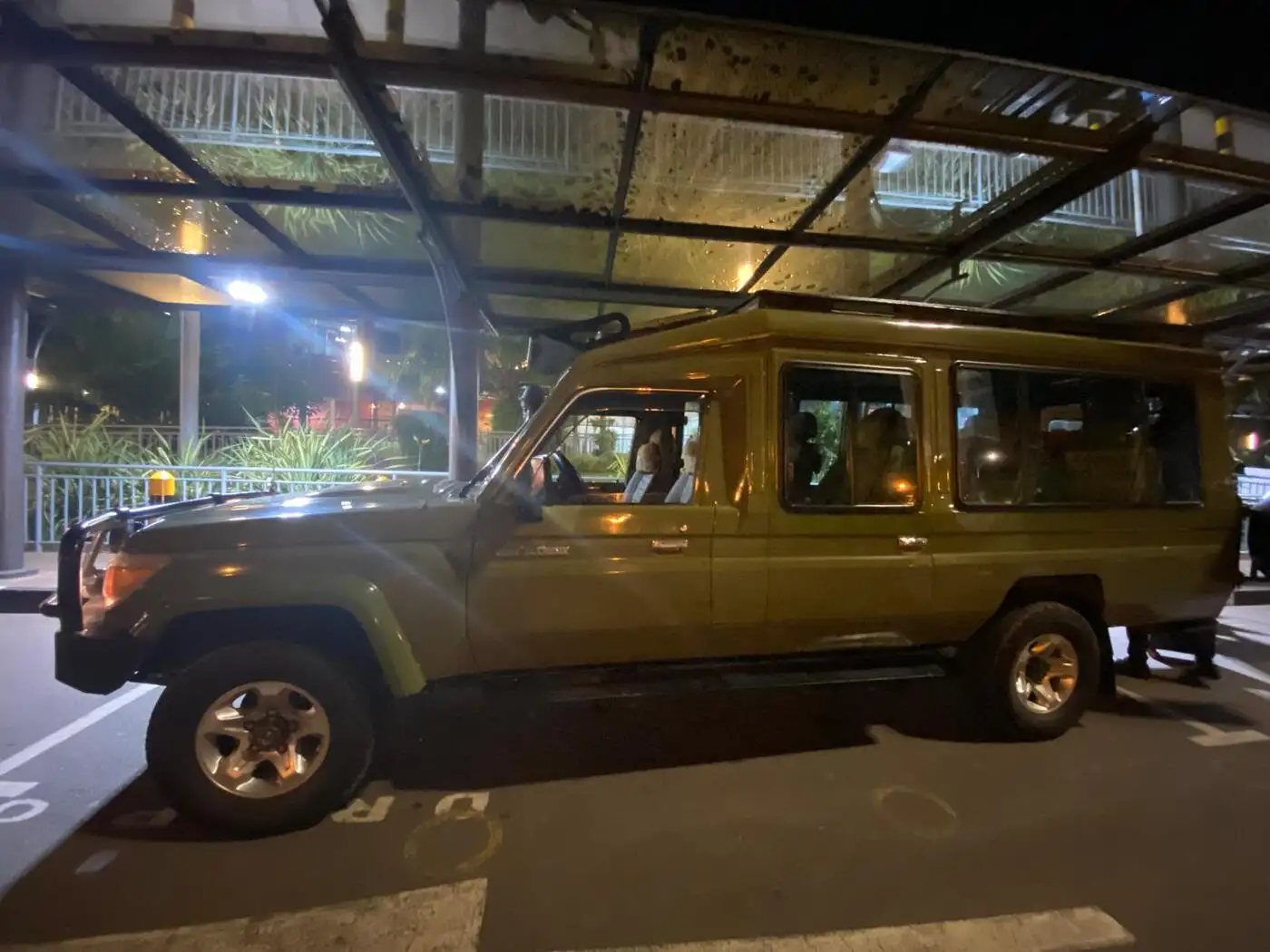
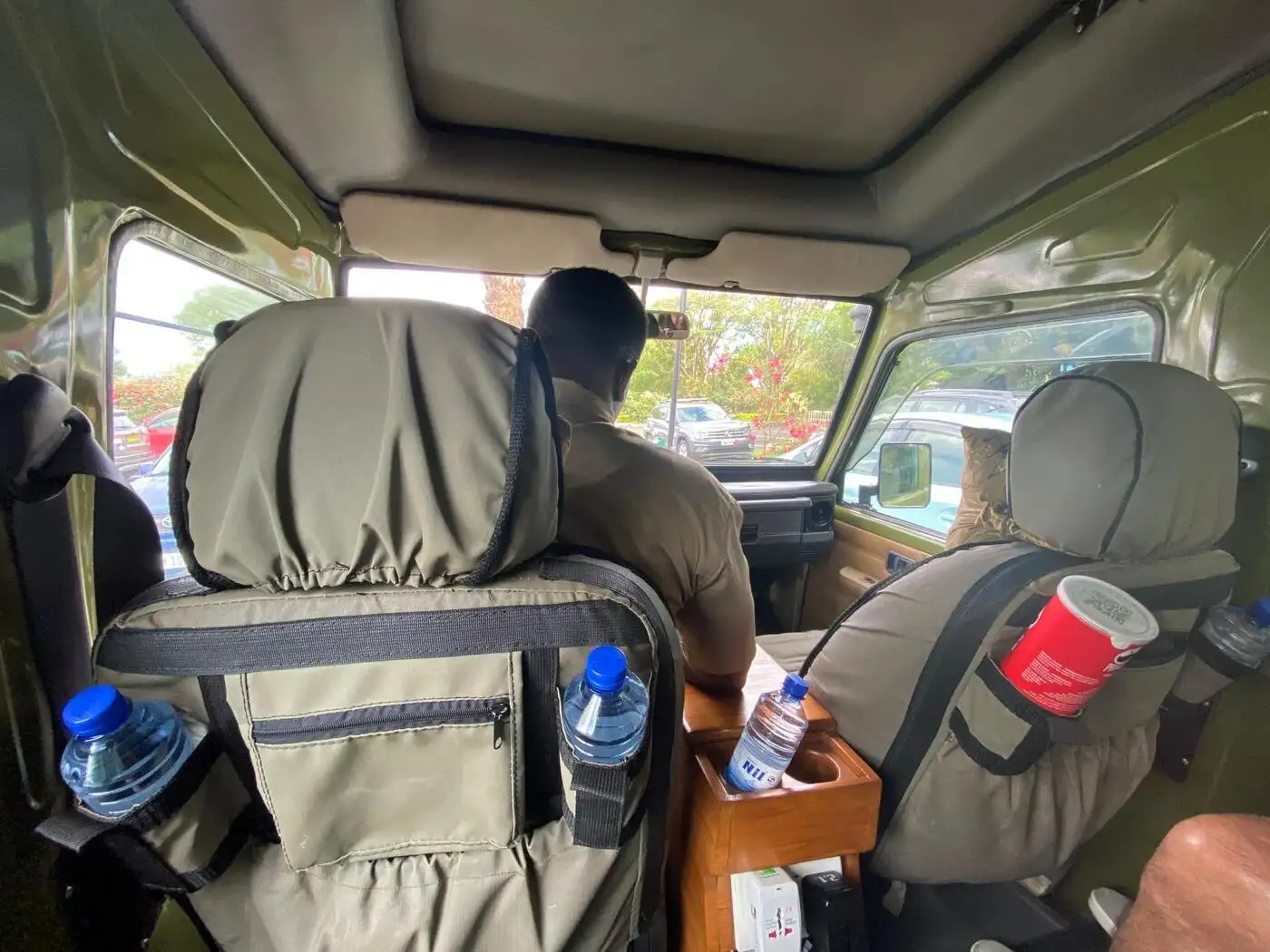
EAST AFRICA: Some road journeys are very long and very rough, possibly dusty. In Kenya we travel via well-maintained, rugged minivan with six passengers each. At the Tanzanian border we switch to 4x4 Land Rover / Land Cruisers. The same vehicles, with roofs that pop up, will be used for our game drives in parks and reserves. Please note that air-conditioned safari vehicles are non-existent in East Africa.
SOUTHERN AFRICA: Land transport provided via air-conditioned motor coach, the ultimate size of which may vary depending on group size (see 'Group Size'). We use open "safari" 4x4 vehicles in Chobe, Kruger, and Mkuze parks. We have some full-yet-scenic bus days, though, stops at points of interest and for the sake of comfort are frequent and roads are excellent. Our internal flights are provided by scheduled local carriers.
Overall, our difficulty "Level 1" rating refers to the high accommodation and hygiene standards and the lack of strenuous activity built into our program. That said, however, this is an ambitious tour with some full days of travel and activities, on-foot visits of sites, some of which are large and feature uneven surfaces, some very rough roads (East Africa), the possibility of heat at some locations, and some early starts.
We will also enjoy some our dinners outside our hotels, which may mean short walks to dinner.
Though baggage handling is available at hotels and is included in your tour, you still need to be able to manage your own luggage, especially at airports.
Am I suitable for this tour? Please refer to our self-assessment form - Activity Level: 1
No particular physical activity is involved other than town/city walks and short walks to dinners and sites of interest, some of which are large.
To learn more about the Activity levels, please visit our tour styles page. - Accommodation:
EAST AFRICA: Hotels and lodges are 4-5 star properties with hot water, electricity, mosquito netting, dining areas, bar, swimming pools. Remote lodges are not air-conditioned though many are at higher elevations where heat is not a factor. Many lodges are quite spread out and you will need to be able to walk up to 10 minutes from public areas to your room.
SOUTHERN AFRICA: Well-located, air-conditioned, 3&4-star hotels with en suite toilet and bath throughout. Porter service is available throughout (see 'Inclusions'). Single rooms are limited and likely smaller than twins. - Staff and Support:
Tour Leader, drivers, local guides.
Kenya/Tanzania: Groups of six or fewer participants (one vehicle), will be led/guided by one of our local driver-guides. Only multi-vehicle groups will be assigned an Adventures Abroad Tour Leader. - Group Size:
Maximum 18 plus Tour Leader
- Day 1:Arrive in NairobiToday we arrive in Nairobi, the capital of Kenya.
Part of Maasai land when the British arrived, this modern capital grew with the development of the railway. Derived from a Maasai word meaning "Cold Water," Nairobi is a pleasant mix of colonial British with modern and traditional African influences.
Overnight in Nairobi.
Included Meal(s): Dinner - Day 2:Nairobi - Amboseli National ParkOur adventure continues today as we journey south from the bustling city of Nairobi to the breathtaking Amboseli National Park. The drive is estimated to take around four hours, though this can vary slightly depending on the specific location of our lodge within the park and, of course, the wildlife we encounter along the way. Keep your eyes peeled – you never know what surprises the African bush might have in store!
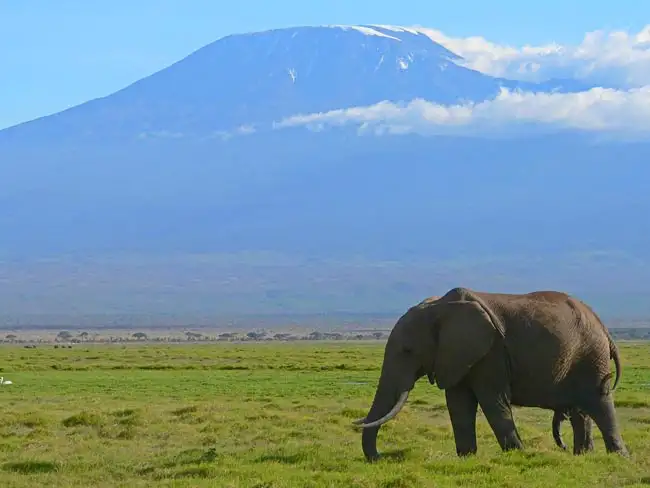
Amboseli National Park boasts a truly spectacular setting. Straddling the border with Tanzania, it lies on the vast African plain, offering unparalleled views of the majestic Mount Kilimanjaro. Towering above the landscape at a staggering 5894 meters (19,300 feet), Kilimanjaro is the highest peak on the entire African continent. Its iconic, snow-capped cone often appears to float ethereally above the shimmering plains, creating a truly awe-inspiring vista.
Amboseli is renowned worldwide for its thriving populations of elephants. These magnificent creatures roam freely across the park's open grasslands, often dusting themselves with the distinctive red soil, which gives their skin a particularly dramatic, almost ochre hue. This afternoon, we'll embark on a game drive within Amboseli. Picture this: herds of elephants grazing peacefully on the open plains, with the colossal Mount Kilimanjaro providing a picture-perfect backdrop. We'll be on the lookout for other incredible wildlife as well, but the chance to witness these gentle giants in their natural habitat, with such an iconic mountain as a witness, is an experience you won't soon forget (weather permitting, of course – Kilimanjaro can sometimes be shy behind the clouds!).
Overnight in the Amboseli National Park.
Included Meal(s): Breakfast, Lunch and Dinner - Day 3:Amboseli, Kenya - Lake Manyara National Park, TanzaniaOur Tanzanian adventure begins this morning as we cross the border from Kenya into Tanzania at Namanga. From there, we'll journey onwards to Lake Manyara National Park, passing through the vibrant town of Arusha. Arusha serves as the gateway to Tanzania's renowned northern safari circuit, and it's a bustling hub of activity. Our total travel time today is expected to be around five hours, though the border crossing itself can also sometimes take a little time.
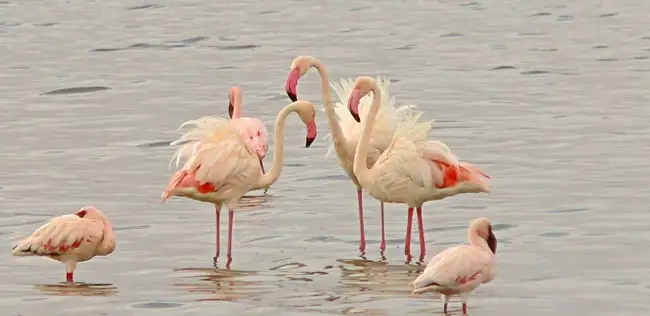
Lake Manyara National Park, though the smallest of the northern Tanzanian parks at 330 square kilometers (two-thirds of which is the lake itself), packs a big punch in terms of biodiversity. Its diverse vegetation ranges from open savannah grasslands to lush groundwater forests and vital riparian habitats, creating a rich tapestry of ecosystems. The lake is a haven for birdlife, most notably thousands of pelicans, ibis, and flamingos. Their calls and vibrant colours create a spectacle that can be experienced even from a distance.
After lunch at our lodge, we'll embark on an e afternoon game drive within Lake Manyara National Park. The park's location at the base of the dramatic Great Rift Valley escarpment adds to its scenic beauty. Its diverse landscape, encompassing forests, woodlands, grasslands, and swamps, provides habitat for a wide array of wildlife. While the birdlife is undoubtedly a major draw, the park also boasts a healthy population of other animals. We'll be on the lookout for buffalo, elephants, graceful giraffes, impalas, hippos, and a fascinating variety of smaller creatures.
Overnight at Lake Manyara.
Included Meal(s): Breakfast, Lunch and Dinner - Day 4:Lake Manyara - Serengeti National ParkThis morning we embark on a scenic journey into the renowned Ngorongoro Conservation Area. This protected area boasts a stunning, rolling landscape, offering periodic, breathtaking glimpses of the Ngorongoro Crater itself. Before we make our descent onto the seemingly endless Serengeti Plain, we'll pause at a designated viewpoint to fully appreciate the sheer scale and beauty of the crater.
The very name "Serengeti" is derived from the Maasai language, meaning "Land-without-end," and it's a fitting description. This is a place of superlatives, where the vastness of the landscape is matched only by the incredible biodiversity it sustains.
Our journey today, including our game drive, will take approximately five hours, though this can vary depending on the wildlife we encounter along the way and the location of our lodge within the Serengeti. This afternoon's game drive will serve as a wonderful introduction to this remarkable landscape and the diverse array of animals that call it home. Our guides will help us spot and identify the various species, sharing their knowledge of the Serengeti ecosystem and the intricate relationships between its inhabitants.
Overnight in the Serengeti National Park.
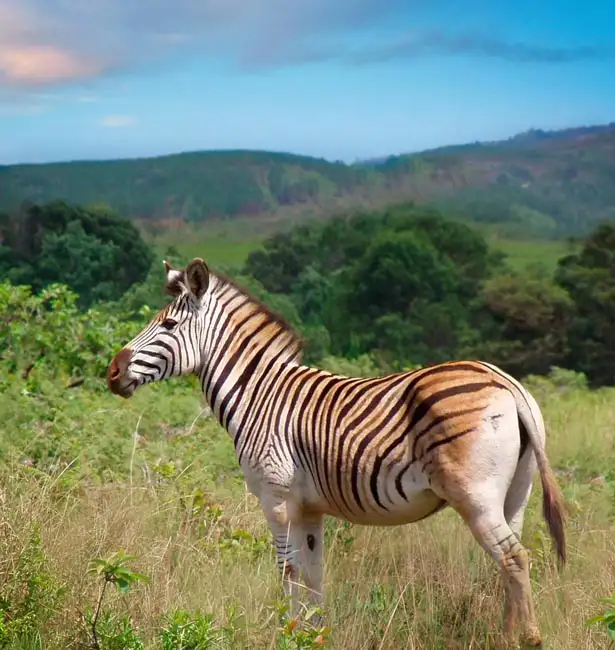
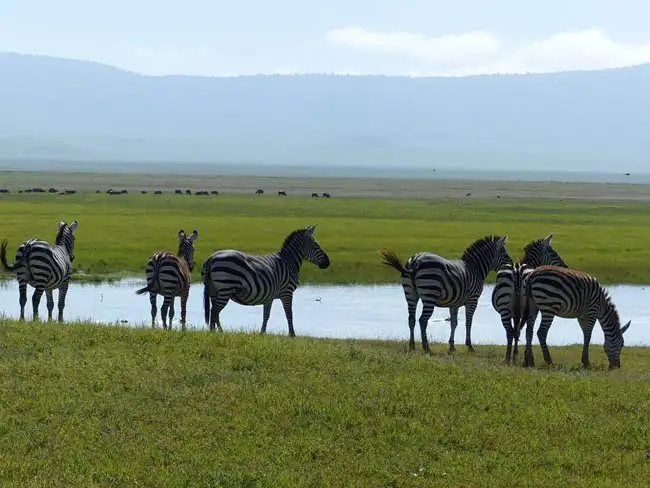
Included Meal(s): Breakfast, Lunch and Dinner - Day 5:Serengeti National ParkToday we have a full day of game viewing on the Serengeti. We will visit the "kopjes," a series of low, incongruous hills dotting the open landscape that often provide a vantage point for hungry predators contemplating the endless stream of hoofed animals parading past them. Depending on the season and the timing of the rains, up to 1.5 million wildebeest and a half a million zebra embark on a single-minded and perilous quest for water and grazing land. Following this spectacle, of course, are the meat-eating opportunists, hoping to capitalize on the physical toll this journey exacts on the desperate grazers. Even outside of "migration" time, large herds are still seen as they bear their young and feed, gaining strength for their annual return to the park's northern reaches. Resident species that do not migrate make for rewarding animal viewing in any season.
It may be possible to take an optional hot-air balloon safari over the plains at daybreak; today is the best day to participate in this activity -- details will be sent sent upon booking.
Overnight in the Serengeti National Park.
Included Meal(s): Breakfast, Lunch and Dinner - Day 6:Serengeti - Olduvai Gorge - Ngorongoro Conservation AreaTravelling back to Ngorongoro today we make a stop at Olduvai Gorge, site of the Leakey excavations in the 1960s and 70s that established this region as the prehistoric habitat of some of the earliest species of hominids with some finds dating back 1.8 million years. Experts in the life sciences have argued that the Olduvai contribution to the story of human origins remains unsurpassed by any other prehistoric site in the world. A small museum on site outlines the unique geological and human history of the area.
Called the 'eighth wonder of the world' and stretching across some 8300 sq km, the Ngorongoro Conservation Area boasts a blend of landscapes, wildlife, people and archaeology that is unsurpassed in Africa. The volcanoes, grasslands, waterfalls and mountain forests are home to an abundance of animals and to the Maasai. Ngorongoro Crater is one of the world's greatest natural spectacles and its magical setting and abundant wildlife never fail to enthral visitors. Depending on road conditions, gorge stop, animal sightings, and lodge placement, this journey can be 5-6 hours.
Overnight in the vicinity of Ngorongoro Conservation Area.
Included Meal(s): Breakfast, Lunch and Dinner - Day 7:Ngorongoro Conservation AreaToday promises an unforgettable experience as we embark on a half-day tour within the magnificent Ngorongoro Conservation Area, a designated UNESCO World Heritage Site. After an early breakfast to maximize our time, we'll descend into the heart of the Ngorongoro Crater, a truly breathtaking natural wonder. This massive caldera, spanning 20 kilometers (13 miles) in diameter and boasting walls reaching 700 meters (2,300 feet) high, is a microcosm of African wildlife.
The crater floor is a diverse ecosystem teeming with life, and our game drive will take us through this incredible setting. We'll be on the lookout for the famed "Big Five" – lion, leopard, elephant, rhino, and buffalo – any sighting of which is always a thrill. But the crater is also home to a plethora of other fascinating creatures. eep your eyes peeled for herds of wildebeest, graceful gazelles, zebras with their distinctive stripes, and lumbering hippopotamuses. Adding to the spectacle, thousands of vibrant flamingos often gather on Lake Magadi, creating a stunning display of colour against the backdrop of the crater walls.
* In order to reduce congestion and stress on wildlife, the Tanzanian government limits visitors to half-day visits of the crater. Depending on what time "window" we are assigned, our excursion may take place first thing in the morning, or later in the afternoon (both of which are equally advantageous for game viewing, given the relatively mild climate at this altitude).
Overnight in the vicinity of Ngorongoro Conservation Area.
Included Meal(s): Breakfast, Lunch and Dinner - Day 8:Ngorongoro - Gibb's Farm - ArushaThis morning we begin our descent from the Ngorongoro Highlands, retracing our route back towards Arusha. Our journey includes a delightful lunch stop at the charming Gibb's Farm. This unique establishment has a fascinating history, having been founded during the German colonial era. Still privately owned today, Gibb's Farm operates as a small, boutique hotel nestled on the outer slopes of the Ngorongoro Highlands. Surrounded by verdant coffee plantations, the farm offers breathtaking, sweeping views of the lush and beautiful agricultural landscape that stretches out before it. It's a perfect spot to relax, enjoy a delicious meal, and soak in the tranquility of the surroundings.
As we continue our drive, we'll once again pass through the bustling town of Mto Wa Mbu, which translates to "Mosquito Creek." This vibrant town is known for its lively and cosmopolitan atmosphere, a melting pot of cultures and traditions. It's also famous for its distinctive red bananas. These intriguing fruits, while tasting very similar to regular bananas, are a visual treat with their startlingly bright red skins.
We arrive back in Arusha later this afternoon.
Overnight in Arusha.
Included Meal(s): Breakfast, Lunch and Dinner - Day 9:Arusha, Tanzania - Johannesburg, South AfricaToday we fly from Arusha to Johannesburg, South Africa.
NOTE: Depending on flight schedules, we may have to travel to Nairobi and fly to Jo'burg from there. Final arrangements will be advised closer to departure.
Overnight in Johannesburg.
Included Meal(s): Breakfast and Dinner - Day 10:Johannesburg, South Africa - Fly to Victoria Falls, ZimbabweThis morning takes us from South Africa to Zimbabwe, where we'll spend the next three nights beside one of the world's most spectacular natural wonders. The area around Victoria Falls has been home to people for hundreds of thousands of years. The falls were originally called "Shongwe" by local inhabitants, but gained their current name in 1855 when Scottish missionary and explorer David Livingstone arrived and named them after Queen Victoria.
The falls and the nearby town sit on the mighty Zambezi River, Africa's fourth longest, which forms the natural border with neighbouring Zambia. After checking into our hotel, we head a short distance to the river for a scenic sunset cruise above the falls. Here, the Zambezi moves wide and slow, creating perfect conditions for spotting the region's famous wildlife—hippos surface nearby, elephants come to drink at the banks, and antelope and giraffe appear among the trees while hundreds of bird species fill the air.
As the sun sets, we return to shore for a demonstration of traditional African dancing and drumming, the rhythmic sounds carrying across the water before our evening meal.
NOTE: Due to logistical reasons, the order of Victoria Falls area sightseeing activities may vary at the discretion of your Tour Leader.
Overnight at Victoria Falls.
Included Meal(s): Breakfast and Dinner - Day 11:Victoria Falls: Falls Tour & Leisure TimeOur guided walking tour of Victoria Falls begins on level, paved paths that wind through dense rainforest—a ecosystem that exists entirely because of the spray from the falls. The local name "Mosi-oa-Tunya" means "The Smoke That Thunders," and as we walk, we understand why. The falls stretch twice as high as Niagara and several times longer, the result of thousands of years of erosion working on the landscape.
The geology tells a fascinating story: during the Jurassic Period, 150-200 million years ago, volcanic activity covered large parts of Southern Africa with thick basalt deposits. As the lava cooled, cracks appeared in the hard crust, which filled with softer clay and lime materials. The Zambezi River found these weak points, cutting through them over millennia to create the series of waterfalls we see today.
Much of our walk stays shaded by the rainforest, but the final section—about 1 km (0.6 miles) in total—opens up to full sun. The effort rewards us with the finest views, including the famous Victoria Falls Bridge. This engineering marvel was part of Cecil Rhodes' grand vision for a Cape to Cairo railway, though ironically, Rhodes never visited the falls himself and died before construction began.
Our afternoon is free to explore as we wish. Some visitors relax by the pool, others browse the village's artisan craft shops, and some venture to the Zambian side of the falls. For those seeking adventure, microlight aircraft and helicopter tours offer aerial perspectives of the falls and surrounding landscape.
OPTIONAL: A night safari at the Victoria Falls Private Game Reserve includes an open-sided 4x4 game drive to spot nocturnal animals like lions and leopards, followed by a three-course bush dinner and drinks around a campfire. The activity is located near Victoria Falls, and typically includes hotel pickup and drop-off. Ask you Tour Leader for current details upon arrival.
Overnight in Victoria Falls.
Included Meal(s): Breakfast and Dinner - Day 12:Victoria Falls, Zimbabwe: Day Trip to Chobe Park, BotswanaAn early morning departure takes us into Botswana for a day at Chobe National Park, just 1.5 hours by road from Victoria Falls. After completing customs and immigration formalities, we drive 15 minutes to the lodge that serves as our base for today's activities.
Our safari begins with a cruise along the Chobe River, where shade and refreshments are available as we glide past the abundant wildlife. Large flocks of waterfowl gather along the banks, while big pods of hippos surface around our boat and very large crocodiles bask on the muddy shores—all safely viewed from the water.
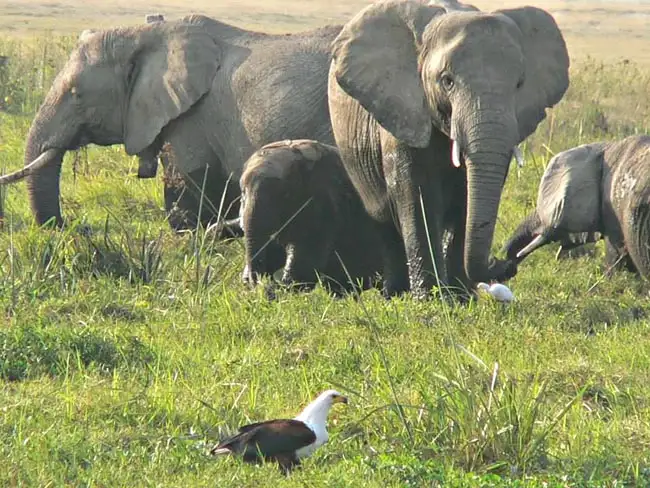
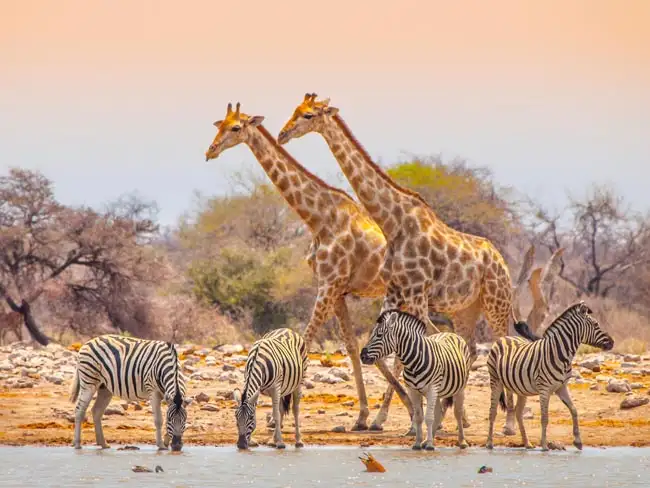
We enjoy lunch at the lodge overlooking the river, offering continued wildlife viewing while we eat. The afternoon brings a different perspective as we board open but covered safari vehicles for a game drive into the park. Chobe is home to approximately 70,000 elephants, and we're likely to encounter some of these massive herds, along with buffalo, sable, wildebeest, and giraffe. With some luck, we might spot resident lions or hyenas as well.
The day ends with our return to Zimbabwe, arriving back at Victoria Falls in time for dinner on your own, giving us the chance to explore local restaurants.
Overnight in Victoria Falls (dinner on your own this evening).
Included Meal(s): Breakfast and Lunch - Day 13:Victoria Falls, Zimbabwe - Fly to Johannesburg, South AfricaWe fly from Victoria Falls back to Johannesburg on variable schedules, returning to South Africa's economic centre.
We're back in the familiar territory of Sandton, the financial district that has become Johannesburg's new heart. Once primarily residential suburbs north of the city, Sandton transformed during the 1990s into a gleaming business hub with high-rise towers, upscale shopping centres, and international hotels—often called "Africa's richest square mile." The contrast with our days at Victoria Falls is immediate: from the natural drama of the Zambezi to the urban energy of commerce and development.
Overnight in Johannesburg (Sandton).
Included Meal(s): Breakfast and Dinner - Day 14:Johannesburg & SowetoSoweto is actually one of Africa's largest cities, with an estimated two million residents, though its history carries some of the continent's most difficult chapters. The name simply stands for South Western Township, reflecting its location outside Johannesburg. This was where thousands of Black workers were forced to live to provide labour for the gold mines, and where some of the most significant events in the struggle against apartheid took place.
Our tour reveals Soweto's complexity—affluent neighbourhoods exist alongside shanty towns, and we visit Baragwanath, one of the world's largest hospitals. We see the former homes of Nobel Laureates Desmond Tutu and Nelson Mandela, and stop at the Hector Pietersen Memorial to learn about the 1976 Soweto Uprising, when student protests against inferior education led to nationwide demonstrations.
The Apartheid Museum provides a compelling and necessary experience. Large photographs, metal cages, and monitors with continuous footage transport us to the townships of the 1970s and 1980s. We can almost feel ourselves dodging police bullets or tear gas canisters, or marching alongside thousands of school children in their fight for justice.
Before returning to Sandton, we get a panoramic view of central Johannesburg, seeing how the city has evolved from its gold rush origins into today's commercial hub.
Overnight in Johannesburg (Sandton).
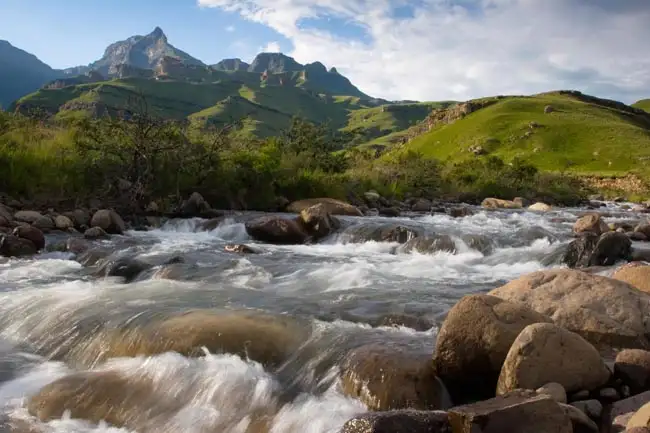
Included Meal(s): Breakfast and Dinner - Day 15:Johannesburg - the 'Panoramic Route' - HazyviewLeaving Johannesburg, we head through the vast wilderness of Mpumalanga, the "Land of the Rising Mist." The landscape transforms as we travel from the grasslands of the High Veld, with its large farms and ranches, down to the drier Low Veld with its rocky hills and acacia scrub forest. This expansive terrain of mountains, valleys, rivers, waterfalls, and ancient forests carries the history of pioneers and fortune-seekers in its many Gold Rush towns and farming communities.
We pass through Lydenburg, the "town of suffering" established by Voortrekkers in 1849, which sits at the bottom of Long Tom Pass. The pass earned its name from the large artillery piece used by Afrikaners during the Anglo-Boer War and ranks among the country's most scenically dramatic mountain routes, connecting Sabie on the escarpment with Lydenburg on the Drakensberg plateau.
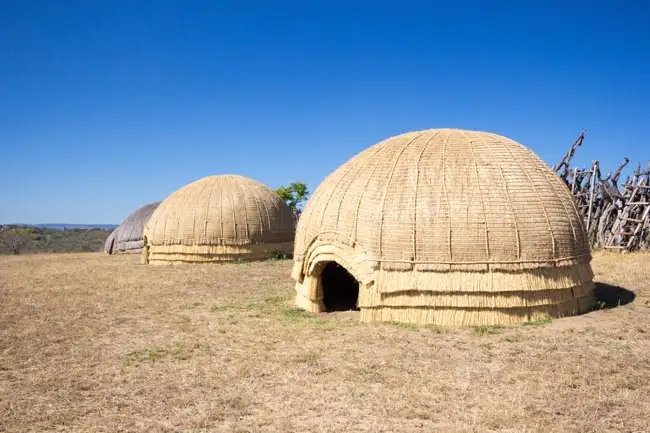
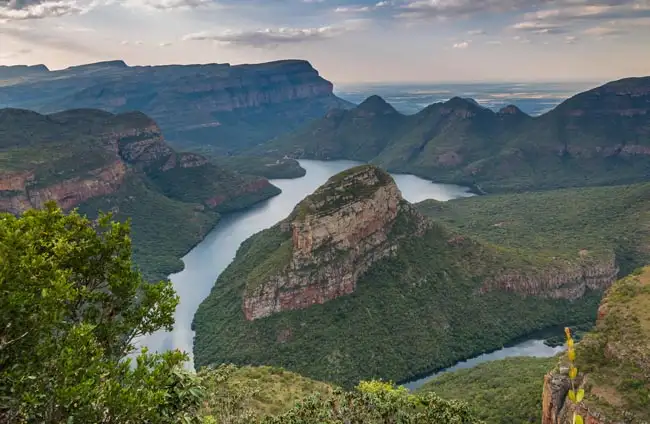
The day's highlight comes at the Blyde River Canyon, where the great escarpment creates some of Africa's most spectacular scenery. The canyon's cliffs rise 600-800 metres (2,000-2,640 feet) from the river bed, and at the Three Rondavels viewpoint, we see three enormous rock spirals rising from the canyon's far wall, their tops resembling the rounded roofs of traditional African huts.
Nearby, Bourke's Luck Potholes show what decades of swirling water can accomplish. Where the Treur River meets the Blyde River, the constant tumult has created extensive erosion over time, resulting in a series of cylindrical rock sculptures that look almost lunar in their otherworldly appearance.
From here, we continue to Hazyview, our base for exploring Kruger National Park.
Overnight in Hazyview.
Included Meal(s): Breakfast and Dinner - Day 16:Kruger National ParkAn early start takes us to South Africa's flagship wildlife reserve, transferring to open safari vehicles as we enter Kruger National Park. The early start isn't mere logistics—these predawn hours offer the best wildlife viewing as animals emerge in cooler temperatures and big cats return from nocturnal hunts.
Kruger stands among Africa's greatest conservation success stories. Paul Kruger, president of the South African Republic, first proposed protecting this area in the 1890s when uncontrolled hunting threatened to exterminate entire species. What became a national park in 1926 now encompasses nearly 20,000 square kilometres—roughly the size of Israel—supporting more wildlife diversity than any other African reserve.
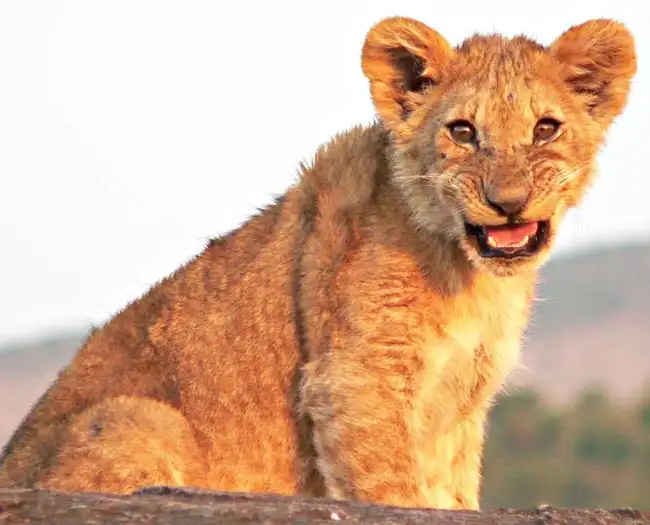
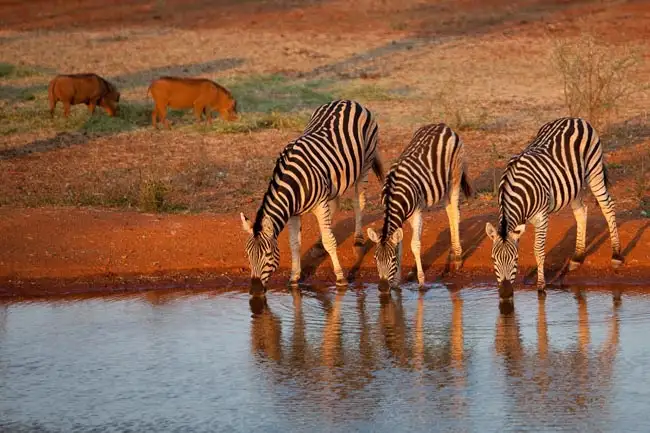
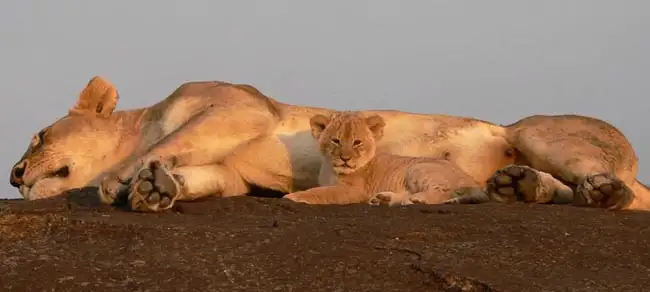
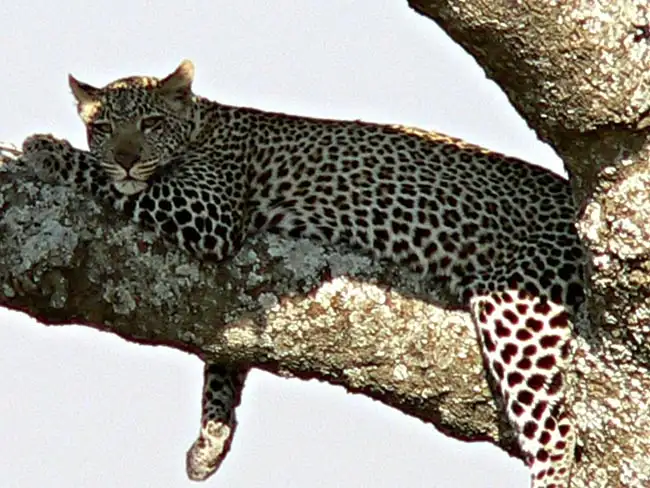
The statistics tell only part of the story: 147 mammal species, 500 bird species, 114 reptile types. What matters is being here, dust rising as we scan the bush for movement. A pride of lions rests in dappled shade, their bellies full from a recent kill. Elephants cross the road ahead, moving with surprising grace. At a waterhole, zebras and wildebeest drink nervously while scanning for crocodiles. A leopard drapes itself along a branch, barely visible in mottled light.
The southern sector features diverse landscapes: open savannah transitions to dense riverine forest, rocky kopjes rise from the plains, and seasonal rivers create green corridors. What ecologists call "edge habitat"—where different environments meet—often yields the most exciting sightings.
Our experienced guides read the landscape, following alarm calls and checking fresh tracks in the dust. We stop frequently, engines off, absorbing the sounds and rhythms of the African bush. By day's end, we return to Hazyview with a deeper appreciation for why conservation matters.
Overnight in Hazyview.
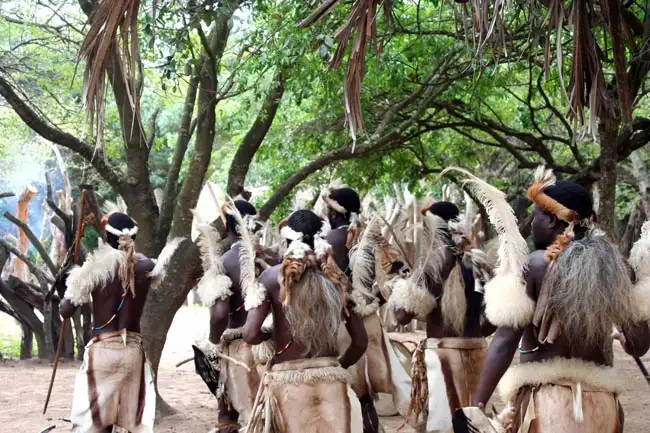
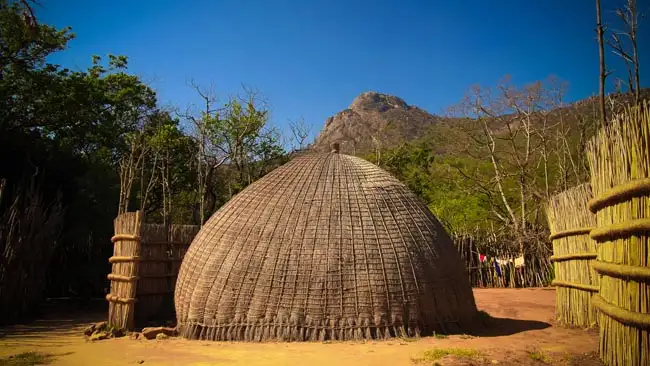
Included Meal(s): Breakfast and Dinner - Day 17:Hazyview, South Africa - Mbabane, Eswatini (Swaziland)Today's journey takes us south toward the Kingdom of Eswatini, formerly Swaziland, an independent country completely surrounded by South Africa and Mozambique—actually smaller than Kruger National Park. Before crossing the border, we visit Matsamo Cultural Village, a traditional Swazi village that demonstrates the country's rich cultural heritage. Our guided tour introduces us to Swazi customs and traditions, followed by a traditional lunch and opportunities to interact with villagers, providing insights into daily life and cultural practices.
Entering Eswatini, we notice the country's natural beauty immediately—majestic mountains form backdrops to our journey through this landlocked kingdom. As one of Africa's last remaining monarchies, Eswatini offers glimpses into traditional African culture where life moves at a relaxed pace and many customs remain unchanged. The route to Mbabane, the capital, passes through rural landscapes where local people tend farms and herds, living in harmony with the land.
Before reaching our hotel, we stop at Ngwenya Glass, a pioneering glassblowing operation that has created exquisite glass art since the 1980s. Originally founded as a Swedish aid initiative, Ngwenya Glass has evolved into a thriving enterprise that supports local conservation programmes while producing stunning glassworks. All pieces are crafted from 100% recycled glass, reflecting the organization's commitment to sustainability. We watch skilled artisans shape and blow glass into intricate forms, demonstrating techniques passed down through generations.
Overnight in/near Mbabane.
Included Meal(s): Breakfast, Lunch and Dinner - Day 18:Mbabane, Eswatini - Mkuze Game Reserve, South AfricaLeaving our hotel, we travel south and descend onto the Swazi Lowveld, which shares similar climate and vegetation with the lowveld regions we experienced in South Africa around Kruger Park. Before departing the kingdom, we visit Swazi Candles, where artisans create both traditional paraffin wax candles and 100% organic soya candle tea lights. The colourful, handmade product range includes wax-encased LED lights, pure vegetable glycerine soaps, and marula oil body balm. We interact with the craftspeople as they demonstrate their techniques.
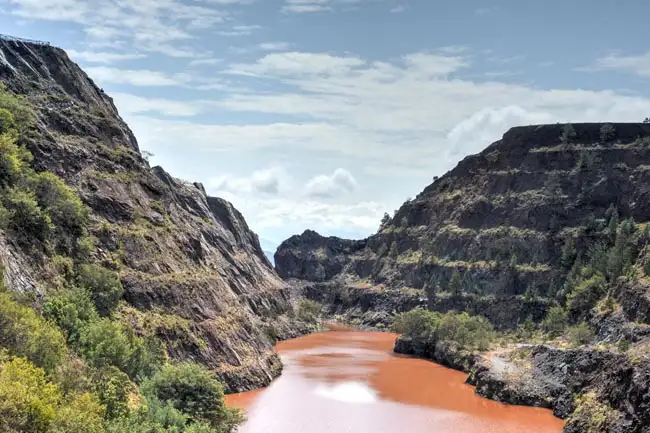
Our route continues through sugar cane plantations and the bustling commercial centre of Manzini before crossing back into South Africa and KwaZulu-Natal province. Our destination is Mkuze Game Reserve, which boasts exceptional habitat diversity: from the eastern slopes of the Lebombo Mountains along its boundary to broad stretches of acacia savannah, swamps, various woodlands, and riverine forest. The reserve also contains rare sand forest, creating conditions that support more than 420 different bird species—making it renowned among ornithologists.
We enter the park for an afternoon game drive, exploring the diverse ecosystems that make Mkuze so special. The Mkuze River curves along the reserve's northern and eastern borders, with fig forest stretching along its banks. Fish eagles swoop over the pans, snatching prey they spot from their perches in the fever trees. The reserve sits beneath Ghost Mountain, a former battlefield with a dramatic silhouette resembling an old woman's head. Local legend holds that the mountain contains the tombs of previous chiefs and has been the scene of numerous bloody conflicts, earning its reputation as haunted and the site of paranormal activities.
Overnight in Mkuze.
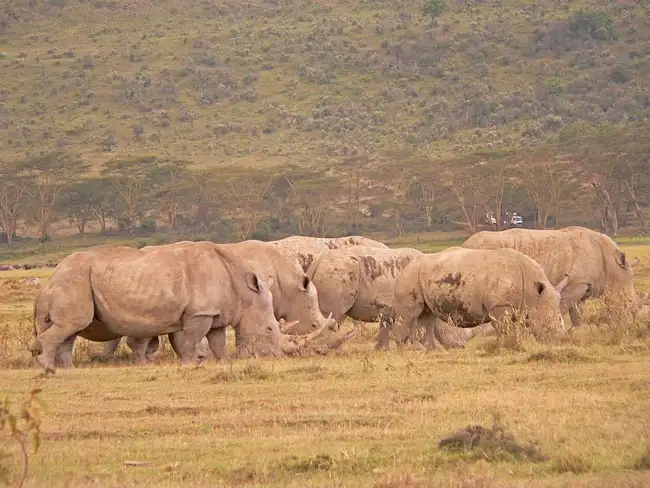
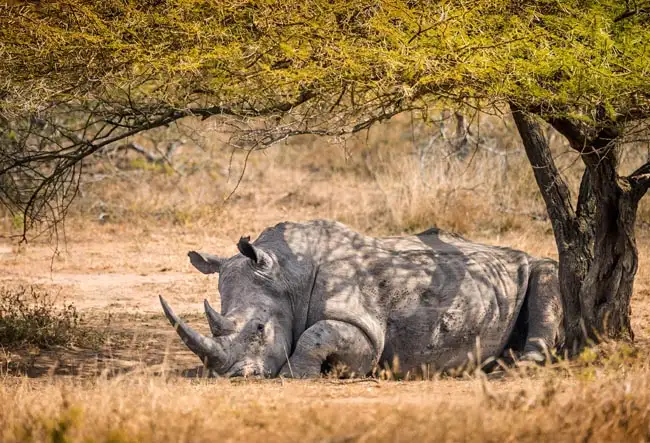
Included Meal(s): Breakfast and Dinner - Day 19:Mkuze - Hluluwle-iMfolozi Game Reserve - Fly to Gqeberha (Port Elizabeth)This morning we leave Mkuze and head to Hluhluwe-Imfolozi Park, the oldest proclaimed nature reserve in Africa. The park is known for its rich wildlife and conservation efforts; this is the only state-run park in KwaZulu-Natal where all of the "big five" wild animals can be found (elephant, rhino, lion, buffalo and leopard).
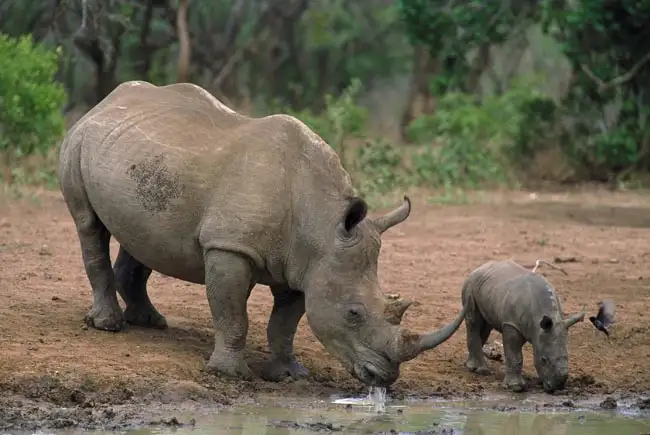
Established in 1895, the park consists of two game reserves – Hluhluwe in the north and iMfolozi to the south, which were joined by a corridor in 1989 to form the current single park. The park is particularly famous for its role in rhino conservation, having been the home of Operation Rhino in the 1950s and 60s, which saved the white rhinoceros from extinction. Due to conservation efforts, the park now has the largest population of white rhino in the world. The park covers 960 km² of hilly topography 280 kilometres north of Durban in central Zululand, and offers visitors self-guided auto trails which provide information on both the management and natural history of this remarkable conservation success story.
We continue by road to Durban, South Africa's "Garden City." The Voortrekkers opened this area to white settlement in the early 19th century, though Portuguese navigators had been sailing this coast since the late 15th century. Vasco da Gama became the first European to sail along this coastline, naming it Natal to commemorate his Christmas Day arrival. The 1899 war between the British and Boers ended in 1910 with reconciliation and the formation of the Union of South Africa—an agreement signed in what is now Durban's modern Main Post Office.
Flight schedules permitting, we may drive through Durban briefly before heading to the airport for our flight to Gqeberha* (formerly Port Elizabeth), South Africa's fifth-largest city and third-largest port. The city's name change reflects its indigenous heritage: "Gqeberha" comes from the Xhosa and Southern Khoe name for the Baakens River flowing through the city.
Occasionally, due to ever-changing flight schedules, we may spend this night in Durban and take the early flight to Gqeberha tomorrow morning.
* The pronunciation can be a bit tricky, as the "Q" represents a "click" sound with the tongue, then 'be' (like bare), and finally 'gha' (similar to the 'G' in Afrikaans + a short 'ah'). If it's easier, the town is also colloquially referred to as "PE."
Overnight in Gqeberha (Port Elizabeth).
Included Meal(s): Breakfast and Dinner - Day 20:Gqeberha - 'The Garden Route' - Knysna OR GeorgeOur journey along the world-famous Garden Route begins this morning, following a path parallel to the ocean through landscapes featuring lakes, mountains, beaches, and steep cliffs. This section resembles the Oregon coast with its sand dunes and excellent surf beaches. We stop for lunch at Storms River Mouth in Tsitsikamma National Park, located on the Indian Ocean shores. Here we can walk a short section of the renowned Otter Trail, widely considered one of the world's finest hiking routes, stretching 41 km (25 miles) over five days from Storms River Mouth to Nature's Valley.
Continuing to Knysna, we arrive in a charming coastal town offering tremendous water and mountain views alongside a relaxed lifestyle. George Rex founded the town in 1817—he was reputed to be an illegitimate son of King George III. Initially established as a timber port around its picturesque lagoon, Knysna has evolved into a town with a riviera atmosphere, complete with sidewalk cafés and shops that invite leisurely exploration.
Depending on accommodation availability, we may overnight in Knysna or continue to nearby George.
Overnight in Knysna or George.
Included Meal(s): Breakfast and Dinner - Day 21:Knysna OR George - Mossel Bay - OudtshoornOur morning takes us down the coast to Mossel Bay, where Portuguese explorer Bartolomeu Dias arrived on February 3, 1488, proving to his sponsors that Africa had a southern tip and making it theoretically possible to sail from Europe to India. We visit the Dias Museum Complex, marking the spot of this historic landing. The 500-year-old Post Office Tree, now a national monument, still stands at the site, housing a post box shaped like a shoe.
We then head inland over the Outeniqua Mountains to the Little Karoo (Klein Karoo), a semi-arid yet fertile valley surrounded by formidable mountain ranges. This region serves as South Africa's ostrich capital, with thousands of these unusual birds dotting fields throughout the area. At the turn of the century, ostrich feathers were so fashionable that demand created wealthy "feather barons" who built magnificent mansions known as "Feather Palaces." This fine architecture remains visible around the pleasant town of Oudtshoorn.
Our day includes a tour of one of the area's ostrich "show farms," where we learn about these remarkable birds and their role in the region's economy and history.
Overnight in Oudtshoorn.
Included Meal(s): Breakfast and Dinner - Day 22:Oudtshoorn - Swellendam - Cape TownFrom Oudtshoorn, we travel through the Huis River Pass with its striking rock formations and the farming town of Ladismith, named after the Spanish wife of British Cape Governor Sir Harry Smith. We cross our second mountain range of the day to reach Swellendam, South Africa's third-oldest colonial town, established in 1745. The town features several buildings in the charming Cape Dutch style, characterized by whitewashed walls and black thatched roofs.
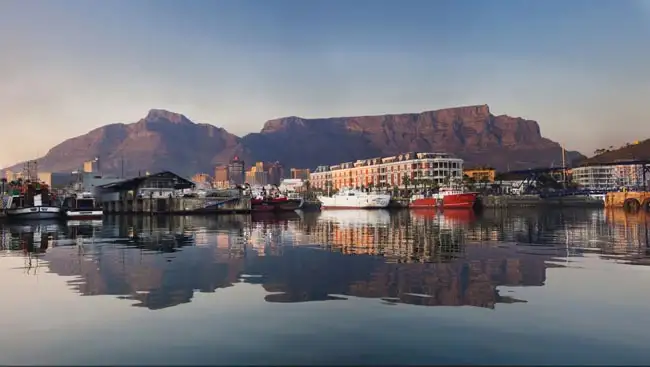
Our route continues through vast wheat-growing and sheep-farming areas on the way to Cape Town. In the late afternoon, we cross the Hottentots Holland Mountains—our third mountain range of the day—through the centre of South Africa's apple-growing region. This brings us to Cape Town, one of the world's most isolated and beautiful cities.
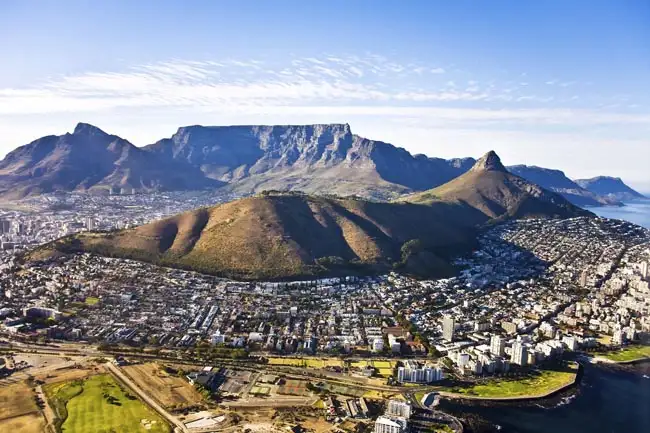
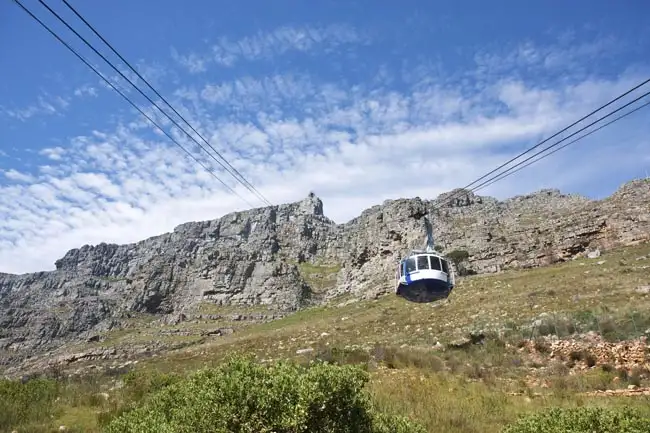
Weather permitting, we take a gondola trip to the top of Table Mountain, a sandstone plateau rising above the city. The flat top stretches approximately 3 km (1.9 miles) wide, reaching its highest point at Maclear's Beacon at 1085 metres (3,580 feet). Over the centuries, this formation has become one of South Africa's most recognizable landmarks. The steep cliffs and rocky outcrops support various animals and approximately 1,470 plant species—more than the entire British Isles. If weather does not permit, we'll try to accomplish this excursion elsewhere in our program,.
Overnight in Cape Town.
Included Meal(s): Breakfast and Dinner - Day 23:Cape Town: Robben Island & City TourOur morning begins with a ferry crossing to Robben Island, the UNESCO World Heritage Site that stands as one of South Africa's most significant historical landmarks. The island has served various purposes over five centuries—Dutch and British colonial governments used it as a prison, hospital, and military base, but its role as a maximum security prison during apartheid made it internationally known.
The 3.5-hour excursion includes a guided tour often led by former political prisoners, adding profound personal testimony to the experience. We visit the limestone quarry where Nelson Mandela and others performed hard labor, damaging their eyesight in the blinding glare. The isolation section, with its tiny cells, reveals the harsh conditions freedom fighters endured. Cell No. 5, where Mandela spent 18 of his 27 years in prison, remains preserved exactly as it was—a small space with only a mat, blanket, and bucket.
Returning to Cape Town, we take a comprehensive city tour. We see the Houses of Parliament, where South Africa's democracy now functions, and City Hall, from whose balcony Mandela addressed throngs of supporters after his 1990 release. The Company's Garden, originally established by Jan van Riebeeck in 1652 to supply ships, now serves as the city's green heart.
We drive through Bo-Kaap, the historic Cape Malay Quarter, where brightly painted houses line the cobbled streets and the community maintains traditions brought by enslaved people from Southeast Asia centuries ago. The Cape Malay people contributed significantly to Cape cuisine, architecture, and culture, their colorful homes a deliberate celebration of freedom after apartheid's Group Areas Act forced many from their neighbourhoods.
Overnight in Cape Town.
Included Meal(s): Breakfast and Dinner - Day 24:The Cape WinelandsWe leave Cape Town for the Boland, the "Upper Land," where mountain ranges create sheltered valleys perfect for viticulture. Our destination is Stellenbosch, South Africa's second-oldest colonial town and the heart of the wine region. Founded in 1679 by Governor Simon van der Stel, the town evolved from a simple outpost into an elegant university center with a sophisticated food and wine culture.
Walking through Stellenbosch's historic core, we see some of the country's finest Cape Dutch architecture lining oak-shaded streets. The distinctive style—whitewashed walls, ornate gables, and thatched roofs—developed here over centuries, adapting European building traditions to African conditions and materials. The university, established in 1918, transformed the town into an intellectual center, though its complicated history as an Afrikaner institution during apartheid adds layers to its story.
The Cape Winelands originated here with Jan van Riebeeck's first vineyard in 1655, expanding dramatically when French Huguenot refugees arrived in 1688 with viticulture expertise and vine stock from their homeland. The region's Mediterranean climate, varied soils, and mountain microclimates produce exceptional wines across the spectrum—from crisp Sauvignon Blancs to bold Pinotages and elegant Cabernet Sauvignons.
We visit one of the historic wine estates for a cellar tour and tasting, learning how Cape wines compete on the global stage. The wine estates themselves are remarkable: many occupy old Cape Dutch homesteads with elaborate gables, surrounded by vineyards that climb toward dramatic mountain backdrops. We enjoy lunch at one of these estates, where contemporary Cape cuisine pairs with wines produced on the property, before our scenic return to Cape Town through valleys lined with vineyards and historic manor houses.
Overnight in Cape Town (Dinner on your own this evening)
Included Meal(s): Breakfast and Lunch - Day 25:Cape Town: the Cape PeninsulaToday brings our quintessential full-day Cape Peninsula tour, taking us south along the Atlantic Seaboard past Cape Town's most affluent neighbourhoods set against mountain and coastal scenery. We make a photo stop before Camps Bay, where the classic view shows the town with the 'Twelve Apostles' peaks as backdrop.
Continuing through Hout Bay, we tackle Chapman's Peak Drive, one of the world's most spectacular marine routes. The 9 km road includes 114 curves as it hugs the rocky coastline 593 metres above the sea, offering dramatic views at every turn.
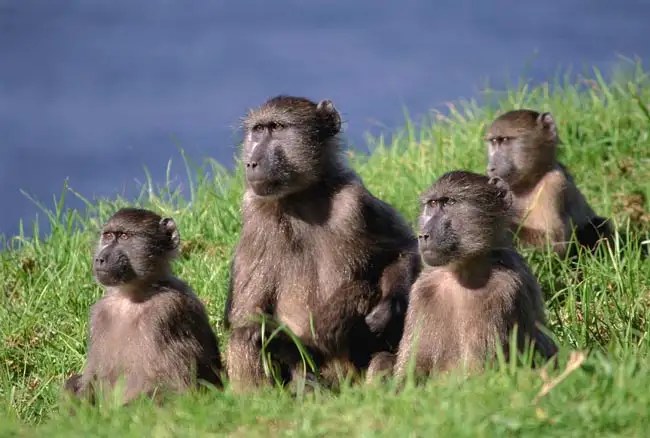
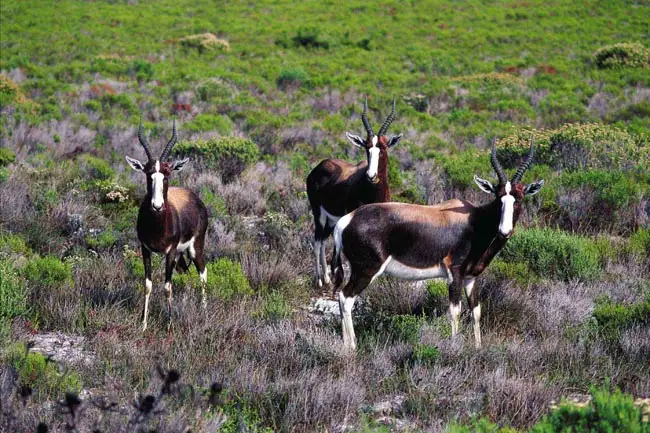
Our destination is the Cape of Good Hope Nature Reserve and Cape Point. The reserve encompasses 77 square kilometres of wildflower, bird, and animal paradise, supporting wildlife including eland, springbok, bontebok, baboons, and zebra. We visit Cape Point and the Cape of Good Hope, the most southwesterly point on the African continent, where the cold Atlantic and warmer Indian Ocean waters meet.
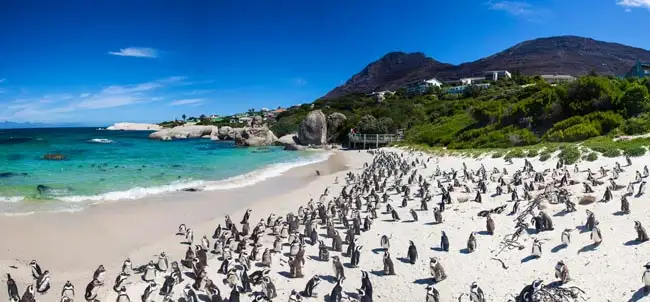
After lunch and free time at Cape Point, we head north along the Indian Ocean side through Simonstown, founded by the Dutch in 1741 as a naval depot. The town retains distinctly English architecture and atmosphere from its later British colonial period. Depending on season, we may stop at Boulders Beach to observe a colony of African penguins in their natural habitat.
We complete our peninsula loop through Constantia and visit the National Botanical Gardens at Kirstenbosch, home to over 4,000 species of indigenous plants. The garden occupies land cultivated since the 1660s when Governor Jan van Riebeeck planted a barrier of Wild Almonds—part of this historical hedge remains today.
Overnight in Cape Town.
Included Meal(s): Breakfast and Dinner - Day 26:DepartureOur Southern African adventure concludes with departure from Cape Town.
Bon Voyage!
Included Meal(s): Breakfast
Countries Visited: Eswatini, Kenya, South Africa, Tanzania and Zimbabwe
*The red tour trail on the map does not represent the actual travel path.
Book This Tour
- Final payment: Due 90 days prior to departure.
- Deposit: A non-refundable $500 CAD Deposit is required at booking.
- Internal Flight Taxes: An extra $482 CAD applies for taxes and fees on tour flights. The internal airfares are included, but taxes are listed separately as they may change. Exceptions are noted in Red.
- Optional Single Supplement: $3710 CAD (number of singles limited).
(View options forsingle travellers) - Upon 'guarantee,' we will require an additional pre-payment of $1000 per person to cover the internal flights included on the tour. Once paid this amount becomes 100% non-refundable & non-transferrable.
Prices below are per person, twin-sharing costs in Canadian Dollars (CAD). Pricing does not include airfare to/from the tour and any applicable taxes.
Frequently Asked Questions
- What is the maximum number of participants on a trip?Most of our tours carry a maximum of 18 participants; some tours (ie hiking tours) top out at 16. In the event that we do not achieve our minimum complement by our 90-day deadline, we may offer group members the option of paying a "small-group surcharge" as an alternative to cancellation. If all group members agree, we will confirm the trip at existing numbers; this surcharge is refundable in the event that we ultimately achieve our regular minimum. If the small group surcharge is not accepted, we will offer a refund of your deposit or a different trip of your choice.
- Can I extend my tour either at the beginning or end? What about stopovers?Yes, you can extend your tour either at the beginning or the end and we can book accommodation in our tour hotel. Stopovers are often permitted, depending on air routing. Stopovers usually carry a "stopover" fee levied by the airline.
- How do I make a reservation? How and when do I pay?The easiest way to make a reservation is via our website; during office hours, you are also more than welcome to contact us by telephone.
A non-refundable deposit is payable at the time of booking; if a reservation is made within 90 days, full payment is required. Some trips require a larger deposit. If international airline bookings require a non-refundable payment in order to secure space or the lowest available fare, we will require an increase in deposit equal to the cost of the ticket(s).
Early enrolment is always encouraged as group size is limited and some trips require greater preparation time.
Once we have received your deposit, we will confirm your space and send you a confirmation package containing your trip itinerary, any visa/travel permit related documents, invoice, clothing and equipment recommendations, general information on your destination(s), and forms for you to complete, sign and return to us. Your air e-tickets (if applicable), final hotel list, final trip itinerary, and instructions on how to join your tour, will be sent approximately 2-3 weeks prior to departure. - What about cancellations, refunds, and transfers?Please review our cancellation policy page for details.
- I am a single who prefers my own room. What is a single supplement?All of our tours have a single supplement for those who want to be guaranteed their own room at each location.
This supplement is a reflection of the fact that most hotels around the world do not discount the regular twin-share rate for a room by 50% for only one person occupying a room. Most hotels will give a break on the price, but usually in the range of 25-30% of the twin-share rate. This difference, multiplied by each night, amounts to the single supplement.
The conventional amount can also vary from country to country and some destinations are more expensive than others for single occupancy. In order to be "single friendly," the supplements we apply are not a profit centre for us and we do our best to keep them as reasonable as possible.
On most tours we limit the number of singles available, not to be punitive, but rather because many hotels allow for only a limited number of singles; some smaller hotels at remote locations also have a limited number of single rooms available.
Please note that most single rooms around the world are smaller than twin-share rooms and will likely have only one bed. - Do you have a shared accommodation program?Yes! If you are single traveller and are willing to share, we will do our best to pair you with a same-gender roommate. Please note that should we fail to pair you, we will absorb the single supplement fee and you will default to a single room at no extra charge.