HOLIDAY HOURS: We will be closed for the New Year holiday from 3:00 pm PST on Wednesday the 31st and will be back to full operation at 9:00 am on Friday January 2nd. Wishing you all a safe and adventurous 2026!


Book 24/7 via this website; contact 1800 665 3998 or sales@adventures-abroad.com to reach out.

ANNOUNCEMENT
Small Group Experiential Travel
31 Day Australia & New Zealand Tour

31 Day Australia & New Zealand Tour

Lands of the Southern Cross
Tour Code
AU2
When To Go
Oct
Start
Melbourne (MEL)
End
Christchurch (CHC)
Countries Visited (2)
Australia, New...More >
Overnight In (18)
Sydney, Melbou...More >
Activity Level
2 - Moderate?
Tour Type
Cultural?
  • Overview
  • Info & Inclusions
  • Itinerary
  • Map & Hotels
  • Photos
  • Dates & Prices
Highlights
  • Max Group Size 18
  • Melbourne: City Tour
  • Cairns: Great Barrier Reef Cruise
  • Darwin & Kakadu National Park
  • The 'Red Centre'
  • Waitomo Caves
  • Rotorua: Whakarewarewa Thermal Reserve
  • Wellington: Te Papa Museum
  • Doubtful OR Milford Sound cruise
  • Mt Cook scenic overflight
  • Singles friendly
    (view options for single travellers)


Description
With a thoughtfully crafted itinerary, this tour showcases the very best of Australia and New Zealand's diverse landscapes and cultural treasures. From Melbourne's elegant Victorian streets to the glacial peaks of Mount Cook, this adventure leads through ancient Aboriginal sites, pristine coral reefs, thermal wonderlands, and alpine fjords. A major highlight is the Red Centre of Australia, a timeless wilderness steeped in indigenous heritage—featuring the sacred monolith of Uluru, the rugged MacDonnell Ranges, and the cultural richness of Alice Springs. We explore the underwater paradise of the Great Barrier Reef, witness the geothermal marvels of Rotorua, and discover New Zealand's dramatic landscapes from the glowworm caves of Waitomo to the windswept beauty of Doubtful Sound. The tour concludes with scenic rail journeys through the Southern Alps and wildlife encounters on the Otago Peninsula, offering a final flourish to this richly rewarding antipodean experience.
Price Includes
  •  
    Meals
    Savour authentic flavours with included daily breakfasts and dinners at hotels or handpicked local restaurants—immersing you in local cuisine without worrying about reservations or budgets.
  •  
    Transport & Logistics

    Private air-conditioned coaches and included internal ferries and flights—ensuring hassle-free travel so you can focus entirely on the discoveries ahead.

    "Adventures Abroad tour leader's management and guest services managed the tour with great skill and dedication. The tour leader was on top of every move and transfer. We have not experienced any issues with logistics and had a great time."
    ~ JULIA O

    "The tour leader did an excellent job coordinating some difficult travel logistics, power outage issues and resolving problems and dealing with guests who had unrealistic expectations."
    ~ CYNTHIA COLLINS

  •  
    Expert Guidance

    Unlock insider secrets at every landmark with your full-time Tour Leader and expert local guides , all gratuities covered—no hidden tipping surprises—so you immerse fully in your destination's stories, worry-free. (Except for the tips to your tour leader at the end of your tour.)

    "Amazing tour guide. Our tour guide was very well organized, Her passion, knowledge, and enthusiasm completely transformed the travel experience into something truly unforgettable..."
    ~ MELANIE LEMAIRE

    "Highly recommend every trip with Adventures Abroad. It's a well organized and well thought out adventure. The tour leaders are friendly, knowledgeable and experienced professionals. Highly recommend this company."
    ~ SUSAN WALL

  •  
    Sightseeing & Entrances
    All entrance fees for sites visited as per the itinerary—no hidden costs—so you can explore ancient ruins and excursions with complete peace of mind.
  •  
    Accommodations
    Unwind in clean, well-located 3 to 4-star hotels with private en suite facilities—handpicked for comfort and convenience after each day's discoveries—so you can rest easy knowing your stay supports the real adventure, not steals the spotlight.
  •  
    Small Group

    Discover the world in small groups of up to 18 travellers plus your expert Tour Leader—unlocking spontaneity, off-the-beaten-path adventures, and genuine connections at a relaxed pace, free from crowds.

    "Looking Forward to My Next Adventure The best feature of the Adventures tour was the small size that allowed the group to quickly load up, let everyone get acquainted within the first 24 hours, capitalize on unplanned surprises along..."
    ~ PHILIP BLENSKI

    "Good value for a great time I have traveled with Adventures Abroad for over 20 years now. Well thought out, interesting itineraries and the other travelers congenial and friendly. The price always seems fair and overall a..."
    ~ Trusted Customer

  •  
    Airport Transfers For Land & Air Customers
    We handle hassle-free airport transfers for all our land and air tour customers—plus early arrivals or late departures when you book extra hotel nights directly with us for added peace of mind.


Exclusions
  • International airfare to/from the tour.
  • Tour Leader gratuity, most lunches, drinks, personal items (phone, laundry, etc), departure taxes, domestic and international air taxes (if applicable).
  • Airport transfers for Land Only customers.
  • Optional trip cancellation insurance. Our post-reservation trip notes offer further guidance on optional meal costs, shopping, and locally paid departure taxes.
  • PLEASE NOTE: The linking flight between Australia & New Zealand is not included in the tour price. If you book your international air with Adventures Abroad, we will include this segment in your ticket. If you book your own flights to/from the tour, we can include this flight for an additional cost (contact us for current rate).


Trip Info
  • Seasonality and Weather:
    February/March Departures (Australian Summer/Early Autumn, New Zealand Summer/Autumn):

    February delivers intense Australian heat—particularly challenging in the Red Centre—but rewards those escaping northern winter with peak summer conditions. The tropical regions experience the wet season with dramatic afternoon storms that enhance the rainforest experience, while New Zealand enjoys warm summer weather perfect for outdoor activities and fiord cruising. March marks the transition to more comfortable conditions across both countries, with Australia cooling slightly and New Zealand settling into stable autumn weather with clear skies and comfortable temperatures for hiking and sightseeing.

    Mid-October Departure (Australian Spring, New Zealand Spring):

    This timing provides optimal conditions across both countries. Australia enjoys beautiful spring weather with comfortable temperatures, clear skies in the tropical north's dry season, and ideal conditions in the Red Centre. New Zealand experiences spring's gradual warming with blooming landscapes, fewer crowds, and excellent weather for the South Island's dramatic scenery. Both destinations avoid extreme temperatures while offering stunning seasonal beauty.
  • Transport and Travel Conditions:

    Transportation throughout via a/c private motor coach; all flights booked in economy class with one piece of baggage included. Australia is BIG; some journeys are long but frequent stops are made for photos and refreshment. In New Zealand we have a private air-conditioned motor-coach and one flight.

    This ambitious itinerary is designed for travellers who crave a comprehensive exploration of these two incredible countries. To cover such extensive territories and offer a well-rounded experience within a reasonable timeframe, expect a dynamic pace. We'll be on the move, with several one-night stays in New Zealand and strategically planned travel days in Australia. This is a 'go-go-go' adventure, ideal for those who thrive on immersive experiences and are eager to embrace the excitement of discovering these diverse landscapes.

    In Australia, we've prioritized efficiency, connecting 'must-see' destinations with logical transport options to minimize time spent in airports and on long road journeys. However, please note that air schedules are always subject to change. This may occasionally result in less-than-ideal connections and necessary adjustments to our standard program.

    While the pace is active, we've balanced exploration with moments to savour each location. Be prepared for full days of travel and sightseeing, as we navigate the breathtaking beauty and sheer scale of New Zealand and Australia. If you're ready for an unforgettable, action-packed adventure, join us as we unlock the wonders of Down Under!


    Am I suitable for this tour? Please refer to our self-assessment form
  • Activity Level: 2
    These are particularly busy tours that feature a lot of moving around, sometimes by train and short journeys on local transport. Walking tours of towns and cities are leisurely but you should be prepared to be on your feet for several hours. Some of our cultural trips that occur at high altitude and/or require greater independence with baggage handling (at hotels, airports, train stations) also fall into this category.

    To learn more about the Activity levels, please visit our tour styles page.
  • Accommodation:
    Well-located, air-conditioned, mid-range (3 star) hotels with en suite toilet and bath throughout (probably shower only). Single rooms are limited and likely smaller than doubles. Porter service is usually available at hotels though you should be independent with your luggage, especially at train stations and airports.
  • Staff and Support:
    Tour Leader, coach captains, local step-on guides in several locales.
  • Group Size:
    Maximum 18 plus Tour Leader
View / Print Itinerary

  • Day 1: 
    Arrival in Melbourne
    Today we arrive in Melbourne, the capital of Victoria.

    This dynamic city grew from a sleepy settlement into a bustling metropolis during the 1850s gold rush, when prospectors flooded the Victorian hills seeking fortune. The wealth transformed Melbourne into Australia's most elegant city, with grand buildings, wide boulevards, and ornate Victorian-era architecture lining the streets. Grand laneways, once bustling with commerce, now house cafés, bars, and street art that give the city its contemporary edge.

    Overnight in Melbourne.


    Included Meal(s): Dinner, if required
  • Day 2: 
    Melbourne: City Tour
    Melbourne boasts broad, tree-lined streets and an air of distinction that sets it apart from other Australian cities. Founded in 1835 when Tasmanian farmer John Batman arrived to establish a settlement, trading blankets and tools with local Aborigines for 500,000 acres of land. The gold rush of the 1850s triggered rapid expansion—by 1861, Melbourne's population had reached 125,000, overtaking Sydney briefly before the northern city regained its lead.

    Today we explore Melbourne's heritage through key landmarks. Fitzroy Gardens, designed in the shape of the Union Jack, provides a manicured oasis in the city centre. Within the gardens sits Cook's Cottage—Captain James Cook's family home, dismantled in Yorkshire and reassembled here in 1934 to mark Victoria's centenary. The cottage offers insight into 18th-century English life, contrasting sharply with the grand Victorian architecture surrounding it.

    The Shrine of Remembrance honours Australian soldiers who served in World War I and subsequent conflicts. Built in classical style with a stone pyramid rising above a sanctuary, the shrine's architecture conveys both solemnity and civic pride. Inside, a Ray of Light illuminates the Stone of Remembrance at precisely 11:00 am on November 11—the moment the Armistice was signed.

    We continue along St Kilda Road past Melbourne University and Parliament House before visiting St Patrick's Cathedral, a Gothic Revival landmark that dominates the skyline and testifies to the city's significant Catholic heritage. The cathedral's spires rise 103 metres above the streetscape.

    Overnight in Melbourne.


    Included Meal(s): Breakfast and Dinner
  • Day 3: 
    Melbourne: the Great Ocean Road
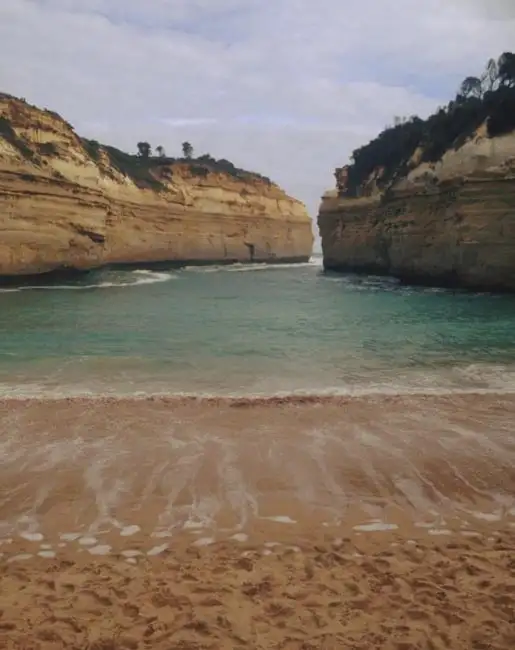
    Today we drive the Great Ocean Road, one of Australia's most iconic coastal routes. Built between 1919 and 1932 by returned World War I soldiers, the road was conceived both as tourist attraction and memorial to fallen comrades. The project employed thousands of veterans using hand tools and horse-drawn carts to carve the route through cliffsides and around headlands—inspired by California's Pacific coast highways but executed under far more challenging conditions.

    The stretch between Apollo Bay and Peterborough earned the name "Shipwreck Coast" for the treacherous waters that claimed over 700 vessels between 1836 and 1932. The combination of reefs, strong currents, and dense fog created deadly conditions for sailing ships navigating these waters before the Otway lighthouse was established.

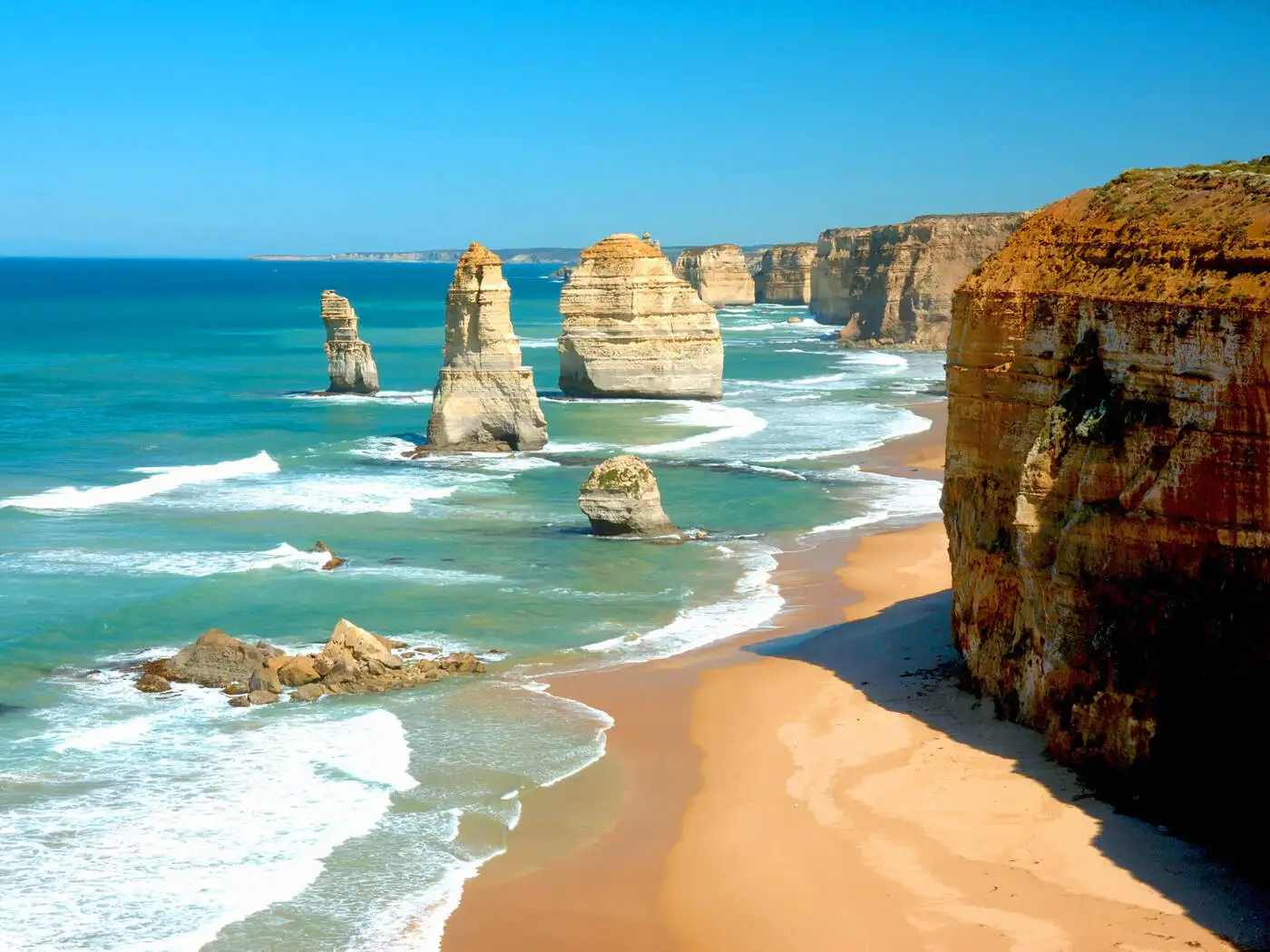
    The Twelve Apostles—towering limestone stacks rising 65 metres/213 feet from the ocean—stand as remnants of a retreating coastline, carved by wind and waves over 20 million years. Despite the name, only eight stacks remain standing today, and erosion continues at roughly 2 centimetres per year. We stop at viewpoints where the rugged cliffs meet crashing surf, the vast Southern Ocean stretching unbroken to Antarctica.

    Overnight in Melbourne.


    Included Meal(s): Breakfast and Dinner
  • Day 4: 
    Melbourne - Fly to Canberra: City Tour
    This morning we fly from Melbourne to Canberra, Australia's purpose-built capital. The city emerged from federation rivalry between Sydney and Melbourne in 1901—creating a new capital would give the nation its own identity while ending the competition between the two dominant cities. An international design competition in 1913 attracted entries from around the world, ultimately won by Chicago landscape architect Walter Burley Griffin and his wife Marion Mahoney Griffin. Their vision centred on geometric patterns and axial alignments connecting civic buildings to natural landscape features.

    We visit the National Capital Exhibition documenting the city's development from sheep paddocks to functioning capital, followed by a guided tour of Parliament House. The distinctly designed building sits partially underground, its roof covered with grass to minimize visual impact on the landscape. The structure opened in 1988 to replace the "temporary" Old Parliament House that had served for 61 years.

    Driving through the embassy district reveals how nations express cultural identity through architecture—from the Thai temple-style embassy to the modernist geometries of others. The Australian War Memorial honours armed forces members who died or served in conflicts involving the Commonwealth. Opened in 1941 during World War II, the memorial includes an extensive military museum and is widely regarded as one of the world's most significant memorials of its type. The site provides valuable insight into ANZAC history and Australia's national identity.

    Overnight in Canberra.


    Included Meal(s): Breakfast and Dinner
  • Day 5: 
    Canberra - Fly to Cairns - Mossman Gorge
    Today we fly from Canberra to Cairns, Queensland. At 1,745,000 square kilometres, Queensland ranks as Australia's second-largest state after Western Australia, more than twice the size of Texas. The coastline extends over 7,500 kilometres when accounting for the Cape York Peninsula and Gulf of Carpentaria. The state began as part of New South Wales, used as a penal colony from 1824 before free settlers—many arriving illegally—transformed it into agricultural centre. By 1859, population growth justified separate colony status. Settlers developed sheep, cattle, wheat, and cash crops including bananas, giving rise to the nickname "banana benders" that other Australians sometimes use for Queenslanders.

    This afternoon we travel to Mossman Gorge and the Mossman Gorge Centre, an indigenous eco-tourism development serving visitors to this World Heritage rainforest. Our Dreamtime Gorge Walk Experience begins with a traditional smoking ceremony—burning native plants to create smoke that cleanses and wards off bad spirits according to Aboriginal tradition. The walk meanders through ancient rainforest past traditional shelters called humpies, while our indigenous guide demonstrates plant uses, identifies bush food sources, and explains the deep relationship between Aboriginal people and this tropical environment. Demonstrations include making bush soaps from native plants and creating ochre paintings using techniques unchanged for thousands of years. We conclude with traditional bush tea and damper, a simple bread cooked over coals.

    Note: Air schedules may require moving this activity to our departure day from Cairns.

    Overnight in Cairns.


    Included Meal(s): Breakfast and Dinner
  • Day 6: 
    Cairns: Reef Cruise
    Today we explore the Great Barrier Reef, the world's largest coral reef system and one of the planet's most extraordinary natural wonders. Stretching over 2,600 kilometres along Queensland's coast and covering approximately 344,400 square kilometres, this colossal ecosystem contains more individual reefs and coral cays than can be precisely counted. The reef's extraordinary biodiversity and ecological significance earned UNESCO World Heritage status in 1981.

    Our reef-equipped vessel offers spacious decks and comfortable interior seating for the journey to the outer reef platforms. A buffet lunch is included, with beverages available for purchase. Snorkeling equipment is provided, and introductory briefings ensure even novice snorkelers can explore safely.

    Descending into the crystal-clear waters reveals an underwater landscape unlike anything on land. Corals in every imaginable hue—electric blues, vibrant purples, soft pinks—create complex structures that provide habitat for thousands of species. Schools of tropical fish dart through the coral formations: parrotfish grazing on algae, angelfish in striking patterns, clownfish sheltering in anemones. Sea turtles glide past gracefully, their flippers propelling them through the water with surprising speed. We may spot reef sharks patrolling the deeper waters or dolphins investigating the boat.

    The reef supports an estimated 1,500 fish species, 400 coral types, 4,000 mollusc species, and countless other marine organisms. Snorkeling here offers direct connection with one of Earth's most complex and fragile ecosystems—a living structure visible from space, built by organisms no larger than a fingernail.

    Overnight in Cairns (dinner on your own this evening).


    Included Meal(s): Breakfast and Lunch
  • Day 7: 
    Cairns: Kuranda Scenic Railway & Skyrail Experience
    Today we venture into the Australian rainforest aboard the Kuranda Scenic Railway, a engineering achievement completed in 1891 after five years of construction through challenging terrain. The train winds through dense tropical forest, crossing bridges and entering tunnels carved through mountainsides. The route passes Barron Falls, which during wet season cascades 265 metres/869 feet down the escarpment, and through Barron Gorge where sheer cliffs rise on both sides of the track.

    Upon arriving in Kuranda village, we have free time to explore the market stalls where local artisans display handcrafted items, Aboriginal art, and tropical produce. The village developed around the railway station, transforming from a remote settlement into a popular mountain retreat.

    The Skyrail experience takes us skyward in gondolas soaring above the rainforest canopy for 7.5 kilometres. This aerial perspective reveals the rainforest's vertical structure—emergent trees breaking through the canopy, the dense middle layer where most wildlife lives, and the shaded forest floor. Two stops along the route allow walks on boardwalks where interpretive displays explain the ecosystem's complexity.

    At Rainforestation Nature Park, the Pamagirri Aboriginal Experience begins with traditional dance performances in a rainforest amphitheater. Dancers in traditional body paint and ceremonial dress perform ancient corroborees—rhythmic movements and chants that convey Dreamtime stories and spiritual teachings passed through countless generations. A 30-minute Dreamtime Walk with our indigenous guide reveals the knowledge systems that allowed Aboriginal people to thrive in these rainforests for over 40,000 years, identifying medicinal plants, food sources, and the interconnections that sustain the ecosystem.

    We enjoy lunch at Rainforestation before returning to Cairns (dinner on your own due to our substantial lunch).

    Overnight in Cairns.


    Included Meal(s): Breakfast and Lunch
  • Day 8: 
    Cairns: Fly to Darwin
    Today we fly to Darwin, the Northern Territory's capital. Isolated from other Australian states, Darwin developed its own distinctive character influenced by Asian cultures—evident in its food scene, bustling markets, and warm hospitality. The city maintains living connections to Australia's Aboriginal history and art heritage, with indigenous communities preserving traditions and customs.

    Darwin's tropical climate fosters an outdoor lifestyle year-round. The city blends old-fashioned frontier spirit with modern metropolitan energy—a place where outback ruggedness meets contemporary vibrancy. Opportunities exist to encounter wildlife including the "Dundees," local crocodile hunters who have become legendary figures in Australian folklore.

    Overnight in Darwin.


    Included Meal(s): Breakfast and Dinner
  • Day 9: 
    Darwin - Kakadu National Park
    Today we drive along the Stuart and Arnhem Highways into Kakadu National Park, a UNESCO World Heritage Site encompassing 20,000 square kilometres of ancient landscapes. The park protects both natural and cultural heritage—Aboriginal people have lived here continuously for at least 65,000 years, making this one of the world's oldest living cultures with direct connection to their ancestral lands.

    At Nourlangie Rock, an Aboriginal living shelter, we explore an area featuring creeks, billabongs, sandy plains, monsoon forests, and sandstone escarpments. This abundant environment has attracted Aboriginal groups for millennia, who established temporary camps to utilize seasonal resources—fish and waterfowl during wet season, yams and bush fruits as they ripened, and game animals year-round. Ancient rock paintings depicting barramundi, turtles, goannas, and human figures offer insights into daily life, spiritual beliefs, and the animals that sustained people. Some paintings are recent, refreshed within living memory, while others date back thousands of years. Signs and displays explain the art styles and landscape features, enhancing our understanding of this significant cultural site.

    The Warradjan Aboriginal Cultural Centre provides deeper context through interactive exhibits showcasing Bininj/Mungguy people's traditions, customs, and artistic expressions—illuminating their relationship with the land, seasonal movement patterns, and the knowledge systems that allowed them to thrive in this challenging environment.

    After lunch, we cruise Yellow Waters Billabong through the South Alligator River floodplain. During wet season, this area transforms into vast shallow lakes; by dry season it contracts to permanent billabongs where wildlife concentrates. As we glide through tranquil waters, we observe waterbirds—jabirus, magpie geese, egrets—and raptors including sea eagles and kites hunting from the air. With luck, we may spot saltwater crocodiles lurking in the shallows, only their eyes and nostrils visible above the waterline.

    Overnight in Kakadu.


    Included Meal(s): Breakfast and Dinner
  • Day 10: 
    Kakadu Touring - Darwin: City Tour
    Venturing deeper into Kakadu, we reach Ubirr, a renowned Aboriginal rock art site that served as both shelter and canvas for countless generations. A moderate walk leads to lookouts overlooking the Nadab floodplain, where views extend across wetlands to Arnhem Land escarpment. The rock art galleries showcase indigenous artistic traditions spanning thousands of years—x-ray paintings depicting fish, turtles, and goannas with their internal organs visible, contact paintings showing European ships with full sails, and dynamic hunting scenes. At the main gallery, a rare painting depicts the thylacine—the Tasmanian tiger—which disappeared from the mainland over two thousand years ago, providing remarkable evidence of the region's ancient ecosystem and the accuracy of Aboriginal artistic observation.

    Optional scenic flight over Twin and Jim Jim Falls is available for those wanting aerial perspectives of Kakadu's most dramatic waterfalls (your Tour Leader can arrange details and pricing). The Wetlands Visitors Centre offers panoramic views and informative exhibits about the region's ecology, seasonal transformations, and Aboriginal management practices.

    Returning to Darwin, we tour the city including Parliament House, a tropical-adapted building with wide verandahs and elevated design. Stokes Hill Wharf buzzes with restaurants and cafes overlooking the harbour, while the Mooring Basin preserves Darwin's maritime heritage. The Botanic Gardens showcase tropical and desert plants adapted to the harsh climate. East Point Reserve provides coastal views and World War II gun emplacements—reminders that Darwin was the only Australian city to suffer sustained attack during the war, enduring 64 air raids between 1942 and 1943. Time permitting, we visit the Museum and Art Gallery of the Northern Territory, exploring Aboriginal art, Southeast Asian maritime connections, Cyclone Tracy exhibits, and natural history collections.

    Overnight in Darwin.


    Included Meal(s): Breakfast and Dinner
  • Day 11: 
    Darwin - Fly to Alice Springs
    Today we fly to Alice Springs, the Northern Territory's central hub. The deep connection to Aboriginal culture is evident throughout—many Aboriginal people work as stockmen on vast cattle stations, preserving traditional ways of life. Rock art, ancient sites, and cultural centres dot the landscape, testaments to their enduring heritage.

    The arid landscape contrasts sharply with coastal Australia: red earth, deep blue sky, and vast open spaces create an otherworldly atmosphere. Alice Springs gained international recognition in 1950 with Neville Shute's novel "A Town Like Alice," later adapted into film. The town's name honours Alice Gray, wife of the telegraph station manager who played a significant role in early development.

    Overnight in Alice Springs.


    Included Meal(s): Breakfast and Dinner
  • Day 12: 
    Alice Springs Sightseeing
    Our Alice Springs tour begins at ANZAC Hill, providing panoramic views across the MacDonnell Ranges. The memorial honours Australians who served in military conflicts, positioned where it overlooks the town from every direction. We visit the Old Telegraph Station, established in 1872 to relay messages along the transcontinental line connecting Adelaide to Darwin and ultimately to London. The station operated until 1932, its stone buildings now preserved as museum demonstrating how the telegraph transformed Australian communications and opened the interior to development.

    The Royal Flying Doctor Service headquarters reveals how medical care reaches Australia's vast outback. Founded in 1928, the service operates aircraft from bases across remote regions, providing emergency response, regular clinic visits to isolated stations, and radio medical consultations. The communications centre coordinates flights across distances where the nearest hospital may be 500 kilometres distant.

    Alice Springs School of the Air has been providing education to children at remote cattle stations, roadhouses, Aboriginal communities, and national parks through satellite broadband since 1951. The broadcast area covers 1.3 million square kilometres across the Northern Territory, northern South Australia, and eastern Western Australia—daily lessons reaching students aged 4 to 13 years scattered across impossibly vast distances. Some students live 1,000 kilometres from the nearest classmate.

    The Alice Springs Desert Park reveals Central Australian desert ecosystems through three distinct habitats. Hundreds of plant and animal species can be observed along walking trails—from desert oaks and spinifex grass to red kangaroos and thorny devils. The nature theatre features free-flying birds of prey demonstrating hunting techniques, while the nocturnal house displays rare and endangered animals including bilbies and mala wallabies. Local guides explain the interlinking relationships between plants, animals, and Aboriginal people. A cinematic presentation traces 4.5 billion years of desert evolution.

    Overnight in Alice Springs.


    Included Meal(s): Breakfast and Dinner
  • Day 13: 
    Alice Springs - Uluru (Ayers Rock)
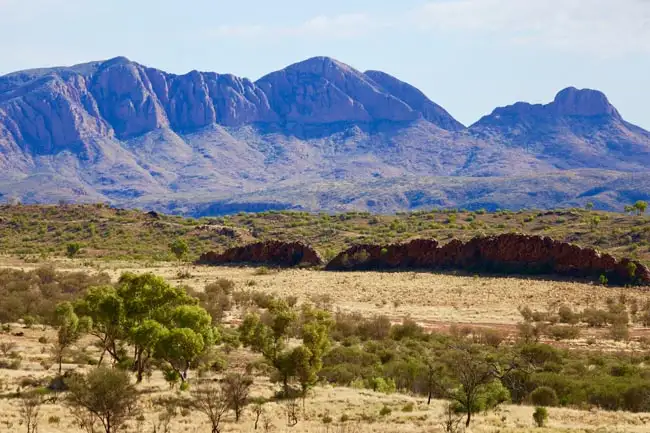
    Today, we have a scenic drive through the Macdonnell Ranges, a rugged mountain range that stretches across the heart of the Australian outback. As we traverse this arid landscape, we witness the dramatic contrast between the red sandstone cliffs and the vast, open plains.

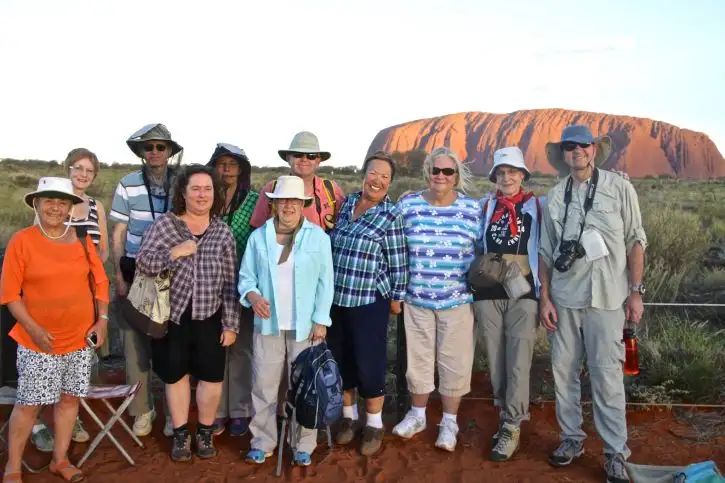
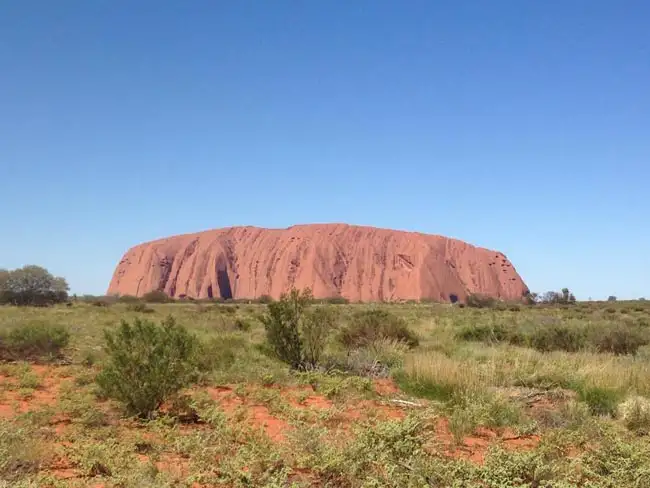
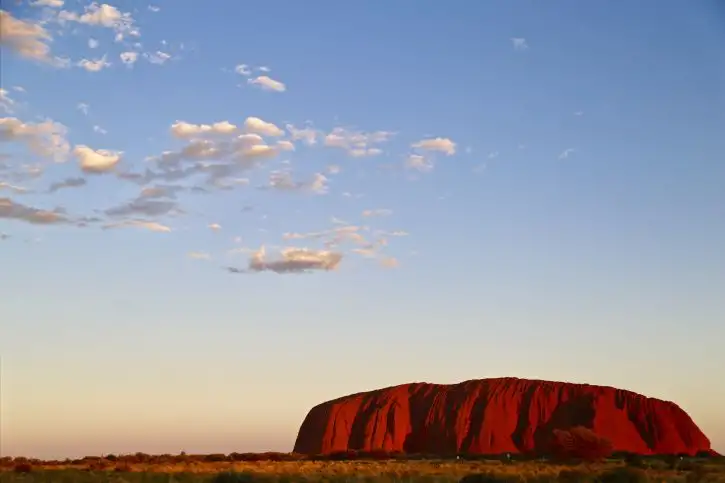
    Our journey culminates at Uluru, a colossal monolith that stands as a testament to the power of nature. This iconic landmark, measuring over 300 meters (1,000 feet) in height and 5 kilometers (3 miles) in length, is a remnant of ancient mountains that have eroded over time, leaving Uluru as a solitary sentinel in the desert. In 1989, scientists made a groundbreaking discovery, revealing that Uluru, the Macdonnell Ranges, and the nearby Kata Tjuta (the Olgas) were once part of a single plateau. This geological connection further highlights the significance of this region as a natural wonder.

    While British explorers had ventured through the Red Centre as early as 1844, Uluru remained relatively unknown until 1873, when it was named Ayers Rock after Sir Henry Ayers, a colonial administrator of the day.

    Upon arriving at Uluru, we embark on a short walk around its base, marveling at its sheer size and the intricate patterns etched into its surface. The changing colours of Uluru, particularly at sunrise and sunset, create a mesmerizing spectacle.

    As the day draws to a close, we head to the sunset viewing area, where we witness one of nature's most breathtaking displays. As the sun dips below the horizon, Uluru is bathed in a kaleidoscope of colors, casting a magical glow over the desert landscape.

    Overnight near Ayers Rock.


    Included Meal(s): Breakfast and Dinner
  • Day 14: 
    Uluru - Fly to Sydney
    We rise before dawn to witness sunrise illuminating the domes of Kata Tjuta, known as the Olgas to early European explorers. As darkness gives way to first light, we tour around the base of these remarkable rock formations. Kata Tjuta comprises 36 conglomerate rock domes spread across 3,500 hectares, the tallest rising 546 metres/1,791 feet—actually higher than Uluru though less famous. The domes form a sacred site for the Anangu people with restricted areas where traditional ceremonies still occur. The name Kata Tjuta means "many heads" in the local language, an apt description of these clustered formations. As sunrise progresses, colours wash across the rock faces—the rounded domes illuminated by horizontal light that reveals their intricate patterns and textures created by water, wind, and sun over millions of years.

    Following our sunrise experience, we return to Ayers Rock Airport and fly to Sydney, Australia's largest city wrapped around one of the world's finest natural harbours. The flight traces the change from desert red to coastal green as we cross the Great Dividing Range.

    Upon arrival, we begin exploring Sydney. Captain James Cook sailed past Sydney Harbour in 1770, spotting the distinctive headlands but missing the vast harbour hidden behind them. The British fleet arriving in 1788 to establish a penal colony discovered this sheltered harbour that would become the foundation of Australian settlement.

    During our stay we visit the Sydney Opera House, a masterpiece of modern architecture whose sail-like shells have become an international icon since opening in 1973. We may take a ferry ride across the harbour for views of the Harbour Bridge—the massive steel arch completed in 1932 that locals call "the Coathanger." The Rocks district preserves Sydney's colonial origins through cobblestone streets, sandstone warehouses converted to galleries and cafes, and pubs operating since the 19th century.

    Overnight in Sydney.


    Included Meal(s): Breakfast and Dinner
  • Day 15: 
    Sydney: City Tour
    Today's touring begins with a scenic cruise on Port Jackson, Sydney's majestic harbour. As we glide through the crystal-clear waters, we are treated to stunning views of the city's skyline, the iconic Sydney Harbour Bridge, and the pristine white sandy beaches that line the harbour. The Sydney Harbour Bridge, affectionately known as "the Coathanger," is a marvel of engineering, spanning one of the harbor's narrowest inlets. As we pass beneath this iconic landmark, we marvel at its impressive scale and architectural elegance.

    Our tour takes us to Bondi Beach, a world-famous destination renowned for its golden sands, turquoise waters, and vibrant beach culture. We also explore the trendy neighborhoods of Paddington and Oxford Street, known for their boutique shops, cafes, and lively atmosphere. King's Cross, another iconic area, offers a glimpse into Sydney's nightlife and entertainment scene.

    If not already visited, one of the highlights of our day is a guided tour of the Sydney Opera House, a UNESCO World Heritage Site and one of the world's most recognizable landmarks. This architectural masterpiece is a testament to Sydney's cultural vibrancy and its status as a global city. As we explore the Opera House, we are treated to a behind-the-scenes experience, gaining access to areas that are normally off-limits to the public. We run our hands over the famous shell tiles, admire the elegant custom-made white birch timber chairs, and marvel at the soaring vaulted ceilings. We explore the various theaters and foyers, imagining the performances that take place within these hallowed halls.

    Overnight in Sydney.


    Included Meal(s): Breakfast and Lunch
  • Day 16: 
    Sydney: The Blue Mountains
    This morning we journey west by coach to the Blue Mountains, named for the ethereal blue haze that blankets the eucalyptus forests. The haze results from oil droplets released by millions of gum trees, the fine mist creating the distinctive blue tinge visible from distance.

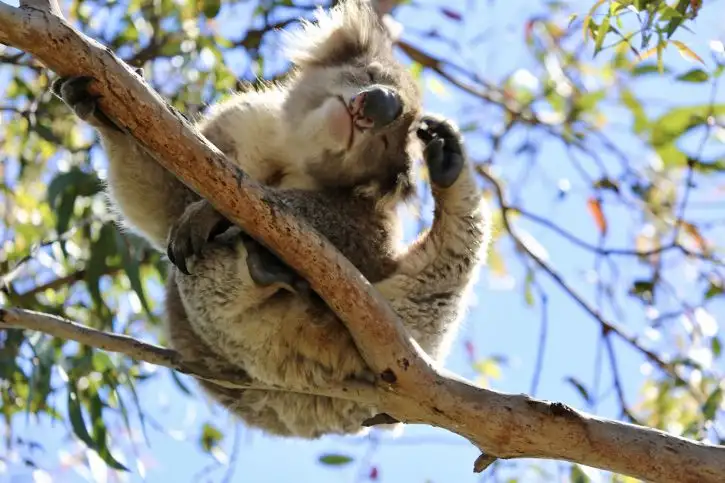
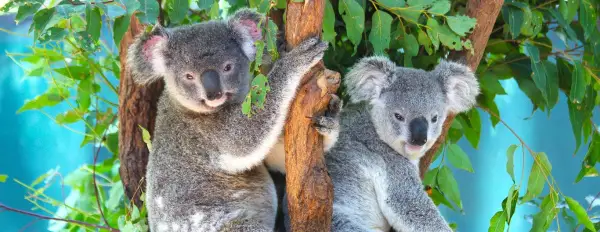
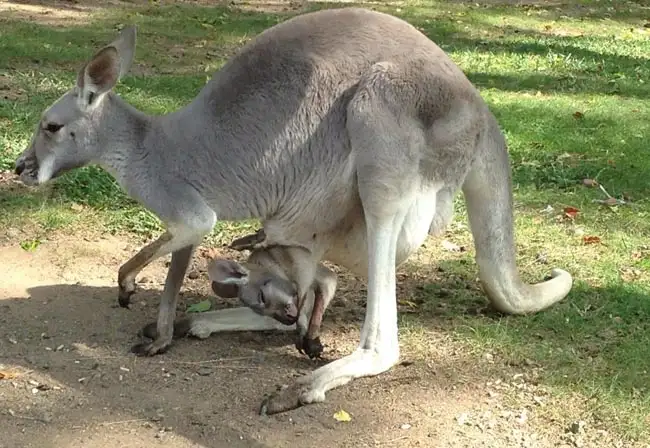
    Our first stop is Featherdale Wildlife Park, where we encounter Australian wildlife difficult to find in the wild: koalas, kangaroos, wombats, wallabies, Tasmanian devils, and dingoes provide intimate glimpses into Australia's unique marsupial evolution. The park maintains breeding programs for endangered species while allowing close encounters impossible in wilderness settings.

    Continuing into Blue Mountains National Park—a UNESCO World Heritage Site protecting over one million hectares—we visit Wentworth Falls Reserve. A short walk brings us to viewpoints where Wentworth Falls plunges 297 metres/974 feet down the escarpment in multiple cascades. The falls were named for explorer William Wentworth, who led the first European party across the Blue Mountains in 1813, finally finding the route west that had eluded earlier expeditions.

    We drive along Cliff Drive, winding through rugged terrain with extensive vistas across the Jamison Valley, reaching the Echo Point Visitor Information Centre. Colourful parrots, lorikeets, and rosellas flock to the centre's panoramic windows, drawn by visitors offering seed. From the main lookout we view the Three Sisters formation—three sandstone peaks rising above the valley. Aboriginal legend tells of three sisters from the Katoomba tribe who were turned to stone by their father to protect them from danger; he died before reversing the spell, leaving them petrified forever. The scientific explanation involves differential erosion of the sandstone, but the legend adds deeper meaning to the striking formation.

    After a full day exploring the mountains, we return to Sydney.

    Overnight in Sydney.


    Included Meal(s): Breakfast and Dinner
  • Day 17: 
    Sydney, Australia - Fly to Auckland, New Zealand
    Today we fly to Auckland, New Zealand.

    Located in the northern part of New Zealand, the cosmopolitan city of Auckland is the largest metropolitan area in the country. The geographical location of Auckland is such that it lies between the Hauraki Gulf of the Pacific Ocean to the east, the low Hunua Ranges to the southeast, the Manukau Harbour to the southwest, and the Waitakere Ranges and smaller ranges to the west and northwest. The region is also the site of Auckland Volcanic Field, comprising of around 50 volcanoes. This is perhaps the most vibrant and bustling city in New Zealand. Auckland is also the biggest Polynesian city in the world, a cultural influence reflected in many different aspects of city life.

    PLEASE NOTE: The linking flight between Australia & New Zealand is not included in the tour price. If you book your international air with Adventures Abroad, we will include this segment in your ticket. If you book your own flights, we can include this flight for an extra charge which can be variable - contact us for current rate.

    Overnight in Auckland.


    Included Meal(s): Breakfast and Dinner
  • Day 18: 
    Auckland: City Tour
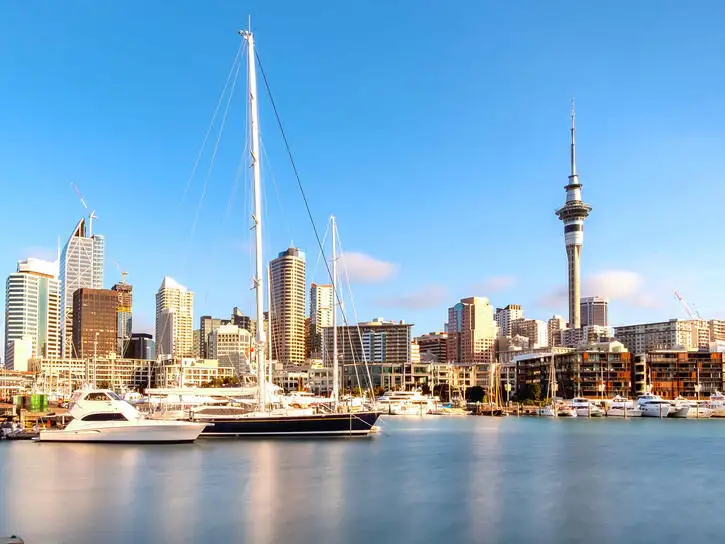
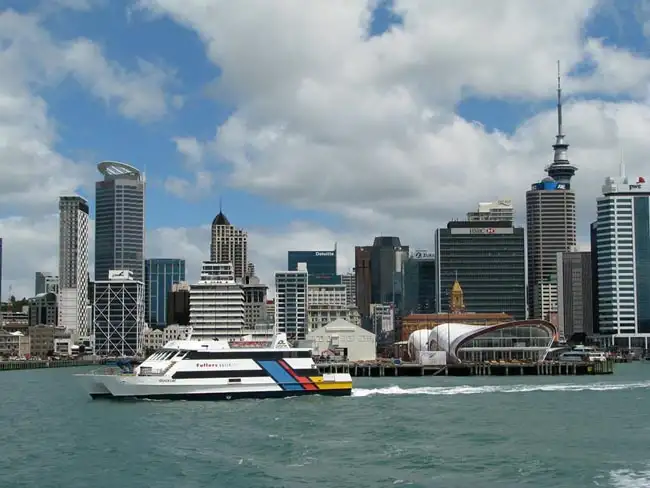
    This morning we embark on a tour of Auckland, New Zealand's largest city and home to over one-third of the country's population. The city spreads across a narrow isthmus between two harbours—Manukau to the west and Waitematā to the east—with the Hauraki Gulf opening to the Pacific beyond. This geography explains Auckland's nickname: the "City of Sails."

    We drive through the University Grounds and stop at Parnell Rose Garden before exploring Parnell Village, a historic neighbourhood known for boutique shops and heritage buildings. Continuing through the central business district along Queen Street—Auckland's "Golden Mile"—we follow the scenic coastal route past Mission Bay and along Tamaki Drive. This waterfront boulevard offers harbour views as we pass Kohimarama Beach and St Heliers.

    From Achilles Point, panoramic views extend across the harbour toward Rangitoto Island, Auckland's youngest and largest volcano, which erupted from the sea just 600 years ago. We continue to Mount Eden, a dormant volcano rising 196 metres/643 feet above the city. From the crater rim, Auckland's setting between two harbours becomes clear—the reason Captain Cook described this as one of the finest harbours in the Pacific. We also drive around One Tree Hill, another volcanic cone offering perspectives across the city and its 50 volcanic cones that dot the landscape.

    Our tour concludes at the Auckland Museum, where extensive collections document New Zealand's natural history, Māori culture, and Pacific heritage.

    Overnight in Auckland.


    Included Meal(s): Breakfast and Dinner
  • Day 19: 
    Auckland - Waitomo Caves - Rotorua
    Today marks the beginning of our journey south, and we have a full day of travel and sightseeing ahead as we leave Auckland behind and venture into the heart of the North Island.

    Our route takes us through the rich farmland of the Waikato region, New Zealand's agricultural heartland. This is dairy country par excellence, where verdant pastures stretch to the horizon. The landscape is a patchwork of green fields separated by hedgerows and shelter belts, a scene of pastoral plenty that has made this region the economic powerhouse of New Zealand's agricultural sector.

    We arrive at the world-famous Waitomo Caves, where we'll experience a guided tour of the underground limestone caverns and glowworm grottos. As we venture deep beneath the surface, we'll discover a hidden world sculpted over millions of years. The limestone formations are spectacular, but the true magic reveals itself when we encounter thousands of tiny glowworms illuminating the cave ceilings like a subterranean night sky. These bioluminescent larvae create an otherworldly spectacle that never fails to captivate.

    After this unique underground experience, we continue to Rotorua, an area of abundant geothermal activity. Rotorua sits in the middle of the Taupo Volcanic Zone, which runs from northeast to southwest across the North Island. The locals make ingenious use of the hot steam that rises to the surface for heating their homes, cooking, and building their own private hot pools.

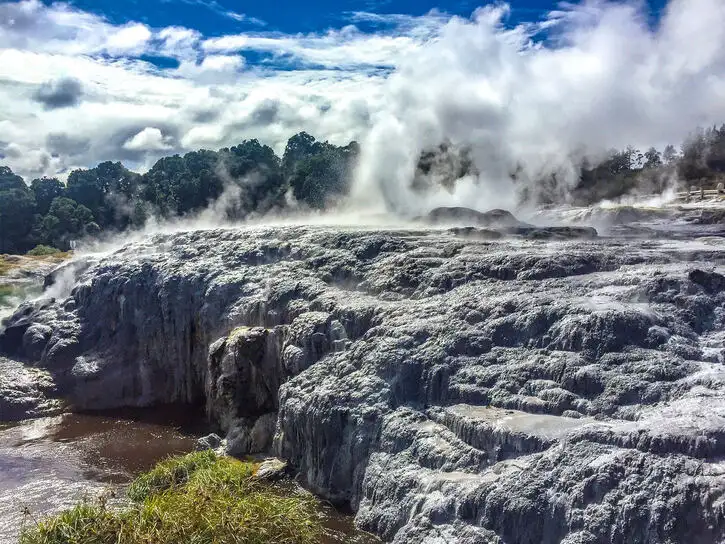
    This afternoon we'll visit the Te Puia Thermal Reserve and Maori Arts and Crafts Centre. Here we will discover boiling pools of mud that plop and bubble, and geysers that spout up to 30 metres (100 feet) into the air. The reserve is also home to the Maori Arts and Crafts Institute, where we'll gain insight into traditional carving and weaving techniques.

    Overnight in Rotorua.


    Included Meal(s): Breakfast and Dinner
  • Day 20: 
    Rotorua - Wellington
    Today we follow the 'Thermal Explorer Highway' to the heart of the North Island. This highway takes us through some of the most stunning scenery in New Zealand, along a path well-known for its geological wonders -- from huge limestone caves, to bubbling geothermal areas and volcanic plateaus.

    We will view the Wairakei Steam Valley where the thermal energy is harnessed in the world's second largest geothermal power plant. We will see spectacular Huka Falls, located on the rushing Waikato River. We will also visit Lake Taupo, the water-filled crater of an ancient volcano. Surrounded by stunning volcanoes, bush clad mountains and a spectacular landscape; this is the largest freshwater lake in New Zealand and the Southern Hemisphere.

    We then continue to travel south to Wellington. Our journey south takes us on the spectacular desert road along the edge of the World Heritage Site at Tongariro National Park. Established in 1887, Tongariro was the first national park in New Zealand and the fourth in the world. This is also a dual World Heritage area, a status that recognizes the park's important Maori cultural and spiritual associations as well as its outstanding volcanic features.

    Overnight in Wellington.


    Included Meal(s): Breakfast and Dinner
  • Day 21: 
    Wellington: City Tour - Cook Strait Crossing - Picton
    Called the world's 'coolest little capital' Wellington is known for its vibrant arts scene, world class café and restaurant culture, and active outdoor lifestyle. Set around an attractive waterfront, you'll be hard pressed to find a city in the world that's easier to get around. A creative, cosmopolitan city, Wellington combines the sophistication of a capital with the warmth and personality of a village.

    This morning we enjoy a city sightseeing tour, including Te Papa, New Zealand's fantastic 'National Museum'. Here we will have a guided tour of the highlights from New Zealand's natural environment, art, and history.

    We'll then take the 3.5-hour ferry journey across Cook Strait to the South Island. This journey is considered be one of the most beautiful ferry rides in the world. Named after James Cook, the Cook Strait connects the Tasman Sea on the west with the South Pacific Ocean on the east.

    Overnight in Picton (we sometimes overnight just down the road in Blenheim).


    Included Meal(s): Breakfast and Dinner
  • Day 22: 
    Blenheim - Kaikoura - Christchurch
    Today we will enjoy a spectacular scenic journey between the mountains and the sea as we travel through the Marlborough region. This geographic region has a growing international reputation for it's white wine production. We'll visit a winery en route to the thriving seaside settlement of Kaikoura, an area offering unique whale and dolphin watching experiences. Several different species of whale can be seen off Kaikoura at different times of the year, but almost always the huge Sperm Whales. There is also a large and readily observed colony of Southern Fur Seals at the eastern edge of the town that we will visit.

    We continue between the Pacific Ocean and rugged Kaikoura Ranges to Christchurch, the 'Garden City'. Christchurch promises an eclectic mix of historic elegance and contemporary culture. The city is the focal point of what is called the Canterbury Region, which is that portion of the South Island that generally lies east of the Southern Al. The city's population is a manageable 300,000 or so, and dates from around 1850. It began as a Church of England settlement (hence the name) and was supposed to be a haven for landed gentry and "good Christian souls of lesser caste."

    Overnight in Christchurch.


    Included Meal(s): Breakfast and Dinner
  • Day 23: 
    Christchurch - TranzAlpine Train - Franz Josef
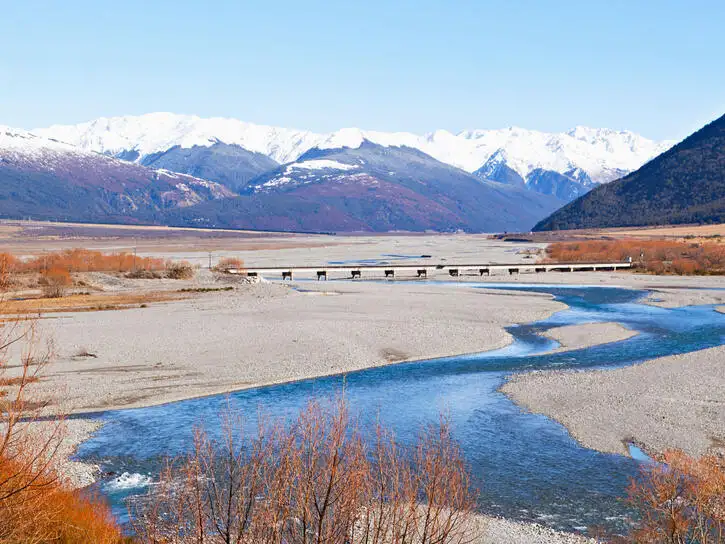
    This morning we will board the award-winning TranzAlpine Train, one of the world's most scenic rail journeys. Our route will take us across the vast patchwork farmlands of the Canterbury Plains and we will enjoy stunning scenery as we journey through spectacular gorges, river valleys and across the country's greatest mountain range, the magnificent Southern Alps.

    After approximately 2.5 hours we will disembark at Arthurs Pass and continue to Hokitika by coach, a journey along the west coast and bringing us to the World Heritage-listed area of South West New Zealand (Te Wahipounamu). Shaped by millions of years of glacial movement, the fiords and coasts of South West New Zealand are outstandingly beautiful.

    Hokitika was a gold rush town in the 1860s, and the countryside around Hokitika is dotted with historic sites related to its mining past. Today Hokitika is known for its arts and crafts produced by local artisans. After a break for lunch, we continue to Franz Josef. The magnificent Franz Josef Glacier is widely regarded as the gem of New Zealand's West Coast Glaciers.

    PLEASE NOTE: In the unlikely event that we are unable to take this trip by train, we will travel by bus along The Great Alpine Highway. While the Tranz Alpine Train will always be our first choice of transport, travelling by road is equally as scenic.

    Overnight at Franz Josef (or nearby Fox Glacier).


    Included Meal(s): Breakfast and Dinner
  • Day 24: 
    Franz Josef - Haast River Valley - Queenstown
    Today we journey south along the rugged west coast where the Southern Alps meet the Tasman Sea. Towering peaks rise directly from coastal rainforest, creating one of New Zealand's most dramatic landscapes. Our destination is Haast, a small settlement at the mouth of the Haast River where the highway crosses from Westland into Otago.

    We experience a river safari cruising the Haast River through the valley carved by glacial forces over millennia. The river drains Mount Aspiring National Park, its waters fed by glaciers and mountain streams. Towering peaks frame the valley, waterfalls cascade down forested slopes, and dense temperate rainforest—part of the Southwest World Heritage Area—cloaks the mountainsides. The river valley reveals landscapes shaped by ice, water, and tectonic forces where the Pacific and Australian plates collide.

    Rejoining our coach, we continue inland toward Queenstown through the Haast Pass, crossing from coast to lake country. The Southern Alps' snow-capped peaks rise in the distance as we descend toward Lake Wanaka and ultimately Lake Wakatipu, where Queenstown sits sheltered by The Remarkables mountain range.

    Overnight in Queenstown.


    Included Meal(s): Breakfast and Dinner
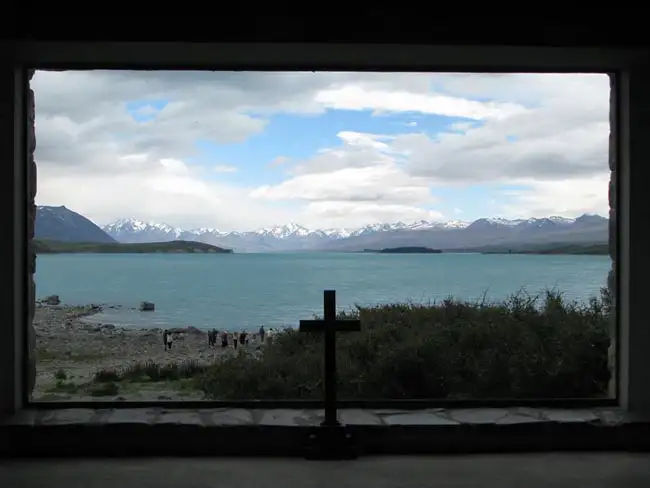
  • Day 25: 
    Queenstown: Skyline Gondola & Leisure Time
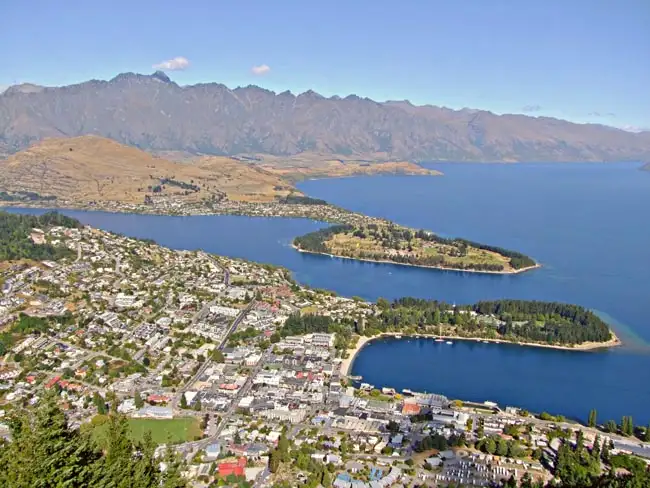
    This morning we include a scenic gondola ride up Queenstown Hill on the Skyline Gondola, offering breathtaking panoramic views of the town, Lake Wakatipu, and the surrounding mountains. After taking in the views, you are free to enjoy well-deserved balance of the day at leisure, exploring Queenstown's charming shops, cafes, and waterfront restaurants.

    Queenstown has a compact and sophisticated downtown area tucked into a picturesque bay on the shores of the lake. Dwarfed by the surrounding mountains, there are amazing views from everywhere. You may choose just to relax, wander the streets, and soak up the atmosphere of the region. Or you may wish to join one of the optional excursions available (booked locally), such as a lake cruise, wine tour, jet boating, or a local garden tour. Your Tour Leader can help you plan your day.

    Overnight in Queenstown.


    Included Meal(s): Breakfast and Dinner
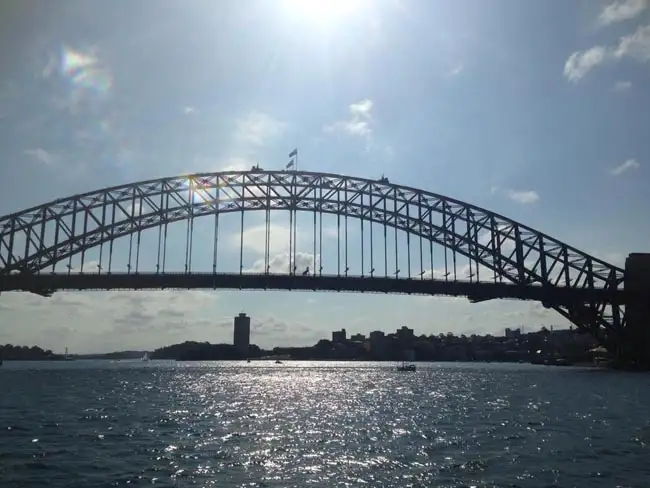
  • Day 26: 
    Queenstown - Doubtful Sound Cruise - Te Anau
    Departing Queenstown this morning, we travel to Lake Manapouri, gateway to Doubtful Sound. We cruise across this pristine lake—its waters reaching depths of 444 metres/1,457 feet—toward West Arm, where New Zealand's largest hydroelectric power station operates entirely underground within the mountain.

    From West Arm we travel by coach over Wilmot Pass, climbing through Fiordland's densest temperate rainforest to the pass summit at 671 metres/2,201 feet. The route provides access to landscapes otherwise unreachable—moss-draped beech forests, cascading streams, and alpine vegetation clinging to steep slopes. Captain James Cook named this fiord "Doubtful Harbour" in 1770, doubting whether winds would allow his ship to sail back out if he entered.

    In Doubtful Sound we board the purpose-built catamaran Patea Explorer for a cruise through this pristine fiord. Doubtful Sound stretches 40 kilometres inland from the Tasman Sea, its waters reaching 421 metres/1,381 feet deep in places. Sheer rock faces rise over 1,000 metres directly from the water, waterfalls plunge from hanging valleys, and the fiord branches into multiple arms creating a labyrinth of waterways. The fiord receives over 8 metres of annual rainfall, creating a permanent freshwater layer atop the saltwater that supports unique marine ecosystems.

    Our nature guides share their knowledge of the region's ecology and point out wildlife: Fiordland crested penguins nesting on rocky shores, New Zealand fur seals hauled out on rocks, and bottlenose dolphins that frequently patrol these waters. The remote location and lack of development mean Doubtful Sound remains far quieter than Milford Sound—sometimes the only sounds are bird calls and water dripping from rainforest canopy.

    After our cruise we transfer to Te Anau, the lakeside town serving as gateway to Fiordland National Park.

    Overnight in Te Anau.


    Included Meal(s): Breakfast, Lunch and Dinner
  • Day 27: 
    Te Anau - Nugget Point - Dunedin
    Our journey continues across the South Island to the East Coast and the city of Dunedin, renowned as the 'Edinburgh of the South'.

    En route we make a stop at Nugget Point, an iconic panoramic platform on the Catlins Coast with one of the country's oldest lighthouses perched above the famous rocks named by Captain Cook because they looked like pieces of gold. It's a short stroll to the Tokata lighthouse, with sensational views of the big blue beyond. If you look down onto the rocks below the lighthouse, you may see a colony of fur seals frolicking in the surf. It is also home to some of the world’s rarest penguins and one of the only places you might see seals, sea lions and elephant seals in the same area. There are also, sooty shearwaters, spoonbills, and a breeding colony of gannets.

    We'll have a lunch stop en route and expect to arrive in Dunedin in mid-late afternoon. Known as the Wildlife Capital of New Zealand, Dunedin prides itself on its beautiful built heritage, stunning scenery, and unique biodiversity. Surrounded by dramatic hills and at the foot of a long, picturesque harbour, Dunedin is one of the best-preserved Victorian and Edwardian cities in the Southern Hemisphere.

    Before checking in to our hotel, we'll stop at Baldwin Street, one of the city's claim to fame as the world's "steepest street." This 350-metre stretch of road is recognised by the Guinness World Records with an official maximum gradient is 19 degrees (though there are little bits that are 21 degrees); in other words, the ground rises a metre for every 2.86 metres you cover horizontally. The concrete upper section adds to the wall-like appearance; asphalt is avoided for safety reasons -- in hot summers, it would melt and slide right off, while in winter it would get too slippery.

    Overnight in Dunedin.


    Included Meal(s): Breakfast and Dinner
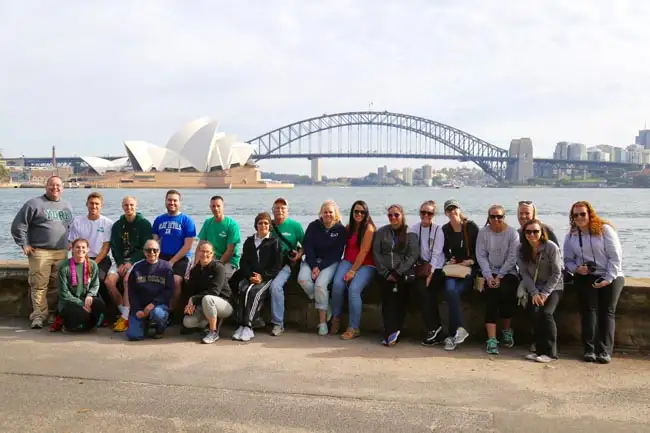
  • Day 28: 
    Dunedin & Otago Peninsula
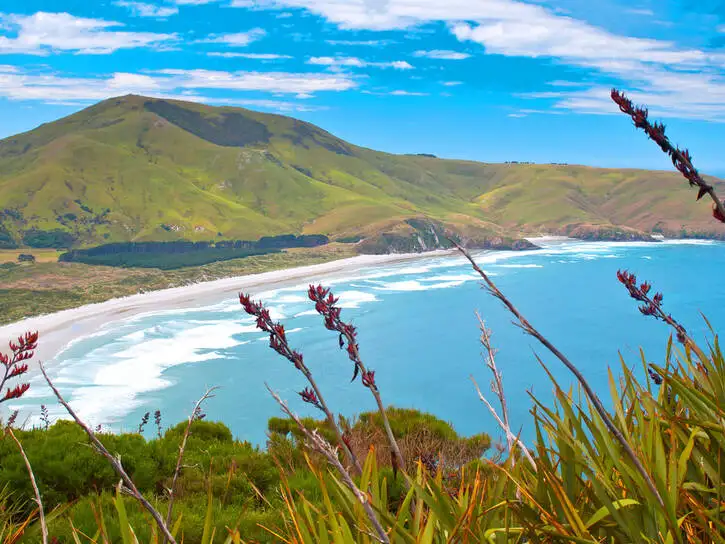
    Today we journey to the Otago Peninsula, a 20-kilometre volcanic landform extending into the Pacific Ocean. The peninsula's volcanic origins created steep terrain—rugged on the ocean side, relatively sheltered facing Otago Harbour. This geography supports remarkable biodiversity, making the peninsula one of New Zealand's premier wildlife destinations.

    Our scenic drive passes green pastures, small bays, sandy beaches, and volcanic landforms before reaching Larnach Castle. Built in the 1870s by entrepreneur William Larnach, the building claims status as "New Zealand's only castle," though it's actually a Gothic Revival mansion. Since 1967, the Barker family has owned and restored the property, retrieving original furniture and developing gardens that now hold "Garden of International Significance" status from the New Zealand Gardens Trust.

    After lunch we continue with a wildlife adventure aboard the "Penguin Express" coach, crossing Reid family farmland to breeding habitats of yellow-eyed penguins, blue penguins, and New Zealand fur seals. The yellow-eyed penguin—hoiho in Māori—ranks among the world's rarest penguins, with only about 4,000 remaining. The Otago Peninsula supports one of the largest mainland populations.

    Our final activity is a one-hour cruise aboard the Albatross Express on Otago Harbour. The harbour serves as feeding grounds for royal albatross from the nearby breeding colony—the only mainland albatross colony in the world. These massive seabirds, with wingspans reaching 3 metres/10 feet, soar on updrafts along the harbour entrance. We may also observe mollymawks, petrels, shearwaters, cormorants, and royal spoonbills. The purpose-built twin-engine catamaran features open top deck and enclosed lower deck for comfortable viewing.

    We return to Dunedin for overnight.

    Overnight in Dunedin.


    Included Meal(s): Breakfast and Dinner
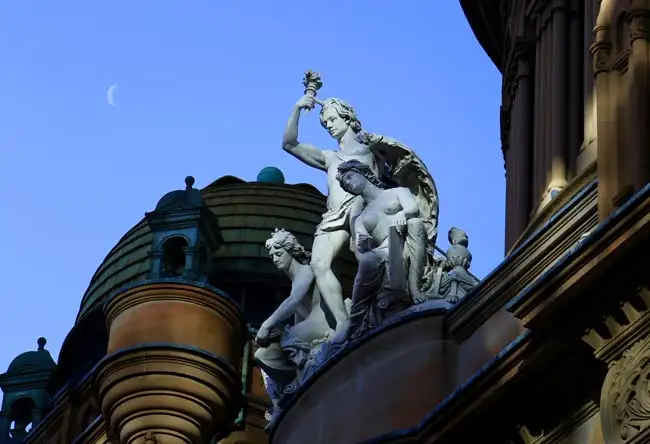
  • Day 29: 
    Dunedin - Aoraki/Mount Cook
    Today we journey north along the coast to view the unique Moeraki Beach boulders before turning inland and traveling towards New Zealand's highlands and the UNESCO World Heritage listed Mt. Cook National Park. Along the way we'll stop at Oamaru, famous for its impressive streetscapes with many buildings constructed of local limestone.

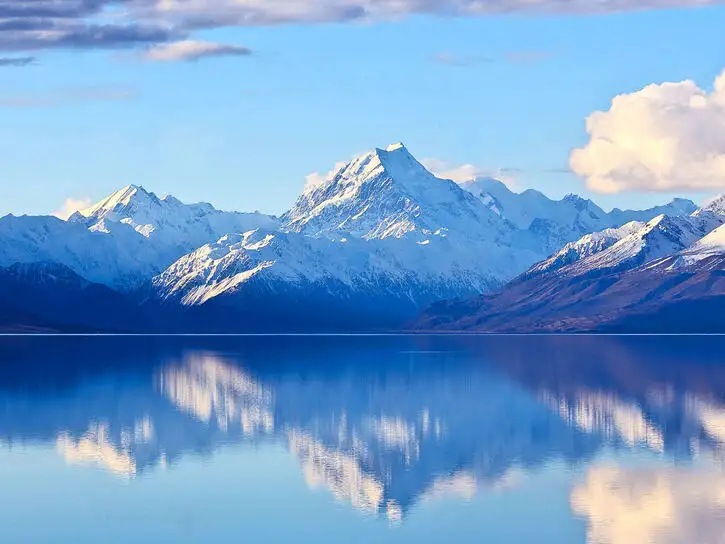
    Mount Cook Village is at the base of Aoraki/Mount Cook, probably the most spectacular national park in the country and one that rivals most scenery you'll see in the European Alps. The park, 680 sq km (270 square miles), contains more than 20 peaks over 3000 m (10,000 feet), including Aoraki/Mount Cook, the tallest mountain in Australasia; indeed the Maori word Aoraki means 'the Cloud Piercer.' It also features the world's longest temperate-zone glacier, the Tasman.

    After some time for some exploration we continue to our hotel.

    Overnight in the vicinity of Aoraki/Mount Cook or Lake Tekapo.


    Included Meal(s): Breakfast and Dinner
  • Day 30: 
    Aoraki/Mount Cook - Christchurch
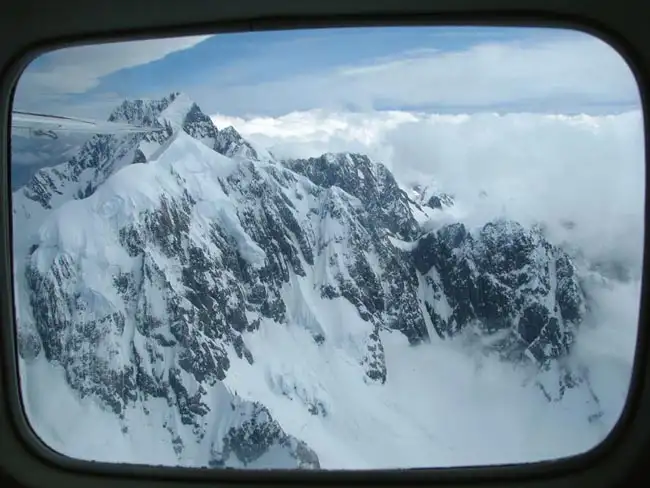
    This morning, weather permitting, we experience the "Grand Traverse" scenic flight—a flight-seeing adventure exploring Mount Cook and Westland National Parks. The fixed-wing aircraft provides every passenger a window seat, with wings positioned above for optimal viewing below.

    The flight encompasses two World Heritage National Parks and 200 square kilometres of New Zealand's most dramatic scenery. We soar above turquoise glacial lakes fed by meltwater, golden tussock lands spreading across the Mackenzie Basin, and braided river systems where multiple channels weave across wide valleys. Remote high country sheep stations occupy valleys accessible only by 4WD tracks, their isolation defining a uniquely Kiwi way of life.

    The perspective reveals Aoraki/Mount Cook National Park's scale—over 20 peaks exceeding 3,000 metres/10,000 feet, including Aoraki/Mount Cook itself at 3,724 metres/12,218 feet, Australasia's highest mountain. The Māori name Aoraki means "Cloud Piercer," apt for a peak frequently shrouded in weather. The Tasman Glacier, at 27 kilometres the world's longest temperate-zone glacier, flows down the mountain's eastern flanks. Permanent ice and snow cover the park's upper reaches—a landscape shaped entirely by glacial forces over millions of years.

    Pilots provide full commentary throughout the 50-minute flight, explaining the geological processes that created these landscapes where the Pacific and Australian tectonic plates collide, pushing the Southern Alps higher at roughly 7 millimetres per year.

    After landing, we visit Lake Tekapo before leaving the high country, crossing the Rakaia River toward Christchurch and the Canterbury Plains.

    Overnight in Christchurch.


    Included Meal(s): Breakfast and Dinner
  • Day 31: 
    Departure
    Departure from Christchurch.

    BON VOYAGE!


    Included Meal(s): Breakfast
Regions Visited: South Pacific and Down Under
Countries Visited: Australia and New Zealand


*The red tour trail on the map does not represent the actual travel path.

Excellent
Overall Rating
4.7
Extend Your Trip
This tour is part of a series that can be upgraded to make for a longer trip.
Book Your Tour Here
Fast and easy

Book This Tour

Book your unforgettable adventure today! For any questions or advice, don't hesitate to contact us.

Have questions?

1-800-665-3998
  • Final payment: Due 90 days prior to departure.
  • Deposit: A non-refundable $1000 CAD Deposit is required at booking.
  • Internal Flight Taxes: An extra $602 CAD applies for taxes and fees on tour flights. The internal airfares are included, but taxes are listed separately as they may change. Exceptions are noted in Red.
  • Optional Single Supplement: $5150 CAD (number of singles limited).
    (View options for
    single travellers
    )
  • Transfering Tour or Date: Transferring to another tour or tour date is only permissible outside of 120 days prior to departure and is subject to a $100 CAD change fee.
    (Read our cancellation policy)
  • The linking flight between Australia & New Zealand is not included in the tour price. If you book your international air with Adventures Abroad, we will include this segment in your ticket. If you book your own flights, we can include this flight for an additional US$350-500 (subject to change)
Choose your departure date:

Prices below are per person, twin-sharing costs in Canadian Dollars (CAD). Pricing does not include airfare to/from the tour and any applicable taxes.


2026
2027
  • 01: 
    Can Adventures Abroad book my flights?
    Yes! We have full-service in-house air department with years of experience booking our passengers to far-flung places around the world from any place that has an airport. Travelling from Los Angeles to Rome? No problem. Travelling from Deer Lake, Newfoundland to Antananarivo? Also not a problem!


    • 01: 
      Can Adventures Abroad get better deals than I can online?
      Here’s the clear answer: Usually, no.


      Booking your flights with us is super convenient—it’s like one-stop shopping! Plus, we’ll take care of you if something goes wrong, like a canceled flight or missed connection. We include airport transfers at your destination when you book flights through us. Some routes to less common destinations can be hard to find on your own or through online search engines. Which usually only show popular routes. Let us make it easy for you!
    • 02: 
      Why should I book my flights with Adventures Abroad?
      • Included airport transfers: Enjoy a smoother trip with airport transfers provided when you book flights with us.
      • Peace of mind: Feel confident knowing we’ve got you covered during your trip.
      • Help with disruptions: If your travel plans change, we assist with rebooking flights and updating our partners and staff at your destination.
      • Avoid stress and confusion: Booking with us means you won’t have to deal directly with airlines or ticket sellers if issues arise.
  • 02: 
    Does the group fly together on a set route and airline?
    Unlike with some companies, you are not obliged to fly with a particular airline on "bulk" group flights. Because our travellers are coming from (usually) across North America, everyone who flies with us receives a custom air quotation that best serves their situation and preferences—we do not have "set" routings on only a limited number of airlines.


    While fare and convenience are always at the top of the list of criteria, we can work with you to find the option that suits you best.
  • 03: 
    When should my flights be quoted / booked?
    Everyone wants to know their flight details early. To get the best fares and routes, book your tour and pay your deposit as soon as possible. This helps us confirm the tour early. Booking 8-12 months ahead takes some trust, but it’s the best way to plan with so many factors involved. We can’t always provide exact flight costs more than 6 months out or before the tour is confirmed. But we almost always find a solution that works for our travellers.

If you are booking more than one person with different addresses and separate billing, please book each person individually.

7 or more travellers - Please contact us to book.
Single Travellers -
(View options)
Deposit Due Today: $1,000 CAD
Reserve Your Spot
Australia
From the bustling cities of Sydney and Melbourne to the natural wonders of the Great Barrier Reef and Uluru, our tours to the Land Down Under showcases the rich diversity of Australia's landscape, culture, and wildlife. On our Australia tours you will witness the iconic Opera House, explore the rugged Outback, and encounter kangaroos, koalas, and other unique Australian wildlife.
Exciting Videos of
Tourcode: AU2
Australia
From the bustling cities of Sydney and...
New Zealand
From soaring mountain peaks to picturesque coastlines,...
<01>

Frequently Asked Questions

  •  
    What is the maximum number of participants on a trip?
    Most of our tours carry a maximum of 18 participants; some tours (ie hiking tours) top out at 16. In the event that we do not achieve our minimum complement by our 90-day deadline, we may offer group members the option of paying a "small-group surcharge" as an alternative to cancellation. If all group members agree, we will confirm the trip at existing numbers; this surcharge is refundable in the event that we ultimately achieve our regular minimum. If the small group surcharge is not accepted, we will offer a refund of your deposit or a different trip of your choice.
  •  
    Can I extend my tour either at the beginning or end? What about stopovers?
    Yes, you can extend your tour either at the beginning or the end and we can book accommodation in our tour hotel. Stopovers are often permitted, depending on air routing. Stopovers usually carry a "stopover" fee levied by the airline.
  •  
    How do I make a reservation? How and when do I pay?
    The easiest way to make a reservation is via our website; during office hours, you are also more than welcome to contact us by telephone.

    A non-refundable deposit is payable at the time of booking; if a reservation is made within 90 days, full payment is required. Some trips require a larger deposit. If international airline bookings require a non-refundable payment in order to secure space or the lowest available fare, we will require an increase in deposit equal to the cost of the ticket(s).

    Early enrolment is always encouraged as group size is limited and some trips require greater preparation time.

    Once we have received your deposit, we will confirm your space and send you a confirmation package containing your trip itinerary, any visa/travel permit related documents, invoice, clothing and equipment recommendations, general information on your destination(s), and forms for you to complete, sign and return to us. Your air e-tickets (if applicable), final hotel list, final trip itinerary, and instructions on how to join your tour, will be sent approximately 2-3 weeks prior to departure.
  •  
    What about cancellations, refunds, and transfers?
    Please review our cancellation policy page for details.
  •  
    I am a single who prefers my own room. What is a single supplement?
    All of our tours have a single supplement for those who want to be guaranteed their own room at each location.

    This supplement is a reflection of the fact that most hotels around the world do not discount the regular twin-share rate for a room by 50% for only one person occupying a room. Most hotels will give a break on the price, but usually in the range of 25-30% of the twin-share rate. This difference, multiplied by each night, amounts to the single supplement.

    The conventional amount can also vary from country to country and some destinations are more expensive than others for single occupancy. In order to be "single friendly," the supplements we apply are not a profit centre for us and we do our best to keep them as reasonable as possible.

    On most tours we limit the number of singles available, not to be punitive, but rather because many hotels allow for only a limited number of singles; some smaller hotels at remote locations also have a limited number of single rooms available.

    Please note that most single rooms around the world are smaller than twin-share rooms and will likely have only one bed.
  •  
    Do you have a shared accommodation program?
    Yes! If you are single traveller and are willing to share, we will do our best to pair you with a same-gender roommate. Please note that should we fail to pair you, we will absorb the single supplement fee and you will default to a single room at no extra charge.

Share:
 DATES & PRICES
This website uses cookies to ensure you get the best experience on our website.
Additional Cookie Details.


Got it