- Popular
- Classic
- History
- Overview
- Info & Inclusions
- Itinerary
- Map & Hotels
- Photos
- Dates & Prices
- Tour Duration: 17 Days
- Max Group Size 18
- Slovenia's Lake Bled and Julian Alps
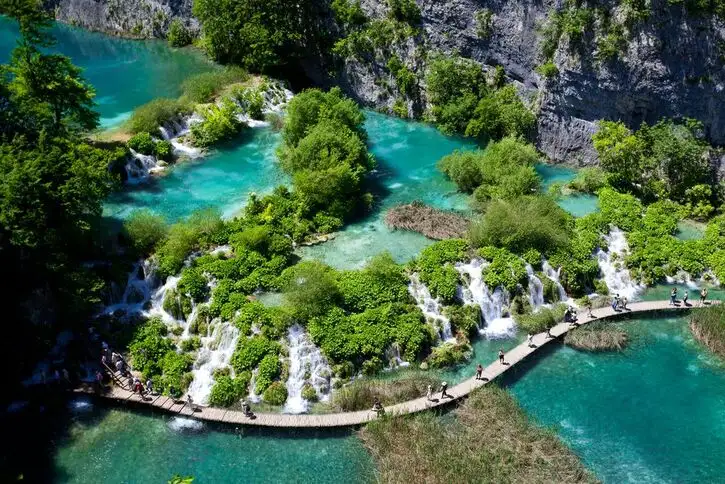
- Plitvice Lakes' cascading terraces
- Diocletian's Palace in ancient Split
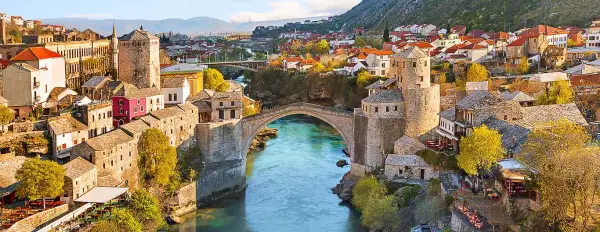
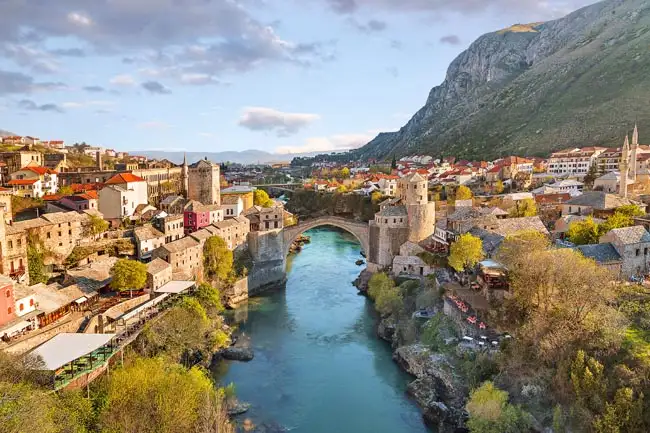
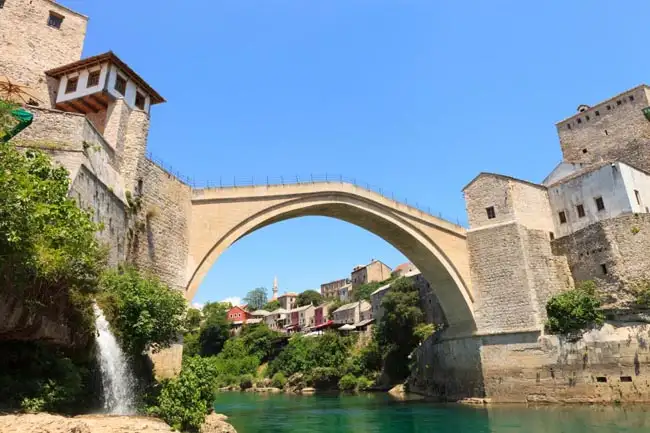
- Mostar's reconstructed Ottoman bridge
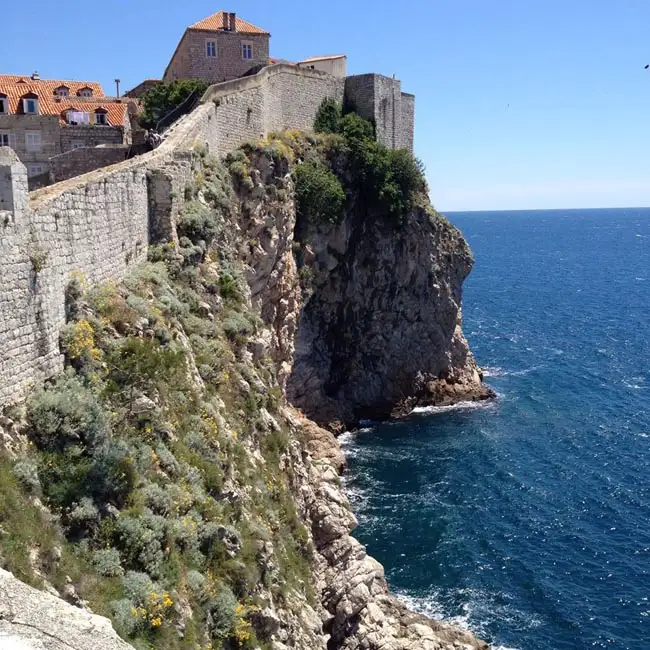
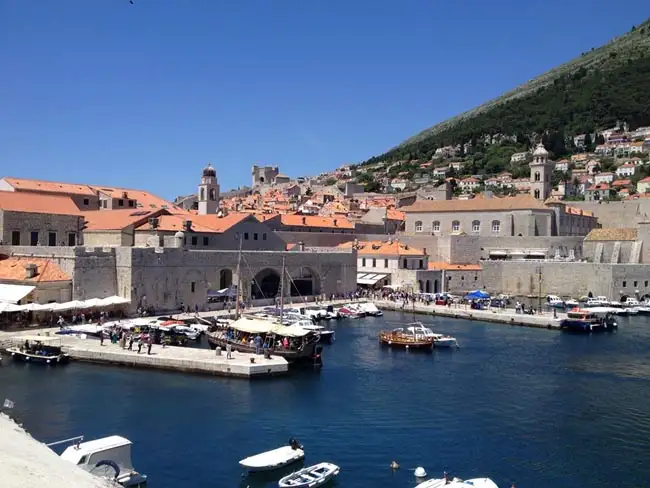
- Dubrovnik's medieval walls and maritime legacy
- Habsburg Riviera promenade at Opatija
- Singles friendly (view options for single travellers)
We begin in Slovenia's fairy-tale capital, where baroque Ljubljana rebuilt itself after medieval earthquake. Through Alpine valleys to emerald Lake Bled, we discover glacial sanctuaries that medieval Christians deemed sacred. The Soča River's impossible turquoise leads us through mountain passes scarred by World War I, before we descend to the karst plateau where subterranean rivers created Postojna's cathedral-like caverns.
Croatia's Istrian peninsula reveals Byzantine mosaics at Poreč and Roman amphitheatres at Pula. At Plitvice, cascading lakes demonstrate nature's patient artistry through millennia. The Dalmatian coast shows Venetian influence at every turn—from Zadar's Roman forum to Split's imperial palace, to Hvar's sun-drenched sophistication.
Bosnia's Mostar bridge, rebuilt stone by stone after wartime destruction, stands as testament to resilience. We conclude in Dubrovnik, where medieval Ragusa competed with Venice for Mediterranean dominance, its limestone walls creating what Byron called "the pearl of the Adriatic"—a city that has survived earthquake, siege, and bombardment to reclaim its beauty.
This is not merely coastal touring but an exploration of how geography and human ambition combined to create one of Europe's most culturally complex regions, where Alpine meadows, limestone karst, and azure waters frame a thousand years of architectural synthesis.
- MealsSavour authentic flavours with included daily breakfasts and dinners at handpicked local restaurants—immersing you in local cuisine without worrying about reservations or budgets.
- Transport & Logistics
Private air-conditioned coaches and included internal ferries and flights—ensuring hassle-free travel so you can focus entirely on the discoveries ahead.
"Adventures Abroad tour leader's management and guest services managed the tour with great skill and dedication. The tour leader was on top of every move and transfer. We have not experienced any issues with logistics and had a great time."
~ JULIA O"The tour leader did an excellent job coordinating some difficult travel logistics, power outage issues and resolving problems and dealing with guests who had unrealistic expectations."
~ CYNTHIA COLLINS - Expert Guidance
Unlock insider secrets at every landmark with your full-time Tour Leader and expert local guides , all gratuities covered—no hidden tipping surprises—so you immerse fully in your destination's stories, worry-free. (Except for the tips to your tour leader at the end of your tour.)
"Amazing tour guide. Our tour guide was very well organized, Her passion, knowledge, and enthusiasm completely transformed the travel experience into something truly unforgettable..."
~ MELANIE LEMAIRE"Highly recommend every trip with Adventures Abroad. It's a well organized and well thought out adventure. The tour leaders are friendly, knowledgeable and experienced professionals. Highly recommend this company."
~ SUSAN WALL - Sightseeing & EntrancesAll entrance fees for sites visited as per the itinerary—no hidden costs—so you can explore ancient ruins and excursions with complete peace of mind.
- AccommodationsUnwind in clean, well-located 3 to 4-star hotels with private en suite facilities—handpicked for comfort and convenience after each day's discoveries—so you can rest easy knowing your stay supports the real adventure, not steals the spotlight.
- Small Group
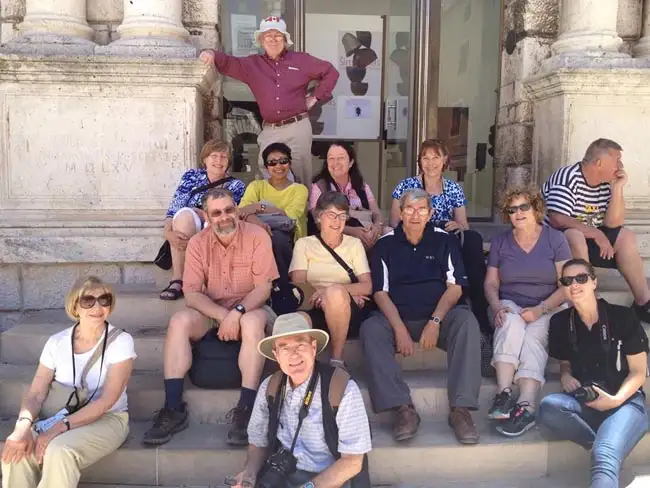
Discover the world in small groups of up to 18 travellers plus your expert Tour Leader—unlocking spontaneity, off-the-beaten-path adventures, and genuine connections at a relaxed pace, free from crowds.
"Looking Forward to My Next Adventure The best feature of the Adventures tour was the small size that allowed the group to quickly load up, let everyone get acquainted within the first 24 hours, capitalize on unplanned surprises along..."
~ PHILIP BLENSKI"Good value for a great time I have traveled with Adventures Abroad for over 20 years now. Well thought out, interesting itineraries and the other travelers congenial and friendly. The price always seems fair and overall a..."
~ Trusted Customer - Airport Transfers For Land & Air CustomersWe handle hassle-free airport transfers for all our land and air tour customers—plus early arrivals or late departures when you book extra hotel nights directly with us for added peace of mind.
- International airfare to/from the tour
- Lunches, Tour Leader gratuities, drinks, personal items (phone, laundry, etc), air taxes (if applicable), and excursions referenced as 'optional'
- Airport transfers for Land Only customers.
- Seasonality and Weather:
Our May and September departures capture the Adriatic region during its most temperate and rewarding seasons. Spring brings wildflower-carpeted Alpine meadows, lush forests throughout Slovenia and Croatia, and comfortable temperatures ideal for extended walking through historic cities and natural parks. The Dalmatian coast enjoys abundant sunshine with gentle sea breezes, while coastal destinations remain pleasantly uncrowded compared to peak summer.
September offers the warmth of late summer with harvest season beginning in wine regions, still-warm Adriatic waters, and the soft golden light that photographers prize. Both seasons provide extended daylight hours for sightseeing while avoiding the intense heat and crowds of July-August when coastal cities can be uncomfortably packed.
These shoulder seasons also mean more authentic encounters with daily life—locals haven't yet retreated from tourist-heavy areas, and you'll share cafés and markets with residents rather than solely fellow travellers. The mild, stable weather allows full access to all sites and activities without the unpredictability of winter or the exhausting heat of midsummer. - Transport and Travel Conditions:
Land transport throughout by private air-conditioned motor coach, providing comfortable space for this primarily road-based journey, with scenic driving that showcases dramatic landscape transitions. Short ferry crossings connect us to Croatian islands. Roads maintain good condition throughout, though mountain stretches feature curves and gradients typical of Alpine and coastal regions.
Much sightseeing occurs on foot through historic town centres, archaeological sites, and natural areas including Plitvice Lakes' boardwalk trails. Participants should be prepared for several hours of walking daily at leisurely pace, navigating cobblestones, uneven surfaces, slopes, and stairs—ubiquitous features throughout this mountainous, historically layered region. While hotels provide elevators, stairs remain common during site visits.
The Plitvice Lakes exploration involves well-maintained wooden boardwalks and pathways with modest elevation changes—manageable for those comfortable with extended walking.
Am I suitable for this tour? Please refer to our self-assessment form - Activity Level: 2
These are particularly busy tours that feature a lot of moving around, sometimes by train and short journeys on local transport. Walking tours of towns and cities are leisurely but you should be prepared to be on your feet for several hours. Some of our cultural trips that occur at high altitude and/or require greater independence with baggage handling (at hotels, airports, train stations) also fall into this category.
To learn more about the Activity levels, please visit our tour styles page. - Accommodation:
Well-located, air-conditioned, mid-upper range hotels (3-4 star) throughout. Porter service is usually available (see 'inclusions') though you should be independent with your luggage. Single rooms are limited in number and likely smaller than twins.
See "Map & Hotels" tab for more information. - Staff and Support:
Tour Leader throughout, driver (s), local step-on guides in various locales. - Group Size:
Full-time Tour Leader throughout the journey, plus professional driver(s) and local step-on guides at multiple locations providing specialized expertise on regional history, culture, and sites.
- Day 1:Arrive in Ljubljana, SloveniaWelcome to Ljubljana, Slovenia's enchanting capital where fairy-tale architecture meets vibrant café culture. This compact gem, rebuilt after a devastating 1511 earthquake, earned the nickname "Bela Ljubljana" (White Ljubljana) for its luminous baroque facades. Tonight we gather with fellow travellers for our first dinner together, beginning our journey through three nations where empires once collided and cultures beautifully merged.
Overnight in Ljubljana.
Included Meal(s): Dinner - Day 2:Ljubljana: City TourToday we explore Ljubljana's baroque heart, where every street whispers stories of reinvention. Our ascent to Ljubljana Castle reveals the city's 16th-century fortress, housing a remarkable Virtual Museum that chronicles Slovenia's path from medieval trading post to independent nation. From the main tower, we witness panoramic views stretching across red-tiled rooftops to the Julian Alps beyond.
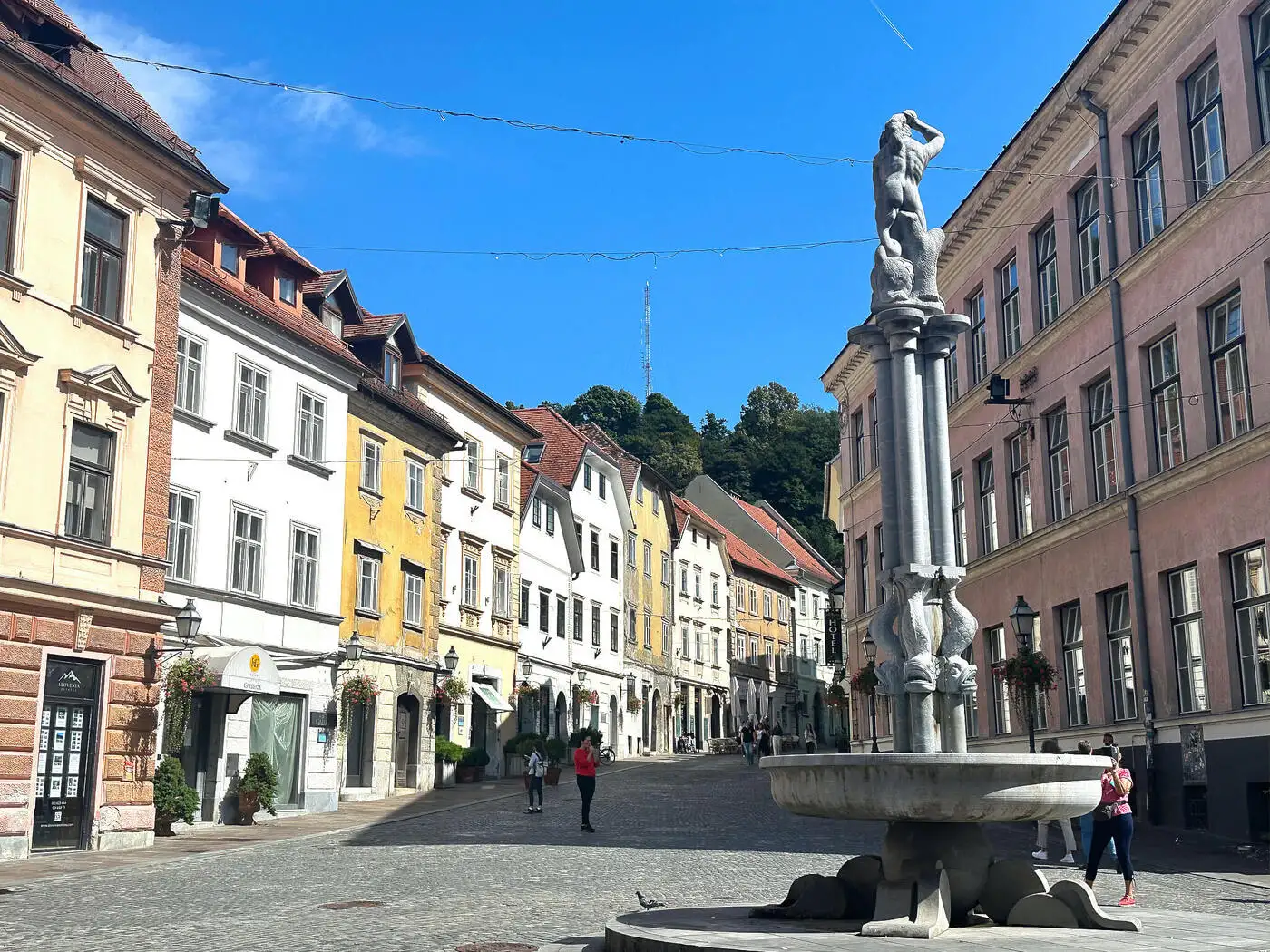
We then descend through the old town's cobbled arteries, discovering Parliament buildings and the university before reaching Ljubljana Cathedral. Here, modern bronze doors commemorate Slovenia's struggle for independence through intricate reliefs. Our morning culminates in the bustling outdoor markets, where locals select wild mushrooms, mountain herbs, and fresh produce from nearby farms. The air fills with the scents of lavender, fresh bread, and the earthy aroma of seasonal vegetables, creating a sensory symphony that defines Slovenian daily life.
Overnight Ljubljana.
Included Meal(s): Breakfast and Dinner - Day 3:Ljubljana - Skofja Loka - BledThrough rolling green countryside dotted with traditional farmhouses, we journey to some of Slovenia's oldest inhabited settlements. Our first stop is Skofja Loka, "Bishop's Meadow," where medieval streets wind beneath a 13th-century castle. We explore Mestni Trg's historic core, visiting St. James' Church and the Granary before ascending to the castle, now home to Slovenia's finest ethnographic museum.
Continuing through hamlets where potato and corn crops thrive beneath church spires, we reach Radovljica, a medieval town encircled by ancient moats. At the Pharmacy and Alchemy Museum, we solve mysterious alchemist tasks, unlocking secrets of medieval medicine.
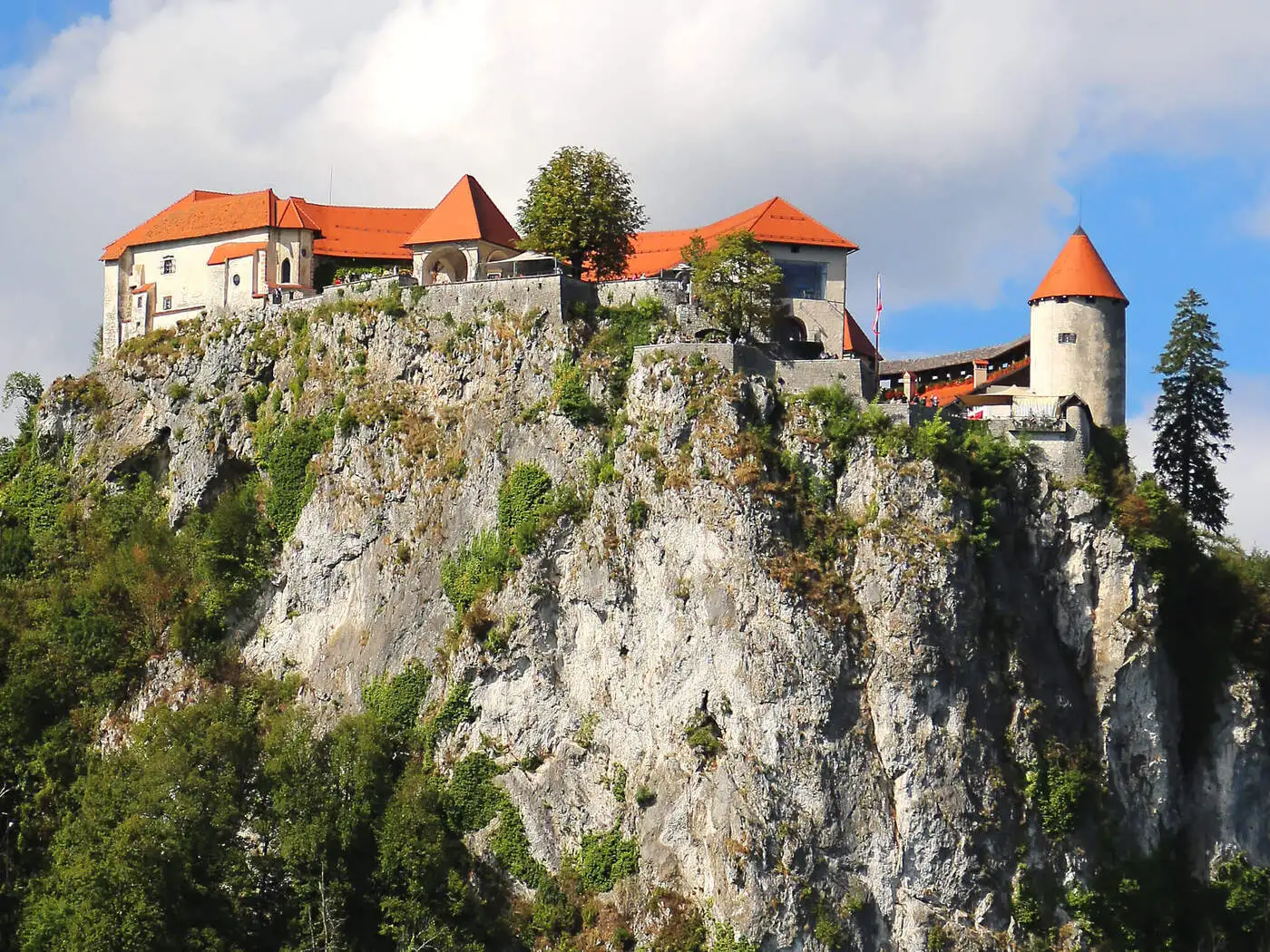
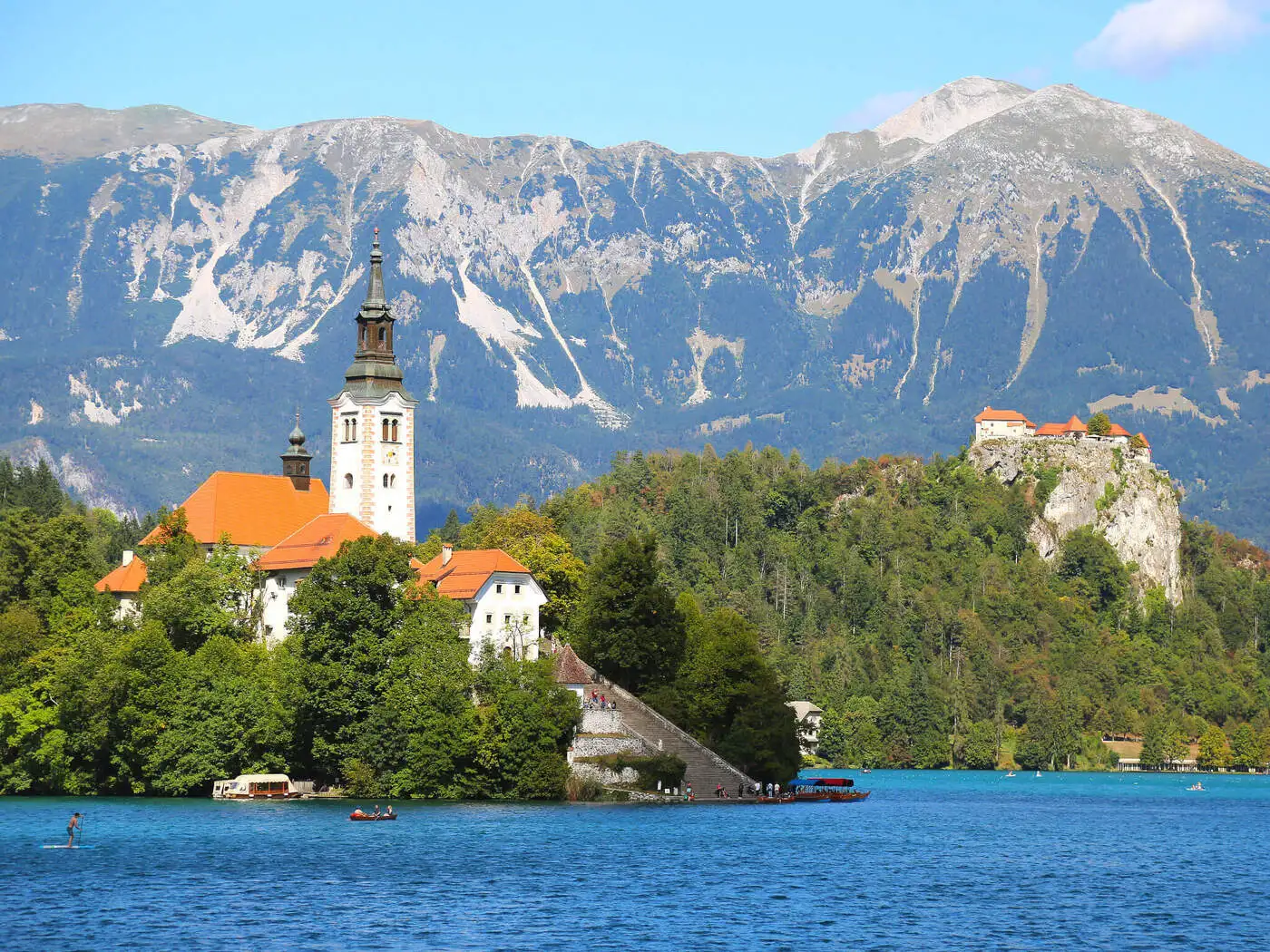
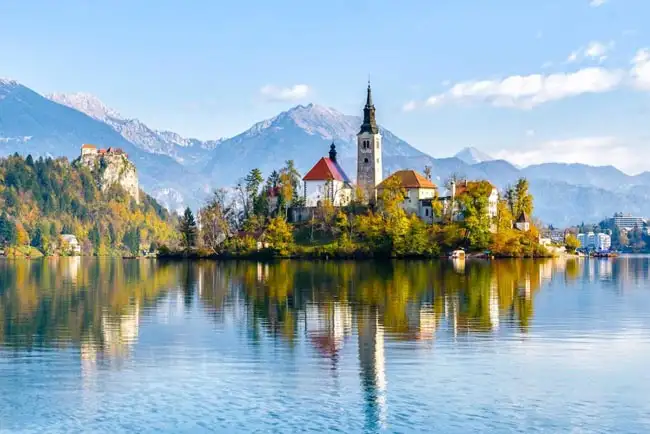
Our route then unfolds the breathtaking approach to Bled, where an emerald glacial lake mirrors surrounding peaks. The fairy-tale vista emerges: Bled Castle perched impossibly high on sheer cliffs, tiny Bled Otok island crowned with its white church, all framed by the towering Karavanke Mountains and Julian Alps creating one of Europe's most photographed panoramas.
Overnight in Bled.
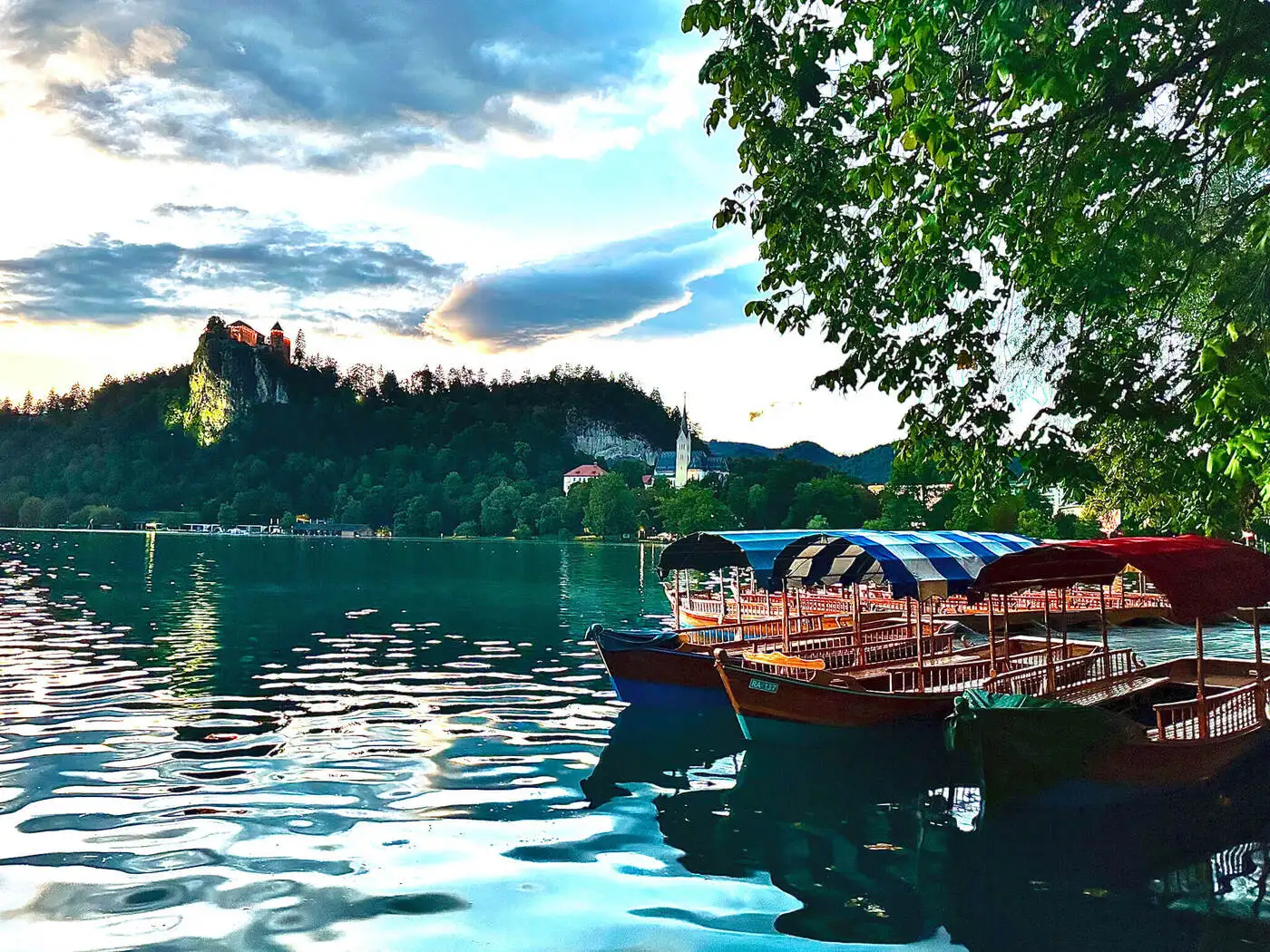
Included Meal(s): Breakfast and Dinner - Day 4:Bled & Lake BohinjLake Bled has been considered sacred for millennia, its mirror-like surface reflecting Slovenia's highest peaks. We begin at the 11th-century castle, dramatically positioned on a 130-metre cliff, housing medieval artifacts and offering spectacular lake vistas. Next, we board a traditional pletna boat—unchanged in design for centuries—to reach Slovenia's only natural island. On Bled Otok, the Church of St. Mary of the Assumption holds an enchanting legend: ring the bell and your wish will be granted.
This afternoon we venture through lush valleys to Lake Bohinj, Slovenia's largest permanent lake and gateway to Triglav National Park. Fed by the Savica waterfall, immortalised in France Prešeren's epic poem "Baptism at the Savica Waterfall," this pristine alpine lake remains protected from development. We visit the Church of St. John the Baptist in Bohinjska Bistrica, famous for its medieval frescoes.
Our cable car ascends 1,537 metres up Mount Vogel, providing breathtaking panoramas of the Julian Alps and glimpses of Mount Triglav, Slovenia's holy mountain and national symbol.
Overnight in Bled.
Included Meal(s): Breakfast and Dinner - Day 5:Bled - Bovec - Kobarid*The Predil Pass carries us through Slovenia's most dramatic mountain gateway, a historic corridor where ancient trade routes carved passages between the Adriatic and Central Europe. This strategic passage witnessed Roman legions and modern armies alike. We descend toward Log pod Mangrtom, a community that rebuilt after a devastating 2000 avalanche, testament to Alpine resilience where beauty and danger intertwine.
Bovec emerges in the pristine Soča Valley like a gem between emerald waters and towering peaks. Beneath Slovenia's highest ski resort, Kanin, this charming town evolved from strategic stronghold to adventure tourism capital. The impossibly turquoise Soča River, flowing from Triglav's glacial sources, creates landscapes seemingly untouched by time.
Yet peaceful valleys harbour dark history. At Kobarid, industrial warfare scarred tranquil mountainsides. In October 1917, the Battle of Caporetto became World War I's most devastating offensive, immortalised by Ernest Hemingway in "A Farewell to Arms." The WWI Museum presents this catastrophe through artifacts and testimonies, helping us understand how 300,000 casualties fell in eighteen days of fighting.
* PLEASE NOTE: Due to limited hotel availability, we may accomplish the above listed sightseeing and then return to spend the night in Bovec rather than staying in Kobarid.
Overnight in Kobarid (or Bovec, depending on accommodation availability).
Included Meal(s): Breakfast and Dinner - Day 6:Kobarid - Predjama - Postojna Caves - PiranFollowing the impossibly blue-green Soča River, we transition from Alpine territory to the limestone plateau of Primorska. The Soča flows through a fairy-tale landscape of waterfalls, pools, ravines and canyons, supporting distinct flora and fauna while creating stunning vistas at every turn.
We continue through the "karst" region to Postojna Caves for a guided exploration. This landscape was once submerged by ancient seas; today subterranean rivers have carved magnificent caverns while rich red soil fills poljes—depressions left when caverns collapsed. The 27-kilometre cave system, over two million years old, consists of spectacular caverns, halls and passages filled with enormous stalactites and stalagmites. The caves harbour unique ecosystems, most famously the Proteus Anguinus or "human fish"—a small pink, blind salamander equipped with both gills and rudimentary lungs.
Our next marvel is Predjama Castle, built impossibly into a 123-metre limestone cliff face at a cave entrance. This medieval fortress, utilised by a robber baron centuries ago, has been described as "a masterpiece of medieval ingenuity, courage, cunning and defiance."
We conclude in Piran, beautifully positioned on the Adriatic—a living museum of medieval architecture.
Overnight in Piran.
Included Meal(s): Breakfast and Dinner - Day 7:Piran, Slovenia - Porec, Croatia - Pula - OpatijaWe depart Slovenia for Croatia, first stopping in Porec, a seaside gem dating to Roman times. Walking through ancient narrow lanes, we visit the Euphrasian Basilica, housing some of the world's finest Byzantine mosaics, comparable to Ravenna's masterpieces. This UNESCO World Heritage site represents Croatian artistic achievement across centuries.
We continue to Pula, called Pola by the first Illyrian settlers and Polensium by Romans. Near the harbour stands one of the town's most impressive monuments: the amphitheatre, built entirely of local limestone and designed for gladiatorial contests accommodating 22,000 spectators. We also explore ruins of the Roman Temple of Augustus, testament to the city's imperial heritage.
Our day concludes in Opatija, Croatia's oldest established resort and still among its most popular. A Rijeka businessman built the first villa here in 1844, but after a visit by the trend-setting Austrian Empress, the town was promoted as an aristocratic health resort. The elegant Habsburg-era architecture and manicured parks still evoke this golden age of spa culture.
(Depending on accommodation availability, we may overnight in Opatija or continue to nearby Rijeka.)
Overnight in Opatija or Rijeka.
Included Meal(s): Breakfast and Dinner - Day 8:Opatija/Rijeka - Samobor - ZagrebWe spend our final morning on the Kvarner coast before turning our backs on the Adriatic and heading inland.
Opatija earned its reputation as the Habsburg Riviera the old-fashioned way: a Rijeka merchant built the first villa here in 1844, the Empress Elisabeth came to take the waters, and within a decade the Austrian aristocracy had followed. The grand hotels and sanatoriums that line the Lungomare — a promenade stretching along the sea cliffs — tell the story of an age when a train journey from Vienna could deposit the empire's elite into Mediterranean sunshine within hours.
Depending on tour overnight location, we may spend part of the morning in Rijeka, Opatija's larger neighbour and one of Croatia's principal port cities, where the old Hungarian and Italian quarters reveal yet another layer of this endlessly contested coastline, and/or some time in Opatija.
Then we turn inland. Our route climbs away from the sea through green karst hills before we pause in Samobor, a baroque market town twenty kilometres short of Zagreb. While Opatija's promenade was being strolled by Austrian aristocrats, Samobor's coffeehouses were filling with Croatian poets and political thinkers laying the groundwork for independence — the same coastline, two very different ideas about the empire. Today it's known for its food: the spiced muštarda on every table, Bermet liqueur as an aperitif, and the kremšnita cream cake that has been the town's calling card for generations. Time here is on your own for lunch and exploring before we continue to the capital.
Overnight in Zagreb.
Included Meal(s): Breakfast and Dinner - Day 9:Zagreb City TouringZagreb began as two rival settlements on adjacent hills — fortified Gradec to the west and ecclesiastical Kaptol to the east, separated by a stream and centuries of mutual suspicion. Officially merged in 1850, they retain distinct characters that a morning on foot reveals with satisfying clarity.
We begin at Ban Jelacic Square, where the equestrian statue of 19th-century governor Josip Jelacic marks the boundary between Zagreb's medieval upper town and its elegant lower boulevards. Dolac Market operates just above the square, its red umbrellas sheltering vendors selling mountain cheeses, cured meats, and seasonal produce since 1930.
Ascending to Gradec, we pass through the Stone Gate — sole survivor of the town's four medieval entrances, home to a painting of the Virgin Mary that emerged unscathed when fire destroyed the gateway in 1731. St. Mark's Church crowns the hill, its tiled roof displaying medieval coats of arms above the square where Parliament and the baroque Ban's Palace face each other. We descend to Kaptol and Zagreb Cathedral, whose neo-Gothic twin spires have anchored the skyline since the medieval settlement's earliest days, rebuilt repeatedly after Mongol invasion, earthquake, and war.
Our tour concludes at the Croatian Natural History Museum, reopened in 2024 after extensive post-earthquake renovation. The historic Amadeo Palace now houses 39 interactive halls including the famous Krapina Neanderthal collection — among the most significant Neanderthal remains ever discovered, found just 50 km from Zagreb in 1899 and still reshaping understanding of Neanderthal behaviour — and an atrium Rock Map constructed from Croatia's own geological materials.
The afternoon is yours. Zagreb's cafe culture rewards unhurried sitting.
Overnight in Zagreb.
Included Meal(s): Breakfast and Dinner - Day 10:Zagreb - Plitvice LakesWe depart for Plitvice, a UNESCO World Heritage site and breathtaking natural wonder renowned for its stunning cascade of sixteen terraced lakes, each more mesmerising than the last. As we delve deeper into the park, lush verdant forests of towering pines, beeches, and firs create a serene and awe-inspiring ambience.
The lakes, formed over millennia by gradual calcium carbonate deposition, shimmer in various shades of blue and green, creating truly magical spectacles. Our leisurely walk follows well-maintained wooden pathways, offering panoramic views of cascading waterfalls and crystal-clear lakes.* We explore both Upper and Lower Lakes, each possessing unique charm. The Upper Lakes feature smaller size and numerous waterfalls, while the Lower Lakes are larger and more tranquil, perfect for peaceful boat rides across the largest lake.
Wandering through this natural wonderland, we encounter diverse flora and fauna. We watch for the park's 120 bird species, including majestic eagles and elusive owls. The lakes harbour various fish species such as trout and carp, plus mammals like deer and wild boar. This pristine ecosystem demonstrates nature's remarkable ability to create beauty through geological processes spanning countless centuries.
* Good walkers will have no trouble with these well-maintained trails.
Overnight in Plitvice.
Included Meal(s): Breakfast and Dinner - Day 11:Plitvice Lakes - Zadar - SplitWe travel to the coast via Zadar, ancient capital of Byzantine Dalmatia. This large city crowds its historic centre onto a small peninsula jutting into the Adriatic. When Germans occupied it in 1943, Allied bombings destroyed about 60% of the city. Zadar rebuilt once more, as it had many times throughout its tumultuous history, explaining the variety of architectural styles from Roman Corinthian columns to Romanesque churches.
We enter through Venetian gates and proceed to the Roman Forum, Church of St. Donatus and Cathedral of Anastasius, visiting the Archaeological Museum with its fine collection of Roman and medieval artifacts. NOTE: If the Archaeological Museum is closed due to erratic opening hours, we'll visit the Treasury, a collection of relics maintained by Benedictine nuns in the Church and Nunnery of St. Mary.
We continue to the 13th-century Saint Lawrence Gothic cathedral in Trogir, esteemed as a masterpiece. Then we proceed to Split (ancient Spalato), Croatia's second-largest city. The historic centre actually lies within the walls of Emperor Diocletian's enormous retirement palace, built between 295-305 AD. This palace served as residence, military fortress, and later, fortified town. Massive walls pierce with four main gates create a rectangular plan where ancient and modern life intertwines seamlessly.
Overnight in Split.
Included Meal(s): Breakfast and Dinner - Day 12:Split - Ferry to HvarThis morning we explore ancient Split's heart through a walking tour. We visit the cryptoporticus (underground vaults) of Diocletian's Palace, the Mausoleum and Church of St. Domnius, and the Peristyle court, while exploring narrow streets still paved with lustrous white stone from Brač Island. We exit through the Golden Gate to see Ivan Meštrović's huge bronze statue of St. Gregory of Nin, modern Croatia's most celebrated sculptor's masterwork.
We then take a short ferry ride to Hvar island. En route we pass Brac Island, which provided lustrous white stone for Sibenik Cathedral, Diocletian's Palace, Liverpool Cathedral, and Washington DC's White House. Hvar receives 2,724 hours of sunshine annually—more than anywhere else in Croatia—earning its nickname "Island of the Sun."
Greeks from Paros first settled here in the 4th century BC at Pharos, modern Stari Grad. In the 13th century, the capital transferred to Hvar town (a Slavic mutation of Pharos), prospering during 3.5 centuries of Venetian rule. This picturesque town and marina pulses with constant activity, where ancient stone buildings house trendy restaurants and boutique shops, creating an intoxicating blend of history and contemporary Mediterranean lifestyle.
Overnight in Hvar.
Included Meal(s): Breakfast and Dinner - Day 13:Hvar: Walking TourHvar, often called the "Croatian Riviera," is a stunning Adriatic island renowned for sun-kissed beaches, picturesque towns, and rich history. The capital, also named Hvar, charms visitors with its vibrant coastal atmosphere and beautifully preserved architecture.
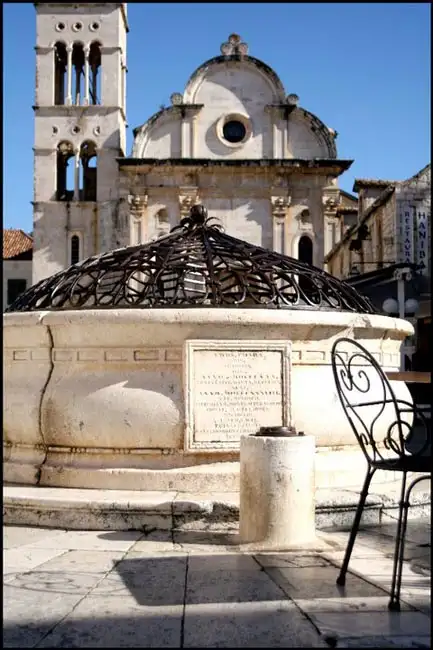
Our morning tour glimpses Hvar's historical and cultural heritage. The 15th-century Franciscan Monastery particularly fascinates, housing a Renaissance cloister and collection of rare manuscripts and books. The monastery church boasts an impressive painting collection. St. Stephen's Cathedral showcases the island's architectural and religious significance, its Renaissance façade overlooking the main square where locals and visitors gather for evening promenades.
Your afternoon unfolds at your own pace. Wander through narrow, winding streets admiring Venetian-style architecture and boutique shops offering local lavender products, olive oils, and handcrafted jewellery. For the adventurous, hiking up to the Venetian fortress reveals breathtaking panoramic views of the town and surrounding islands. The fortress, built in the 16th century to defend against Ottoman attacks, provides perspective on Hvar's strategic importance in controlling Adriatic sea routes.
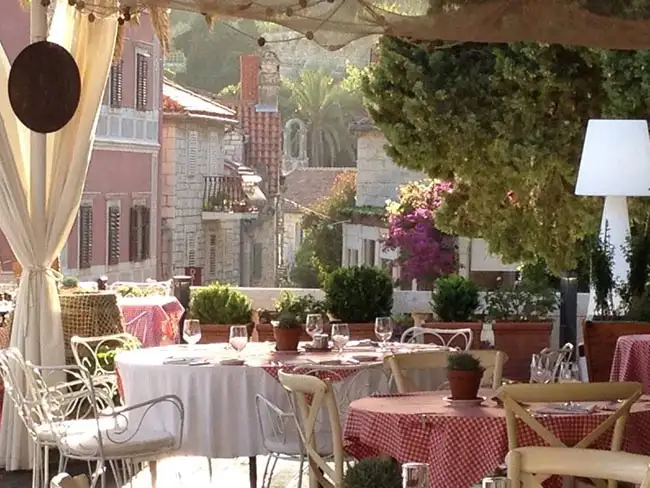
Evening brings the town alive as restaurants spill onto ancient stone squares, serving fresh seafood paired with wines from the island's sun-drenched vineyards.
Overnight in Hvar.
Included Meal(s): Breakfast and Dinner - Day 14:Hvar, Croatia - Pocitelj, Bosnia-Herzegovina - MostarWe embark on a scenic route from sun-kissed Hvar to enchanting Mostar. Our adventure begins with a ferry ride to charming coastal Drvenik, then we wind along the picturesque Dalmatian coast, drinking in breathtaking Adriatic Sea views.
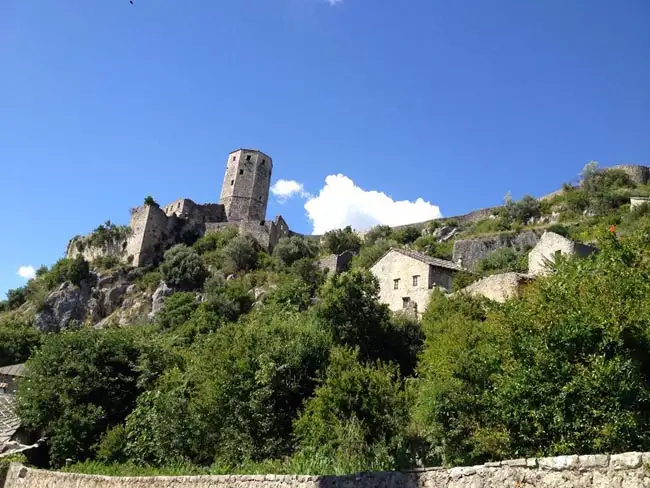
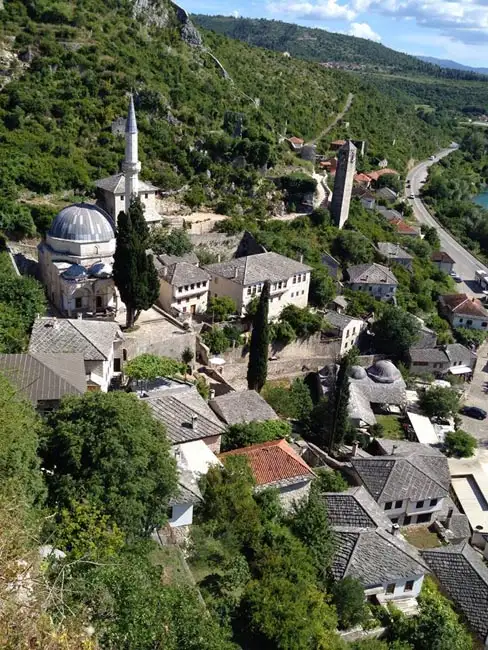
Approaching the Metković border crossing, we turn inland and enter captivating Herzegovina region. Our first stop is historic Počitelj, a true gem nestled along the Neretva River. This picturesque town presents a fascinating blend of Mediterranean and Oriental influences, evident in stunning architecture including the iconic Ottoman-era fortress and charming old bazaar.
After exploring Počitelj's timeless beauty, we continue to Mostar, a city that has captivated visitors for centuries. Despite significant wartime damage, Mostar has undergone remarkable restoration efforts, reclaiming its position as one of Bosnia and Herzegovina's most iconic destinations.
Upon arrival, we're greeted by the enchanting sight of the iconic Stari Most (Old Bridge), a magnificent Ottoman-era bridge spanning the emerald-green Neretva River. This historic bridge, reconstructed after wartime destruction using traditional methods and original materials, stands alongside the charming old town as testament to the city's rich cultural heritage and remarkable resilience in the face of adversity.
Overnight in Mostar.
Included Meal(s): Breakfast and Dinner - Day 15:Mostar, Bosnia-Herzegovina: Walking Tour - Dubrovnik, CroatiaWe begin with a walking tour of Mostar, exploring the ancient city dating to the 16th and 17th centuries. We visit a traditional house from this period, providing insights into Ottoman-era domestic life, and examine the recently rebuilt Mostar Bridge, the city's enduring emblem. Our tour includes the Museum of War and Genocide Victims, a poignant memorial dedicated to victims of the Bosnian War (1992-1995). Through harrowing exhibits, personal accounts, and multimedia displays, the museum illuminates the atrocities committed during this devastating conflict.
After our Mostar tour, we journey to Dubrovnik with a stop in the fortified town of Ston en route, arriving in late afternoon.
Dubrovnik's history, as ancient Ragusa, begins in the 7th century under Byzantine protection. In the 12th century, Ragusa—formerly an island—merged with mainland settlements when the channel between was filled with material. Today this area forms the main street, the Placa or Stradun. After shaking off Venice's yoke in 1385, Ragusa became an independent republic, remaining one of the Mediterranean's most powerful maritime forces for over four centuries until 1808.
Ragusa served as the link between the Mediterranean and Balkans, developing into an important trade and shipping centre. During the 16th-century "Golden Age," she possessed the world's third-largest merchant fleet with consulates in over 50 countries.
Overnight in Dubrovnik.
Included Meal(s): Breakfast and Dinner - Day 16:Dubrovnik: Walking TourThis morning features a walking tour of Dubrovnik's historic centre. Dubrovnik has been called "Croatian Athens" and the "Pearl of the Mediterranean" for its astounding beauty, sophisticated history and culture, and prosperity.
Over its tumultuous history, the city required extensive reconstruction; the 1667 earthquake destroyed much of the city, and in recent memory, the town was bombarded by over 2,000 shells in 1991-92. After great international efforts, the city has been restored to former glory, with towering fortifications, magnificent medieval architecture, red-tiled roofs, winding paved streets, and picturesque harbours.
We visit the Cathedral and Sponza Palace; en route we see many famous landmarks including Onofrio's fountain, the Clock Tower, Roland's Column, and the Church of St. Blaise, Dubrovnik's patron saint.
We also walk Dubrovnik's walls, considered by many a highlight of our visit. The total circuit spans nearly 2 kilometres, and from the bastions we enjoy magnificent views of the city's monuments, including Minčeta Tower, Revelin Tower, and the mighty fortress of St. Lawrence, with walls 12 metres thick!
Your afternoon is free to enjoy this memorable place.
Overnight in Dubrovnik.
Included Meal(s): Breakfast and Dinner - Day 17:DepartureDeparture from Dubrovnik.
As our Adriatic journey concludes, we've traced the footsteps of Roman emperors through Split's ancient palace, witnessed the ethereal beauty of Plitvice's cascading lakes, and marvelled at architectural treasures from Ljubljana to Dubrovnik. We've crossed borders where empires once clashed, tasted wines aged in island sunshine, and walked medieval streets where merchants once traded between East and West. The memories we've shared—from Albania's turquoise lakes to Croatia's island-dotted coastlines—will endure long after we part ways.
SRETAN PUT! (Safe travels!)
Included Meal(s): Breakfast
Countries Visited: Bosnia and Herzegovina, Croatia and Slovenia
*The red tour trail on the map does not represent the actual travel path.
Book This Tour
- Final payment: Due 90 days prior to departure.
- Deposit: A non-refundable $1000 CAD Deposit is required at booking.
- Optional Single Supplement: $1950 CAD (number of singles limited).
(View options forsingle travellers) - $1000 deposit required. Once our tour becomes 'guaranteed,' we will request an additional pre-payment of $500 per person. Contrary to our usual terms and conditions governing deposits, once the tour is guaranteed and further pre-payment is made, all monies become 100% non-refundable, non-transferrable.
Prices below are per person, twin-sharing costs in Canadian Dollars (CAD). Pricing does not include airfare to/from the tour and any applicable taxes.
Frequently Asked Questions
- What is the maximum number of participants on a trip?Most of our tours carry a maximum of 18 participants; some tours (ie hiking tours) top out at 16. In the event that we do not achieve our minimum complement by our 90-day deadline, we may offer group members the option of paying a "small-group surcharge" as an alternative to cancellation. If all group members agree, we will confirm the trip at existing numbers; this surcharge is refundable in the event that we ultimately achieve our regular minimum. If the small group surcharge is not accepted, we will offer a refund of your deposit or a different trip of your choice.
- Can I extend my tour either at the beginning or end? What about stopovers?Yes, you can extend your tour either at the beginning or the end and we can book accommodation in our tour hotel. Stopovers are often permitted, depending on air routing. Stopovers usually carry a "stopover" fee levied by the airline.
- How do I make a reservation? How and when do I pay?The easiest way to make a reservation is via our website; during office hours, you are also more than welcome to contact us by telephone.
A non-refundable deposit is payable at the time of booking; if a reservation is made within 90 days, full payment is required. Some trips require a larger deposit. If international airline bookings require a non-refundable payment in order to secure space or the lowest available fare, we will require an increase in deposit equal to the cost of the ticket(s).
Early enrolment is always encouraged as group size is limited and some trips require greater preparation time.
Once we have received your deposit, we will confirm your space and send you a confirmation package containing your trip itinerary, any visa/travel permit related documents, invoice, clothing and equipment recommendations, general information on your destination(s), and forms for you to complete, sign and return to us. Your air e-tickets (if applicable), final hotel list, final trip itinerary, and instructions on how to join your tour, will be sent approximately 2-3 weeks prior to departure. - What about cancellations, refunds, and transfers?Please review our cancellation policy page for details.
- I am a single who prefers my own room. What is a single supplement?All of our tours have a single supplement for those who want to be guaranteed their own room at each location.
This supplement is a reflection of the fact that most hotels around the world do not discount the regular twin-share rate for a room by 50% for only one person occupying a room. Most hotels will give a break on the price, but usually in the range of 25-30% of the twin-share rate. This difference, multiplied by each night, amounts to the single supplement.
The conventional amount can also vary from country to country and some destinations are more expensive than others for single occupancy. In order to be "single friendly," the supplements we apply are not a profit centre for us and we do our best to keep them as reasonable as possible.
On most tours we limit the number of singles available, not to be punitive, but rather because many hotels allow for only a limited number of singles; some smaller hotels at remote locations also have a limited number of single rooms available.
Please note that most single rooms around the world are smaller than twin-share rooms and will likely have only one bed. - Do you have a shared accommodation program?Yes! If you are single traveller and are willing to share, we will do our best to pair you with a same-gender roommate. Please note that should we fail to pair you, we will absorb the single supplement fee and you will default to a single room at no extra charge.