- History
- Overview
- Info & Inclusions
- Itinerary
- Map & Hotels
- Photos
- Dates & Prices
- Tour Duration: 29 Days
- Max Group Size 18
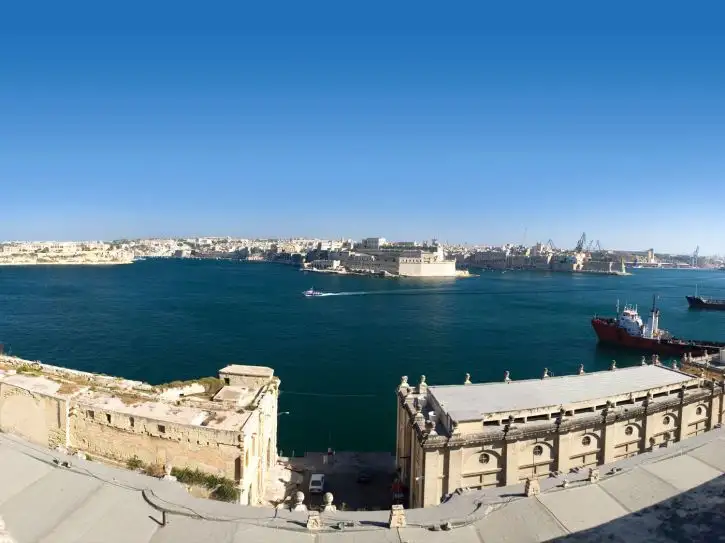
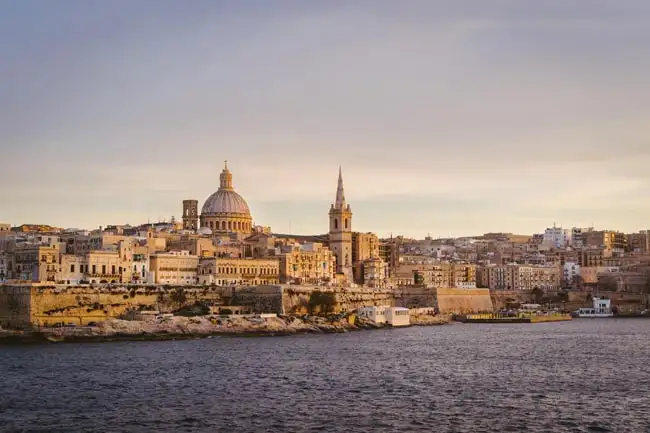
- Guided Valletta harbour cruise
- Pre-historic temples of Hagar Qim and Ggantija, beautiful Gozo
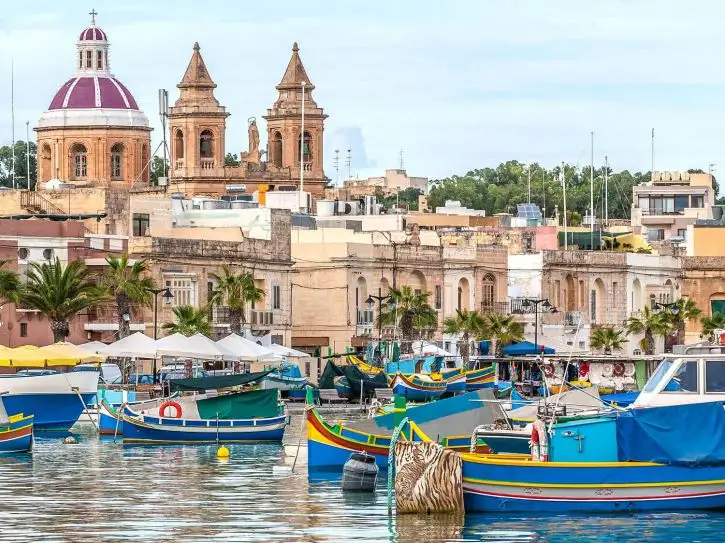
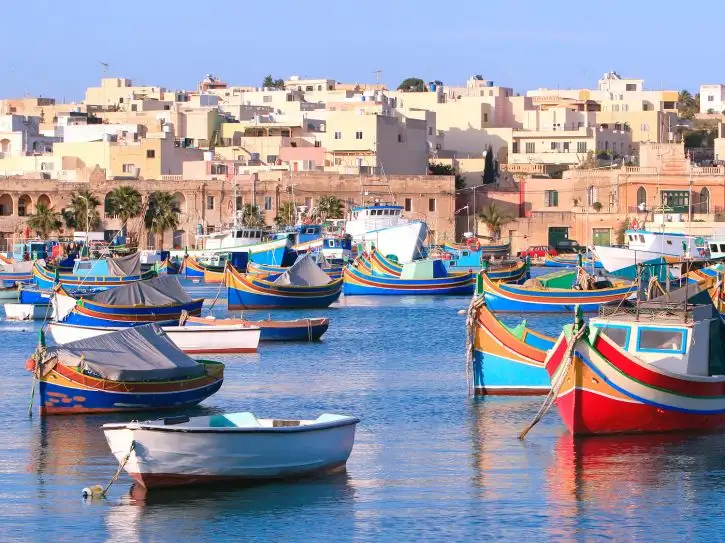
- Colourful fishing village of Marsaxlokk
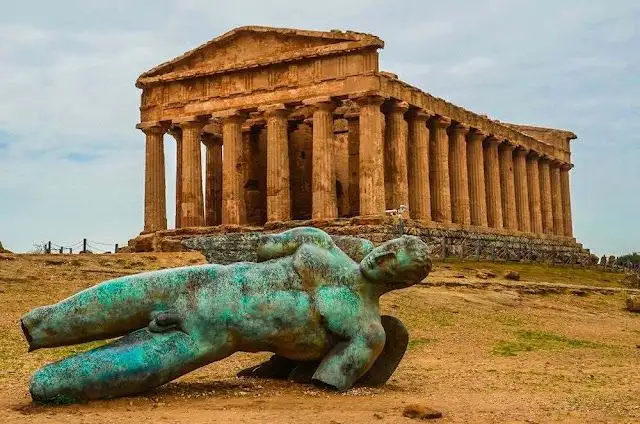
- Ancient Greek Temples at Agrigento & Paestum
- Compelling Pompeii
- Verona of Shakespeare's 'Romeo and Juliet'
- Water taxi ride on Venice canals
- Singles friendly (view options for single travellers)
In Malta, we cast off for a short sailing expedition along the routes once travelled by the Knights of St. John, see the Grand Master's Palace in Valletta, as well as innumerable other historic sites dating from prehistoric and Neolithic eras, to Phoenician, Roman and colonial times.
Experience the colour of picturesque fishing villages and embrace mythical worlds on a trip to the Blue Grotto, fabled home of the beautiful but deadly Sirens.
Our adventure in Italy begins on Sicily, where we soak up the ambiance in outdoor markets, admire Byzantine mosaics and Arab-Norman architecture, and wander the ruins of massive World Heritage temples and Greco-Roman amphitheatres.
Via Pompeii and Naples, we head to Rome, a metropolis that numbers as one of the world's greatest capital cities and a destination that never fails to deliver an eternity of memories.
We tour the Colosseum, the plazas and squares, the seat of the Roman senate, the magnificent fountains, the temples and citadel, and, of course, the cafes, before we make headway for the Vatican.
An incredible, star-studded line-up of destinations brings our tour to a close: Siena, Pisa, Florence, Verona and Venice; each draws thousands of travellers each year and each would alone warrant a trip to Italy.
Attractions by the dozen and magical experience by the hundred; this Malta and Italy tour truly is a blockbuster.
- MealsSavour authentic flavours with included daily breakfasts and dinners at handpicked local restaurants—immersing you in local cuisine without worrying about reservations or budgets.
- Transport & Logistics
Private air-conditioned coaches and included internal ferries and flights—ensuring hassle-free travel so you can focus entirely on the discoveries ahead.
"Adventures Abroad tour leader's management and guest services managed the tour with great skill and dedication. The tour leader was on top of every move and transfer. We have not experienced any issues with logistics and had a great time."
~ JULIA O"The tour leader did an excellent job coordinating some difficult travel logistics, power outage issues and resolving problems and dealing with guests who had unrealistic expectations."
~ CYNTHIA COLLINS - Expert Guidance
Unlock insider secrets at every landmark with your full-time Tour Leader and expert local guides , all gratuities covered—no hidden tipping surprises—so you immerse fully in your destination's stories, worry-free. (Except for the tips to your tour leader at the end of your tour.)
"Amazing tour guide. Our tour guide was very well organized, Her passion, knowledge, and enthusiasm completely transformed the travel experience into something truly unforgettable..."
~ MELANIE LEMAIRE"Highly recommend every trip with Adventures Abroad. It's a well organized and well thought out adventure. The tour leaders are friendly, knowledgeable and experienced professionals. Highly recommend this company."
~ SUSAN WALL - Sightseeing & EntrancesAll entrance fees for sites visited as per the itinerary—no hidden costs—so you can explore ancient ruins and excursions with complete peace of mind.
- AccommodationsUnwind in clean, well-located 3 to 4-star hotels with private en suite facilities—handpicked for comfort and convenience after each day's discoveries—so you can rest easy knowing your stay supports the real adventure, not steals the spotlight.
- Small Group
Discover the world in small groups of up to 18 travellers plus your expert Tour Leader—unlocking spontaneity, off-the-beaten-path adventures, and genuine connections at a relaxed pace, free from crowds.
"Looking Forward to My Next Adventure The best feature of the Adventures tour was the small size that allowed the group to quickly load up, let everyone get acquainted within the first 24 hours, capitalize on unplanned surprises along..."
~ PHILIP BLENSKI"Good value for a great time I have traveled with Adventures Abroad for over 20 years now. Well thought out, interesting itineraries and the other travelers congenial and friendly. The price always seems fair and overall a..."
~ Trusted Customer - Airport Transfers For Land & Air CustomersWe handle hassle-free airport transfers for all our land and air tour customers—plus early arrivals or late departures when you book extra hotel nights directly with us for added peace of mind.
- International airfare to/from the tour.
- Tour Leader gratuities, lunches, drinks, personal items (phone, laundry, etc), international (if applicable) and domestic air taxes, excursions referenced as 'optional'.
- Airport transfers for Land Only customers.
- Optional trip cancellation insurance.
- Malta's Hal Saflieni Hypogeum site and tour is a popular option should you choose to extend your stay outside of our tour. We do not include it in our program as the number of visitors per day is very limited and spaces tend to sell out well before many/most of our travellers commit to our tour
- As such, promising the visit in our itinerary is problematic. We suggest booking your own visit once our tour is 'guaranteed' to operate.
- Seasonality and Weather:
MALTA
We offer Malta in spring and fall when temperatures are mild, crowds thinner, and air fares lower. Spring is popular with visitors who enjoy green landscapes and wildflowers; fall visitors will enjoy locally harvested produce which make its way onto local menus.
ITALY
If you’re a fan of milder weather and less-crowded travel experiences, either spring or fall is the perfect times to plan your Italian adventure. Italy is fortunate to have a temperate climate most of the year, with the summer months (June, July, and August) being the hottest.
SOUTH - SPRING
The weather in Sicily in May is characterized by an abundance of sunshine and gentle breezes, offering an average of 10-11 hours of daylight for exploration. As the average temperature in Sicily in May is about 18C, this month encapsulates the allure of Sicily in spring.
FALL
In Campania and Sicily, fall weather remains comfortably warm, with daytime temperatures ranging from 20-25C (68-77°F) and cooler evenings at around 14-18C (57-64°F). The coastal regions, such as the Amalfi Coast and Naples, offer an enjoyable seaside experience with temperatures ranging from 18-23C (64-73°F) during the day and around 12-17C (54-63°F) in the evenings.
NORTH - SPRING
Italy's weather in May is exceptionally welcoming, with mild temperatures and conditions made for blooming flowers. Travel is very comfortable, as you'll avoid the blistering heat typical of summer. As summer approaches, temperatures in most parts of Italy start to rise. In central and northern Italy, including cities like Florence and Venice, May temperatures typically range from mild to warm, with average highs between 15C (59°F) and 23C (73°F).
FALL
With its vibrant fall colours and bountiful harvest, October is a fantastic time to explore Italy’s stunning landscapes, soak up its rich history, and indulge in mouthwatering cuisine. The summer heat gradually gives way to cooler autumn breezes, creating an ideal atmosphere for outdoor activities. The northern regions experience the early signs of autumn, with temperatures ranging from 12-18C (54-64°F) - Transport and Travel Conditions:
Transport throughout by private air-conditioned motor coach, 24-36 seats depending on ultimate group size (see 'group size'). Though we will have some full bus days, road travel is not particularly arduous as there are plenty of stops of interest. Roads are in good condition, though a little winding on some stretches. Short ferry crossings; scheduled flight to Sicily.
This trip is typical of most of our European tours, which are ambitious and involve full days of travel and sightseeing. While we don't have any actual strenuous activity (ie hiking) built into the program, you will do a lot of walking on this trip. These walks will mostly be in the form of walking tours of towns and cities and short walks to dinner. Being Europe, and a hilly/mountainous area, cobbles, uneven surfaces, and slopes/stairs are common. If you are accustomed to typical "bus tours," which rely heavily on vehicular transport for all sightseeing activities, you should be aware that this tour is considerably more active.
Am I suitable for this tour? Please refer to our self-assessment form - Activity Level: 2
These are particularly busy tours that feature a lot of moving around, sometimes by train and short journeys on local transport. Walking tours of towns and cities are leisurely but you should be prepared to be on your feet for several hours. Some of our cultural trips that occur at high altitude and/or require greater independence with baggage handling (at hotels, airports, train stations) also fall into this category.
To learn more about the Activity levels, please visit our tour styles page. - Accommodation:
Well-located, air- conditioned, mid-range hotels and inns (3-4 star) used throughout. Some hotels are smaller properties (3-4 story) that may not have elevators. All hotels have en suite bath, though some may have shower only. Porter service is sometimes available (see 'inclusions') though you should be independent with your luggage. Single rooms are limited and likely smaller than twins. - Staff and Support:
Tour Leader throughout, driver (s), local step-on guides in various locales. - Group Size:
Maximum 18 (plus Tour Leader)
- Day 1:Arrival in MaltaWelcome to Malta!
Malta has a greater density of historic sights than any other country. Starting with its unique prehistoric temples, some of the oldest stone buildings in the world, it also has Roman catacombs, medieval towns, and the extraordinary architectural and artistic legacy of the Knights of St John (the Knights of Malta). The British left behind red letter boxes and phone booths, as well as the language, in spite of which Malta (independent since 1964) remains thoroughly Maltese. The country has thankfully shaken off the British culinary legacy and is home to some excellent restaurants specialising in Mediterranean food.
Overnight in Malta.
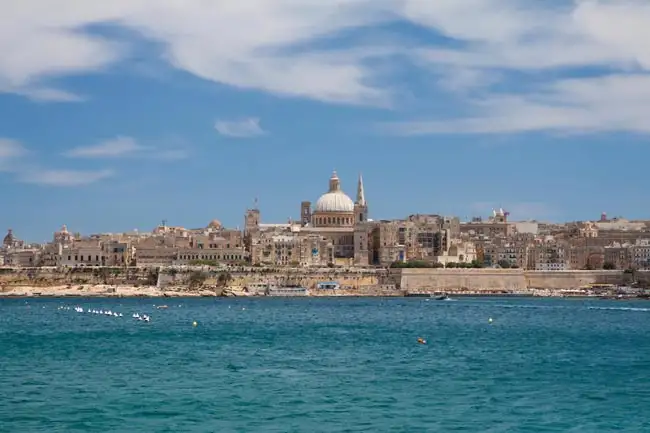
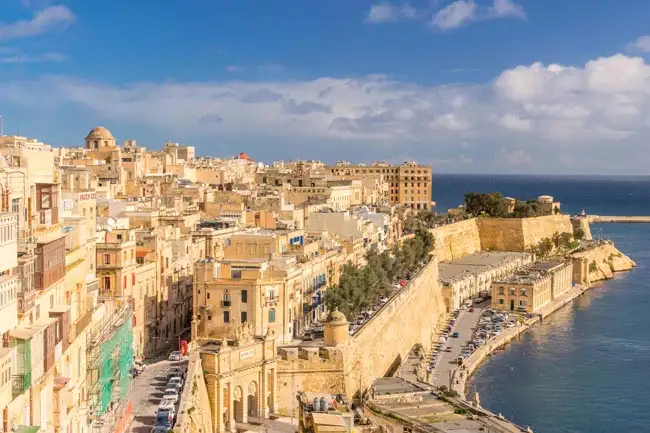
Included Meal(s): Dinner - Day 2:Valletta: Walking TourThis morning we set out on foot to explore Valletta, Europe's smallest capital, built by the Knights of St. John as a fortress city following their victory in the Great Siege of 1565.
We begin at the Upper Barakka Gardens, terraced gardens laid out along the bastion walls with sweeping views across the Grand Harbour to the Three Cities beyond, where the Saluting Battery below still fires its noon-day gun. From here we walk to the National Museum of Archaeology, housed in the Knights' Auberge de Provence, where the "Sleeping Lady" and other Neolithic treasures trace Malta's temple-building culture back some 5,000 years.
St. John's Co-Cathedral, the Knights' conventual church, hides a gilded Baroque interior and inlaid marble tombs behind a deceptively plain facade. Its museum holds Caravaggio's largest known painting, The Beheading of St. John the Baptist, completed during the artist's turbulent stay on the island. Nearby, the Grand Master's Palace served as the Order's seat of government for over two centuries; we tour its state rooms, hung with Gobelin tapestries, and the Palace Armoury, its halls lined with knights' swords, breastplates, and ceremonial suits of armour.
We close the day at the Sacra Infermeria, the Knights' 16th-century hospital, for "The Malta Experience," an audiovisual journey through seven millennia of island history, from the temple builders to independence.
Overnight in Valletta.
Included Meal(s): Breakfast and Dinner - Day 3:Valletta Harbour Cruise & Prehistoric TemplesFrom Valletta we transfer to Sliema, departure point for a cruise around the Grand Harbour and Marsamxett Harbour, the twin anchorages that made Malta indispensable to every power from the Phoenicians to the British navy.
The boat traces a fortified shoreline built by the Knights after their victory in the 1565 Great Siege, when Ottoman forces besieged the island for over three months and were ultimately repelled. We pass beneath bastion walls raised in the siege's aftermath and the historic dockyards of the Three Cities, still active with naval and merchant traffic today.
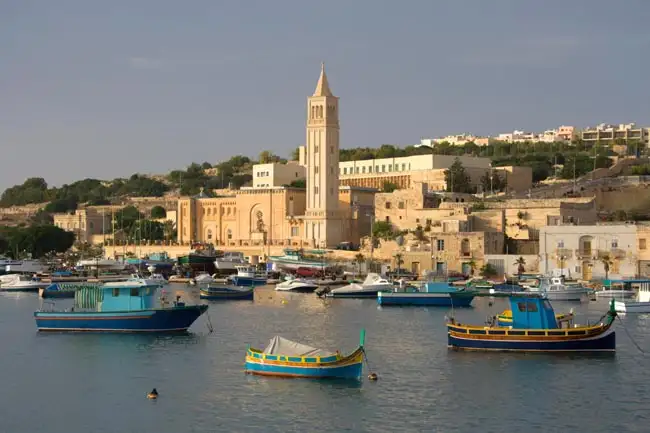
From Sliema we continue to Marsaxlokk, a fishing village where painted luzzu boats crowd the quay, their bows marked with protective eyes in a tradition tracing back to Phoenician times. Stalls along the harbour sell the morning's catch alongside local lace and produce, and on Sundays the village hosts Malta's largest open-air fish market.
Our final stop is Hagar Qim and Mnajdra, twin temple complexes standing on limestone cliffs above the islet of Filfla. Built between 3600 and 3200 BCE, these are among the oldest free-standing structures on Earth, predating Stonehenge and the pyramids of Giza by well over a thousand years. Hagar Qim's megalithic slabs, some weighing over 20 tonnes, were shaped and raised without metal tools, while Mnajdra's entrance aligns precisely with the sunrise on the solstices and equinoxes.
Overnight in Valletta.
Included Meal(s): Breakfast and Dinner - Day 4:Day Trip to GozoThe brief ferry crossing to Gozo transports us to an island that feels like Malta's rural cousin. Gozo maintains a distinct cultural identity and dialect, with landscapes and traditions that modern Malta has largely abandoned. The prehistoric temples of Ggantija rank among humanity's oldest religious monuments, dating back to 3600-3200 BCE. Local folklore attributes their construction to giants, and the megaliths' sheer size is awe-inspiring. Victoria, Gozo's capital, clusters around the fortified citadel of Il-Kastell, which has been continuously fortified for over 4,000 years.
Within the citadel, the Cathedral of the Assumption showcases trompe-l'oeil ceiling paintings that create illusory domes. At Dwejra, we witness geological forces at their most dramatic. Two enormous limestone caverns collapsed to create today's Inland Sea, a lagoon connected to the Mediterranean through a 100-metre tunnel. Local fishermen guide us through this natural wonder, past the Blue Hole and Fungus Rock, where Knights of St. John once harvested rare medicinal plants. The cynomorium coccineus growing on Fungus Rock was highly valued for its medicinal properties, reminding us how biological diversity creates economic value across cultures.
Overnight on Malta
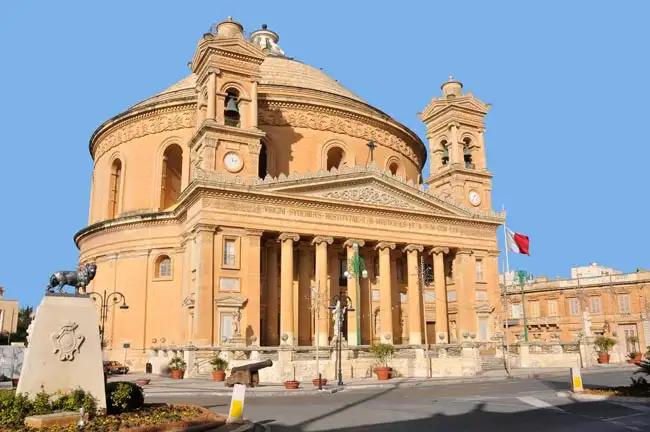
Included Meal(s): Breakfast and Dinner - Day 5:Mosta, Mdina, Rabat & Dingli CliffsThis morning we leave Valletta for Mosta, home to the Rotunda, a parish church whose dome ranks as Europe's third-largest unsupported dome at 37 m/122 ft across. In April 1942, a German bomb pierced the roof during Mass and failed to detonate, an escape residents still call the Miracle of Mosta.
From Mosta we continue to Mdina, Malta's fortified hilltop capital for close to a thousand years before the Knights moved the seat of power to Valletta. Its cathedral, quiet lanes, and honey-coloured bastions earned it the nickname "Silent City," a title that still suits its near-empty streets once the day-trip crowds depart; only residents' vehicles are permitted within the walls, and a handful of aristocratic Maltese families still occupy its palazzi.
Just outside the walls, Rabat holds the remains of Roman Melite. We tour the Domus Romana, a 1st-century townhouse whose mosaic floors were uncovered beneath later buildings, then descend into the Catacombs of St. Paul and St. Agatha, extensive underground burial complexes used by Malta's early Christian and Jewish communities from the 3rd century onward.
On the return route, we stop at the Dingli Cliffs, where limestone bluffs drop some 250 m/820 ft to the sea and, on clear days, the uninhabited islet of Filfla is visible offshore.
Overnight in Valletta.
Included Meal(s): Breakfast and Dinner - Day 6:Valetta, Malta - Palermo, Sicily, ItalyToday we fly to Palermo.*
Palermo is the capital of both the autonomous region of Sicily and the Metropolitan City of Palermo. The city is noted for its history, culture, architecture and gastronomy, playing an important role throughout much of its existence; it is over 2,700 years old. To gain an initial understanding of the city's unique culture, start by wandering the streets of the old city. The mix of architectural styles points to the wave upon wave of invaders who have claimed the city as their own, as does the look of the locals.
* Due to air scheduling considerations, we may elect to fly the group to nearby Catania instead of Palermo and transfer to Palermo from there (+/- 2 hours). For our purposes, Catania often has more convenient departure/arrival times.
Overnight in Palermo.
Included Meal(s): Breakfast and Dinner - Day 7:Palermo: City TourWe begin at the Baroque heart of the old city, where Quattro Canti divides Palermo into four quarters, each corner presided over by a season and a Spanish monarch. Steps away, Piazza Praetoria centres on the great Renaissance fountain whose nude figures so scandalized 16th-century Sicilians that they called it the Fontana della Vergogna—the Fountain of Shame. That Sicily, then deep in Counter-Reformation piety, was ruled by a Spanish viceroy who commissioned such a work tells you something about the contradictions this city has always absorbed with remarkable grace.
At the Martorana Church, those contradictions find their most beautiful expression. Built by a Greek admiral in the service of a Norman king, its interior blazes with Byzantine mosaics laid tile by tile in the 12th century—a fusion of Arab spatial geometry, Norman patronage, and Orthodox iconography that exists nowhere else on earth.
From there we plunge into Il Capo market, one of Palermo's great sensory experiences. Fishmongers display magnificent swordfish and glistening octopus alongside the agricultural wealth of Etna's volcanic hinterland—citrus, olives, almonds—in a market culture that has changed little since the Arab traders who introduced many of these ingredients a thousand years ago.
We then make the short drive up to Monreale—the "Royal Mountain"—where Norman King William II constructed a cathedral in the late 12th century as a declaration of his kingdom's sophistication and his own piety. Its interior is among the greatest achievements of the medieval world: 6,000 square metres of gold mosaic covering walls and apse in a Biblical narrative that moves from Creation to the miracles of Christ, watched over by a monumental Pantocrator of almost unsettling authority.
Our day concludes at the Church and Monastery of Santa Caterina d'Alessandria, where Dominican nuns once perfected the art of Sicilian confectionery in its cloisters. The convent's rooftop terraces offer sweeping views across Palermo's piazzas, while the onsite bakery I Segreti del Chiostro carries those centuries-old traditions forward. As this is a large and rewarding site, we end our formal tour here so you can linger and explore at your own pace before we gather for dinner.
Overnight in Palermo.
Included Meal(s): Breakfast and Dinner - Day 8:Palermo - Segesta - Selinunte - AgrigentoWe journey across Sicily's ancient Greek heartland, where colonies once rivalled Athens in wealth and ambition. Sicily was part of Magna Graecia—when mainland Greece grew overcrowded in the 8th century BC, bold settlers sailed west seeking new fortunes. To them, Sicily represented what the Americas would mean to 16th-century Europeans: vast possibilities, untold riches, and considerable dangers.
Our first stop is Segesta, where a perfectly preserved Doric temple stands as testimony to Greek architectural mastery. This powerful city-state waged bitter wars with its rival Selinunte, our next destination. After a break for lunch, we explore Selinunte's magnificent ruins, once home to over 100,000 inhabitants and boasting an unrivalled temple-building program. Lost to history until a Dominican monk rediscovered its location in the 16th century, these temples rank among the ancient world's most impressive monuments.
We continue to Agrigento, where tomorrow we'll witness Sicily's most spectacular Greek legacy.
Overnight in Agrigento
Included Meal(s): Breakfast and Dinner - Day 9:Agrigento: Site Tour - Piazza Armerina - EnnaWe begin among Agrigento's magnificent temples, where five elevated structures create a picture-perfect tribute to ancient paganism's enduring power. Time, earthquakes, Punic Wars, and Christianity's rise have all tested these World Heritage landmarks, yet they remain defiant against Sicily's azure sky.
Next, we travel inland to explore Villa Romana del Casale near Piazza Armerina, a vast 4th-century complex that may have belonged to co-emperor Maximianus. This archaeological treasure houses some of the world's most beautiful Roman mosaics, including detailed hunting scenes, mythological images, and the delightful "bikini girls" performing ancient aerobics—proof that athletic fashion has ancient roots.
We then proceed to Enna, perched high in Sicily's interior. You'll have free time to explore this mountain town, perhaps visiting the Castello di Lombardia or Torre di Federico II for stunning panoramic views; your Tour Leader will point you in the right direction.
Overnight in Enna
Included Meal(s): Breakfast and Dinner - Day 10:Enna - Siracusa: Archaeological ParkWe travel toward Sicily's eastern coast, coming within sight of Mount Etna's imposing slopes. At 3313m (10,866 feet), Etna stands as one of Earth's most active volcanoes—both blessing and curse for local inhabitants. While volcanic soil creates extraordinary fertility, the constant threat of eruption looms; Catania was nearly buried by lava flows in 1669.
We arrive in Siracusa (Syracuse) and tour the Archaeological Park, including the Greek theatre where ancient dramas once echoed, the Monumental Altar of Hieron II, and the Latomia del Paradiso quarry with its famous "Ear of Dionysius." After a break for lunch, we explore Ortygia, old Siracusa's historic heart, wandering narrow streets where we discover the Temple of Apollo, Fountain of Aretusa, the main piazza, and the remarkable Duomo—a former Temple of Athena transformed into a Christian cathedral.
Overnight in Siracusa.
Included Meal(s): Breakfast and Dinner - Day 11:Siracusa - Mount Etna - TaorminaWe depart Siracusa and drive up the east coast toward Taormina, with stunning views of Mount Etna dominating our horizon. We'll make a detour and drive up Etna's slopes—have a sweater handy as we'll be approaching 1,800m (6,000 ft)! (Depending on weather, we may explore Mount Etna tomorrow instead.) This is Europe's highest volcano and one of the world's most active; its spectacular eruptions and fiery lava flows have fascinated scientists and visitors for millennia.
We continue to Taormina, arguably Sicily's most beautiful town—an ancient hilltop settlement full of history and culture, perfectly positioned between mountains and sea. Taormina's reputation for welcoming travellers spans centuries, combining incredible heritage in archaeology and architecture with genuine Sicilian hospitality.
Overnight in Taormina.
Included Meal(s): Breakfast and Dinner - Day 12:Taormina: City TouringWe begin with a leisurely walking tour starting at the almost perfectly-preserved Greco-Roman amphitheatre, Taormina's greatest treasure. This 3rd-century cliff-side arena once seated 5,000 spectators, with Mount Etna framed perfectly as a backdrop to the 1,800-year-old stage—a setting that continues to inspire artists and performers today.
We explore the Palazzo Corvaia with its fascinating blend of Arab, Norman, and Catalan elements, where Sicily's first parliament convened in 1410. The charming Corso Umberto I pedestrian street runs the town's length, lined with shops and boutiques leading to Piazza IX Aprile, where lovely views stretch across Naxos harbour to the Italian mainland. Above us rises the medieval fortress, while in Piazza del Duomo, Taormina's 15th-century basilica stands beside a fountain topped by the town's symbol: a female centaur statue.
The afternoon is yours for independent exploration of this enchanting town.
Overnight in Taormina
Included Meal(s): Breakfast and Dinner - Day 13:Taormina, Sicily - Paestum, Italian MainlandWe take a short ferry ride from Sicily to the Italian mainland and proceed by motor coach to Paestum, where three Doric Greek temples rank among the world's best preserved, rivalling those of Sicily and Athens. Originally built without mortar or cement—simply covered by terra-cotta tile roofs supported by wooden beams—these temples survived even the great earthquake of AD 69 that reduced Pompeii to rubble.
After periods of native Italian control in the 5th and 4th centuries BC, Paestum fell to Rome in 273 BC and was renamed. It remained a Roman town until deforestation of nearby hills turned the area into swampy marshland. Plagued by malaria and pirates, Paestum's ruins lay relatively untouched until rediscovered in the 18th century.
Overnight in Paestum
Included Meal(s): Breakfast and Dinner - Day 14:Paestum - National Archaeological Museum - PompeiiWe travel to Naples where we see the colourful harbour front and Castel dell'Ovo, a 12th-century fortress built on ancient villa ruins, before visiting the National Archaeological Museum. This impressive facility houses one of the world's most comprehensive collections of Greek and Roman antiquities. Built on Santa Teresa Hill as military barracks, later transformed into a university campus, it was remodelled in 1790 to receive the treasures of Pompeii and Herculaneum.
We then visit ancient Pompeii, dug out from volcanic ash and pumice stone deposited by Mount Vesuvius's eruption in AD 79. This entire area provides a fantastic record of how ordinary Romans lived their daily lives. We explore the House of Vetti, the most elegant of Pompeii's villas, and examine the intriguing House of Mysteries. The nearby House of Faun occupies an entire city block with four different dining parlours and two spacious gardens.
Overnight in Pompeii
Included Meal(s): Breakfast and Dinner - Day 15:Pompeii: Herculaneum & Amalfi by SeaThis morning we visit Herculaneum, a small town buried by Vesuvius in AD 79 and preserved in remarkable detail. Our tour includes the Suburban Baths and the Casa dei Cervi, an outstanding example of how Rome's aristocracy lived.
The Amalfi Coast is best approached from the water, as the cliff road is too narrow for a full-size coach. We drive to Salerno's harbour and board the ferry to Amalfi, watching terraced lemon groves, pastel villages and sheer cliffs unfold along the coast. Round-trip ferry tickets (Salerno–Amalfi–Salerno) are included.
The rest of the day is yours in Amalfi, once a powerful maritime republic. Its Duomo, with a 13th-century bell tower, and the Cloister of Paradise are well worth a visit, and lunch is yours to enjoy however you choose.
In the afternoon we ferry back to Salerno, where our coach waits to return us to our Pompeii hotel.
NOTE: Ferry operations depend on weather; your Tour Leader will advise of any adjustments.
Overnight in Pompeii.
Included Meal(s): Breakfast and Dinner - Day 16:Pompeii - Monte Cassino - RomeToday's journey takes us to north to Rome via Monte Cassino. During the Roman Empire, the abbey located here was one of the great European centres of Christendom and one of the largest repositories of ancient learning. In 1944, Monte Cassino was destroyed by the Allied forces who suspected that it was occupied by German troops. The military cemetery on the nearby hill contains the graves of 1,100 Polish soldiers who lost their lives in the final assault.
Later we continue to Rome.
Overnight in Rome.
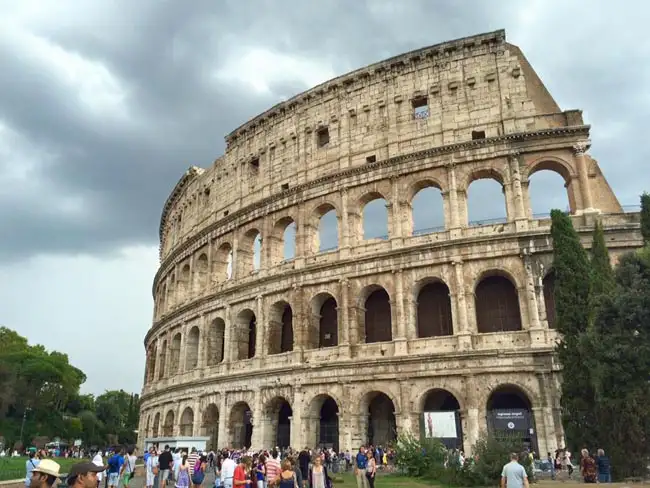
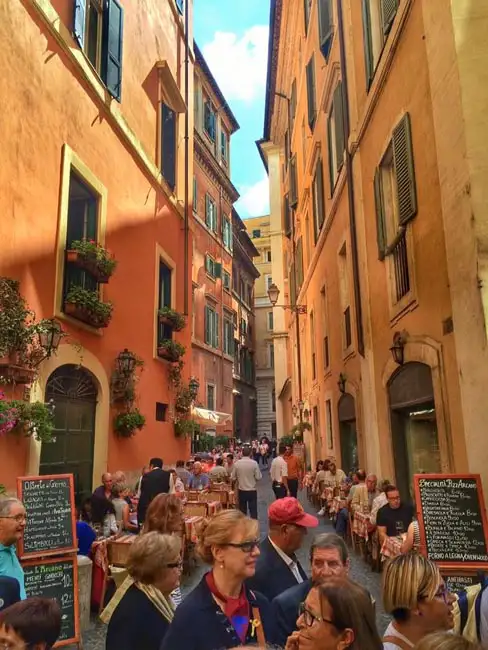
Included Meal(s): Breakfast and Dinner - Day 17:Rome: City TourWe begin at the Colosseum, where 55,000 spectators once roared as gladiators fought for survival above a labyrinthine underground of trapdoors and animal pens. Still dominating the cityscape nearly 2,000 years on, it unsettles as much as it impresses — because it was designed to. We then walk through the Roman Forum, heart of ancient civic life, where the Curia housed the Senate and the Arch of Titus commemorated the sacking of Jerusalem in AD 70. Among weathered columns and temple foundations, we stand at the physical centre of an empire that shaped Western civilisation.
Ascending to Capitoline Hill, we reach the Campidoglio — Rome's original citadel, redesigned by Michelangelo in the 16th century with the kind of harmonious geometry that would have pleased the ancients he admired. It is a fitting place to consider what separates Rome from other great cities: here, the ancient and the Renaissance don't merely coexist — each made the other possible.
We continue to Piazza Navona for lunch, surrounded by Baroque splendour. Bernini's Fountain of the Four Rivers — the Nile, Ganges, Danube, and Plate — asserted papal authority across continents as much as it delighted the eye. From here we walk to the Trevi Fountain, fed by an aqueduct built in 19 BC and still flowing, then proceed to the Pantheon. Its unreinforced concrete dome — wider than St. Peter's — was the largest in the world for thirteen centuries and remains a quiet provocation to everything built since.
NOTE: Due to traffic constraints and the proximity of today's sites, we travel primarily on foot and by Rome's efficient public transit system (tickets included). Any sightseeing not completed today continues tomorrow afternoon.
Overnight in Rome.
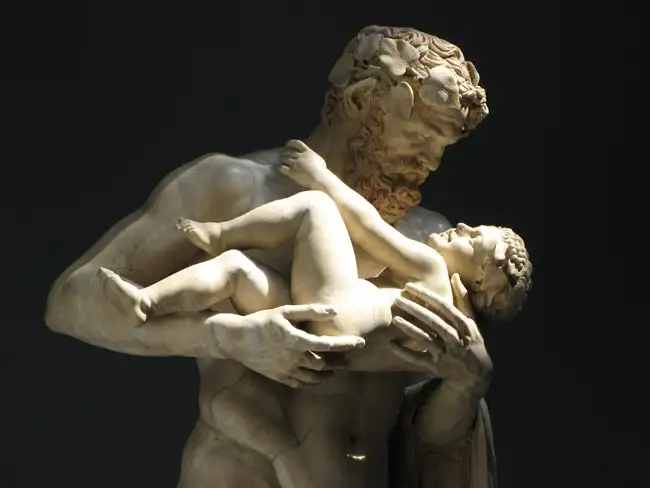
Included Meal(s): Breakfast and Dinner - Day 18:Rome: the Vatican Museums & St. Peter'sWe travel by metro across the Tiber River to Vatican City, the world's smallest sovereign state. Our guided tour begins in the vast Vatican Museums, where corridors seem to stretch infinitely, lined with humanity's greatest artistic achievements. Here we discover Greek and Roman sculptures that influenced Renaissance masters, Flemish tapestries depicting biblical narratives, and glittering mosaics assembled tile by precious tile. More than three million visitors journey here annually to witness this extraordinary collection.
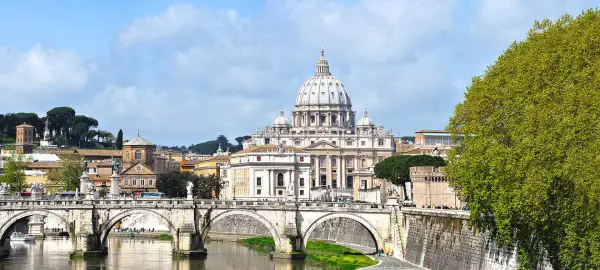
The museums' crowning glory awaits in the Sistine Chapel, where Michelangelo's frescoes transform ceiling and walls into a theological masterpiece. Created between 1508 and 1512, these paintings revolutionised art history—their anatomical precision and emotional depth remain unsurpassed. We then enter St. Peter's Basilica, Christendom's largest church, its cavernous interior housing treasures including Michelangelo's tender Pietà, carved when he was just 24 years old. Outside, the elegantly symmetrical Piazza San Pietro embraces visitors in Bernini's colonnade arms.
After a break for lunch, we continue with any sightseeing carried over from yesterday.
NOTE: The timing and order of today's sightseeing may vary depending on seasonality. During lighter periods, we often begin in the morning; busier times may require an afternoon or evening visit to avoid crowds. We may include lunch instead of dinner today to optimise our schedule. Your Tour Leader will advise upon arrival.
Overnight in Rome.
Included Meal(s): Breakfast and Dinner - Day 19:Rome - Assisi - SienaWe depart Rome for Tuscany, stopping first in Assisi — a hilltop town of pink limestone and cypress shadows that receives millions of pilgrims annually yet somehow retains the stillness its most famous son prescribed. Born here in 1182 to a prosperous cloth merchant, Francis renounced his inheritance as a young man and embraced radical poverty, founding the Order of Friars Minor in a gesture that reverberated through medieval Europe. What made his message so durable wasn't only its simplicity — it was that he lived it without compromise.
The Basilica of St. Francis is Umbria's supreme artistic monument, but it is also the beginning of a thread that will run through our entire journey. Giotto di Bondone decorated the Upper Basilica's nave with a celebrated cycle of frescoes depicting the life of Francis — and in doing so, changed Western painting. Where medieval artists rendered sacred figures as flat, symbolic, and remote, Giotto's figures have weight, gesture, and something recognisable as grief or joy.
The drive south to Siena passes the shores of Lake Trasimeno — serene today, but the site of one of Rome's most catastrophic defeats, where Hannibal's Carthaginian army ambushed and destroyed a Roman force of 30,000 in 217 BC. This medieval gem awaits our exploration tomorrow.
Overnight in Siena.
Included Meal(s): Breakfast and Dinner - Day 20:Siena & San GimignanoSiena chose a different path from Florence — while its great rival embraced Renaissance innovation, Siena clung to medieval traditions, and that stubbornness is the reason it survives today as the finest showcase of Italian Gothic architecture in existence.
Our guided walking tour begins at Il Campo, the extraordinary shell-shaped piazza that has served as the city's living room since the 13th century. This is where the Palio happens — the twice-yearly bareback horse race run in the name of the city's seventeen contrade, whose rivalries are so deeply felt that local guides describe them with an intensity that makes the last race feel like it finished yesterday. From the Campo we continue to San Domenico, where a reliquary holds what is venerated as the head of Saint Catherine of Siena — patron saint of Italy, Doctor of the Church, and one of the medieval period's most remarkable voices. We finish at the Duomo, whose black and white marble interior contains a Piccolomini Chapel with early Michelangelo sculptures that most visitors walk past without noticing. Free time follows — the Palazzo Pubblico's Simone Martini frescoes and the Torre del Mangia's 464-step climb are both worth the effort.
San Gimignano's tower skyline appears from the road about ten kilometres out — one of those views that stops conversation on a coach. Thirteen towers survive from the medieval period when 72 proclaimed family wealth and Guelf-Ghibelline rivalry; the political feuds that played out here were among Europe's earliest experiments in organised party politics. Piazza della Cisterna takes its name from the ingenious cistern below — a system of rooftop channels that collected rainwater across the entire town, allowing it to outlast sieges indefinitely. Gelateria Dondoli on the same square has been recognised among the world's finest; the hazelnut is non-negotiable. From the Rocca above the town, the full panorama of towers and Tuscan valley opens in every direction.
We return to Siena the long way — the winding Chianti road through olive groves, cypress trees, and vineyards that is an hour longer than the direct route and considerably more beautiful.
Overnight in Siena.
Included Meal(s): Breakfast and Dinner - Day 21:Siena - Volterra - Pisa - LericiThe drive to Volterra crosses a landscape that keeps surprising. The valley opens to reveal the cooling towers of a geothermal power plant — Tuscany drawing energy directly from the volcanic earth beneath it — and just before the town, a giant red circle on the hillside marks one of sculptor Mauro Staccioli's land art installations, placed across his native landscape and stopping travellers on this road for decades.
Volterra sits on a high plateau behind Etruscan walls that predate Rome. Our walking tour takes in the Etruscan Gate — its basalt heads of deities gazing across a valley Rome had not yet conquered — the Romanesque Duomo and Baptistery, and a Roman amphitheatre intact enough to require almost no imagination. Volterra has worked alabaster since the Etruscan period; workshops still carve the translucent stone by hand throughout the town. We finish at the Guarnacci Museum, where the Ombra della Sera — a haunting elongated bronze figure from the 3rd century BC — stands in quiet conversation with anything Giacometti ever made.
En route to Pisa the coach passes through La Sterza, Andrea Bocelli's birthplace, where the businesses have his name and the surrounding hills contain his outdoor Teatro del Silenzio. The Arno appears shortly after — the same river that runs through Florence — and the Leaning Tower announces itself above the rooftops before the coach has quite arrived.
At the Campo dei Miracoli we visit the Duomo, the Baptistery — where the guard demonstrates the acoustics on the hour — and the atmospheric Camposanto cemetery, its cloistered walls enclosing soil reputedly brought from Golgotha by Crusaders. The Tower provides the closing ritual.
The drive to Lerici passes the Carrara marble quarries — the source of the stone Michelangelo hauled down these same mountains for the David and the Pietà — and basil fields that make the coastal air smell like a kitchen. Lerici itself sits at the head of a Ligurian bay, dinner is timed for sunset over the water, and passengers routinely wish the itinerary allowed two nights.
Overnight in Lerici.
Included Meal(s): Breakfast and Dinner - Day 22:Lerici - Cinque Terre - FlorenceThe morning begins at the Lerici waterfront, where the boat to the Cinque Terre departs after breakfast. This matters: the Five Lands reveal themselves properly only from the sea. The villages — Riomaggiore, Manarola, Corniglia, Vernazza, Monterosso — are built into cliffs so steep that from the land you see only the town you're standing in. From the water, with all five visible in sequence against the Ligurian coast, the full improbability of what medieval people built here becomes clear.
We disembark at Vernazza, generally considered the most dramatically positioned of the five — a single street descending to a small harbour, pastel buildings stacked above it, fishing boats pulled up on the stones. From here the day opens up. The Cinque Terre operates like a five-stop commuter railway, and once your Tour Leader has oriented everyone to the system — trains running every twenty minutes or so between the villages, passes valid all day — the group spreads out according to appetite and fitness.
Those who want to walk will find trails connecting the villages through terraced vineyards producing local Sciacchetrà wine, with varying degrees of difficulty and coastal views that reward every metre of elevation gained. Trail conditions vary seasonally and some sections have been subject to closure following flooding — your Tour Leader will have current information and won't send anyone somewhere that isn't open. Those who prefer to travel by train can cover all five villages at their own pace, lingering over lunch in whichever square suits them. Monterosso, the largest and most beach-fronted of the five, makes a natural gathering point by early afternoon.
The group reconvenes at La Spezia station before the drive to Florence — a journey that takes the better part of two hours and delivers you into the city in time for dinner. Somewhere between the Ligurian coast and the first Tuscan hills, the week's pace shifts perceptibly. Tomorrow the Renaissance begins.
Please note: The actual order of Florence sightseeing elements may vary from this description. Your Tour Leader will advise of any adjustments in advance.
Overnight in Florence.
Included Meal(s): Breakfast and Dinner - Day 23:Florence: Uffizi & City Walking TourFlorence transformed the world during the Renaissance, and the evidence is everywhere on foot — which is how we spend today.
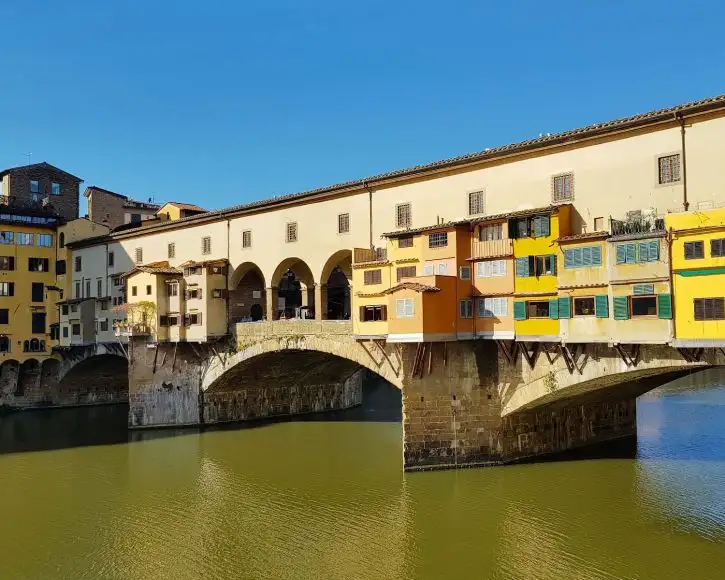
We begin at the Uffizi, Giorgio Vasari's 16th-century administrative building for the Medici that now houses Italy's greatest art collection. Our guided tour moves through corridors lined with Botticelli, Leonardo, Raphael, Michelangelo, Titian, and Caravaggio — each room a landmark in the story of how European painting learned to see. The collection's centrepiece is Botticelli's Birth of Venus, painted around 1485: the goddess emerging from the sea on a shell, the nude female form celebrated as beauty itself rather than shame, classical antiquity reborn in Florentine paint. Before leaving, the gallery offers a window with a view directly over the Ponte Vecchio — a good moment for the guide to tell its story without losing anyone to the gift shop.
Outside, Piazza della Signoria functions as an open-air sculpture museum — Cellini's Perseus, a copy of Michelangelo's David, the Loggia dei Lanzi — the civic heart of Renaissance Florence, where political decisions were announced and occasionally enforced in public. En route to the Accademia we pass the Mercato del Porcellino, where a bronze boar's snout has been rubbed smooth by centuries of hands seeking good luck, and where a less celebrated spot beneath the market stalls once served a more humiliating civic purpose: the public paddling of Florentines who failed to repay their debts.
At the Accademia, Michelangelo's David needs no introduction and rewards no rushing. Seventeen feet of marble carved from a single block by a 29-year-old, it remains the Renaissance's fullest statement of human potential — and the room that contains it, with four of Michelangelo's unfinished Prisoners lining the approach, is one of the great theatrical spaces in art.
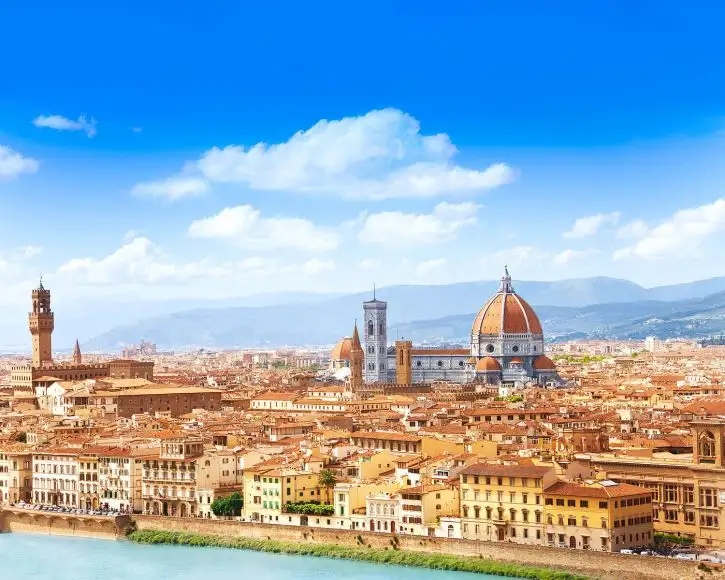
After lunch we pass the Cathedral of Santa Maria del Fiore — Brunelleschi's dome examined from the outside, the full complex saved for tomorrow — before continuing to Santa Croce, the Franciscan church that serves as Florence's pantheon. Michelangelo is buried here, as are Galileo, Machiavelli, and Rossini. The Pazzi Chapel in the first cloister is Brunelleschi's most perfect small building.
A gelato stop near the square closes the afternoon before free time returns the city to you.
Overnight in Florence.
Included Meal(s): Breakfast and Dinner - Day 24:Florence: The Duomo Complex & Free AfternoonThis morning belongs to the building that defines the Florentine skyline — and to the objects inside it that most visitors never reach.
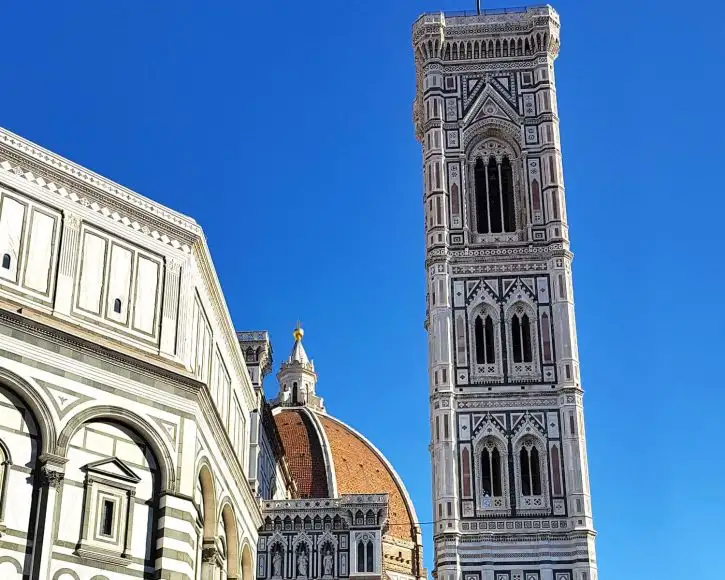
The Ghiberti Pass gives us access to the full Cathedral complex: the Cathedral itself, the Baptistery, the Museo dell'Opera del Duomo, and the ancient basilica of Santa Reparata buried beneath the current nave — the city's original 4th-century church, excavated and now walkable underfoot. Our guide meets us at Caffè Scudieri on the square, and the three-hour tour moves through a sequence that rewards having saved this for a second day.
The Baptistery's bronze doors are the starting point for understanding everything that followed in Florentine art. Lorenzo Ghiberti spent 27 years casting the east doors — the ones Michelangelo called the Gates of Paradise — ten gilded panels depicting Old Testament scenes with a spatial depth and narrative complexity that had no precedent in medieval metalwork. The original panels are housed in the Museo dell'Opera across the square, where they can be seen at eye level: faces, drapery, and architectural recession worked into bronze with a precision that still stops conservators. What hangs on the Baptistery today are high-quality replicas; the originals are here.
Brunelleschi's dome — wider than St. Peter's in Rome, completed in 1436 without scaffolding using a double-shell technique he kept deliberately secret — is best understood from the museum's scale models before being experienced from the outside. Those wishing to climb the 463 steps to the lantern can arrange this independently during the free afternoon; the views across the Arno valley justify every one of them.
The afternoon is yours — Florence returned to you without agenda.
Overnight in Florence.
Included Meal(s): Breakfast and Dinner - Day 25:Florence - Ravenna: Town TourFrom Tuscany we drive into Emilia-Romagna, where fertile plains surrounding the Po River produce Italy's culinary treasures. This region claims balsamic vinegar among its gifts to gastronomy, and today we visit an acetaia—a traditional vinegar producer—where we discover the intricate ageing process. Walking through cellars lined with wooden barrels, we understand why authentic balsamic vinegar commands premium prices and requires decades to perfect.
We arrive in Ravenna, an incomparable treasury of Byzantine art. When unstoppable barbarians threatened Rome in AD 402, the Western Roman Empire shifted its capital here. Though Ravenna eventually fell in the 5th century, Byzantines recaptured it in 540 under Emperor Justinian. For three centuries Ravenna flourished as Byzantium's western outpost, its artistic and religious influence flowing not from Rome but from Constantinople—today's Istanbul. Inside humble-looking churches we discover the Western world's most spectacular Byzantine mosaics outside Istanbul itself.
Our walking tour explores medieval Ravenna's charming streets, visiting the Mausoleum of Galla Placidia — a Roman princess whose tomb is entirely covered in dazzling mosaics that shimmer in dim light, creating an almost otherworldly atmosphere — and the Mausoleum of Theodoric, whose dome was carved from a single stone block weighing an astonishing 336 tonnes. We then enter the Basilica di San Vitale, included in the same ticket and saving the best for last. The octagonal interior is covered floor to ceiling in 6th-century mosaics of breathtaking completeness: the Emperor Justinian and Empress Theodora in full imperial procession, their gold-ground panels among the most celebrated images to survive from the ancient world. Byzantine art at its absolute zenith — and one of the most extraordinary interior spaces in Europe.
Overnight in Ravenna.
Included Meal(s): Breakfast and Dinner - Day 26:Ravenna - Verona - Padova (Padua)We depart Ravenna, driving through the Colli Euganei — the Euganean Hills — a region celebrated for thermal springs and exceptional wines. Our destination is Verona, setting for Shakespeare's Romeo and Juliet and one of Italy's most appealing cities. Pink marble Roman ruins and rose-tinted buildings create a romantic atmosphere that needs no literary association to justify it. The first-century Arena dominates Piazza Bra, the vibrant heart of Veronese life, and still hosts opera performances today — the third-largest Roman amphitheatre surviving from antiquity.
Our walking tour moves through Verona's layered history: the Gothic mausoleums of the Scaligeri family who ruled the city in the 13th and 14th centuries; Castelvecchio and the elegant Ponte Scaligero spanning the Adige; Piazza delle Erbe, the old Roman forum now ringed with medieval buildings and market stalls; the Roman gate on Corso Porta where ancient stonework sits matter-of-factly alongside daily Veronese life; and Juliet's courtyard, where the famous balcony draws visitors from across the world.
This afternoon we continue to Padova, our base for the Veneto.
Overnight in Padova.
Included Meal(s): Breakfast and Dinner - Day 27:Padova: Town Tour - VeniceGiotto's frescoes in the Scrovegni Chapel are among the most carefully protected works of art in the world, viewable only in small groups for strictly limited periods. Standing in the blue-vaulted interior, golden stars overhead and the full biblical narrative unfolding across every wall, it is easy to understand why this modest chapel is considered the most important painted room in Western art. This is where the revolution that began on the walls of Assisi's Upper Basilica reached its fullest expression.
We then visit the Basilica of Saint Anthony — entering Vatican City in the process, this being Italy's only extra-territorial Vatican property outside Rome — where the Cappella delle Relique contains the preserved tongue, jaw and vocal cords of the saint himself, still drawing pilgrims from across the world. We then proceed to the University of Padova, founded in 1222. We visit the world's oldest permanent anatomy theatre, built in 1594, its steeply raked viewing balconies so narrow that students who fainted were prevented from falling. Our guide unlocks the hall where Galileo Galilei once lectured, largely unchanged since.
The morning concludes with a stop at Caffè Pedrocchi, a Padovan institution whose tricolour rooms — white, red, and green — reflect the flag of a unified Italy that didn't yet exist when it opened in 1831. The outdoor market fills the Piazza della Frutta nearby, and lunch is yours among the surrounding streets.
This afternoon we drive to Venice — passing Prato della Valle, the largest public square in Europe — and begin two nights in the most improbable city ever built.
Overnight in Venice.
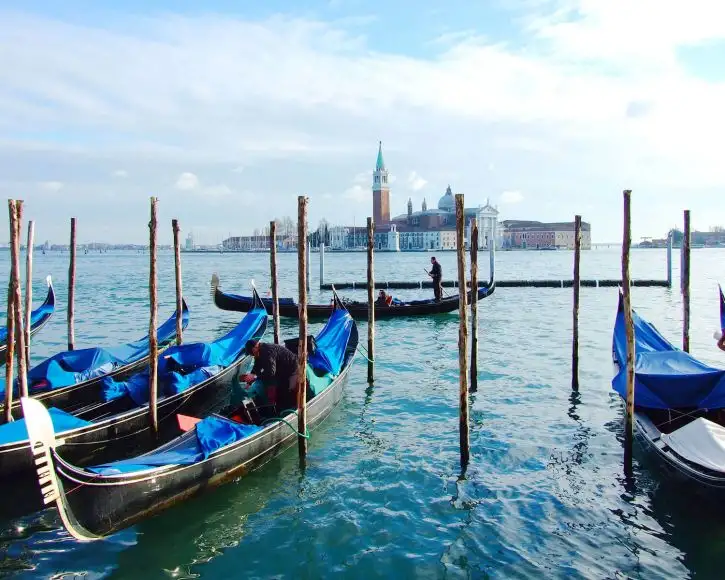
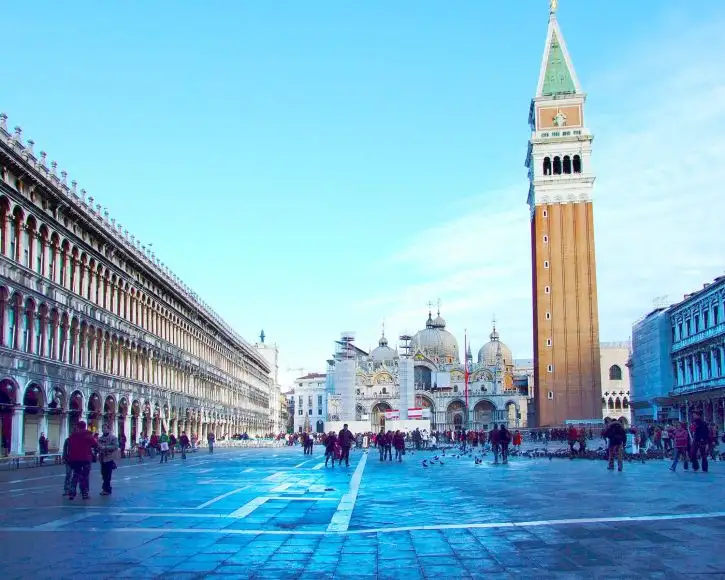
Included Meal(s): Breakfast and Dinner - Day 28:Venice: City TourOur guided walking tour begins at the Doge's Palace, for nearly a thousand years the seat of Venetian power. The council chambers — hung with paintings by Tintoretto, Veronese, and Titian — served as both workplace and theatre of legitimacy, and the palace connects to the prison via the Bridge of Sighs, where condemned men caught their last view of the lagoon before descending into cells from which Casanova made his famous rooftop escape in 1755.
We then enter St. Mark's Basilica, built to house relics of the Evangelist brought from Alexandria by Venetian merchants in 828. Its mosaics — assembled over centuries by craftsmen drawing on Constantinople — produce an effect unlike anything else in the Western Christian tradition. This is Byzantine art at its most opulent, and a reminder that Venice never really looked west for its inspiration.
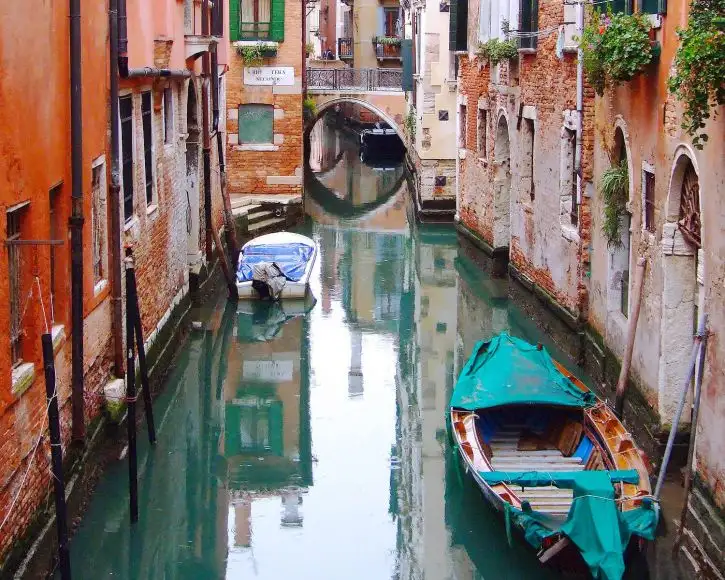
Later we board the vaporetto and travel the Grand Canal, passing palazzi whose facades compress centuries of European architectural history. At the Rialto market — one of the oldest settled points on the islands — locals still buy fresh produce and Adriatic seafood much as they have for centuries. Beneath the spectacle, Venice remains a city people actually live in.
Overnight in Venice.
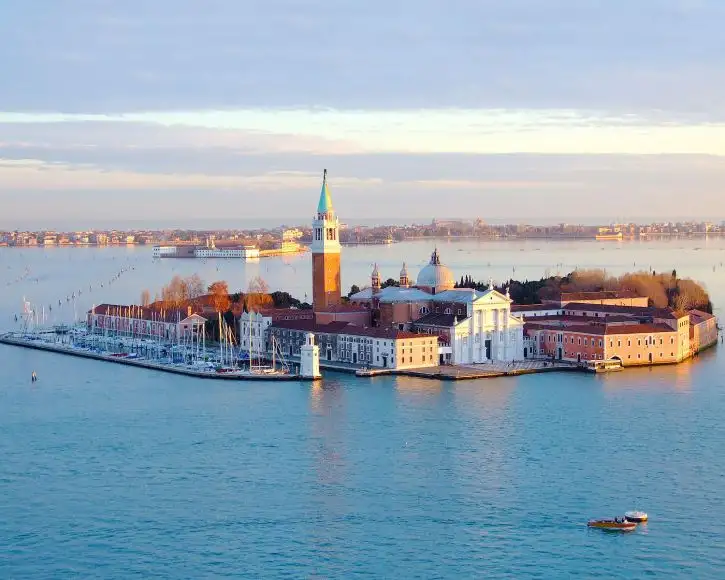
Included Meal(s): Breakfast and Dinner - Day 29:DepartureWe say farewell to Venice this morning — a city that has been confounding departures since the Republic first made itself indispensable to the known world. Whether you leave by water taxi across the lagoon or simply stand a moment longer at a canal bridge before heading to the airport, something of Italy tends to follow you home.
Buon viaggio!
Included Meal(s): Breakfast
Countries Visited: Italy and Malta
*The red tour trail on the map does not represent the actual travel path.
Book This Tour
- Final payment: Due 90 days prior to departure.
- Deposit: A non-refundable $500 CAD Deposit is required at booking.
- Internal Flight Taxes: An extra $142 CAD applies for taxes and fees on tour flights. The internal airfares are included, but taxes are listed separately as they may change. Exceptions are noted in Red.
- Optional Single Supplement: $4290 CAD (number of singles limited).
(View options forsingle travellers) - Transfering Tour or Date: Transferring to another tour or tour date is only permissible outside of 120 days prior to departure and is subject to a $100 CAD change fee.
(Read our cancellation policy)
Prices below are per person, twin-sharing costs in Canadian Dollars (CAD). Pricing does not include airfare to/from the tour and any applicable taxes.
Frequently Asked Questions
- What is the maximum number of participants on a trip?Most of our tours carry a maximum of 18 participants; some tours (ie hiking tours) top out at 16. In the event that we do not achieve our minimum complement by our 90-day deadline, we may offer group members the option of paying a "small-group surcharge" as an alternative to cancellation. If all group members agree, we will confirm the trip at existing numbers; this surcharge is refundable in the event that we ultimately achieve our regular minimum. If the small group surcharge is not accepted, we will offer a refund of your deposit or a different trip of your choice.
- Can I extend my tour either at the beginning or end? What about stopovers?Yes, you can extend your tour either at the beginning or the end and we can book accommodation in our tour hotel. Stopovers are often permitted, depending on air routing. Stopovers usually carry a "stopover" fee levied by the airline.
- How do I make a reservation? How and when do I pay?The easiest way to make a reservation is via our website; during office hours, you are also more than welcome to contact us by telephone.
A non-refundable deposit is payable at the time of booking; if a reservation is made within 90 days, full payment is required. Some trips require a larger deposit. If international airline bookings require a non-refundable payment in order to secure space or the lowest available fare, we will require an increase in deposit equal to the cost of the ticket(s).
Early enrolment is always encouraged as group size is limited and some trips require greater preparation time.
Once we have received your deposit, we will confirm your space and send you a confirmation package containing your trip itinerary, any visa/travel permit related documents, invoice, clothing and equipment recommendations, general information on your destination(s), and forms for you to complete, sign and return to us. Your air e-tickets (if applicable), final hotel list, final trip itinerary, and instructions on how to join your tour, will be sent approximately 2-3 weeks prior to departure. - What about cancellations, refunds, and transfers?Please review our cancellation policy page for details.
- I am a single who prefers my own room. What is a single supplement?All of our tours have a single supplement for those who want to be guaranteed their own room at each location.
This supplement is a reflection of the fact that most hotels around the world do not discount the regular twin-share rate for a room by 50% for only one person occupying a room. Most hotels will give a break on the price, but usually in the range of 25-30% of the twin-share rate. This difference, multiplied by each night, amounts to the single supplement.
The conventional amount can also vary from country to country and some destinations are more expensive than others for single occupancy. In order to be "single friendly," the supplements we apply are not a profit centre for us and we do our best to keep them as reasonable as possible.
On most tours we limit the number of singles available, not to be punitive, but rather because many hotels allow for only a limited number of singles; some smaller hotels at remote locations also have a limited number of single rooms available.
Please note that most single rooms around the world are smaller than twin-share rooms and will likely have only one bed. - Do you have a shared accommodation program?Yes! If you are single traveller and are willing to share, we will do our best to pair you with a same-gender roommate. Please note that should we fail to pair you, we will absorb the single supplement fee and you will default to a single room at no extra charge.