Small Group Experiential Travel
22 Day Indian Ocean Islands Tour

22 Day Indian Ocean Islands Tour

Seychelles, Mauritius, Reunion, Madagascar & Comoros
Tour Code
MCIO
When To Go
May, Sep
Start
Mahe (SEZ)
End
Moroni (HAH)
Countries Visited (5)
Comoros Island...More >
Overnight In (9)
Moroni, Antana...More >
Activity Level
2 - ModerateDetails >
Tour Type
CulturalDetails >
Tour Type
  • Off The Beaten Path
  • Popular
  • History
  • Wildlife
  • Overview
  • Info & Inclusions
  • Itinerary
  • Map & Hotels
  • Photos
  • Dates & Prices
Highlights
  • Tour Duration: 22 Days
  • Max Group Size 16
  • Vallée de Mai on Praslin, home to the extraordinary Coco-de-Mer palm
  • Dramatic cirques and Piton de la Fournaise volcano on Reunion
  • Madagascar's Nosy Be with endemic lemurs and chameleons
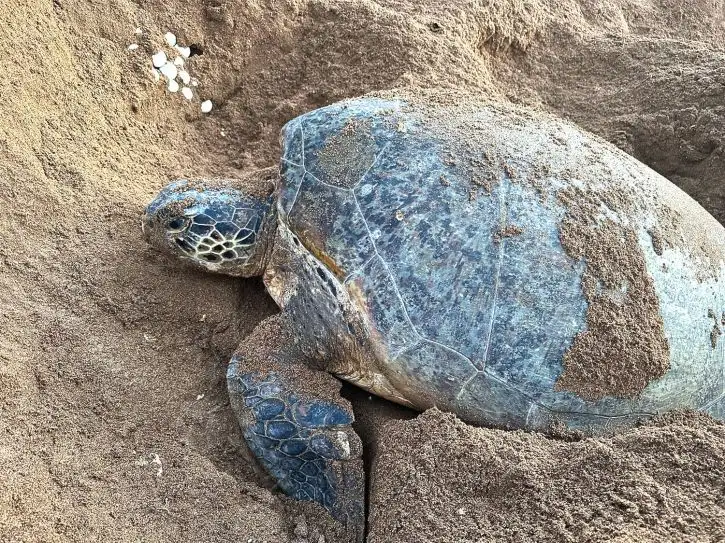
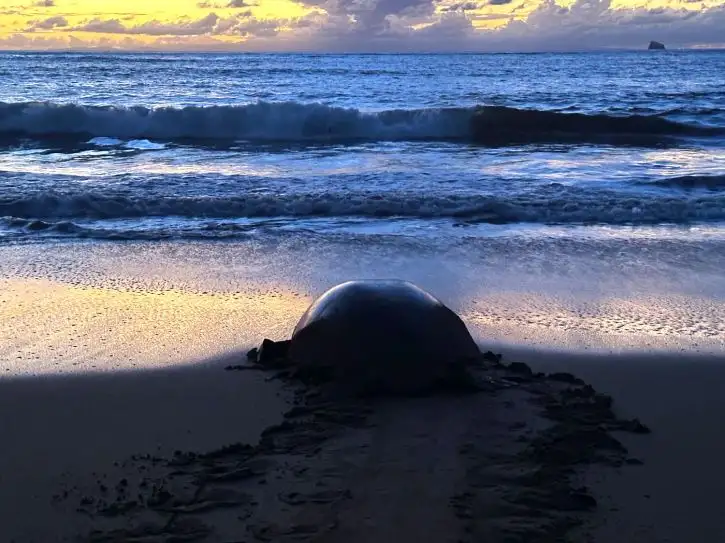
  • Remote Moheli island where sea turtles nest nightly
  • Grande Comore's ancient baobab trees and volcanic crater lakes
  • Singles friendly
    (view options for single travellers)


Description
With a thoughtfully crafted itinerary, this tour showcases the extraordinary diversity of the Indian Ocean's most captivating islands, where pristine beaches meet volcanic landscapes and multicultural heritage thrives in splendid isolation. From the granite peaks of the Seychelles to the windswept volcanic craters of the Comoros, this adventure leads through UNESCO World Heritage sites, remote nature reserves, and time-worn trading ports.

A major highlight is the Seychelles archipelago—featuring the legendary Vallée de Mai where the extraordinary Coco-de-Mer palm grows naturally, the sculptured granite shores of Anse Source d'Argent, and pristine marine sanctuaries where Hawksbill turtles nest. We explore Mauritius's volcanic heart with its sacred crater lakes and seven-coloured earth at Chamarel, visit the dramatic cirques and active Piton de la Fournaise on Reunion, and venture to Madagascar's perfumed island of Nosy Be where lemurs thrive in rainforest reserves accessible only by sea.

The journey continues to the remote Comoros archipelago, where Arabic trading heritage blends with African traditions in Moroni's narrow medinas and untouched Moheli—where sea turtles lumber onto moonlit beaches to nest. We witness lava flows building new land on Reunion's wild southern coast and discover ancient baobab trees on Grande Comore's volcanic shores.

The tour concludes with Grande Comore's dramatic crater lakes, offering a richly rewarding Indian Ocean experience that reveals why these remote paradises serve as crucial refuges for biodiversity and cultural authenticity.
Price Includes
  •  
    Meals
    Savour authentic flavours with included daily breakfasts and dinners at hotels or handpicked local restaurants—immersing you in local cuisine without worrying about reservations or budgets.
  •  
    Transport & Logistics

    Private air-conditioned coaches and included internal ferries and flights—ensuring hassle-free travel so you can focus entirely on the discoveries ahead.

    "Adventures Abroad tour leader's management and guest services managed the tour with great skill and dedication. The tour leader was on top of every move and transfer. We have not experienced any issues with logistics and had a great time."
    ~ JULIA O

    "The tour leader did an excellent job coordinating some difficult travel logistics, power outage issues and resolving problems and dealing with guests who had unrealistic expectations."
    ~ CYNTHIA COLLINS

  •  
    Expert Guidance

    Unlock insider secrets at every landmark with your full-time Tour Leader and expert local guides , all gratuities covered—no hidden tipping surprises—so you immerse fully in your destination's stories, worry-free. (Except for the tips to your tour leader at the end of your tour.)

    "Amazing tour guide. Our tour guide was very well organized, Her passion, knowledge, and enthusiasm completely transformed the travel experience into something truly unforgettable..."
    ~ MELANIE LEMAIRE

    "Highly recommend every trip with Adventures Abroad. It's a well organized and well thought out adventure. The tour leaders are friendly, knowledgeable and experienced professionals. Highly recommend this company."
    ~ SUSAN WALL

  •  
    Sightseeing & Entrances
    All entrance fees for sites visited as per the itinerary—no hidden costs—so you can explore ancient ruins and excursions with complete peace of mind.
  •  
    Accommodations
    Unwind in clean, well-located 3 to 4-star hotels with private en suite facilities—handpicked for comfort and convenience after each day's discoveries—so you can rest easy knowing your stay supports the real adventure, not steals the spotlight.
  •  
    Small Group

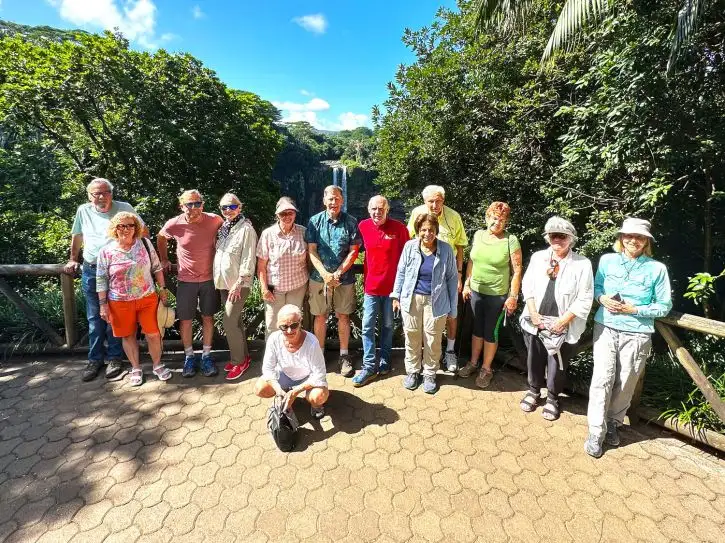
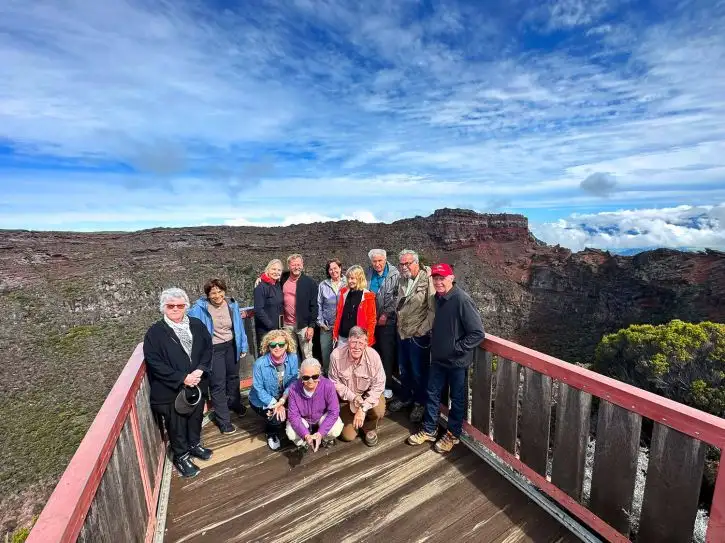
    Discover the world in small groups of up to 16 travellers plus your expert Tour Leader—unlocking spontaneity, off-the-beaten-path adventures, and genuine connections at a relaxed pace, free from crowds.

    "Looking Forward to My Next Adventure The best feature of the Adventures tour was the small size that allowed the group to quickly load up, let everyone get acquainted within the first 24 hours, capitalize on unplanned surprises along..."
    ~ PHILIP BLENSKI

    "Good value for a great time I have traveled with Adventures Abroad for over 20 years now. Well thought out, interesting itineraries and the other travelers congenial and friendly. The price always seems fair and overall a..."
    ~ Trusted Customer

  •  
    Airport Transfers For Land & Air Customers
    We handle hassle-free airport transfers for all our land and air tour customers—plus early arrivals or late departures when you book extra hotel nights directly with us for added peace of mind.


Exclusions
  • International airfare to/from the tour.
  • Tour Leader gratuities, lunches, drinks, personal items (phone, laundry, etc), international (if applicable) and domestic air taxes, and any excursions referenced as 'optional'.
  • Airport transfers for Land Only customers.
  • Optional trip cancellation insurance.


Trip Info
  • Seasonality and Weather:
    Our May and September tour dates coincide with the best times to visit the region on average, avoiding monsoon seasons when heavy rainfall and winds can impact travel. These shoulder months offer generally favourable conditions across multiple climatic zones, from the tropical warmth of the Seychelles and Mauritius to the highland climates of Reunion's mountain cirques.

    Expect warm to hot temperatures with moderate humidity throughout most destinations. All locations are known for heat and humidity even during optimal seasons, though Reunion's higher elevations provide cooler respites. The dry season timing minimizes rainfall disruptions while maximizing wildlife viewing opportunities and comfortable conditions for walking tours and outdoor exploration. Ocean conditions remain generally calm for boat excursions and marine wildlife encounters.
  • Transport and Travel Conditions:

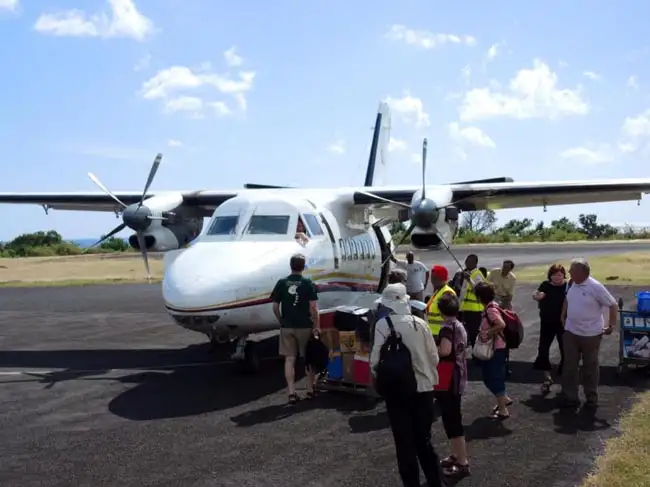
    Our inter-island travel relies on scheduled local carriers (Air Seychelles, Air Mauritius, Air Madagascar, Kenya Airways), whose schedules may change at any time. While we deliver programs whose integrity remains intact, flexibility is essential as alterations may occur at late notice.

    Madagascar: Transportation throughout is by 20-24 seat bus (smaller if group size warrants). Roads are generally poor, with some particularly challenging. Though vehicles are maintained in excellent condition, punctures and weather may cause delays requiring patience.

    Other Islands: Local ground transport via medium-size bus, mini-van, taxi, local ferry and water taxi. On Moheli, roads are very poor and travel is slow—cars and mini-vans provide all transfers and sightseeing as no bus transport exists.

    Nairobi: Modern safari vehicles for wildlife viewing in Nairobi National Park.

    Physical Demands: This ambitious itinerary requires steady mobility and independence with luggage at airports (hotel porters available). Walking tours are leisurely, but expect to be on your feet for several hours. Flight connections may occur at inconvenient times. A reasonable level of physical fitness ensures full enjoyment of all activities.

    The tour's Activity Level 2 rating reflects its ambitious nature, the possibility of heat at all locations, remoteness of some destinations, and the basic nature of some accommodation. The rewards—pristine wildlife encounters, dramatic volcanic landscapes, and authentic island cultures untouched by mass tourism—make this journey deeply memorable for those prepared for its logistical complexity.

    PLEASE NOTE: Due to the complicated nature of this itinerary, we regret that we are not able to offer custom/private tour services for this program.


    Am I suitable for this tour? Please refer to our self-assessment form
  • Activity Level: 2
    These are particularly busy tours that feature a lot of moving around, sometimes by train and short journeys on local transport. Walking tours of towns and cities are leisurely but you should be prepared to be on your feet for several hours. Some of our cultural trips that occur at high altitude and/or require greater independence with baggage handling (at hotels, airports, train stations) also fall into this category.

    To learn more about the Activity levels, please visit our tour styles page.
  • Accommodation:
    Well-located, comfortable 3-5 star hotels on all islands, selected for their accessibility to key attractions and local character. Properties feature air conditioning, modern amenities, and dining facilities.
  • Staff and Support:
    Tour Leader throughout, drivers, & local guides at various locations.
  • Group Size:
    Maximum 16 plus Tour Leader
View / Print Itinerary

  • Day 1: 
    Arrival in Seychelles
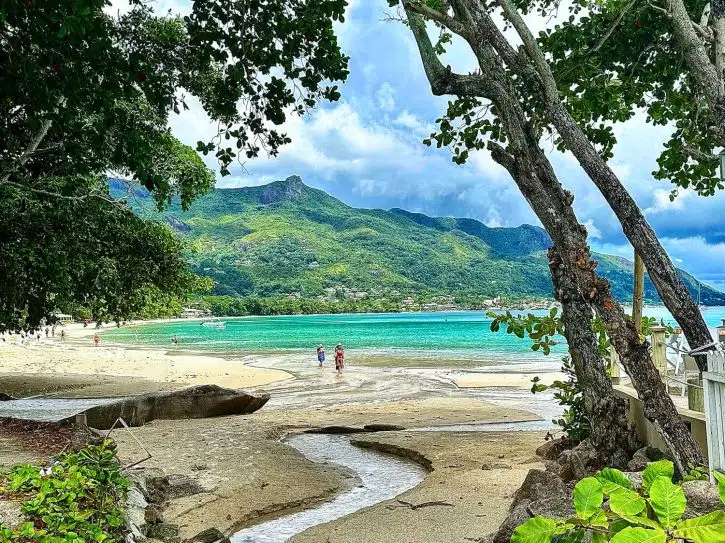
    A thousand miles from the African coast, more than 115 islands comprise the Seychelles Archipelago. As we arrive at Mahe, we step into a world where swaying palms frame crystalline lagoons and wildlife thrives as it has for centuries. Unlike most ocean islands, Mahe's granite peaks are a genuine fragment of the ancient supercontinent Gondwana, cast adrift here long before Africa, India, and Madagascar took their present shapes.

    This comparatively young nation traces its first permanent settlement to 1770, when French colonists arrived on these remote shores. The islands' position along historic trade routes drew a remarkable mix of peoples--freed slaves, European adventurers, Arab and Persian traders, Chinese merchants, and Indian settlers--who together shaped the multicultural Seychelles we encounter today, an 86000-strong population speaking Creole, French, and English with equal ease.

    This evening we gather for our first dinner together, a chance to meet fellow travellers before the journey properly begins.

    Overnight in Mahe, Seychelles


    Included Meal(s): Dinner, if required
  • Day 2: 
    Seychelles: Victoria & Mahe Island Tour
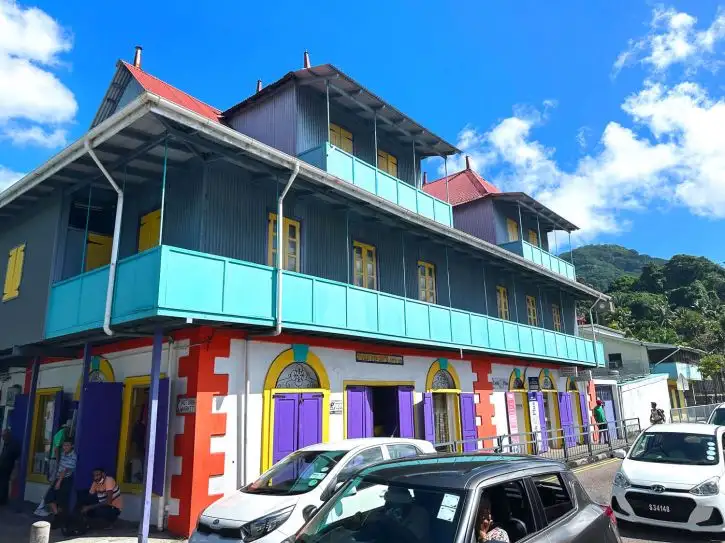
    We begin in Victoria, affectionately known as "the world's smallest capital," where the aromatic spices and bright colours of the central market create an immediate immersion into Seychellois life. Stalls overflow with freshly caught fish, tropical fruit found nowhere else on Earth, and herbs that have seasoned local cuisine for generations.

    The small National Museum traces the layers of island history, from the ecological evolution behind Seychelles' endemic species to the cultural fusion that defines the nation today. We continue to the century-old Botanical Gardens, where two hectares/five acres of tropical grounds showcase exotic plants alongside towering specimens of the Coco-de-Mer palm, whose giant seeds we will meet growing wild on Praslin.

    As we circle Mahe, lush plantations of coconut palm and cinnamon carpet the mountainsides in fertile volcanic soil. The Sans Souci road climbs through misty highland forest to the ruins of Mission Lodge, once a school for freed slave children and a quiet reminder of the island's complex colonial history.

    Morne Seychellois National Park protects a full 20% of Mahe's land area, from coastal mangroves to the country's highest peak at 905 m/2969 ft. Here, working plantations still cultivate the spices and essential-oil plants that have sustained islanders for centuries, their terraced gardens a living record of traditional Seychellois agriculture.

    Overnight in Mahe, Seychelles


    Included Meal(s): Breakfast and Dinner
  • Day 3: 
    Seychelles: Full Day Praslin Island & La Digue Island Tour
    We set sail across crystalline waters to explore two of the archipelago's most celebrated islands. Praslin, pronounced "Prah-lin," awaits after a scenic ferry crossing, its reputation as one of the Indian Ocean's original Gardens of Eden well earned by early explorers who found nothing else quite like it.

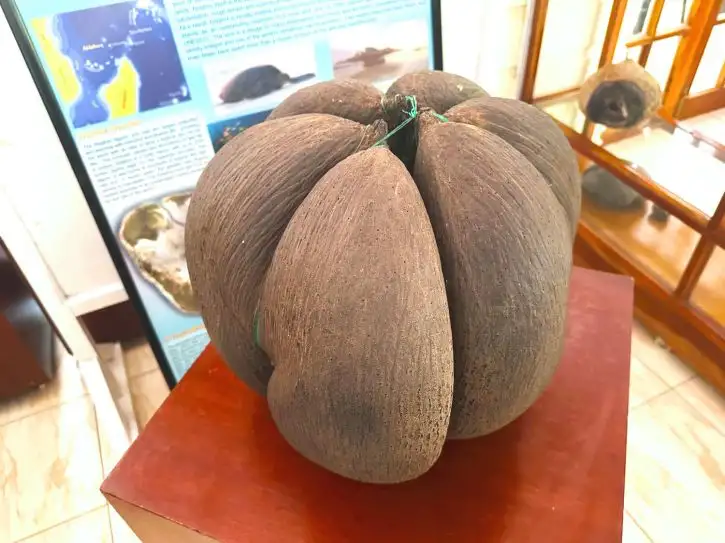
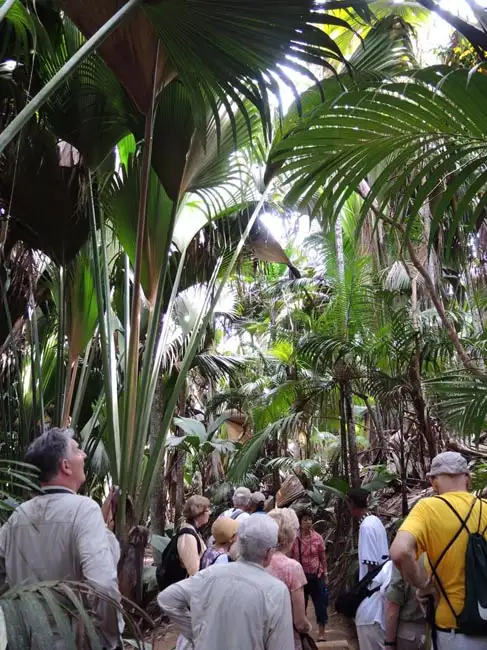
    Our destination is the Vallee de Mai Nature Reserve, a UNESCO World Heritage Site protecting the only place on Earth where the Coco-de-Mer palm grows naturally. These extraordinary trees produce the longest leaves and the heaviest seeds in the plant kingdom, some weighing up to 20 kg/44 lb and taking a full year to ripen.

    Beneath the high canopy of this primeval forest, we listen for the rare Black Parrot's distinctive call while endemic palms and Seychelles flying foxes populate the valley in equal measure.

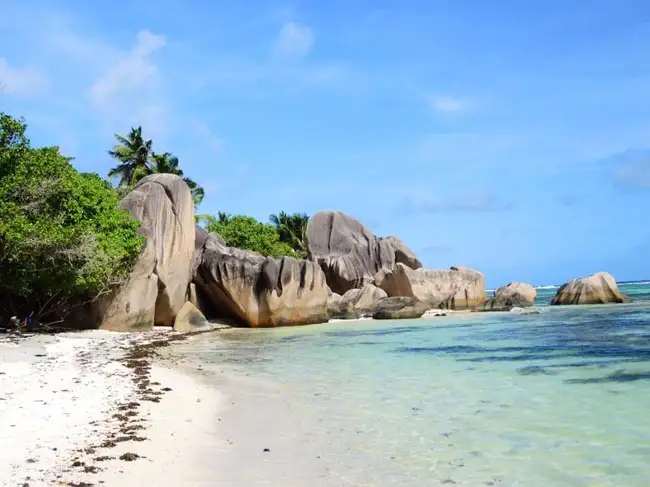
    The coastal drive to Anse Lazio explains why this beach consistently ranks among the world's finest: massive granite boulders, shaped by millions of years of wind and wave into smooth, rounded forms, frame turquoise water in a natural gallery unlike any other.

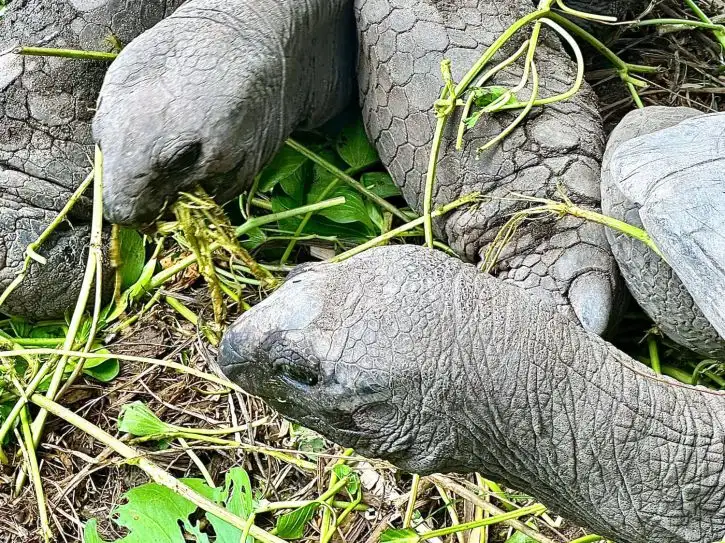
    Our afternoon ferry carries us to La Digue, where ox-carts and bicycles outnumber cars on roads shaded by towering palms. At L'Union Estate, giant Aldabra tortoises graze beneath a restored vanilla plantation and copra mill, recalling a more leisurely colonial era. The day's true revelation waits at Anse Source d'Argent, one of the world's most photographed beaches, where pale sand meets sculpted granite in a composition that has inspired artists and photographers for generations.

    Overnight in Mahe, Seychelles


    Included Meal(s): Breakfast and Dinner
  • Day 4: 
    Seychelles: Day Cruise of Mahe Island's Coast
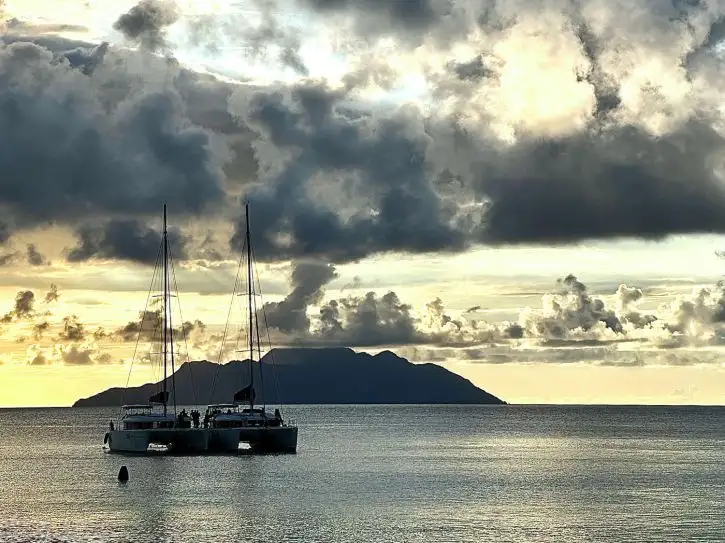
    The northeast coast of Mahe unfolds before us as we board our catamaran for a journey along shores that have remained largely unchanged for centuries. Our vessel skirts the reef edge, tracing a coastline once frequented by pirates who careened their ships here to stock provisions and make repairs between raids.

    We sail past granite boulders and unspoiled coves that serve as Mahe's last nesting beaches for the critically endangered Hawksbill turtle, ancient mariners whose survival now depends on the careful protection of these coastal habitats from Sainte Anne to Ile au Cerf.

    Anchoring for an onboard barbecue lunch, we find ourselves within Sainte Anne Marine National Park, the first marine protected area established anywhere in the Indian Ocean, back in 1973. Its coral gardens and fish populations remain some of the most pristine in the western Indian Ocean, a legacy of five decades of careful conservation.

    Gentle trade winds may inspire our captain to raise the sails, carrying us further from shore to appreciate the full scale of the Indian Ocean--the same isolation that has shaped Seychelles' unique wildlife and cultures since these granite peaks first broke the surface, hundreds of millions of years before humans ever arrived.

    Overnight in Mahe, Seychelles


    Included Meal(s): Breakfast and Lunch
  • Day 5: 
    Seychelles - Fly to Mauritius
    We bid farewell to the granite peaks of Seychelles and fly southwest to Mauritius--a very different kind of island. Where Mahe is an ancient sliver of continental crust, Mauritius was built from nothing by volcanic fire, and it shows: coral reefs, coconut palms, and casuarina trees fringe a coastline backed by green tapestries of sugar cane running to the horizon.

    The island remained uninhabited until Portuguese explorers arrived in the early 1500s. Arab sailors of the Middle Ages had already named it Dina Arobi, but it was the Dutch who first settled here in 1598, followed by the French in 1715 and the British in 1810 during the Napoleonic Wars.

    Mauritius gained independence in 1968, becoming a republic within the Commonwealth in 1992, but its real wealth lies in the cultural fusion that defines modern Mauritian life--African, European, Indian, and Chinese threads woven together so that Tamil temples stand beside Catholic churches and Chinese pagodas share neighbourhoods with mosques.

    That same volcanic isolation allowed a remarkable diversity of flora and fauna to evolve here, including flightless birds and outsized reptiles found nowhere else--though the best known of them, the dodo, was hunted to extinction within a century of European colonisation, its name now shorthand the world over for something lost forever.

    Overnight in Port-Louis, Mauritius


    Included Meal(s): Breakfast and Dinner
  • Day 6: 
    Mauritius: Port Louis & Pamplemousses City Tour
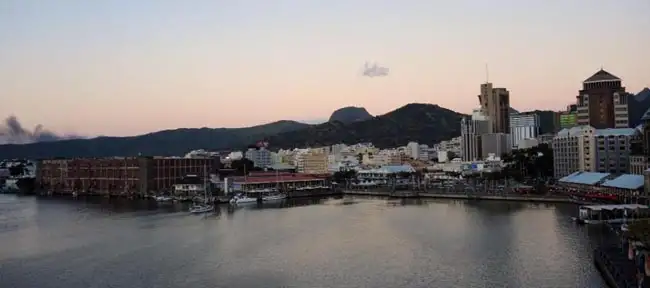
    Port Louis springs to life as we explore the capital, founded in 1735 by the French governor Mahe de Labourdonnais. This vibrant city blends the island's colonial past with its dynamic present, cultures and traditions nestled between the ocean and the Moka Range.

    The Blue Penny Museum tells the story of Mauritius through antique maps, photographs, and engravings. Its centrepiece, the legendary 1847 Blue Penny and Red Penny stamps, ranks among philately's greatest treasures--purchased for USD 2 million in 1993 and returned home after nearly 150 years abroad.

    We explore the harbour and the sensory rush of Port Louis market, where the scent of spices mingles with vendors' calls over tropical fruit and handcrafted souvenirs. The Caudan Waterfront reflects the city's maritime heritage, while nearby Chinatown recalls the immigrants who brought their traditions and cuisine to the island's cultural mix.

    The UNESCO World Heritage site of Aapravasi Ghat offers a more sober connection to this history: the Immigration Depot where indentured labourers from India first disembarked from 1849 onward, marking the arrival point for ancestors of more than 70% of today's Mauritian population.

    We close the day at Pamplemousses Botanical Gardens, the oldest in the Southern Hemisphere, where 85 varieties of palm and giant Victoria water lilies form a living record of the island's botanical diversity.

    Overnight in Port-Louis, Mauritius


    Included Meal(s): Breakfast and Dinner
  • Day 7: 
    Mauritius: Full Day Island Tour
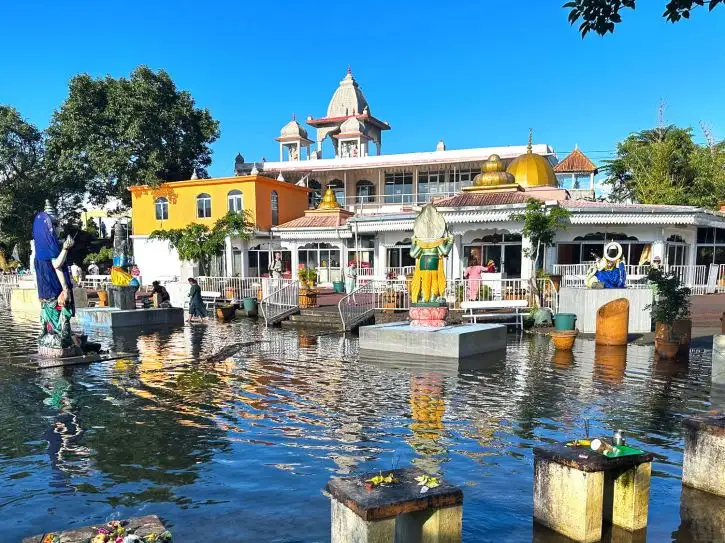
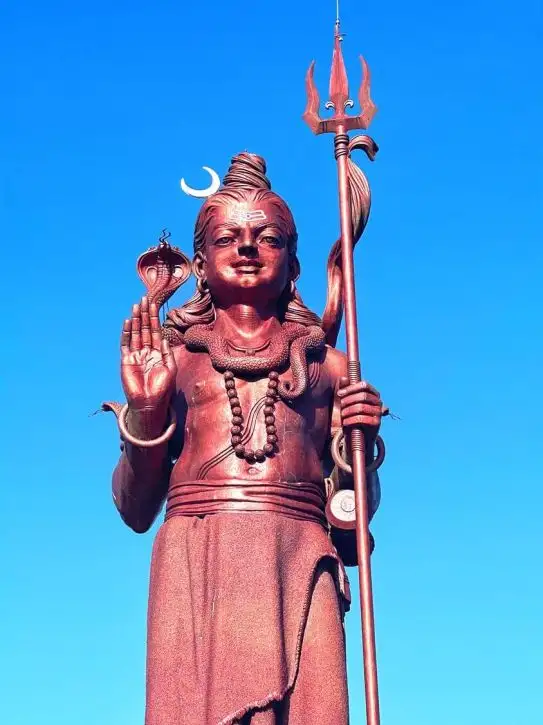
    The volcanic heart of Mauritius reveals itself at Grand Bassin, a sacred crater lake in the island's mountainous interior. For Mauritians of Hindu faith, this tranquil water holds a direct spiritual connection to the Ganges, with temple ceremonies still conducted on shores cradled by an extinct volcano and pilgrims arriving year-round to make offerings.

    We cross Black River Gorges National Park, the island's only national park, protecting over 6500 ha/16062 acres of native forest and endemic plants--including the pink pigeon and Mauritius kestrel, both brought back from the brink of extinction--that survive nowhere else on Earth.

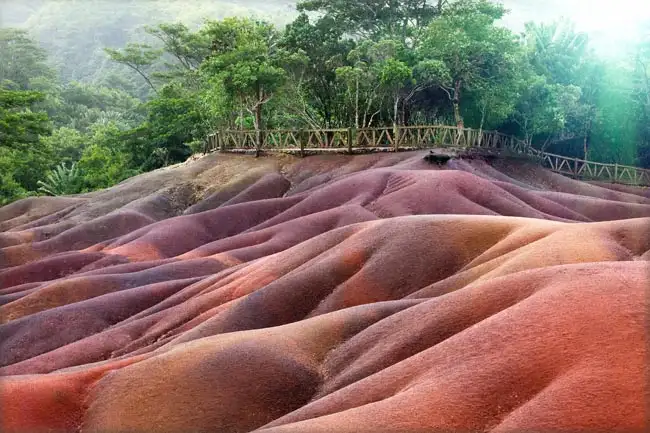
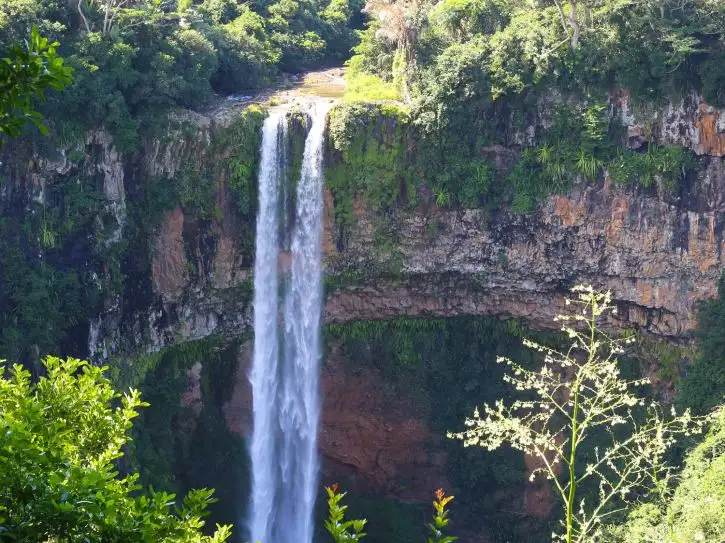
    The geological curiosity of Chamarel awaits: the "seven-coloured earth," undulating dunes of red, brown, violet, green, blue, purple, and yellow left by the weathering of volcanic rock with differing mineral content. Oddly, the colours never remix even when the earth is disturbed or rained on.

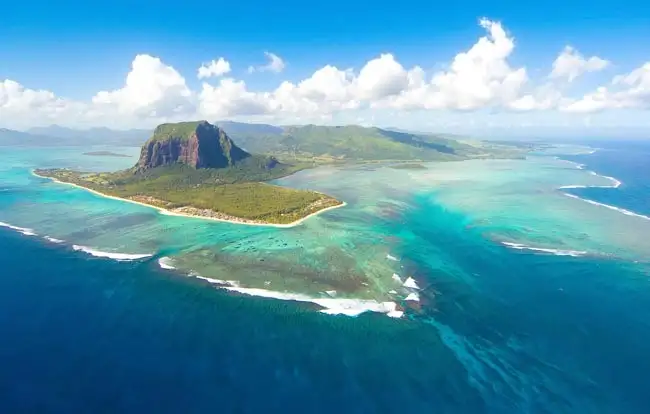
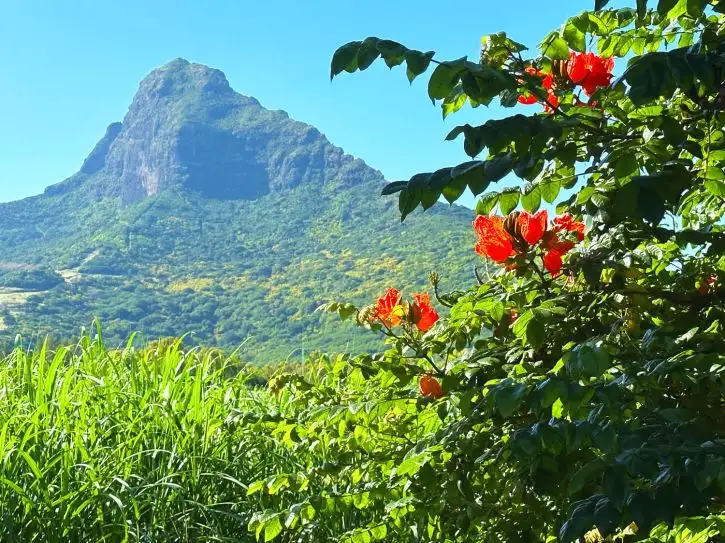
    Our day culminates at Le Morne Brabant, a UNESCO World Heritage site rising 556 m/1824 ft from the island's southwestern peninsula. This rugged mountain sheltered runaway slaves through the 18th and early 19th centuries, its cliffs and hidden caves a refuge for those seeking freedom. The Le Morne Cultural Landscape remains a powerful symbol of that struggle, its name still spoken with quiet respect across the island.

    Overnight in Port-Louis, Mauritius


    Included Meal(s): Breakfast and Lunch
  • Day 8: 
    Mauritius - Fly to Saint-Denis, Reunion: Afternoon Walking Tour
    We fly to the French territory of Reunion, where wild volcanic landscapes stand in contrast to Mauritius's gentler shores. Sandwiched between Mauritius and Madagascar, Reunion keeps a resolutely French identity while sharing the same cultural currents that run through the Indian Ocean.

    Portuguese explorers reached this uninhabited island around 1507, though Swahili or Malay sailors may have passed through earlier. Three vast cirques--steep, bowl-shaped amphitheatres carved by ancient volcanic collapse--dominate the interior, giving Reunion a profile not unlike Hawaii, both islands sitting above hotspots deep in the Earth's crust.

    Saint-Denis, capital of this French overseas department, greets us with a mix of colonial architecture and tropical energy, its setting wedged dramatically between ocean and mountain at the mouth of the Saint-Denis River.

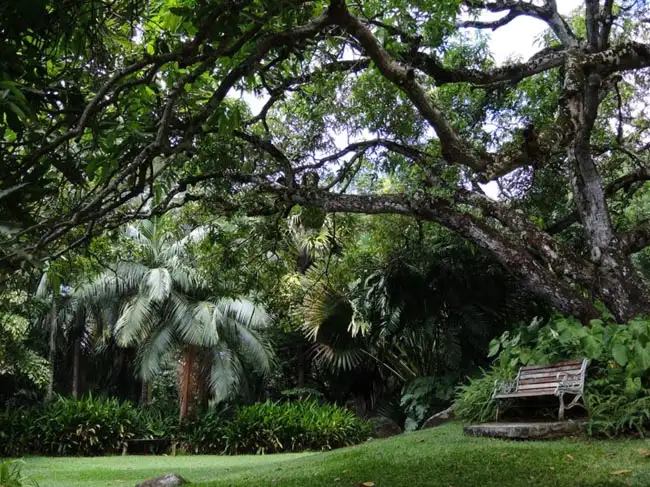
    We begin at the Jardin de l'Etat, botanical gardens established in 1773 as the island's first zoological gardens and now home to exquisite tropical flowers and endemic plants found nowhere else.

    Our afternoon walking tour along Rue de Paris takes in the Hotel de Ville, widely considered the city's finest building, and the Cathedral of Saint-Denis. The Prefecture, begun in 1735 as East India Company headquarters, speaks to the island's colonial past, while Creole houses display their characteristic varangues (verandas) and carved wooden cornices along quiet, tree-lined streets.

    Overnight in Saint-Denis, Reunion


    Included Meal(s): Breakfast and Dinner
  • Day 9: 
    Reunion: Saint-Denis - Piton Maido - Cilaos
    Reunion's cultural fusion--French, African, Indian, and Chinese--produces a society where Creole and French blend naturally and Catholicism sits comfortably beside Buddhism and Islam. This harmony defines daily life as we head into the island's dramatic interior.

    Our route climbs from the coastal highway into mountain towns that form Reunion's geological heart, villages giving way to acacia and tamarind forest, then to cliffs and increasingly wide views. The UNESCO-listed national park covers over 40% of the island, prized for both its biodiversity and its scenery.

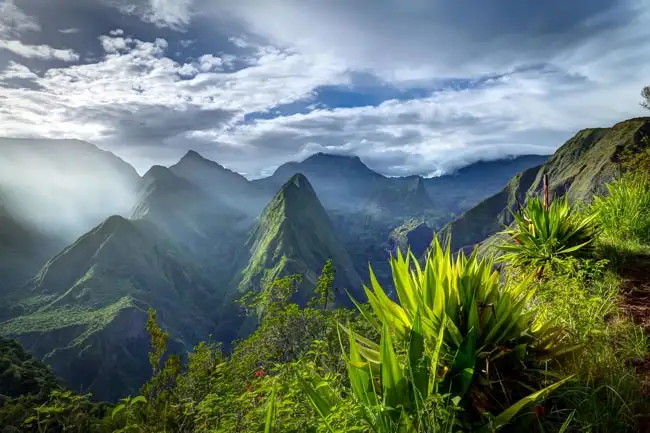
    Piton Maido delivers our first view into the cirque of Mafate, a wilderness of untouched valleys and ridgelines below us, home to just 700 residents across 15 villages reachable only on foot or by helicopter. Weather permitting, we glimpse Piton des Neiges--the "Peak of the Snows" and, at 3070 m/10072 ft, the highest point in the Indian Ocean, its summit sometimes dusted with frost despite the tropical latitude.

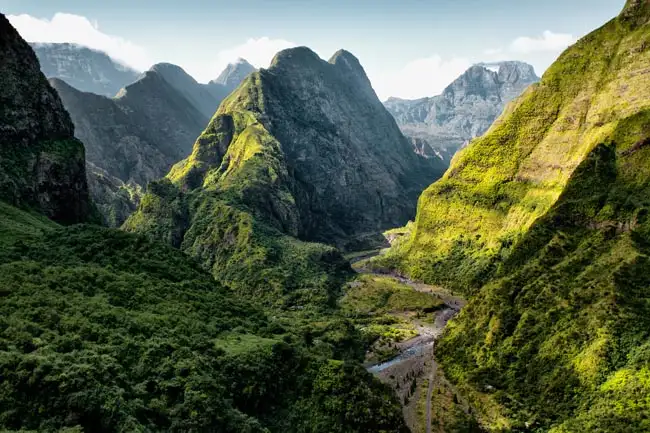
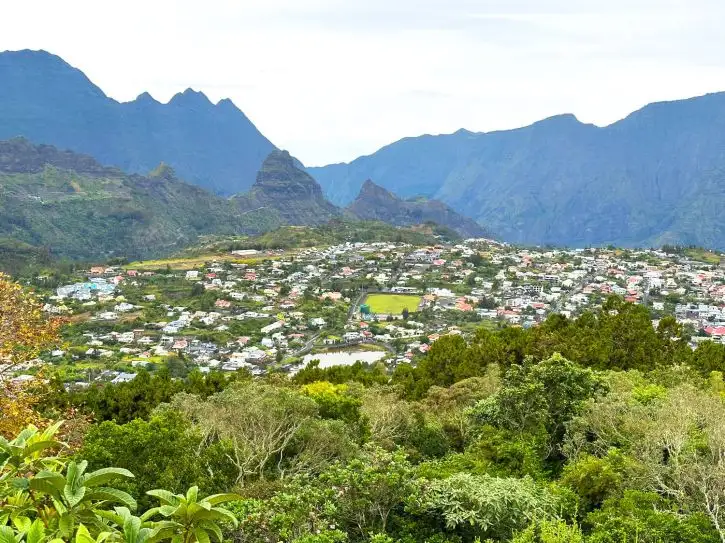
    We descend, then climb again to Cirque de Cilaos, in the island's geographic centre and known for its vineyards and thermal springs. The name comes from the Malagasy "Tsilaosa," or "the place one never leaves"--understandable once we see it. The road's 400 curves and tunnels explain why this cirque stayed isolated so long: a crater 1200 m/3937 ft deep and 100 sq km/39 sq mi of peaks, ravines, and forest that feels closer to the Alps than the tropics.

    Overnight in Cilaos, Reunion


    Included Meal(s): Breakfast and Dinner
  • Day 10: 
    Cilaos and the Wild South
    We descend from Cilaos toward Reunion's "Wild South," where dark forest meets azure ocean along roads that seem to move at their own unhurried pace. This region captures the essence of authentic Reunion, volcanic slopes running down to quiet beaches and small fishing harbours.

    Our route covers the entire southern coast, from the white sands of Grand Anse to the forested slopes of Piton de la Fournaise. At Saint-Joseph, on the island's southern tip, we reach the southernmost point in the European Union--a geographical footnote that says something about how far this island sits from home.

    The village of Manapany-les-Bains shows how volcanic activity shaped this coast: a natural swimming pool carved from basaltic rock, its black walls formed by lava that once met and hardened against the sea, now sheltered enough for families to swim safely.
    Cap Mechant--"Wicked Cape"--earns its name as we watch the Indian Ocean crash against black cliffs built by relatively recent lava flows. Here Piton de la Fournaise is still adding to the island, molten rock reaching the sea to create new land, a living reminder that Reunion's volcanic story--which reaches its most dramatic chapter tomorrow--is far from finished.

    Overnight in Saint-Pierre, Reunion


    Included Meal(s): Breakfast and Dinner
  • Day 11: 
    South Coast - Piton de la Fournaise - Saint-Denis
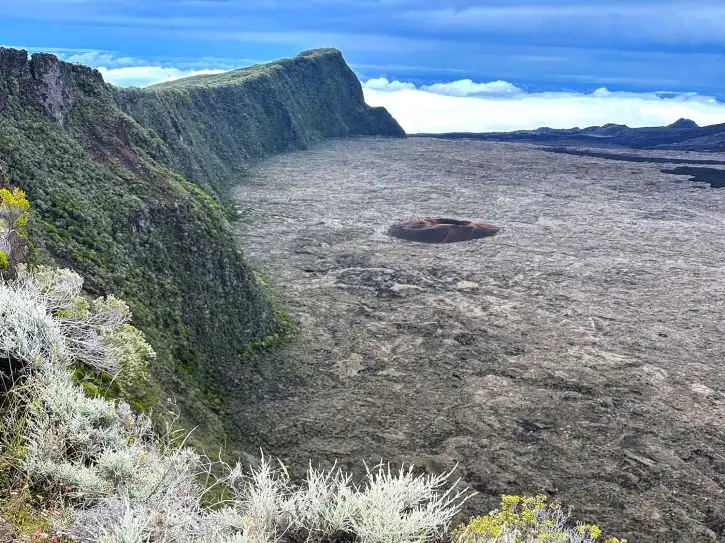
    We approach Piton de la Fournaise, the "Peak of the Furnace," crossing a shifting lunar landscape as we near one of the world's most active volcanoes. This hotspot volcano, roughly 530000 years old and rising to 2621 m/8599 ft, sits within the Enclos Fouque, an 8 km/5 mi caldera that has grown by way of the same hotspot forces that shaped Mauritius--here reaching their most dramatic and visible expression anywhere in the Indian Ocean.

    Within the caldera, two summit craters tell their own stories: Dolomieu, by far the larger, and Bory beside it, both ringed by pyroclastic cones recording individual eruptions. At Nez de Boeuf--the "Ox's Nose"--we pause 1000 m/3281 ft above the Riviere des Remparts, where ancient lava has carved dramatic gorges through the rock.

    The Maison du Volcan explains how this hotspot operates, why it remains so active, and how its eruptions continue to build new sections of the island, from ash and pumice to entire black-sand beaches.

    At the upper viewing area we walk the crater rim, calderas stretching out like a lunar landscape, testimony to forces both creative and destructive. On recent lava flows, pioneer plants have begun the slow work of colonising bare rock--the same process that, given enough centuries, produced the lush forests we crossed to get here.

    Our return route re-crosses the island's volcanic heart, fertile valleys nestled between the ranges that protect them, before we arrive back in Saint-Denis for the evening.

    Overnight in Saint-Denis, Reunion


    Included Meal(s): Breakfast and Dinner
  • Day 12: 
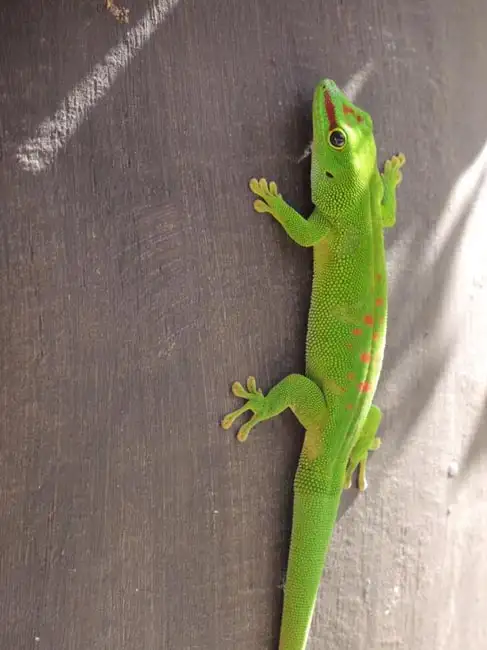
    Reunion - Fly to Nosy Be, Madagascar: Lemuria Island & Hell-Ville
    We fly from Reunion to Nosy Be, at Madagascar's northern tip, known as "the Perfumed Isle" for its scent of ylang-ylang, vanilla, and spice. Madagascar tells a third origin story, different again from the volcanic newborns of Mauritius and Reunion: following the breakup of Gondwana, it split from India around 88 million years ago, a fragment of ancient crust much like the granite we left behind in the Seychelles. That long isolation let native plants and animals evolve entirely on their own terms--over 90% of Madagascar's wildlife exists nowhere else on the planet.

    On arrival we visit Lemuria Island, also called the Ylang-Ylang Distillery, a private park where lemurs live in semi-captivity alongside chameleons and ancient tortoises, supporting breeding programs for several endangered species. Plantations of ylang-ylang, coffee, pepper, and vanilla showcase the aromatic trade that gave Nosy Be its nickname, while the distillery shows how essential oils are drawn from the flowers through steam distillation.

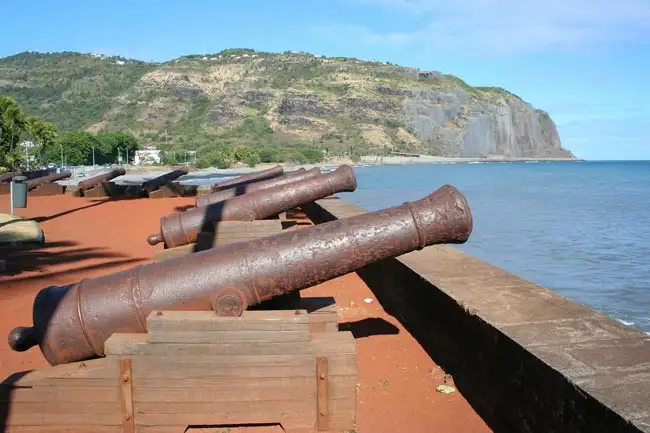
    We continue through Hell-Ville, where ageing Renault taxis compete for road space with zebu-carts, bicycles, and tuk-tuks. Restored colonial buildings line the sea promenade, and old cannons still stand over the harbour, witnesses to the island's colonial-era strategic importance as a way station between Africa and Asia.

    Overnight in Nosy Be, Madagascar.


    Included Meal(s): Breakfast and Dinner
  • Day 13: 
    Nosy Be: Excursion to Lokobe Reserve
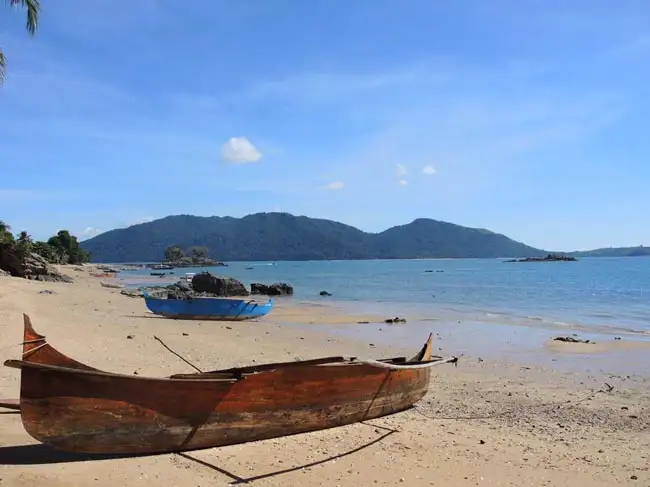
    We venture to Lokobe Reserve, accessible only by traditional outrigger canoe, where 740 ha/1829 acres of lowland rainforest form one of Madagascar's most important conservation areas.

    Our guided walk through the dense forest bordering the reserve searches out the grey-backed sportive lemur, a nocturnal species known for its agility and distinctive grey colouring--one branch of a lemur family tree that diversified into over 100 species after Madagascar's split from the African mainland some 88 million years ago.

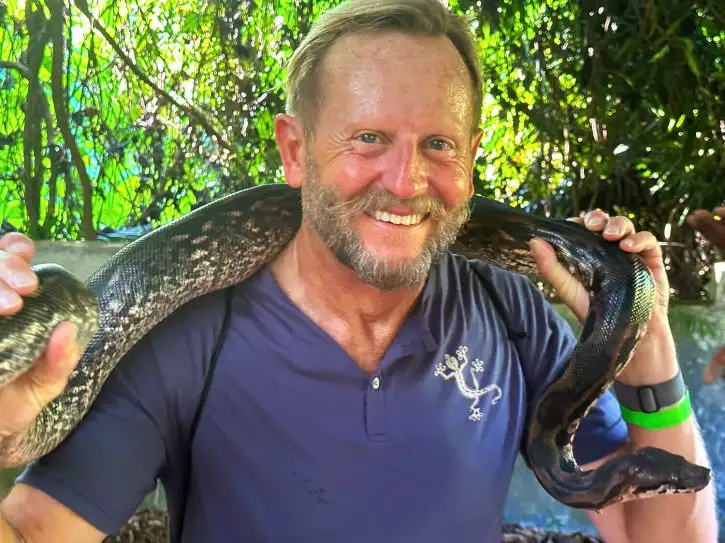
    The forest carries sounds found nowhere else: rustling leaves, calls of endemic birds, the quiet movement of creatures adapted to a world sealed off for millions of years. Our guide helps us read the jungle, pointing out boa constrictors, tree frogs, and stick insects camouflaged so well they are easy to miss entirely.

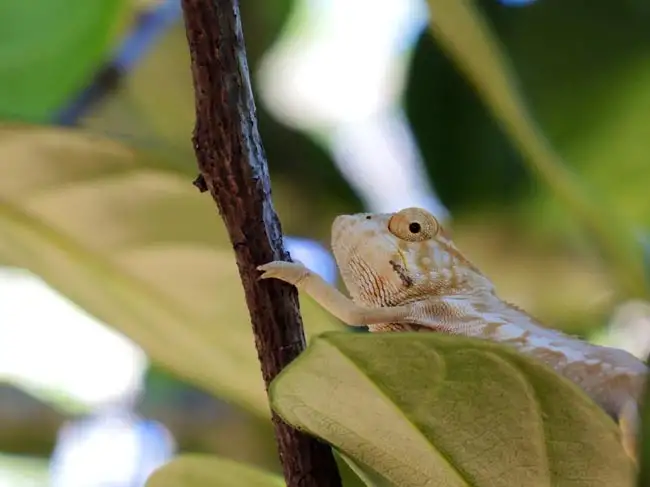
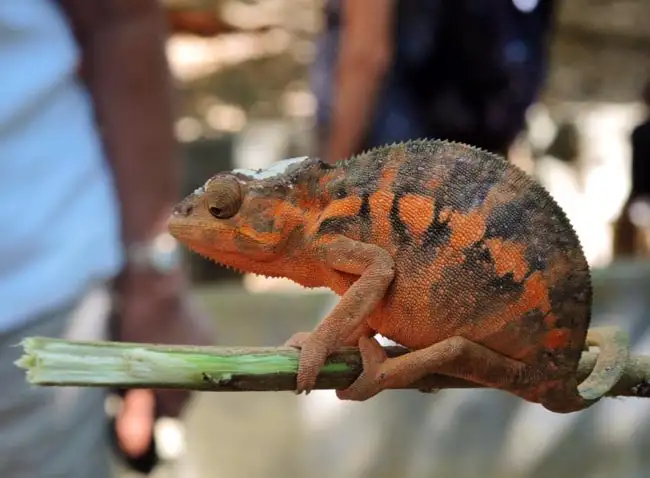
    The Nosy Be panther chameleon rounds out the picture of Madagascar's reptilian diversity, prized for its vivid colours and its ability to shift hue with mood, temperature, and communication needs--one example among many of endemic reptiles that evolved to fill ecological niches left vacant by the island's absent mammals.

    Overnight in Nosy Be, Madagascar.


    Included Meal(s): Breakfast and Dinner
  • Day 14: 
    Nosy Be: Excursion to Nosy Komba
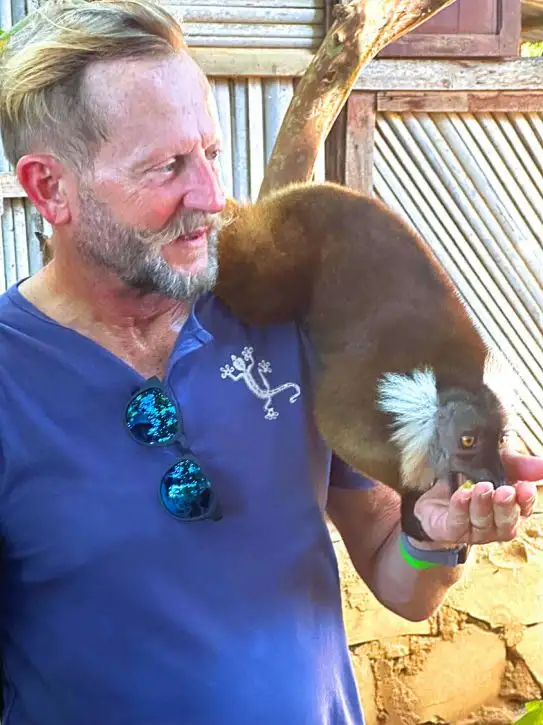
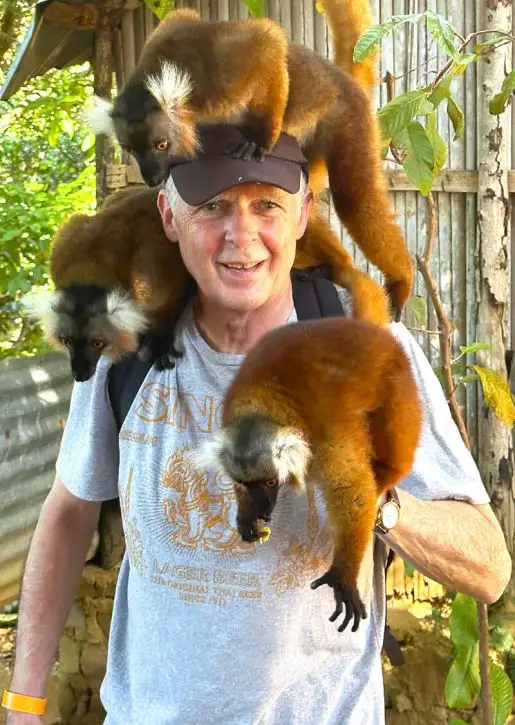
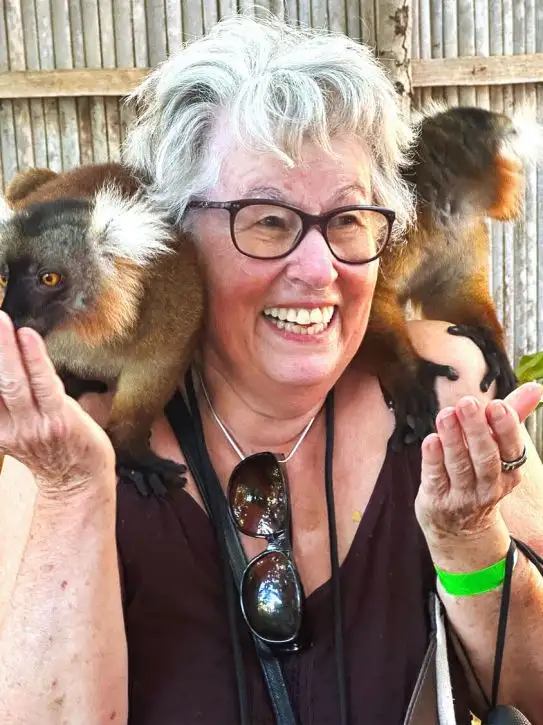
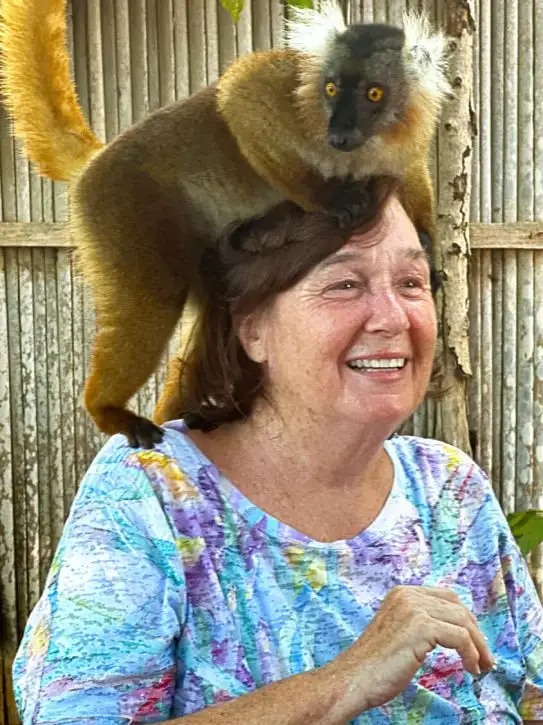
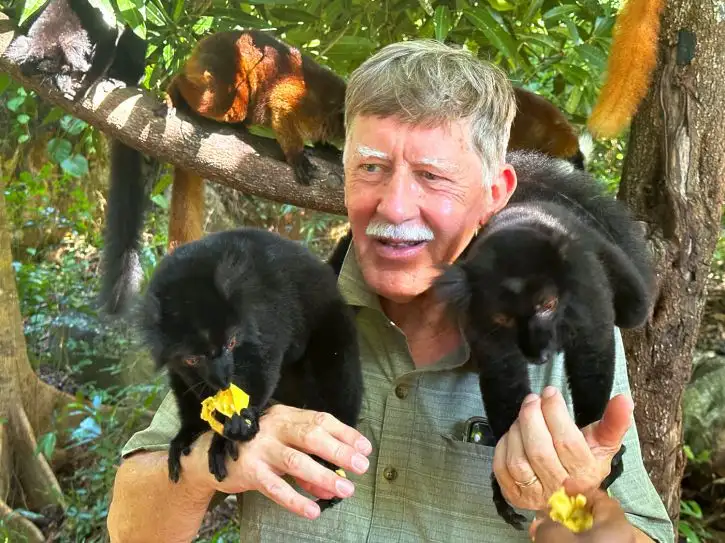
    We drive through Hell-Ville before boarding a boat for Nosy Komba, known locally as "Lemur Island" for its populations of friendly black lemurs, long accustomed to human company after generations of gentle interaction.

    Hidden coves and scenic paths lead through local farms and up into verdant hills, where exotic birds and elusive chameleons inhabit the canopy--proof that each of Madagascar's offshore islands has developed its own distinct ecosystem in miniature.
    We begin with a stroll along quiet beaches before visiting a nearby village, where traditional farming, fishing, and social customs continue largely unchanged, reflecting the close bond between these communities and their environment.

    Forest exploration brings us face to face with playful black lemurs, their curious, fearless behaviour making for genuinely memorable wildlife encounters at close range. The island's hills fold down into sheltered coves that double as harbours for traditional fishing villages--communities that have learned to live in step with their surroundings, a small but hopeful model for Madagascar's conservation future.

    Overnight in Nosy Be, Madagascar.


    Included Meal(s): Breakfast and Dinner
  • Day 15: 
    Nosy Be - Fly to Antananarivo: Royal Hill of Ambohimanga
    A leisurely morning in Nosy Be gives way to an afternoon flight to Antananarivo, Madagascar's highland capital, perched at 1280 m/4199 ft above sea level. Founded in the early 17th century by the Merina people, "Tana" spreads across a dozen hills and valleys in a way unlike any other African capital, one of the few founded by an African kingdom rather than a colonial power.

    After settling into our accommodation, the evening is ours to relax after the journey, gathering later for dinner as we look ahead to tomorrow's exploration of the highlands beyond the city.

    Overnight in Antananarivo, Madagascar


    Included Meal(s): Breakfast and Dinner
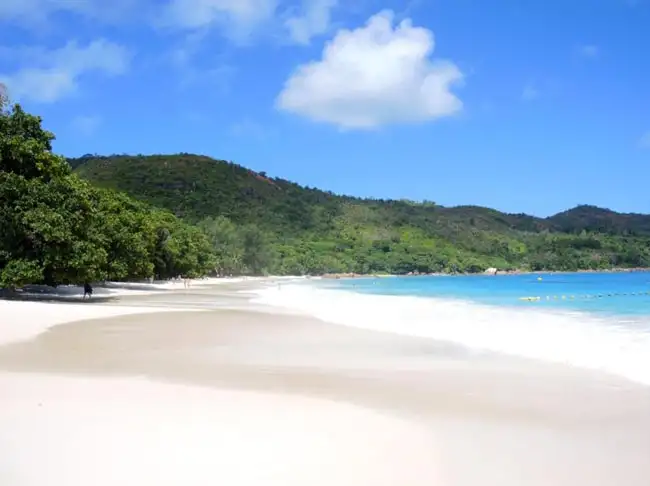
  • Day 16: 
    Antananarivo - Fly to Grande Comore
    This morning we visit the Royal Hill of Ambohimanga, 24 km/15 mi north of the capital and one of Madagascar's most sacred sites. This UNESCO World Heritage Site, its core zone covering 59 ha/146 acres within a much larger buffer, served as the Merina kings' fortified royal settlement before the capital moved to Antananarivo in the early 19th century. The name itself--"Blue Hill"--refers to its distinctive colour seen from a distance.

    We climb the sacred hill through a series of stone gateways that once guarded the compound from invasion. The most impressive, Ambatomitsangana, could be sealed each evening by a circular stone disk 4.5 m/15 ft across and weighing roughly 12 tons--a task that took twenty men working in unison to roll it into place.

    Inside, the wooden palace of King Andrianampoinimerina, who united the Merina kingdom in the late 18th century, preserves its original furnishings and demonstrates traditional Malagasy joinery, built entirely without nails, using mortise and tenon construction. Royal tombs, sacred bathing pools, and places of judgment complete the compound; many Malagasy still make pilgrimages here to honour their ancestors, making Ambohimanga the country's most important spiritual site, one held as sacred as any place in Madagascar.

    In the afternoon we depart for the Comoros Islands via Nairobi, Kenya, continuing on an evening flight southeast over the Mozambique Channel toward the volcanic Comoros archipelago--leaving behind Madagascar's ancient continental fragment for islands still actively being born. We arrive at Grande Comore in the early hours of the following morning and settle into our accommodation for a well-deserved rest.

    Overnight on Grande Comore, Comoros


    Included Meal(s): Breakfast
  • Day 17: 
    Grande Comore: Northern Island Touring
    After a leisurely morning to recover from our late arrival, we explore Grande Comore's northern coast and volcanic heritage--our first close look at an island still actively building itself, in sharp contrast to the ancient crust of the Seychelles and Madagascar.
    Along the western shoreline, mangrove forests now thrive in former lava beds, nature reclaiming ground that was once molten rock.

    Our first stop is the largest baobab tree in the Comoros, spacious enough inside its hollow trunk for ten people to stand together. Some of these giants are over 1000 years old, their bottle-shaped trunks storing water through the dry season and their odd silhouettes visible for kilometres.

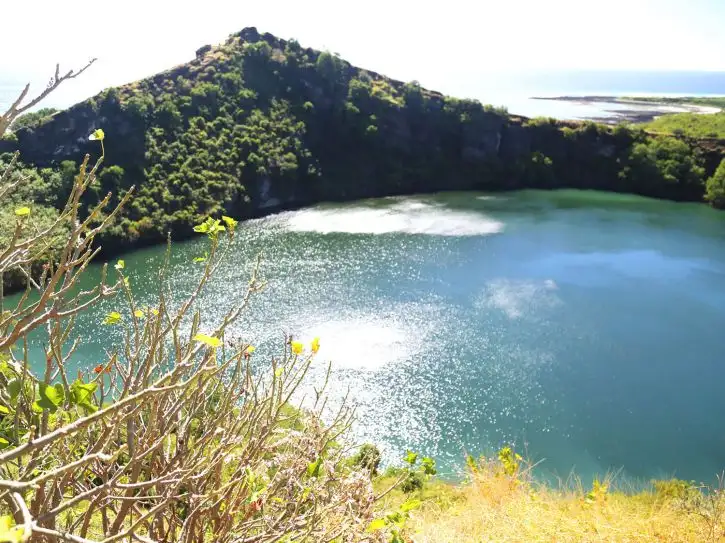
    More than 120 volcanic craters mark this island, and we visit two of the most striking: Lac Sale, a roadside crater lake whose mineral-rich waters are locally believed to hold healing properties, and The Dragon's Back, a coastal crater half-consumed by the sea, leaving only a narrow, dramatic ridge behind.

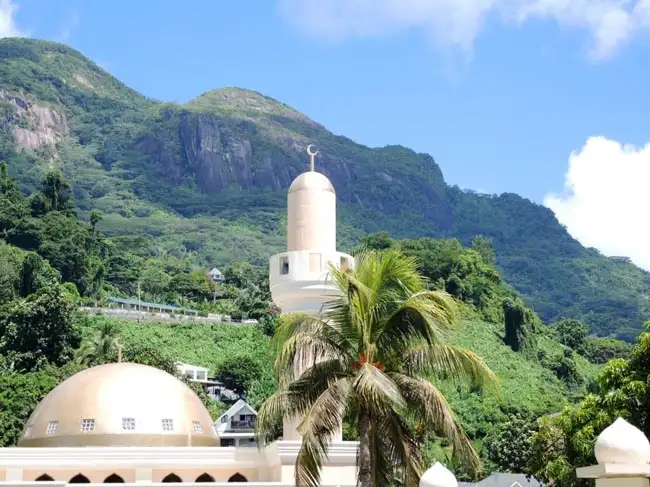
    The village of Bangwa Kouni holds one of the island's favourite mysteries--"The Miraculous Mosque." Legend says villagers woke one morning to find it fully built beside their settlement overnight, though the more likely explanation involves skilled craftsmen and a determined community effort. Nearby, ancient tombs mark the resting places of early Arab traders who first brought Islam to these shores, centuries before the mosque's more mysterious arrival.

    Overnight on Grande Comore, Comoros


    Included Meal(s): Breakfast, Lunch and Dinner
  • Day 18: 
    Grande Comore: Southern Island Touring
    Our exploration of Grande Comore's southern reaches takes in the island's most dramatic volcanic legacy and its historic sultanate capitals. Driving south through Moroni, we reach Singani, destroyed by lava in 1977 and rebuilt directly atop the hardened flow--the community even used the volcanic rock itself as building material, a striking example of Comoran resilience.

    We continue to Foumbouni, the largest town in the south and former capital of the southern sultans, its small medina and old palace speaking to an aristocratic past, with views across the Indian Ocean from the edge of town.

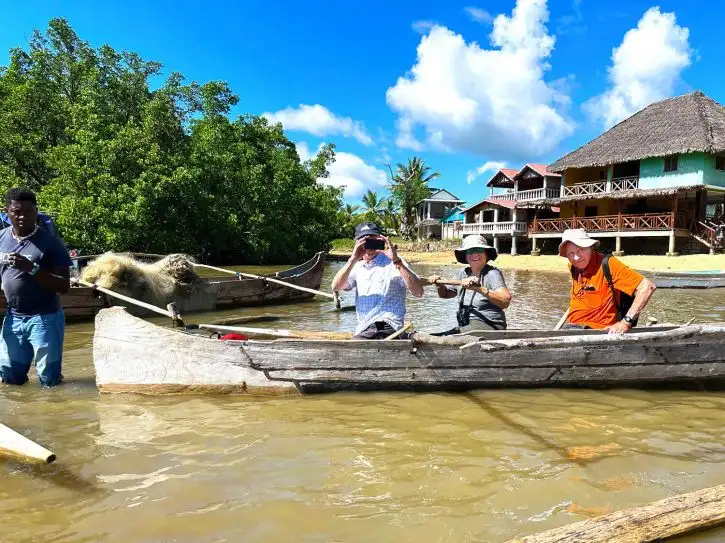
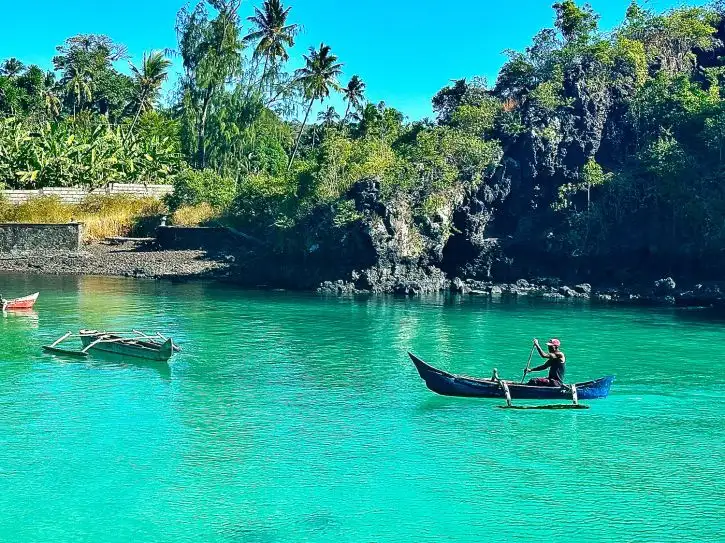
    At Chindini, gateway to Moheli island, fishermen return from the sea in traditional pirogues while others arrive after multi-hour crossings aboard vedettes, the local boats that remain the only link between these remote islands--a scene of isolation and self-sufficiency typical of life in the Comoros.

    Following lunch at a local restaurant, we reach Iconi, an ancient sultan's capital below a steep volcanic cone. During the 1800s, many women here chose to leap from the cone's heights rather than face enslavement by Malagasy raiders--a history the town has never forgotten, even as its bangwes, the open spaces where men still gather to debate community affairs, carry on traditions unchanged for generations.

    Optional: the adventurous may climb the small Iconi volcano to view its old defensive ramparts, rewarded with panoramic views over the town, nearby Lake Marabou, and the sea beyond.

    Overnight on Grande Comore, Comoros


    Included Meal(s): Breakfast and Dinner
  • Day 19: 
    Grande Comore - Fly to Moheli (Mwali)
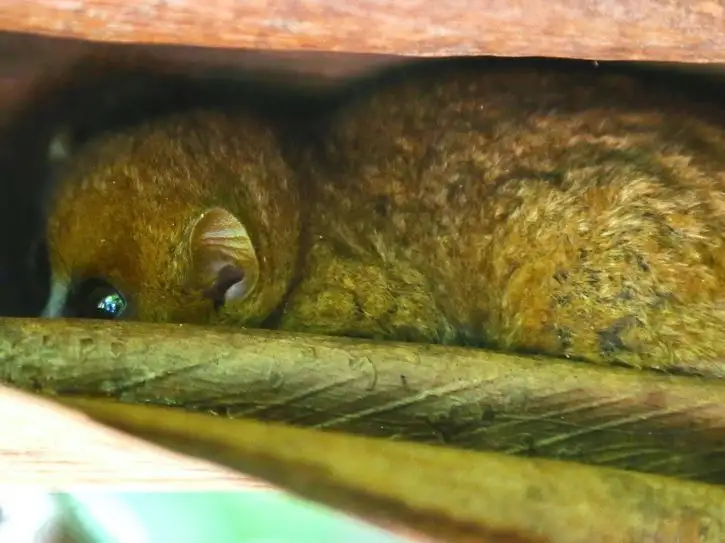
    We fly to Moheli (Mwali), the smallest, wildest, and least visited of the Comoran islands, where an unspoiled landscape of rich forests, coffee and vanilla plantations, and quiet fishing villages remains largely untouched by modern development. It's also a haven for biodiversity found nowhere else on Earth, from endemic birds like the Blue Vanga and Moheli Scops Owl to the Livingstone fruit bat and the Comorian lemur, with the evening turtle excursion at Nioumachoua ranking among the most memorable wildlife encounters of the trip.

    Our exact activities on Moheli will depend on our arrival time, weather, and the group's interests. Some of the island's highlights involve rough, steep terrain and river crossings on foot in considerable heat and humidity--by this stage of the tour, your tour leader will have a good sense of the group's fitness and capabilities and can advise on what's suitable. A few days before we arrive, the tour leader will outline all the options in detail so we can gauge interest and numbers, allowing our local operator to arrange things in advance.

    Overnight on Moheli, Comoros


    Included Meal(s): Breakfast and Dinner
  • Day 20: 
    Moheli Island Exploration
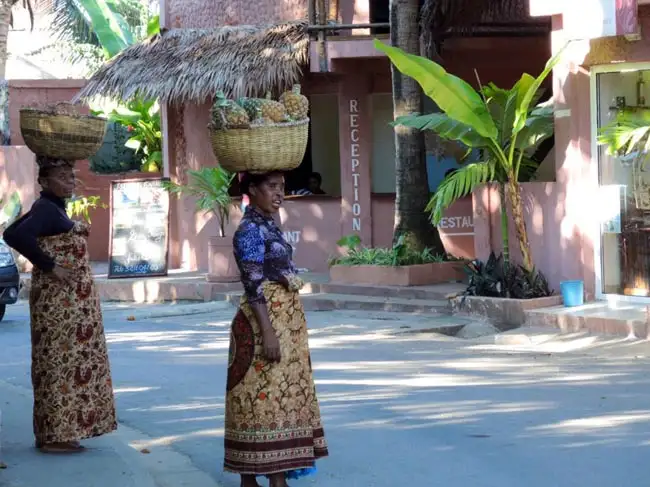
    Our exploration of Moheli reveals an island where biodiversity thrives in near-pristine conditions, still the least developed of the Comoros. Primary forest hikes introduce fruit trees and medicinal plants--vanilla, pepper, cloves, cinnamon, and pineapple--while local guides share traditional knowledge of their healing properties, passed down through generations without ever being written down.

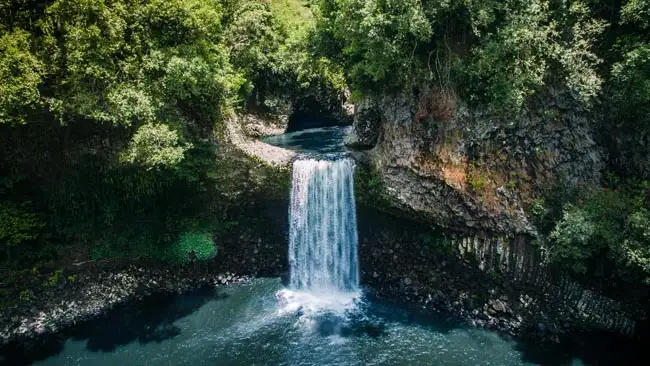
    A forest walk leads to a scenic waterfall and natural pool, where freshwater shrimp thrive and visitors can cool off beneath the cascade. This route replaced the former coastal waterfall at Merimani, which lost much of its flow to upstream diversions and village pollution in recent years.

    The village of Nioumachoua offers a glimpse of authentic island life, where residents keep to "island time," fishing, farming, and gathering much as they have for generations, largely untouched by the pace of the wider world.

    The evening brings an extraordinary excursion to witness one of nature's oldest rituals: Moheli is one of the few places on Earth where sea turtles come ashore nightly, year-round, to lay their eggs. In the marine reserve's protected dark, we watch these ancient creatures dig nests and deposit eggs that will hatch weeks later--a quiet reminder of our responsibility to protect them and the habitats they depend on.

    Overnight on Moheli, Comoros


    Included Meal(s): Breakfast, Lunch and Dinner
  • Day 21: 
    Moheli - Fly to Grande Comore - Moroni Discovery
    We return to Grande Comore this morning, flying from remote Moheli back to Moroni, the nation's capital. After several days in Moheli's untouched wilderness, we appreciate the contrast of this charming port town, where Arab heritage and African tradition blend seamlessly.

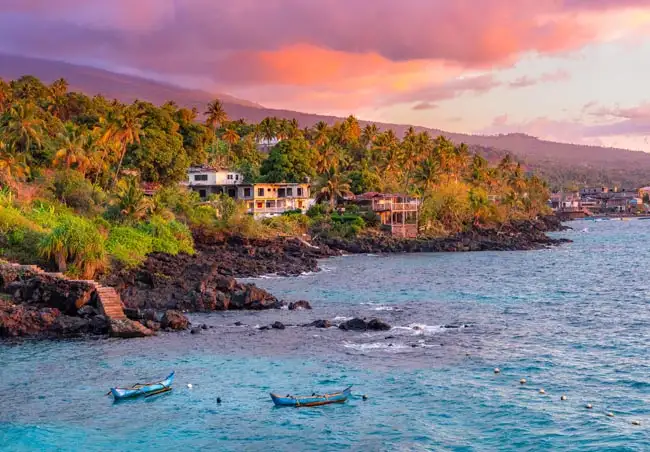
    Moroni sits on Grande Comore's southwest coast, overlooking a harbour filled with traditional fishing boats. Largely Arabic in atmosphere, the town's old quarter--a maze of narrow streets lined with whitewashed buildings and carved wooden doors--reflects centuries of prosperity as a key port for Arab merchants trading with Asia. The vendredi mosque, or Friday mosque, its minaret rising above the medina, remains the spiritual heart of the old town.

    Along the bustling waterfront, fishermen mend nets beside traditional dhows and vendors sell spices, tropical fruit, and the day's catch, a scene that has changed little for generations. The harbour wall offers a fine vantage point for watching sunset over Mount Karthala, the still-active volcano that built this youngest of our islands, a fitting bookend to the ancient granite where our journey began.

    Our final evening in the Comoros is a chance to reflect on this remarkable archipelago, where the modern world feels reassuringly distant.

    Overnight on Grande Comore, Comoros


    Included Meal(s): Breakfast and Dinner
  • Day 22: 
    Departure
    We depart from Moroni Airport (HAH), our journey complete. Three weeks have carried us from the ancient granite of the Seychelles and the continental fragment of Madagascar to the restless young volcanoes of Mauritius, Reunion, and the Comoros--two very different ways an island comes into being, and two equally rich sets of cultures shaped by the sea around them.

    Bon voyage!


    Included Meal(s): Breakfast
Regions Visited: Southern Africa and East Africa
Countries Visited: Comoros Islands, Madagascar, Mauritius, Reunion and Seychelles


*The red tour trail on the map does not represent the actual travel path.

Excellent
Overall Rating
4.7
Extend Your Trip
This tour is part of a series that can be upgraded to make for a longer trip.
Book Your Tour Here
Fast and easy

Book This Tour

Book your unforgettable adventure today! For any questions or advice, don't hesitate to contact us.

Have questions?

1-800-665-3998
  • Final payment: Due 90 days prior to departure.
  • Deposit: A non-refundable $1500 CAD Deposit is required at booking.
  • Internal Flight Taxes: An extra $780 CAD applies for taxes and fees on tour flights. The internal airfares are included, but taxes are listed separately as they may change. Exceptions are noted in Red.
  • Optional Single Supplement: $3940 CAD (number of singles limited).
    (View options for
    single travellers
    )
  • Additional $1000 deposit per person required upon 'guarantee' due to nature of internal flights; this amount goes towards your final balance and is not an additional cost. Once paid these payments become 100% non-refundable/non-transferable. If you are booking more than a year out, the dates shown can be considered tentative.
Choose your departure date:

Prices below are per person, twin-sharing costs in Canadian Dollars (CAD). Pricing does not include airfare to/from the tour and any applicable taxes.


2026
2027
  • 01: 
    Can Adventures Abroad book my flights?
    Yes! We have full-service in-house air department with years of experience booking our passengers to far-flung places around the world from any place that has an airport. Travelling from Los Angeles to Rome? No problem. Travelling from Deer Lake, Newfoundland to Antananarivo? Also not a problem!


    • 01: 
      Can Adventures Abroad get better deals than I can online?
      Here’s the clear answer: Usually, no.


      Booking your flights with us is super convenient—it’s like one-stop shopping! Plus, we’ll take care of you if something goes wrong, like a canceled flight or missed connection. We include airport transfers at your destination when you book flights through us. Some routes to less common destinations can be hard to find on your own or through online search engines. Which usually only show popular routes. Let us make it easy for you!
    • 02: 
      Why should I book my flights with Adventures Abroad?
      • Included airport transfers: Enjoy a smoother trip with airport transfers provided when you book flights with us.
      • Peace of mind: Feel confident knowing we’ve got you covered during your trip.
      • Help with disruptions: If your travel plans change, we assist with rebooking flights and updating our partners and staff at your destination.
      • Avoid stress and confusion: Booking with us means you won’t have to deal directly with airlines or ticket sellers if issues arise.
  • 02: 
    Does the group fly together on a set route and airline?
    Unlike with some companies, you are not obliged to fly with a particular airline on "bulk" group flights. Because our travellers are coming from (usually) across North America, everyone who flies with us receives a custom air quotation that best serves their situation and preferences—we do not have "set" routings on only a limited number of airlines.


    While fare and convenience are always at the top of the list of criteria, we can work with you to find the option that suits you best.
  • 03: 
    When should my flights be quoted / booked?
    Everyone wants to know their flight details early. To get the best fares and routes, book your tour and pay your deposit as soon as possible. This helps us confirm the tour early. Booking 8-12 months ahead takes some trust, but it’s the best way to plan with so many factors involved. We can’t always provide exact flight costs more than 6 months out or before the tour is confirmed. But we almost always find a solution that works for our travellers.

If you are booking more than one person with different addresses and separate billing, please book each person individually.

7 or more travellers - Please contact us to book.
Single Travellers -
(View options)
Deposit Due Today: $1,500 CAD
Reserve Your Spot
Indian Ocean Islands
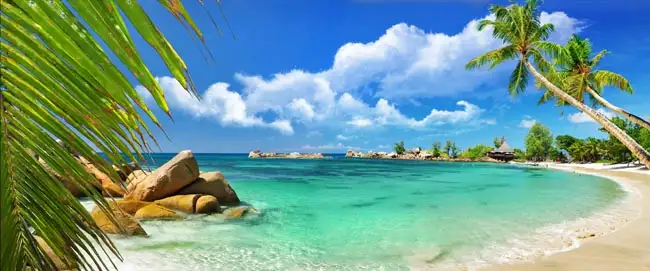
Adventures Abroad takes you on a journey of the most breathtaking islands in the Indian Ocean, including Mauritius, Seychelles, Madagascar, and Reunion. On this tour, you can take a dip in the turquoise waters, soak in the views of dormant volcanoes, enjoy traditional island cuisine, and experience the vibrant local cultures. And don’t forget the lemurs!
Exciting Videos of
Tourcode: MCIO
Indian Ocean Islands
Adventures Abroad takes you on a journey...
<01>

Frequently Asked Questions

  •  
    What is the maximum number of participants on a trip?
    Most of our tours carry a maximum of 18 participants; some tours (ie hiking tours) top out at 16. In the event that we do not achieve our minimum complement by our 90-day deadline, we may offer group members the option of paying a "small-group surcharge" as an alternative to cancellation. If all group members agree, we will confirm the trip at existing numbers; this surcharge is refundable in the event that we ultimately achieve our regular minimum. If the small group surcharge is not accepted, we will offer a refund of your deposit or a different trip of your choice.
  •  
    Can I extend my tour either at the beginning or end? What about stopovers?
    Yes, you can extend your tour either at the beginning or the end and we can book accommodation in our tour hotel. Stopovers are often permitted, depending on air routing. Stopovers usually carry a "stopover" fee levied by the airline.
  •  
    How do I make a reservation? How and when do I pay?
    The easiest way to make a reservation is via our website; during office hours, you are also more than welcome to contact us by telephone.

    A non-refundable deposit is payable at the time of booking; if a reservation is made within 90 days, full payment is required. Some trips require a larger deposit. If international airline bookings require a non-refundable payment in order to secure space or the lowest available fare, we will require an increase in deposit equal to the cost of the ticket(s).

    Early enrolment is always encouraged as group size is limited and some trips require greater preparation time.

    Once we have received your deposit, we will confirm your space and send you a confirmation package containing your trip itinerary, any visa/travel permit related documents, invoice, clothing and equipment recommendations, general information on your destination(s), and forms for you to complete, sign and return to us. Your air e-tickets (if applicable), final hotel list, final trip itinerary, and instructions on how to join your tour, will be sent approximately 2-3 weeks prior to departure.
  •  
    What about cancellations, refunds, and transfers?
    Please review our cancellation policy page for details.
  •  
    I am a single who prefers my own room. What is a single supplement?
    All of our tours have a single supplement for those who want to be guaranteed their own room at each location.

    This supplement is a reflection of the fact that most hotels around the world do not discount the regular twin-share rate for a room by 50% for only one person occupying a room. Most hotels will give a break on the price, but usually in the range of 25-30% of the twin-share rate. This difference, multiplied by each night, amounts to the single supplement.

    The conventional amount can also vary from country to country and some destinations are more expensive than others for single occupancy. In order to be "single friendly," the supplements we apply are not a profit centre for us and we do our best to keep them as reasonable as possible.

    On most tours we limit the number of singles available, not to be punitive, but rather because many hotels allow for only a limited number of singles; some smaller hotels at remote locations also have a limited number of single rooms available.

    Please note that most single rooms around the world are smaller than twin-share rooms and will likely have only one bed.
  •  
    Do you have a shared accommodation program?
    Yes! If you are single traveller and are willing to share, we will do our best to pair you with a same-gender roommate. Please note that should we fail to pair you, we will absorb the single supplement fee and you will default to a single room at no extra charge.

Share:
 DATES & PRICES
This website uses cookies to ensure you get the best experience on our website.
Additional Cookie Details.


Got it