- History
- Off The Beaten Path
- Overview
- Info & Inclusions
- Itinerary
- Map & Hotels
- Photos
- Dates & Prices
- Tour Duration: 14 Days
- Max Group Size 18
- Carnac's megalithic alignments and Jersey's Neolithic passage graves
- Loire Valley châteaux including Chambord and Chenonceau
- D-Day beaches at Juno and Omaha with the Normandy American Cemetery
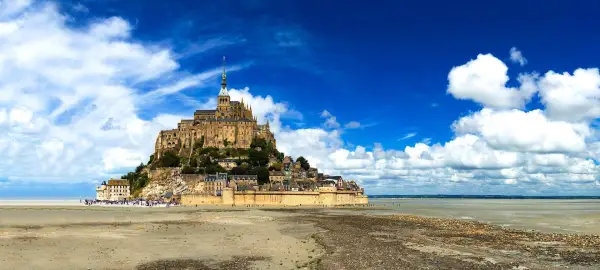
- Mont Saint-Michel's gravity-defying medieval abbey
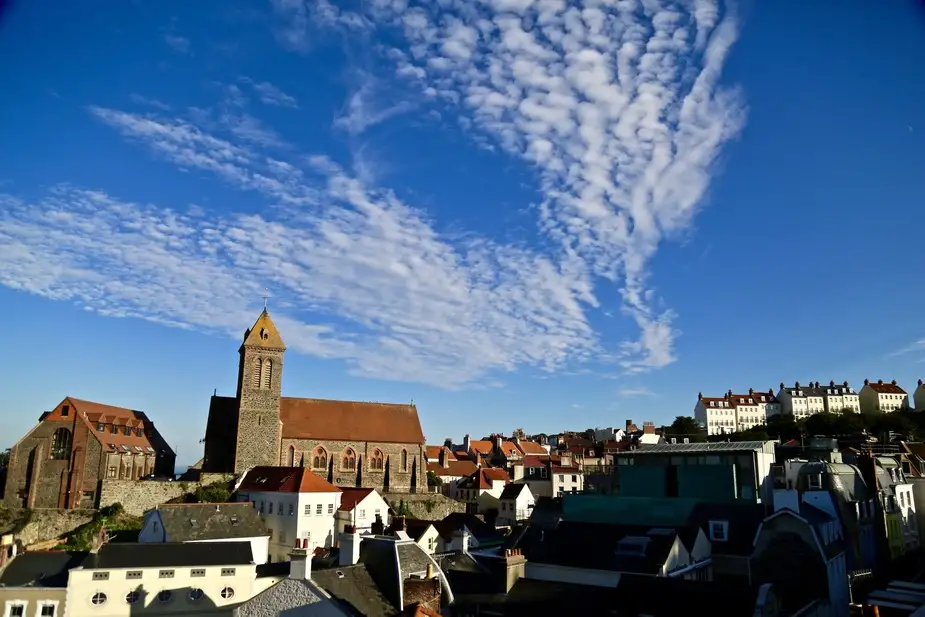
- Car-free islands of Sark and Herm with dramatic coastlines
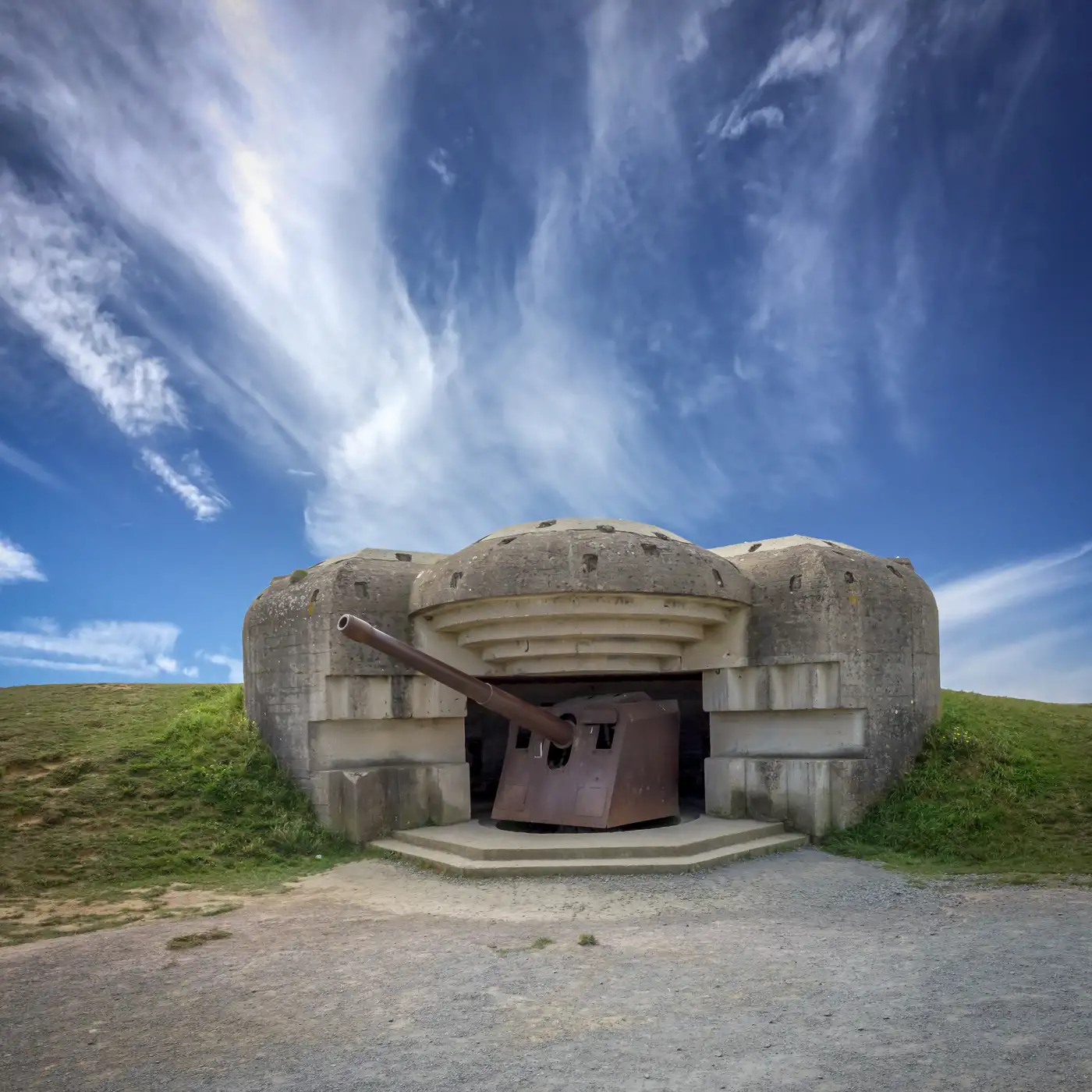
- Jersey War Tunnels and the Atlantic Wall fortifications
- Singles friendly (view options for single travellers)
This journey moves forward through time as confidently as it moves across geography: France's Loire Valley châteaux represent Renaissance Europe at its most audacious—Chambord's double-helix staircase possibly inspired by Leonardo da Vinci, who spent his final years at nearby Clos Lucé; Chenonceau's gallery spanning the River Cher, testament to the remarkable women who owned and transformed it.
Normandy's D-Day beaches and the Channel Islands' War Tunnels reveal 20th-century conflict's profound impact on these same shores where Neolithic peoples once landed their boats. Mont Saint-Michel's gravity-defying medieval abbey demonstrates how sacred geography persists across centuries, while the Channel Islands themselves—neither fully French nor entirely British—preserve a unique Anglo-Norman culture born when William the Conqueror's heirs chose England over Normandy.
From feudal Sark where horse-drawn carriages remain the only transport, to Guernsey where Victor Hugo transformed political exile into literary triumph, to Jersey's dramatic clifftop fortifications watching the French coast just 22 kilometres distant, these islands reveal European history's most fascinating intersections. This is a tour of profound continuity and startling transformation, where the Neolithic Thread that begins at Carnac weaves through Renaissance elegance, wartime resistance, and island cultures that have stood at the crossroads of European civilization for seven millennia.
- MealsSavour authentic flavours with included daily breakfasts and most dinners at hotels or handpicked local restaurants—immersing you in local cuisine without worrying about reservations or budgets.
- Transport & Logistics
Private air-conditioned coaches and included internal ferries and flights—ensuring hassle-free travel so you can focus entirely on the discoveries ahead.
"Adventures Abroad tour leader's management and guest services managed the tour with great skill and dedication. The tour leader was on top of every move and transfer. We have not experienced any issues with logistics and had a great time."
~ JULIA O"The tour leader did an excellent job coordinating some difficult travel logistics, power outage issues and resolving problems and dealing with guests who had unrealistic expectations."
~ CYNTHIA COLLINS - Expert Guidance
Unlock insider secrets at every landmark with your full-time Tour Leader and expert local guides , all gratuities covered—no hidden tipping surprises—so you immerse fully in your destination's stories, worry-free. (Except for the tips to your tour leader at the end of your tour.)
"Amazing tour guide. Our tour guide was very well organized, Her passion, knowledge, and enthusiasm completely transformed the travel experience into something truly unforgettable..."
~ MELANIE LEMAIRE"Highly recommend every trip with Adventures Abroad. It's a well organized and well thought out adventure. The tour leaders are friendly, knowledgeable and experienced professionals. Highly recommend this company."
~ SUSAN WALL - Sightseeing & EntrancesAll entrance fees for sites visited as per the itinerary—no hidden costs—so you can explore ancient ruins and excursions with complete peace of mind.
- AccommodationsUnwind in clean, well-located 3 to 4-star hotels with private en suite facilities—handpicked for comfort and convenience after each day's discoveries—so you can rest easy knowing your stay supports the real adventure, not steals the spotlight.
- Small Group
Discover the world in small groups of up to 18 travellers plus your expert Tour Leader—unlocking spontaneity, off-the-beaten-path adventures, and genuine connections at a relaxed pace, free from crowds.
"Looking Forward to My Next Adventure The best feature of the Adventures tour was the small size that allowed the group to quickly load up, let everyone get acquainted within the first 24 hours, capitalize on unplanned surprises along..."
~ PHILIP BLENSKI"Good value for a great time I have traveled with Adventures Abroad for over 20 years now. Well thought out, interesting itineraries and the other travelers congenial and friendly. The price always seems fair and overall a..."
~ Trusted Customer - Airport Transfers For Land & Air CustomersWe handle hassle-free airport transfers for all our land and air tour customers—plus early arrivals or late departures when you book extra hotel nights directly with us for added peace of mind.
- International airfare to/from the tour
- Tour Leader gratuities, most lunches, drinks, personal items (phone, laundry, etc), international air taxes (if applicable), any excursions referenced as 'optional'
- Airport transfers for "Land Only" customers
- Optional trip cancellation insurance (for information please click on the "Resources" tab).
- Seasonality and Weather:
Late May into early June offers ideal conditions for this tour. Normandy and Brittany enjoy pleasant spring weather with long daylight hours perfect for exploring châteaux gardens and coastal walks. The Channel Islands benefit from their mild maritime climate—among the sunniest locations in the British Isles—with wildflowers in bloom across Sark and Herm. D-Day commemorations occur June 6th (after our departure), meaning you'll experience these sites without the anniversary crowds. This timing also avoids French public holidays in early-to-mid May, ensuring full access to all sites and smoother travel logistics throughout the Loire Valley and Normandy. - Transport and Travel Conditions:
This tour operates by private coach throughout France and ferries between the Channel Islands. Daily touring involves moderate walking on cobblestones, uneven surfaces at historical sites, and stairs at châteaux and castles. Mont Saint-Michel requires climbing medieval staircases to reach the abbey.
The Channel Islands involve ferry crossings with luggage (typically 1-2 hours). Most sites are accessible, though medieval fortifications like Mont Orgueil Castle involve climbing through narrow passageways and steep steps. The reward is direct access to some of Europe's most profound historical sites, from 7,000-year-old standing stones to the beaches where the tide of World War II turned.
Am I suitable for this tour? Please refer to our self-assessment form - Activity Level: 1
No particular physical activity is involved other than town/city walks and short walks to dinners and sites of interest, some of which are large.
To learn more about the Activity levels, please visit our tour styles page. - Accommodation:
Accommodation throughout this tour is 3-4 star standard, featuring well-located hotels in city centres and resort areas. In Nantes, the Loire Valley, Bayeux, and Saint-Malo, hotels are comfortable and contemporary with modern amenities. On Jersey and Guernsey, we use centrally-located St. Helier and St. Peter Port hotels within walking distance of harbours and shops. All hotels offer en-suite bathrooms, air conditioning where needed, and breakfast. Most, if not all, will provide luggage handling. - Staff and Support:
Full-time Tour Leader (Jonathan Hodgson) with local guide support at several locations.
Please note: Any advance notice/advertising regarding tour leadership assignation was accurate as of tour publish date. Factors such as unforeseen placement challenges, illness/injury, personal/family obligations, and other logistical considerations may necessitate adjustments without notice or compensation. - Group Size:
Maximum 18 plus Tour Leader
- Day 1:Arrival in Nantes: Welcome to Brittany's Atlantic CapitalWelcome to Nantes, the historic capital of Brittany where the Loire River meets the Atlantic. This elegant city has reinvented itself from shipbuilding powerhouse to cultural hub, though traces of its maritime past remain—the medieval Château des Ducs de Bretagne still commands the old quarter, and graceful 18th-century townhouses line the quays where merchants once traded West Indies sugar and timber from the Americas.
Tonight we gather for our first meal together, meeting fellow travellers and looking ahead to the journey before us.
GETTING TO NANTES: We begin this tour in Nantes rather than Paris to focus on our Atlantic/Channel coast narrative and avoid the high costs of the capital, which many people have already visited. If you have not yet experienced Paris and would like to extend your trip to include it, many travellers reach Nantes via the frequent TGV train from Paris Montparnasse (2h 15min, departures every 30-60 minutes). Nantes can also be reached by direct flights to Nantes-Atlantique Airport (NTE), with connections through numerous European countries.
Overnight in Nantes.
Included Meal(s): Dinner - Day 2:Nantes Neolithic Loop: Carnac's Standing Stones & La Roche-aux-FéesThis morning takes us deep into Brittany's Neolithic heartland, visiting two of Western Europe's most impressive megalithic sites. We begin at La Roche-aux-Fées—the "Rock of the Fairies"—where 42 massive stone slabs form a passage grave built between 5000-4000 BC. The dolmen stretches nearly 20 metres, its capstones weighing up to 45 tonnes, raising questions about the engineering capabilities and social organization of these ancient builders. Local legend claims that counting the stones will reveal your marriage prospects, though no two counts ever match.
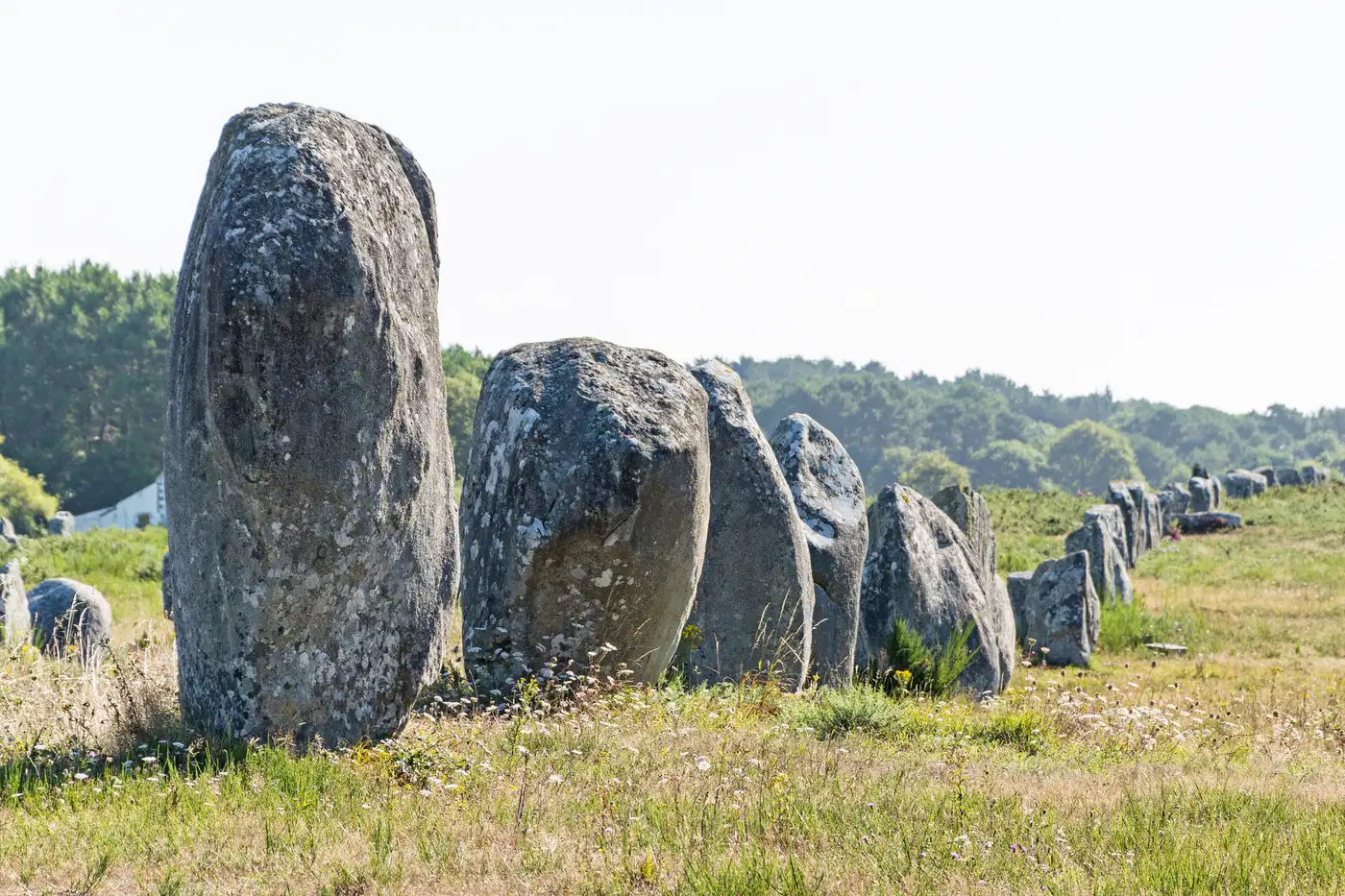
From here we continue south to Carnac, site of the world's largest collection of standing stones. More than 3,000 menhirs stretch in alignment rows for nearly four kilometres across the Breton countryside—erected between 4500-3300 BC for purposes that remain mysterious. Were they astronomical calendars? Ceremonial pathways? Territorial markers? We walk among the Ménec and Kermario alignments, where stones stand like silent sentinels across fields that have witnessed 6,000 harvests. The Museum of Prehistory provides context for what we've seen, displaying tools, pottery, and burial goods that connect these monuments to the people who built them.
By late afternoon we return to Nantes, the Neolithic landscape fading behind us as we re-enter the present.
Overnight in Nantes.
Included Meal(s): Breakfast and Dinner - Day 3:Nantes - Loire Valley: Chambord & ChenonceauLeaving the coast behind, we journey inland to the Loire Valley, where French kings and nobles built châteaux that defined Renaissance elegance. Our first stop is Chambord, the largest château in the Loire Valley and perhaps its most audacious. François I conceived this hunting lodge as a demonstration of royal power—440 rooms, 282 fireplaces, 84 staircases, and a roofline designed to resemble Constantinople's skyline. The famous double-helix staircase may have been inspired by Leonardo da Vinci, who lived nearby at Clos Lucé during the château's construction. From the rooftop terrace, where chimneys and turrets create a forest of stone, the forest of Chambord extends to the horizon—a 5,440-hectare game reserve as large as inner Paris.
We continue to Chenonceau, the "Ladies' Château" whose history belongs to the remarkable women who owned and shaped it. The château spans the River Cher on five Renaissance arches, its two-story gallery reflected in the water below—an architectural grace note that makes Chenonceau instantly recognizable. Henri II gave the château to his mistress Diane de Poitiers, who added the bridge and exquisite gardens. When the king died, his widow Catherine de Medici forced Diane out and transformed the bridge into the gallery that defines Chenonceau today. The rooms preserve their stories—Diane's bedchamber in black and white, Catherine's in her signature green.
Overnight in the Loire Valley.
Included Meal(s): Breakfast and Dinner - Day 4:Loire Valley: Château d'Amboise, Clos Lucé & Village ExplorationThis morning we visit the Château d'Amboise, perched on a rocky outcrop commanding sweeping views over the Loire River and the medieval town below. Charles VIII transformed this medieval fortress into a Renaissance palace in the late 15th century, bringing Italian craftsmen to create what became a model for Loire châteaux. François I spent his childhood here and later invited Leonardo da Vinci to Amboise, installing him at nearby Clos Lucé. When Leonardo died in 1519, he was buried in the château's Chapel of Saint-Hubert—the small Gothic gem clinging to the ramparts, its door lintel carved with scenes of the saint's conversion.
We continue to Clos Lucé, the elegant manor house where Leonardo da Vinci spent his final three years. François I installed the aging genius here in 1516, granting him a generous pension and freedom to think, dream, and work. The house preserves Leonardo's private apartments and studio, while the gardens display working models of his inventions—constructed from his notebook sketches. The flying machine, the tank, the paddleboat: engineering concepts centuries ahead of their time, conceived by a mind that refused boundaries between art and science. An underground tunnel once connected Clos Lucé to the royal château, allowing the young king to visit his mentor for conversations that ranged across philosophy, engineering, and art.
The afternoon allows time to explore Amboise's cobbled streets, perhaps visiting local caves for Vouvray wine tastings or simply wandering the riverside promenades where the Loire reflects medieval towers and Renaissance facades. Your Tour Leader can suggest charming villages worth exploring independently: Montrésor with its medieval arcades, Lavardin's ruined fortress overlooking the Loir, or the gardens and walkways that line the Loire through this peaceful valley. Those interested in wine can arrange tastings of Vouvray or Chinon through the Tour Leader.
Overnight in the Loire Valley.
Included Meal(s): Breakfast and Dinner - Day 5:Loire Valley - Normandy: D-Day Beaches & BayeuxWe leave the Loire Valley this morning for Normandy, the landscape gradually shifting from riverside châteaux to the agricultural plains of the Calvados. By midday we reach the D-Day beaches where on June 6, 1944, Allied forces launched Operation Overlord—the largest amphibious invasion in history.
We begin at Juno Beach, where the 3rd Canadian Infantry Division came ashore under heavy fire. Despite suffering nearly 1,000 casualties on D-Day alone, Canadian troops pushed further inland than any other Allied division that day. The Juno Beach Centre stands as Canada's primary D-Day museum in Normandy.
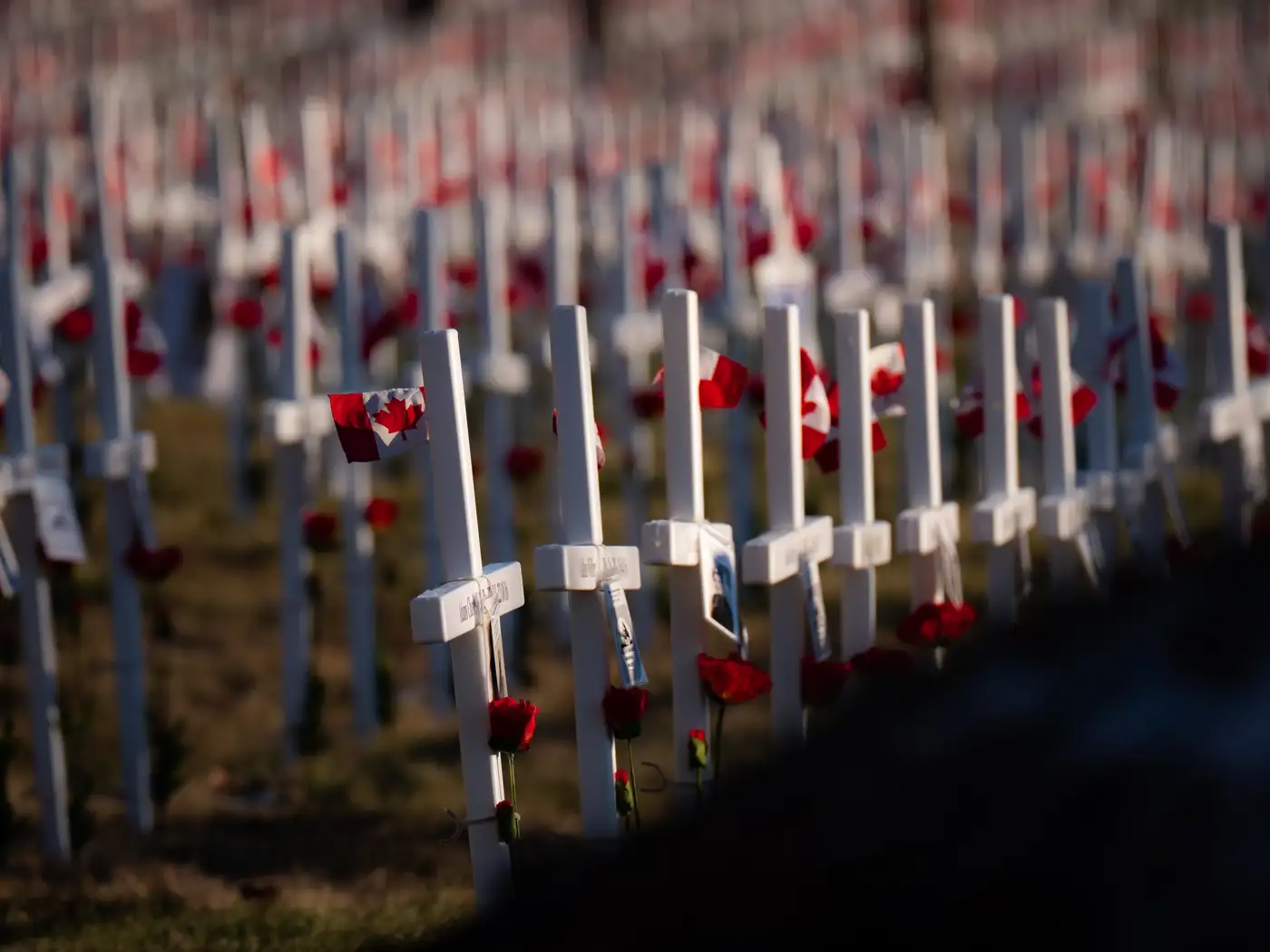
We continue to Omaha Beach, the bloodiest of the five landing sites, where American forces faced devastating fire from German positions on the bluffs above. Above the beach, the Normandy American Cemetery spreads across 172 acres overlooking the landing site. Here 9,388 white marble crosses and Stars of David stand in precise rows, while the names of 1,557 missing are inscribed on the memorial's curved walls—men whose bodies were never recovered. The Memorial Museum of the Battle of Normandy chronicles the 100 days from June 6 through the complete liberation of Normandy.
Late afternoon brings us to Bayeux, miraculously spared destruction during the Battle of Normandy and liberated intact on June 7, 1944—the first French town freed from German occupation. Bayeux Cathedral rises above the medieval town centre, its Norman Romanesque nave consecrated in 1077 with William the Conqueror in attendance.
Overnight in Bayeux.
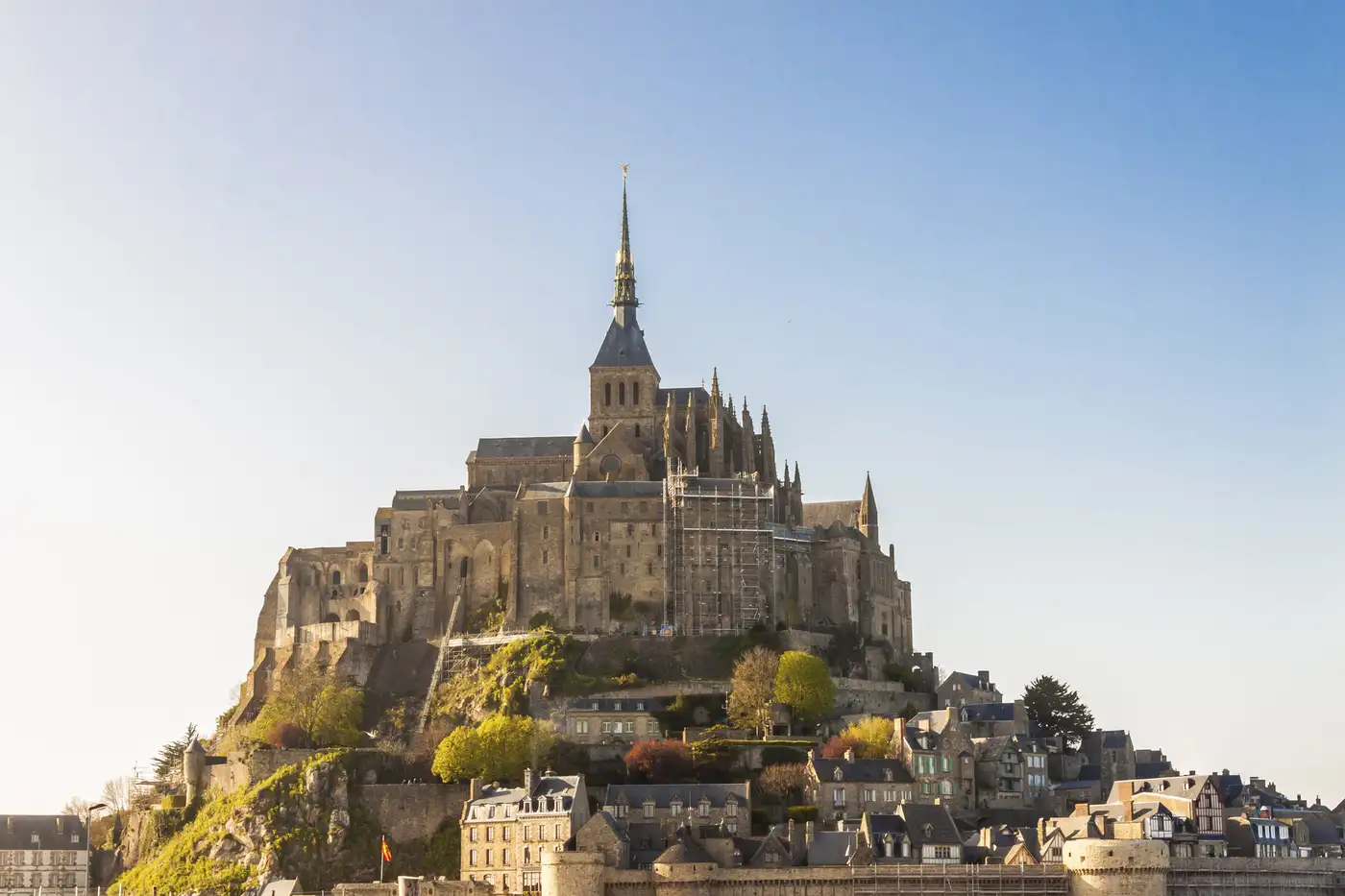
Included Meal(s): Breakfast and Dinner - Day 6:Bayeux - Mont Saint-Michel - Saint-MaloThis morning we journey west to Mont Saint-Michel, the abbey-crowned island rising from the tidal flats of Normandy's coast. According to legend, the Archangel Michael appeared to the Bishop of Avranches in 708, commanding him to build a church on this granite outcrop. What began as a small oratory evolved into one of medieval Christendom's great pilgrimage sites—a Benedictine abbey whose construction spanned six centuries. The approach reveals why medieval pilgrims called it "the Wonder of the Western World": at high tide the mount becomes an island, surrounded by the highest tides in continental Europe; at low tide, vast sand flats extend for kilometres.
We climb the narrow Grande Rue through the fortified village, past medieval houses and shops that have served pilgrims for 500 years, ascending stone staircases to the abbey itself. The Romanesque church crowns the summit, its choir suspended 80 metres above sea level. Below, the Gothic marvel known as La Merveille—the "Marvel"—stacks three stories of architecture on the north face: guest hall, Knights' Hall, and the gravity-defying cloister where monks walked between heaven and earth.
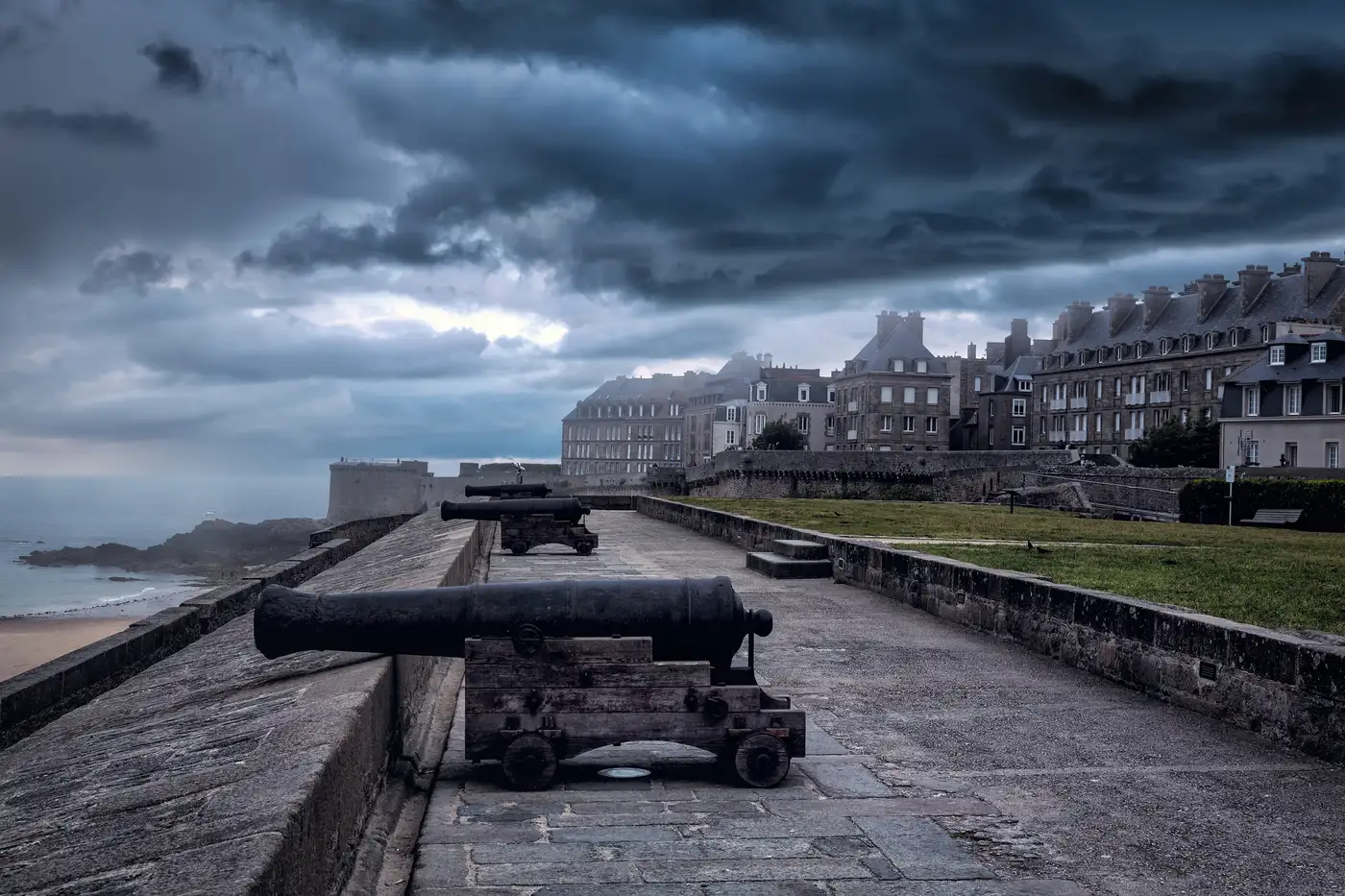
By mid-afternoon we continue to Saint-Malo, the ancient corsair city commanding the mouth of the Rance River. Granite ramparts encircle the old town—rebuilt stone by stone after World War II devastation, following original plans so precisely that the reconstructed city feels genuinely medieval. We walk these ramparts as evening approaches, watching tides surge through the harbour mouth where privateers once sailed under royal license to harass English shipping.
Overnight in Saint-Malo.
Included Meal(s): Breakfast and Dinner - Day 7:Ferry to Jersey & St. Helier OrientationThis morning's ferry crossing takes us from France to Jersey, largest of the Channel Islands. The two-hour journey across the Gulf of Saint-Malo traces a route travelled for centuries—Jersey has orbited between French and English influence since William the Conqueror (then Duke of Normandy) seized England in 1066. Though the islands remained loyal to the English Crown when King John lost Normandy to France in 1204, their character remains distinctly Anglo-Norman: French place names and Norman-French patois survive alongside English institutions, pounds sterling circulate with Jersey's own currency, and locals still say they're going "to England" when they cross to the mainland.
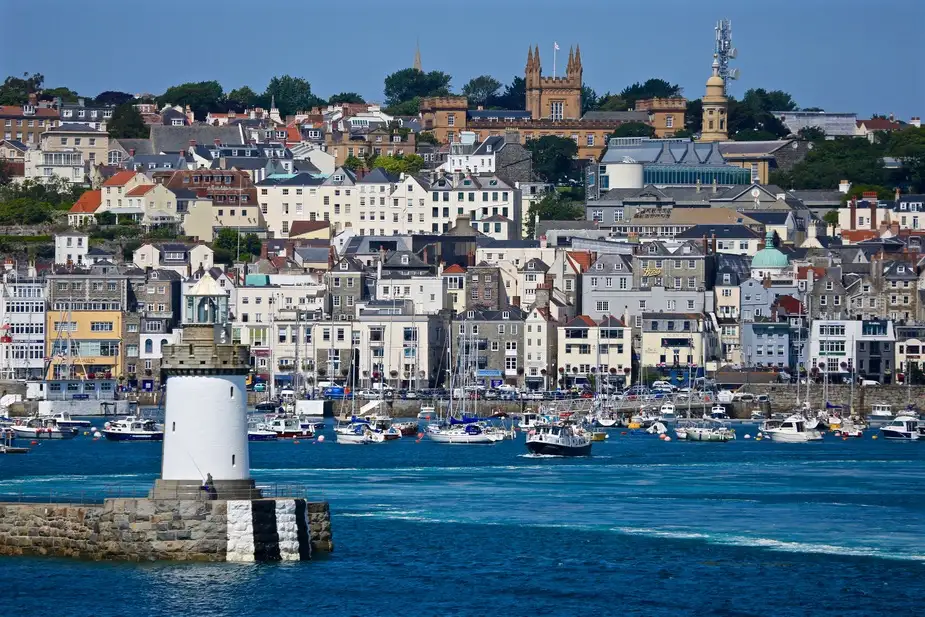
We arrive in St. Helier, Jersey's capital, its harbour wrapped around the bay where fishing boats and pleasure craft bob at anchor. Our local guide meets us for an orientation tour of the town, introducing us to St. Helier's blend of Victorian prosperity and Norman heritage. We walk the markets and lanes where Victorian architecture speaks to Jersey's 19th-century wealth, discover the medieval Royal Square where the island's parliament still meets, and learn the rhythms of island life that will shape our next three days.
Overnight in Jersey.
Included Meal(s): Breakfast and Dinner - Day 8:Jersey: Elizabeth Castle, War Tunnels & Atlantic WallThis morning our guide leads us on a maritime walk around the harbour to Elizabeth Castle, the fortress commanding St. Aubin's Bay. Built in the late 16th century on a rocky islet, the castle served as Jersey's primary defence for 350 years. At low tide we walk the causeway; at high tide we reach the fortress by amphibious "castle ferry"—either approach dramatic in its own way. Inside, Tudor ramparts blend with German bunkers and gun emplacements added during World War II, creating layers of military architecture spanning four centuries.
From the castle we continue to the Jersey War Tunnels, the massive underground complex German forces carved into the hillside between 1941-1945. Originally conceived as barracks and artillery workshops, the tunnels were converted to an emergency hospital as Allied invasion loomed. Slave labourers from across occupied Europe excavated over 1,000 metres of galleries, working in brutal conditions—many died and were buried in unmarked graves. Our guided tour reveals the story of Jersey's five-year occupation: rationing, resistance, collaboration, and the slow starvation of the final winter before liberation.
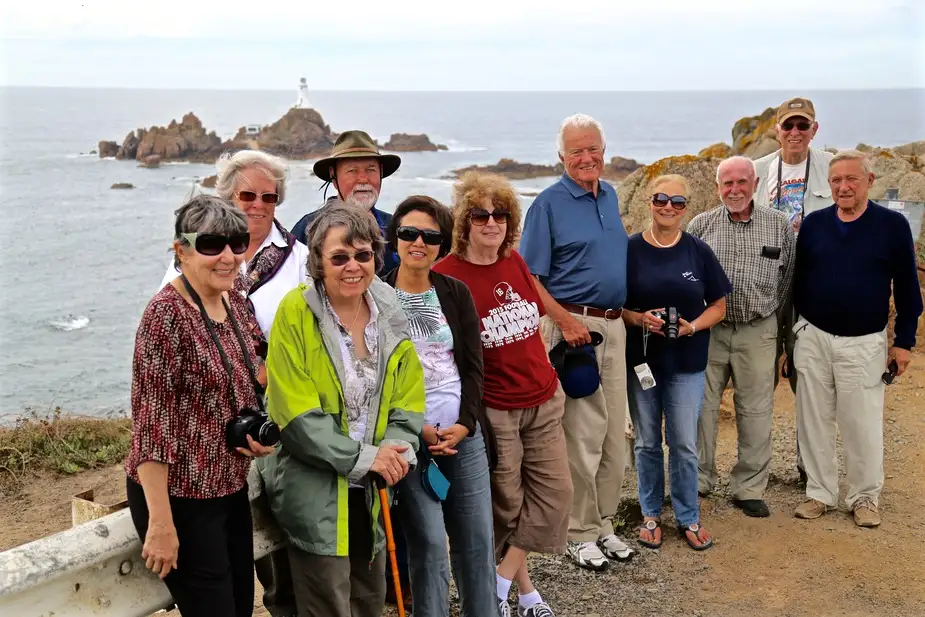
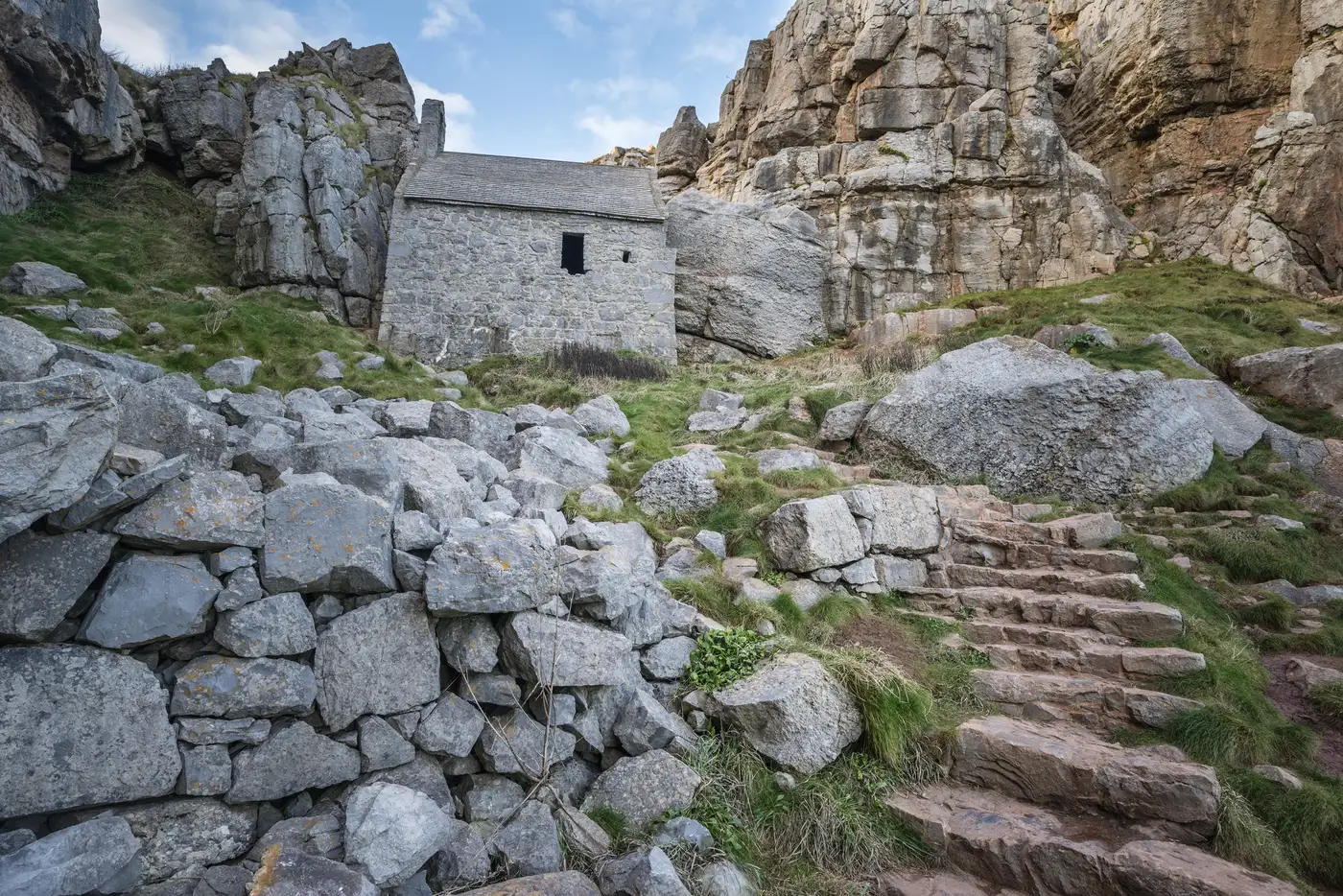
We then explore Jersey's southwestern defences. At Noirmont Point, Batterie Lothringen preserves German coastal artillery positions—massive gun emplacements built into the headland. We continue to Saint Brelade's Bay, where the 12th-century Fishermen's Chapel stands beside one of Jersey's most beautiful beaches. Our final stop is La Corbière Lighthouse, Jersey's most iconic landmark, perched on rocks at the island's southwestern tip. If tides and group size permit, we may access the interior.
Overnight in Jersey.
Included Meal(s): Breakfast and Dinner - Day 9:Jersey Heritage: Samares Manor, La Hougue Bie & Mont Orgueil CastleThis morning takes us to Samares Manor, a Norman manor house surrounded by 14 acres of botanical gardens. The estate dates to the 11th century, though the current house is largely 18th-century. We tour both manor and gardens, discovering a horticultural collection that draws on Jersey's mild maritime climate to cultivate plants from around the world. Formal herb gardens give way to Japanese maples, and tropical specimens thrive where frosts rarely reach. The Jersey Rural Life Museum preserves agricultural tools and domestic items from the island's farming past.
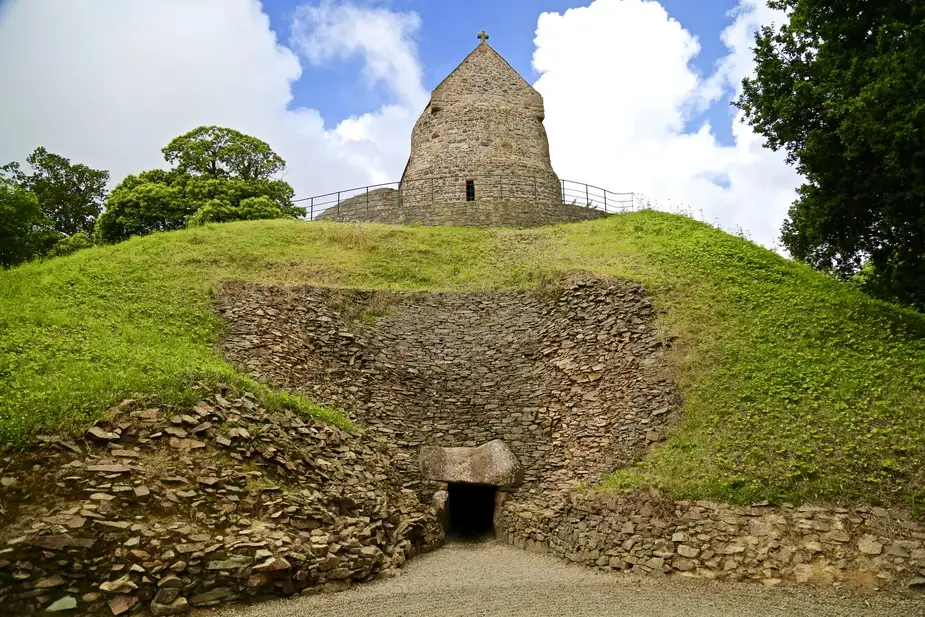
From Samares we continue to La Hougue Bie, one of the finest Neolithic passage graves in Western Europe. Built around 3800 BC—700 years before Stonehenge's stone circle—this burial chamber lies beneath an 18-metre-high earth mound. We descend into the 20-metre passage, its walls lined with massive granite slabs, emerging in the central chamber where Jersey's Neolithic inhabitants placed their dead. The tomb remained sealed for millennia until its rediscovery in 1925. Two medieval chapels perch atop the mound, built by pilgrims who recognized the site's sacred character without knowing its true age. The Neolithic thread that began at Carnac four days ago ends here, 1,700 years later in human chronology but connected by culture and belief across the English Channel. A simple lunch at the site café allows time to absorb what we've discovered.
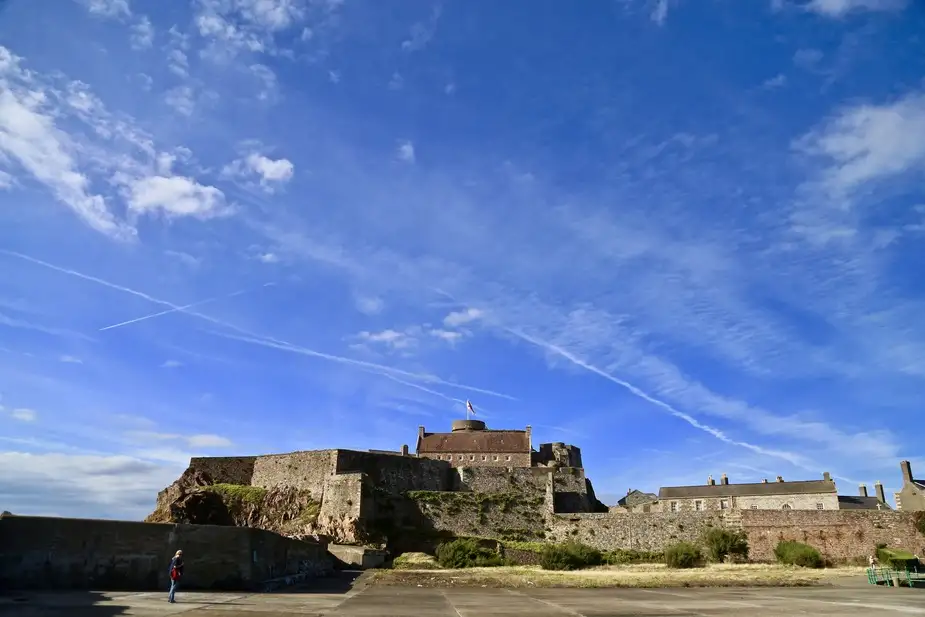
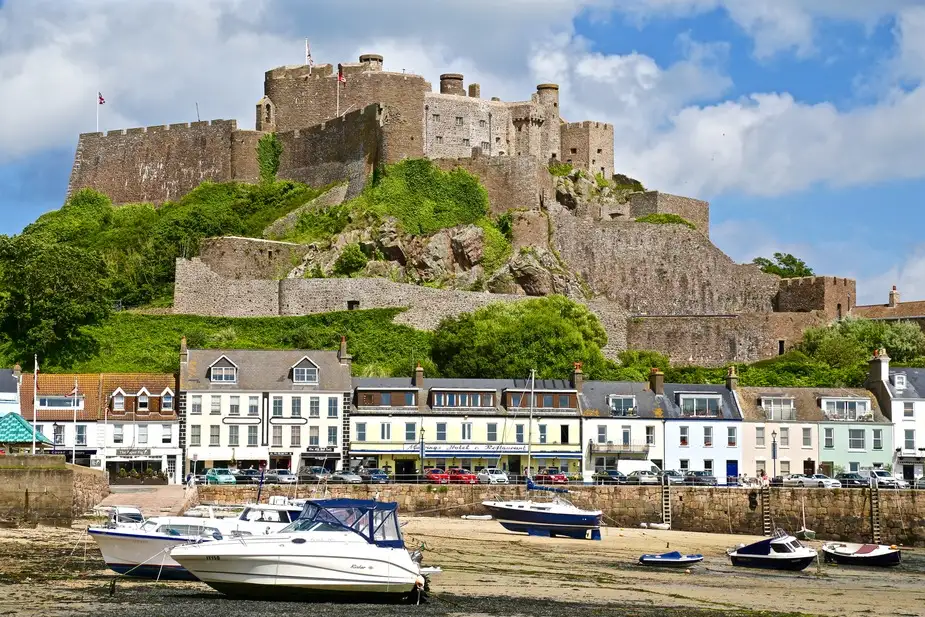
Our afternoon takes us to Mont Orgueil Castle, the medieval fortress commanding Gorey Harbour on Jersey's eastern coast. Our private guided tour leads us through chambers and passageways, emerging on battlements where English garrisons watched for French invasion fleets for 400 years. Time permits a gentle stroll down to Gorey's picturesque harbour, where tea and cake await those who wish to linger.
Overnight in Jersey.
Included Meal(s): Breakfast and Dinner - Day 10:Jersey - Ferry to Guernsey: Castle Cornet & Victor Hugo's Hauteville HouseThis morning's ferry crosses to Guernsey, second-largest of the Channel Islands and distinct from Jersey in character and history. The hour-long journey passes between islands that, despite their proximity, have maintained separate identities—different laws, different currencies (though both pegged to sterling), different dialects of Norman French, and a historic rivalry that occasionally surfaces in inter-island sporting contests.
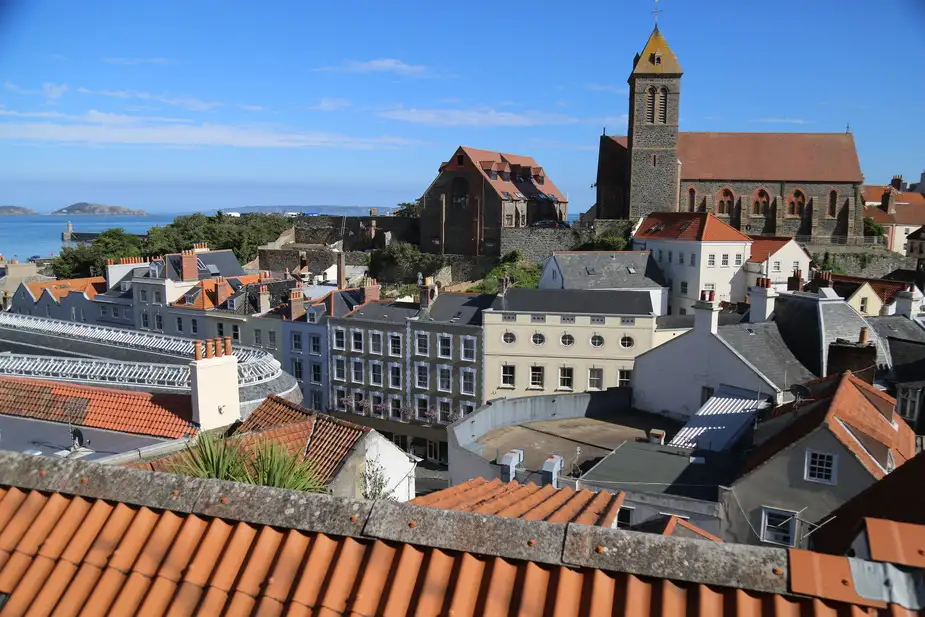
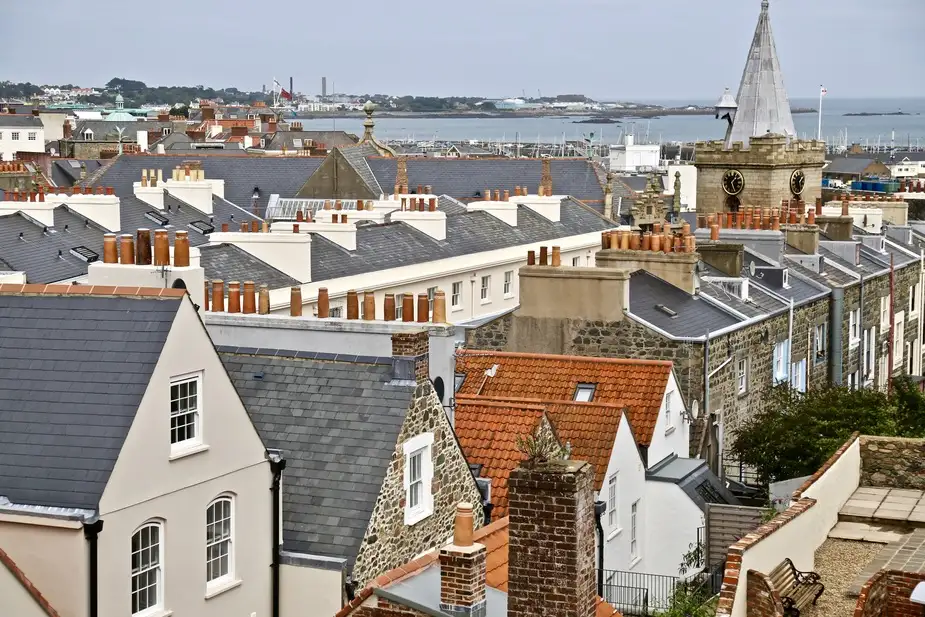
We arrive at St. Peter Port, Guernsey's capital, its Georgian and Regency terraces climbing steeply from the harbour. On arrival we tour Castle Cornet, originally built in the 13th century but rebuilt and expanded over 800 years of military use. The castle served as Guernsey's primary defence and at various times housed the island's governor, served as a prison, and (during the English Civil War) held out for Royalist forces long after the rest of the island submitted to Parliament. The Maritime Museum within the castle tells Guernsey's story as a seafaring society—fishing, trading, and occasionally privateering shaped island prosperity.
Late afternoon takes us to Hauteville House, where Victor Hugo lived in exile from 1856-1870. The French author fled Napoleon III's regime and found refuge on Guernsey, purchasing this townhouse overlooking the harbour and transforming it into a monument to his own creativity. Hugo designed every room, covering walls with the ornate decorations and symbolic arrangements that reflect his romantic genius. Here he wrote Les Misérables and finished Les Travailleurs de la Mer, working at a rooftop study with views across to France—the homeland he could see but not return to for 19 years.
Overnight in Guernsey.
Included Meal(s): Breakfast and Dinner - Day 11:Guernsey: Herm: Shell Beach & Island TranquilityOur first island day trip takes us to Herm, the smallest inhabited Channel Island open to visitors. The 20-minute ferry crossing from St. Peter Port delivers us to an island without cars, without permanent shops (beyond the seasonal café and hotel), and without the infrastructure that defines modern life elsewhere. Only 60 people live on Herm year-round—the Heyworth family who lease the island from the States of Guernsey, plus a handful of staff who maintain the hotel, café, and essential services.
Herm stretches just 2.4 kilometres long and less than 800 metres wide, small enough to walk its perimeter in a few hours. Shell Beach on the northeastern shore is perhaps the Channel Islands' finest—white sand composed of millions of shells ground smooth by Atlantic tides, the water impossibly clear over white seabed. Belvoir Bay curves along the southern coast, rockier but equally beautiful, while the northern cliffs offer views across to Guernsey and the smaller islands beyond. Neolithic dolmens dot the island—burial chambers from the same culture that built La Hougue Bie and the Carnac alignments, completing the circle of our Neolithic journey.
A simple lunch is included today, pre-booked at the island's café—fresh seafood, local produce, and the kind of unhurried meal that Herm's pace demands. The afternoon is yours to explore, swim, or simply sit on Shell Beach watching tides reveal and conceal the causeway to neighbouring Jethou. By late afternoon the ferry returns us to Guernsey.
Overnight in Guernsey.
Included Meal(s): Breakfast and Lunch - Day 12:Guernsey: Rocquaine Bay, Fort Grey & the Shipwreck CoastThis morning takes us along Guernsey's west coast to Rocquaine Bay, a sweeping curve of sand and shingle backed by the ancient fortifications of Fort Grey. The distinctive round tower, built in 1804 during Napoleonic war fears, now houses the Shipwreck Museum—appropriate for a coast where currents, rocks, and Channel storms have claimed hundreds of vessels over centuries. The museum's collection of salvaged cargo, ships' timbers, and navigational equipment tells stories of maritime disaster: the mail packet Stella, lost with 105 lives in 1899; the SS Elwood Mead, grounded in 1954; and countless smaller vessels claimed by Guernsey's treacherous waters.
From Fort Grey we continue along the coast road, where German occupation towers stand sentinel at regular intervals—concrete observation posts from World War II, when Guernsey endured five years of occupation. The fortifications are less dense than Jersey's but equally imposing: gun batteries, bunkers, and command posts built by forced labour from across occupied Europe. At L'Ancresse Common on the northern tip, the defensive works cluster thickly, guarding the wide bay where German commanders expected Allied landings that never came.
The afternoon is yours to explore Guernsey as you wish. The island's 27 miles of coastline offer dramatic cliff walks, hidden coves, and sandy beaches. St. Peter Port rewards wandering—narrow lanes climbing between Georgian townhouses, the covered market where locals shop for produce and flowers, the Victorian promenade along the harbour. Your Tour Leader can suggest coastal walks or arrange visits to sites of particular interest.
Overnight in Guernsey.
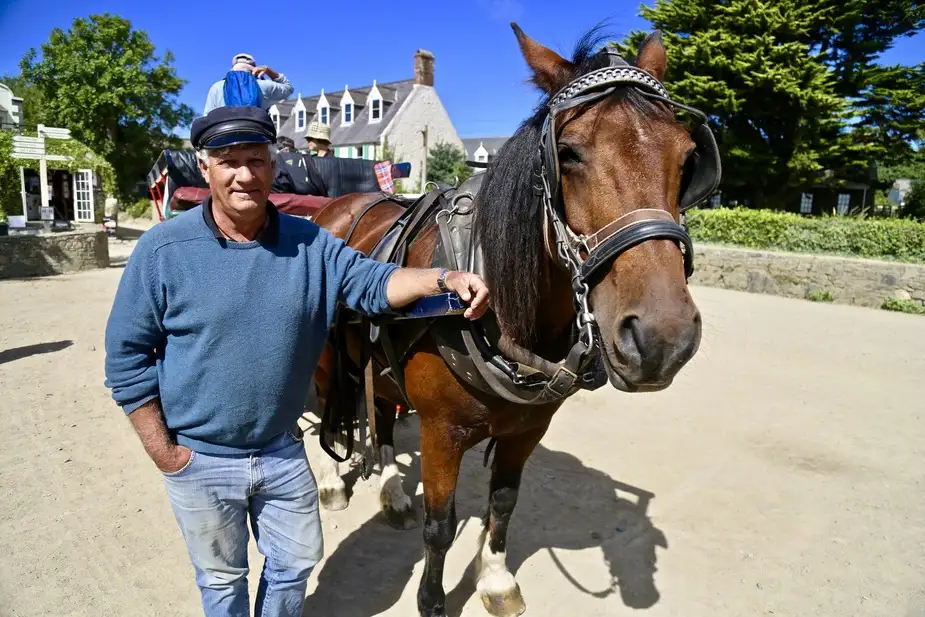
Included Meal(s): Breakfast and Dinner - Day 13:Guernsey - Sark Day TripThis morning's ferry takes us to Sark, smallest of the four main Channel Islands and perhaps the most distinctive. Sark has no paved roads, no cars, no public lighting—transport is by bicycle, horse-drawn carriage, or foot. The island retains a feudal system dating to 1565, governed by a Seigneur under laws that make Sark unlike anywhere else in the British Isles. Only 500 people live here year-round, and that population drops further in winter when some businesses close and families retreat to larger islands.
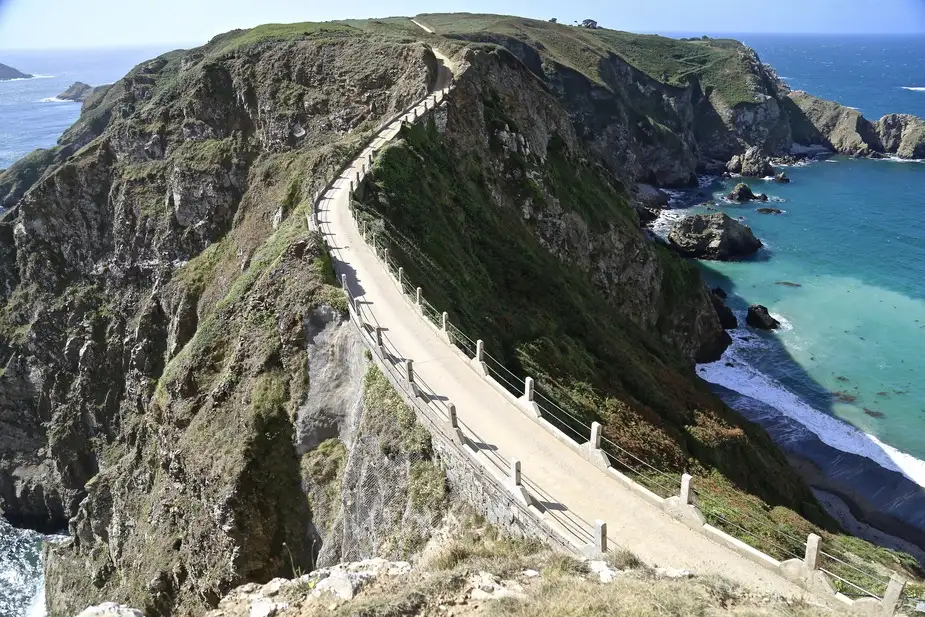
We explore Sark by horse-drawn carriage and on foot, the traditional methods of seeing the island's dramatic coastline and interior. A walk takes us to La Coupée, the knife-edge isthmus connecting Great Sark to Little Sark—a natural causeway barely 10 metres wide with 90-metre drops to the sea on either side. Before concrete railings were installed in 1945, schoolchildren crawled across La Coupée on hands and knees during storms. From the ridge, views extend across to the French coast and neighbouring islands, seabirds wheeling in the updrafts below.
Time permits exploring Sark's gardens and headlands before our return ferry to Guernsey. The island's lack of artificial light pollution makes it one of the world's few designated Dark Sky Islands—on clear nights, the Milky Way arcs overhead with a clarity lost to most of Europe. Even in daylight, Sark's profound quiet creates a space outside modern time, where the absence of engines and electricity reconnects visitors to a slower rhythm.
Overnight in Guernsey.
Included Meal(s): Breakfast and Dinner - Day 14:Departure from GuernseyThis morning we transfer to Guernsey Airport for departures throughout the day.
Au revoir, and as they say in the Channel Islands' Norman-French dialect: A betot--until soon.
Included Meal(s): Breakfast
Countries Visited: France and United Kingdom
*The red tour trail on the map does not represent the actual travel path.

Book This Tour
- Final payment: Due 90 days prior to departure.
- Deposit: A non-refundable $1500 USD Deposit is required at booking.
- Optional Single Supplement: $1550 USD (number of singles limited).
(View options forsingle travellers) - $1500 PER PERSON DEPOSIT REQUIRED. This deposit becomes non-refundable/non-transferable upon 'guarantee' of the tour.
Prices below are per person, twin-sharing costs in US Dollars (USD). Pricing does not include airfare to/from the tour and any applicable taxes.
Frequently Asked Questions
- What is the maximum number of participants on a trip?Most of our tours carry a maximum of 18 participants; some tours (ie hiking tours) top out at 16. In the event that we do not achieve our minimum complement by our 90-day deadline, we may offer group members the option of paying a "small-group surcharge" as an alternative to cancellation. If all group members agree, we will confirm the trip at existing numbers; this surcharge is refundable in the event that we ultimately achieve our regular minimum. If the small group surcharge is not accepted, we will offer a refund of your deposit or a different trip of your choice.
- Can I extend my tour either at the beginning or end? What about stopovers?Yes, you can extend your tour either at the beginning or the end and we can book accommodation in our tour hotel. Stopovers are often permitted, depending on air routing. Stopovers usually carry a "stopover" fee levied by the airline.
- How do I make a reservation? How and when do I pay?The easiest way to make a reservation is via our website; during office hours, you are also more than welcome to contact us by telephone.
A non-refundable deposit is payable at the time of booking; if a reservation is made within 90 days, full payment is required. Some trips require a larger deposit. If international airline bookings require a non-refundable payment in order to secure space or the lowest available fare, we will require an increase in deposit equal to the cost of the ticket(s).
Early enrolment is always encouraged as group size is limited and some trips require greater preparation time.
Once we have received your deposit, we will confirm your space and send you a confirmation package containing your trip itinerary, any visa/travel permit related documents, invoice, clothing and equipment recommendations, general information on your destination(s), and forms for you to complete, sign and return to us. Your air e-tickets (if applicable), final hotel list, final trip itinerary, and instructions on how to join your tour, will be sent approximately 2-3 weeks prior to departure. - What about cancellations, refunds, and transfers?Please review our cancellation policy page for details.
- I am a single who prefers my own room. What is a single supplement?All of our tours have a single supplement for those who want to be guaranteed their own room at each location.
This supplement is a reflection of the fact that most hotels around the world do not discount the regular twin-share rate for a room by 50% for only one person occupying a room. Most hotels will give a break on the price, but usually in the range of 25-30% of the twin-share rate. This difference, multiplied by each night, amounts to the single supplement.
The conventional amount can also vary from country to country and some destinations are more expensive than others for single occupancy. In order to be "single friendly," the supplements we apply are not a profit centre for us and we do our best to keep them as reasonable as possible.
On most tours we limit the number of singles available, not to be punitive, but rather because many hotels allow for only a limited number of singles; some smaller hotels at remote locations also have a limited number of single rooms available.
Please note that most single rooms around the world are smaller than twin-share rooms and will likely have only one bed. - Do you have a shared accommodation program?Yes! If you are single traveller and are willing to share, we will do our best to pair you with a same-gender roommate. Please note that should we fail to pair you, we will absorb the single supplement fee and you will default to a single room at no extra charge.