Tourcode: NC1
- Overview
- Info & Inclusions
- Itinerary
- Map & Hotels
- Photos
- Dates & Prices
- Max Group Size 18
- The Great Pyramids and Sphinx at Giza
- The spectacular Grand Egyptian Museum with Tutankhamun's treasures
- Pre-dawn excursion to Abu Simbel's colossal rock-cut temples
- Three-night Nile cruise from Aswan to Luxor sailing past Kom Ombo and Edfu
- Luxor's magnificent Karnak Temple and the Valley of the Kings explored with private guides
- Camel trek to St. Simeon Monastery and felucca sail on the Nile
- Singles friendly (view options for single travellers)
A major highlight is our three-night Nile cruise from Aswan to Luxor, where we sail past timeless riverside villages and palm groves while exploring temples dedicated to falcon-headed Horus and crocodile god Sobek. We venture to Abu Simbel before dawn—when optimal lighting illuminates Ramesses II's colossal rock-cut temples—then explore Luxor's archaeological wealth with our own expert guides, avoiding the rushed schedules of large cruise groups at Karnak and the Valley of the Kings.
We journey to Philae Temple on its island sanctuary, trek by camel across desert sands to the Christian Monastery of St. Simeon, and glide silently across the Nile in traditional felucca boats. From the stepped pyramid at Saqqara—Egypt's oldest major stone building—to Dendera's vibrant astronomical ceiling paintings, we discover sites spanning 5,000 years of continuous civilization.
The tour concludes back in Cairo, where Islamic citadels and Coptic churches reveal Egypt's layered religious heritage, offering a richly rewarding and deeply satisfying Egyptian experience.
- MealsSavour authentic flavours with most meals included (see itinerary) at hotels or handpicked local restaurants—immersing you in local cuisine without worrying about reservations or budgets.
- Transport & Logistics
Private air-conditioned coaches and included internal ferries and flights—ensuring hassle-free travel so you can focus entirely on the discoveries ahead.
"Adventures Abroad tour leader's management and guest services managed the tour with great skill and dedication. The tour leader was on top of every move and transfer. We have not experienced any issues with logistics and had a great time."
~ JULIA O"The tour leader did an excellent job coordinating some difficult travel logistics, power outage issues and resolving problems and dealing with guests who had unrealistic expectations."
~ CYNTHIA COLLINS - Expert Guidance
Unlock insider secrets at every landmark with your full-time Tour Leader and expert local guides , all gratuities covered—no hidden tipping surprises—so you immerse fully in your destination's stories, worry-free. (Except for the tips to your tour leader at the end of your tour.)
"Amazing tour guide. Our tour guide was very well organized, Her passion, knowledge, and enthusiasm completely transformed the travel experience into something truly unforgettable..."
~ MELANIE LEMAIRE"Highly recommend every trip with Adventures Abroad. It's a well organized and well thought out adventure. The tour leaders are friendly, knowledgeable and experienced professionals. Highly recommend this company."
~ SUSAN WALL - Sightseeing & EntrancesAll entrance fees for sites visited as per the itinerary—no hidden costs—so you can explore ancient ruins and excursions with complete peace of mind.
- AccommodationsUnwind in clean, well-located 3 to 4-star hotels with private en suite facilities—handpicked for comfort and convenience after each day's discoveries—so you can rest easy knowing your stay supports the real adventure, not steals the spotlight.
- Small Group
Discover the world in small groups of up to 18 travellers plus your expert Tour Leader—unlocking spontaneity, off-the-beaten-path adventures, and genuine connections at a relaxed pace, free from crowds.
"Looking Forward to My Next Adventure The best feature of the Adventures tour was the small size that allowed the group to quickly load up, let everyone get acquainted within the first 24 hours, capitalize on unplanned surprises along..."
~ PHILIP BLENSKI"Good value for a great time I have traveled with Adventures Abroad for over 20 years now. Well thought out, interesting itineraries and the other travelers congenial and friendly. The price always seems fair and overall a..."
~ Trusted Customer - Airport Transfers For Land & Air CustomersWe handle hassle-free airport transfers for all our land and air tour customers—plus early arrivals or late departures when you book extra hotel nights directly with us for added peace of mind.
- International flights
- Meals not mentioned
- Arrival and departure transfers (included with air if booking international flights with us, or available for purchase)
- Drinks and beverages
- Optional activities not mentioned in itinerary
- Gratuity to Adventures Abroad Tour Leader
- Items of a personal nature
- Travel insurance
- Seasonality and Weather:
Late October/Early November departures offer ideal conditions across Egypt with pleasant weather in Cairo and comfortably warm days in Upper Egypt—far more agreeable than summer's intense heat. The Nile cruise proves particularly enjoyable as desert temperatures moderate and skies remain reliably clear for photography. October-November represents peak tourist season due to favourable weather, meaning popular sites see more visitors, though our early morning visits and private guides help avoid the largest crowds. Rainfall remains virtually non-existent during this period.
Early February departures provide Egypt's coolest, most comfortable touring conditions. Cairo offers mild weather ideal for walking through Islamic and Coptic neighbourhoods, while Upper Egypt remains pleasantly warm—perfect for sun deck relaxation yet comfortable for temple exploration. February brings Egypt's highest chance of brief rain showers (though still rare), particularly in Cairo, but these seldom disrupt touring. Nile water levels reach their annual peak following controlled High Dam releases, making river cruising particularly scenic. This shoulder season sees fewer tourists than autumn, offering a more intimate experience at major sites while maintaining excellent weather throughout. - Transport and Travel Conditions:
This tour involves a blend of domestic flights, comfortable road transport, and a three-night Nile cruise. Daily touring requires moderate walking on uneven surfaces including ancient temple pavements, stone stairs, and sandy or rocky terrain. The camel trek to St. Simeon Monastery is gentle and suitable for most fitness levels, with truck transport available as an alternative. Several tomb visits in the Valley of the Kings involve descending steep, narrow stairways into dimly lit chambers—those with mobility concerns should discuss access with the Tour Leader.
The Abu Simbel excursion departs pre-dawn for the six-hour round-trip journey by road, arriving at optimal time before heat and crowds intensify. Egypt's archaeological sites lack modern accessibility features; steps are often uneven, paths unpaved, and distances between monuments considerable.
Our itinerary balances intensive archaeological exploration with relaxation time—the rewards of standing before monuments that have endured four millennia far outweigh the moderate physical demands.
Am I suitable for this tour? Please refer to our self-assessment form - Activity Level: 2
These are particularly busy tours that feature a lot of moving around, sometimes by train and short journeys on local transport. Walking tours of towns and cities are leisurely but you should be prepared to be on your feet for several hours. Some of our cultural trips that occur at high altitude and/or require greater independence with baggage handling (at hotels, airports, train stations) also fall into this category.
To learn more about the Activity levels, please visit our tour styles page. - Accommodation:
Accommodation throughout maintains 4-5 star standards with centrally located hotels in Cairo, Aswan, and Luxor offering air-conditioned rooms with modern amenities.
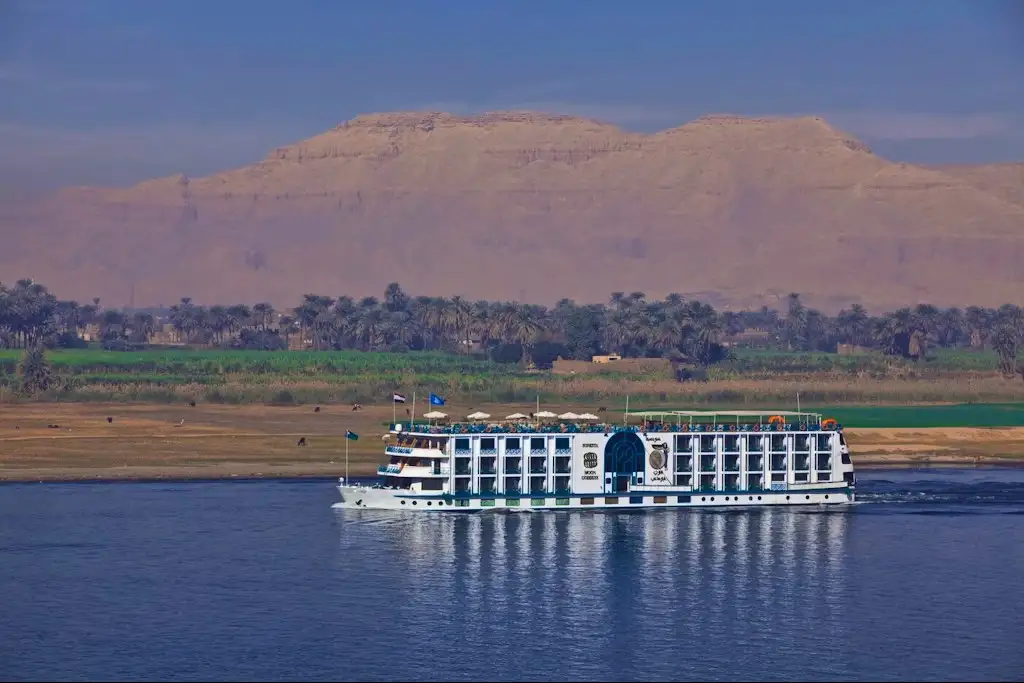
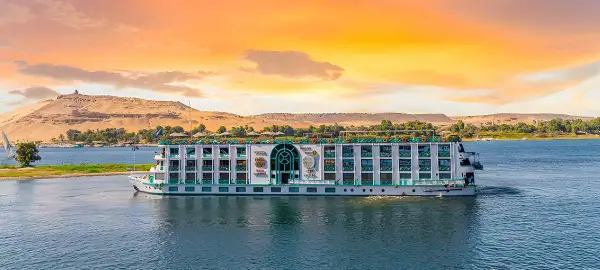
The three-night Nile cruise aboard the Sonesta Nile Goddess or Moon Goddess (sister vessels with identical itineraries) represents a tour highlight. These well-maintained 5-star vessels feature a distinctive amenity rare on Nile cruises—every cabin includes a private balcony. Standard cabins include en-suite bathrooms with full bathtubs, individual climate control, mini-bars, and satellite television. The ships offer sun decks with swimming pools, spa facilities, fitness rooms, and onboard entertainment. While rated 5-star by Egyptian standards, these cruises reflect approximately 3.5-4 star quality compared to Western expectations—comfortable and well-appointed. - Staff and Support:
Full-time Tour Leader, local guides, cruise ship staff. - Group Size:
Maximum 18 plus Tour Leader/guides
- Day 1:Arrive in CairoWelcome to Cairo, where the Nile's life-giving waters have sustained one of history's greatest civilisations for over five millennia. The city's Arabic name, Al-Qahira, means "The Vanquisher" - a fitting title for this sprawling metropolis of over 21 million souls.
As you transfer to the hotel, you enter a city nicknamed "The City of a Thousand Minarets" for its Islamic architectural splendour. Cairo has long served as the political and cultural heartbeat of the Arab world, where ancient stones stand alongside modern towers and where the calls to prayer echo across neighborhoods both wealthy and humble. Tonight we gather with fellow travellers for our first evening meal, beginning an extraordinary journey through lands where humanity first learned to build monuments for eternity.
Overnight in Cairo (Giza) 
Included Meal(s): Dinner, if required - Day 2:Cairo: Great Pyramids & the Sphinx - Grand Egyptian MuseumThis morning we stand before the Great Pyramids of Giza, one of humanity's most audacious architectural achievements. Over 100,000 labourers toiled for two decades to raise Cheops' eternal tomb 135 metres (443 feet) skyward using more than two million stone blocks, each weighing an average of 2.5 tonnes. The precision astounds - the base covers 5.3 hectares yet the sides vary by only 4 centimetres. You may venture inside through narrow passages to explore the inner chambers where pharaohs dreamed of immortality (optional, extra fee).
The enigmatic Sphinx crouches nearby, carved from a single limestone outcrop. For 4,500 years this lion-bodied, human-headed guardian has gazed across the desert toward the rising sun. Ancient Greeks named it after their mythical riddling monster - a fitting metaphor for a monument that still poses unanswered questions to archaeologists and visitors alike.
We then journey to the spectacular Grand Egyptian Museum, one of the world's largest archaeological museums. This architectural marvel houses over 100,000 artefacts spanning 7,000 years of civilization. We break for lunch at onsite restaurants before our guided exploration of the "Kingship and Eternity" galleries. The Hanging Obelisk soars overhead in the dramatic atrium, while the Colossal Statue of Ramesses II - weighing 83 tonnes - commands the grand staircase. Victory columns, sarcophagi, and treasures reveal the extraordinary sophistication of ancient Egyptian culture.
Our visit culminates with "Tutankhamun - The Immersive Exhibition," where state-of-the-art digital projections transport us through 3,400 years into the mesmerizing world of the boy king who died at just nineteen yet achieved immortality through his undisturbed tomb.
Overnight in Cairo (Giza). 
Included Meal(s): Breakfast and Dinner - Day 3:Cairo: Dahshur, Memphis & SaqqaraWe journey south through fertile Nile Valley villages to Dahshur, where Pharaoh Senefru's experimental pyramids tell the story of architectural evolution. Built between 2613-2589 BCE, the Bent Pyramid and Red Pyramid represent crucial learning that made the Great Pyramid possible—the transition from stepped to smooth-sided design that would define Egypt's architectural legacy. The Bent Pyramid earned its name from the abrupt angle change partway up, likely due to structural concerns during construction. The Red Pyramid, named for the russet hue of its weathered limestone, was the first true smooth-sided pyramid successfully completed.
From Dahshur we continue to Memphis, capital during the Old Kingdom (2700-2180 BCE), where colossal statues reveal the grandeur of this ancient administrative centre. The fallen colossus of Ramesses II, carved from a single piece of limestone, once stood 13 metres tall guarding the temple entrance. Though horizontal now, the statue's intricate detail—from the delicate pleating of the royal nemes headdress to the serene expression on the pharaoh's face—demonstrates the extraordinary skill of ancient sculptors.
Our final stop brings us to Saqqara's necropolis, dominated by the Step Pyramid—Egypt's oldest major stone building. Master architect Imhotep revolutionised tomb design in the 27th century BCE, stacking six levels until his creation soared 62 metres high. This represents the critical moment when Egyptian funerary architecture evolved from simple mud-brick mastabas to the monumental stone pyramids that followed.
We also explore the mysterious Serapeum, where sacred Apis bulls associated with god Ptah were entombed. An avenue of sphinxes leads to underground corridors housing massive stone sarcophagi—testament to the extraordinary role animals played in Egyptian religious life.
Overnight in Cairo (Giza) 
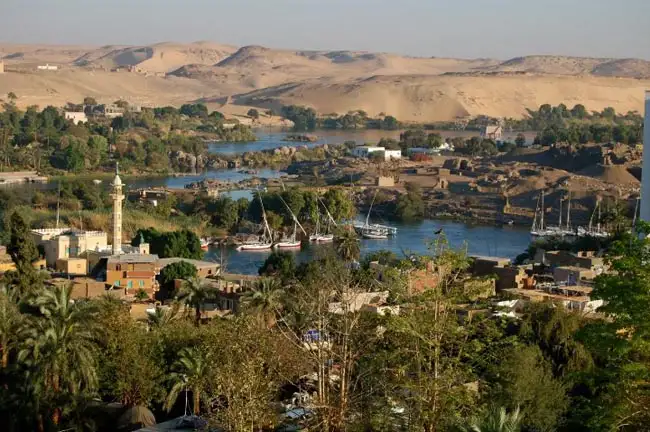
Included Meal(s): Breakfast and Dinner - Day 4:Cairo - Fly to Aswan - St. Simeon Monastery & Felucca SailToday we fly south to Aswan in Upper Egypt, Egypt's sunniest frontier town blessed with the Nile's most beautiful setting. Small enough to walk around yet steeped in ancient importance, Aswan's relaxed pace offers welcome respite after Cairo's intensity. The city sits at Egypt's southern threshold, where the desert cliffs press close to the Nile and Nubian culture infuses daily life with distinctive music, cuisine, and traditions.
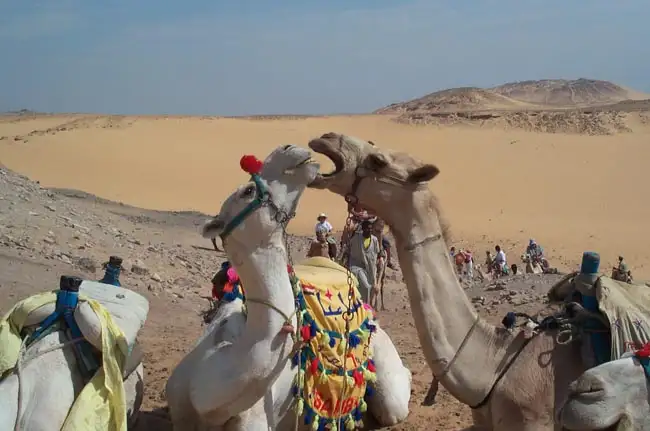
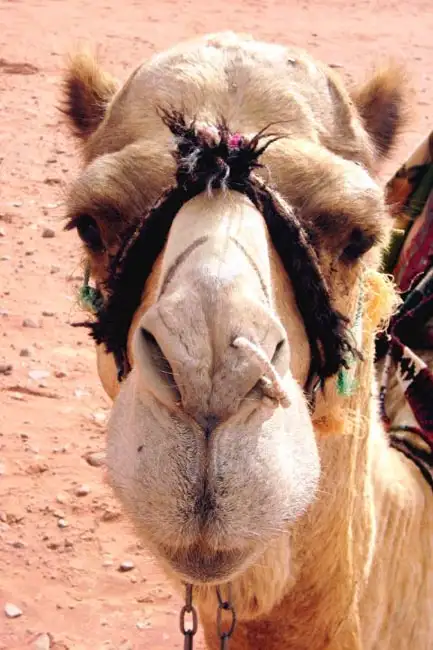
This afternoon we cross the Nile by private boat to the west bank, where our unique adventure begins—a camel trek across sandy desert to the Christian Monastery of St. Simeon. Before mounting up, our Tour Leader and experienced camel handler teach proper riding techniques. This gentle 45-minute journey to the monastery suits travellers of any age, with one rider per camel creating an authentic desert experience. Those preferring not to ride can travel comfortably by truck.
Dating from the 6th century and actively used until the 13th century, St. Simeon's Monastery ranks among Egypt's best-preserved Christian sites. The massive mud-brick and stone structure rises dramatically against the desert landscape. We explore the atmospheric chapel where Coptic Christians once worshipped, wander through monks' living quarters imagining their austere daily life, and discover the kitchen, wine press, and storage rooms. Faint traces of Coptic frescoes still adorn some walls—ghostly images of Christ, saints, and geometric patterns that have survived centuries of desert winds.
Returning to the Nile, we cruise to enchanting Kitchener's Island where we stroll through lush botanical gardens bursting with exotic species collected from across the British Empire. Our afternoon concludes with a leisurely felucca sail on one of these graceful traditional vessels, their white lateen sails catching the breeze as they've done for millennia. The silent glide across calm waters, palms reflected in the current, offers timeless Nile moments.
Overnight in Aswan. 
Included Meal(s): Breakfast and Dinner - Day 5:Aswan: Abu Simbel Excursion - Nile Cruise EmbarkationA pre-dawn departure by road (approximately 3 hours each way) takes us south from Aswan across the Western Desert to Nubia, the "Land of Gold." Our destination this morning is the awe-inspiring Abu Simbel—the imposing rock temples of Ramesses II and his queen, Nefertari. Departing in darkness ensures we arrive at optimal time for photography, before heat and crowds intensify.*
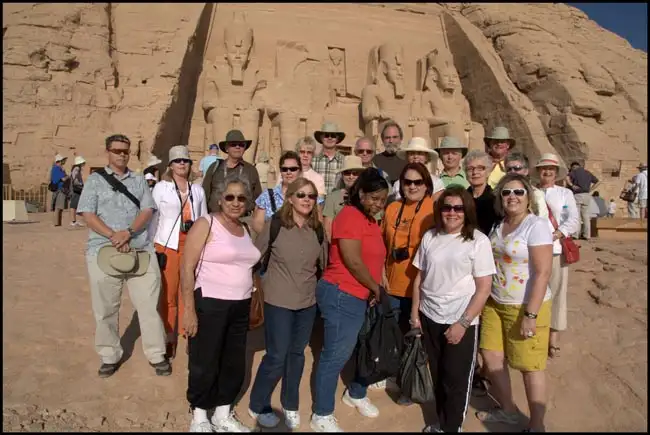
We tour both colossal temples cut directly into the mountainside. Four 20-metre statues of Ramesses flank the Great Temple entrance, their weathered faces gazing across the desert with timeless authority. Inside, well-preserved wall decorations depict the pharaoh's military victories—including a wonderful relief of Ramesses presenting captives to various gods, including himself, demonstrating his divine status. The smaller temple honours Queen Nefertari, its facade unusually showing her at equal scale to the king—rare acknowledgment of a queen's importance. We also examine the interior of the artificial mountain, where UNESCO's monumental 1960s relocation effort saved these temples from Lake Nasser's rising waters.
Returning to Aswan by late morning, we embark our Nile cruise vessel around midday. After settling into cabins and lunch on board, the afternoon unfolds leisurely—time to relax on the sun deck, enjoy the ship's facilities, or simply watch river life from your private balcony. This evening brings the Captain's Welcome Cocktail followed by dinner and a Nubian folkloric show, our introduction to three days of Nile sailing.
NOTE: We travel to Abu Simbel by road rather than flying as air schedules prove restrictive and consume time with check-in and transfers. Driving provides flexibility and ensures optimal site timing—later in the morning, shadows fall across the temple making photography less ideal.Please note that we control every aspect of this excursion—road transport allowing flexible stops, and our own expert guide providing context without the constraints of large group schedules. The cruise offers Abu Simbel as an optional add-on, but we've found our independent approach delivers a far superior experience.
Overnight aboard cruise. 
Included Meal(s): Breakfast, Lunch and Dinner - Day 6:Nile Cruise - Aswan Sightseeing - Kom OmboThis morning's cruise excursion explores Aswan's modern and ancient engineering marvels. We begin at the High Dam, constructed between 1960 and 1971 to finally tame the Nile's annual flood. This massive project created Lake Nasser, one of the world's largest artificial lakes. From this vantage point, panoramic views stretch north across Aswan's islands and palm groves, while southward the lake extends toward Africa's heart like a shimmering blue ribbon.
We continue to the Unfinished Obelisk, where ancient stonemasons abandoned their work when cracks appeared during carving directly from bedrock. Had it been completed, this single piece of granite would have stood 42 metres tall and weighed nearly 1,200 tonnes. The quarry reveals ancient stone-working secrets—chisel marks and ochre-coloured guide lines remain clearly visible after millennia.
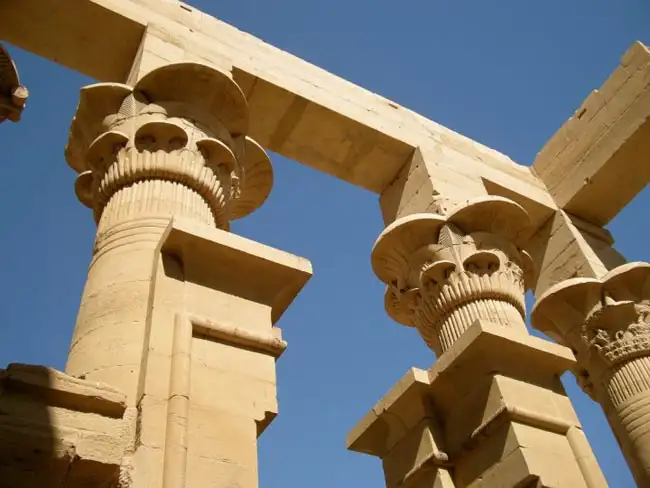
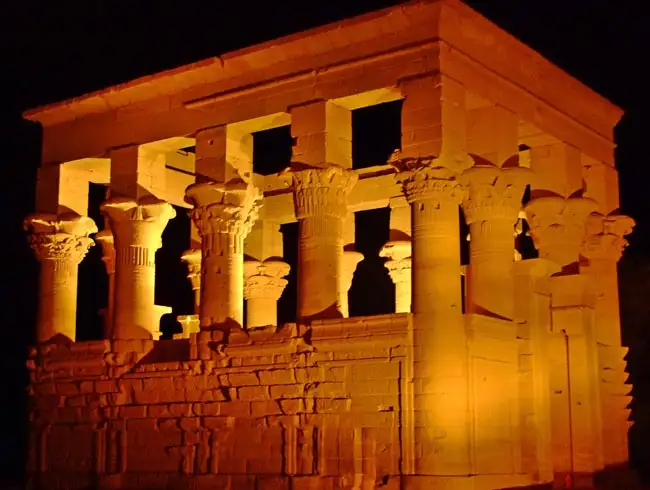
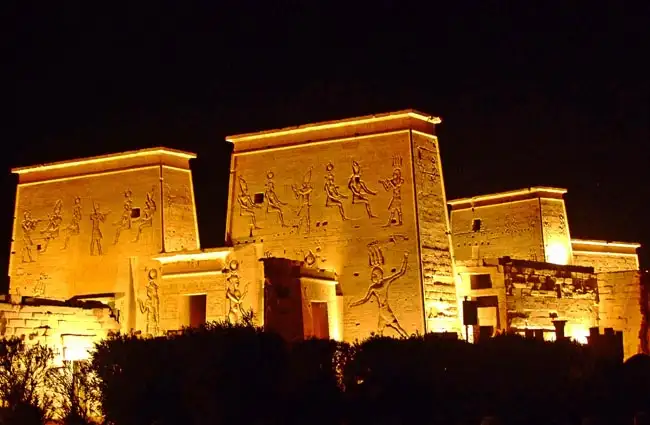
Our final morning stop brings us by boat to dramatically situated Philae Temple on its island sanctuary. Dedicated to the goddess Isis, this relatively modest complex captivates through stunning island setting and excellent preservation. The elegant colonnades and intricate hieroglyphic carvings tell stories of gods and pharaohs against the backdrop of Nile waters—creating one of Egypt's most romantic archaeological sites.
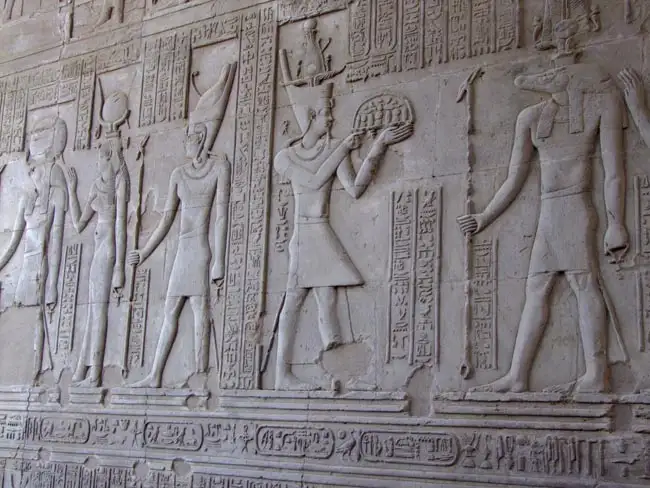
After lunch on board, we sail north toward Kom Ombo, the ship gliding past riverside villages and palm groves. Late afternoon brings us to Kom Ombo Temple, dramatically positioned on a promontory overlooking the Nile. This unique temple is actually two sanctuaries in one, dedicated to both Horus the falcon-headed sky god and Sobek the crocodile deity. The dual design creates perfect symmetry—everything is doubled, from entrances to sanctuaries. We see remains of mummified crocodiles, testament to when these fearsome creatures thrived in the Nile and received worship as living gods.
This evening we sail onward to Edfu, enjoying dinner and the Galabeya Party on board.
Overnight aboard cruise. 
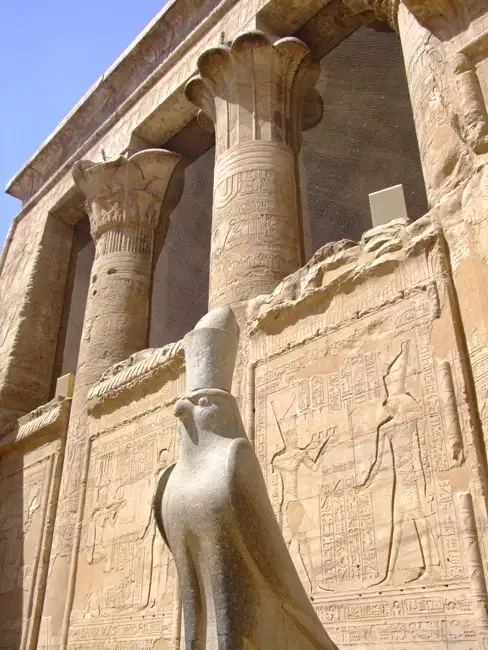
Included Meal(s): Breakfast, Lunch and Dinner - Day 7:Nile Cruise - Edfu Temple - Sail to LuxorEarly morning brings us to Edfu, home to the largest and most completely preserved Pharaonic temple in Egypt, though ironically built by Greek rulers. Dedicated to Horus, construction began under Ptolemy III in 237 BCE and continued for nearly two centuries. We explore this massive complex enclosed by towering walls and flanked by enormous pylon gateways. Inside, the vast hypostyle hall leads through increasingly intimate chambers toward the sanctuary where the god's statue once resided. We also examine the fascinating Nilometer—an ingenious ancient device for measuring the river's water fluctuations. These measurements weren't merely academic; they determined tax levels, as higher floods meant better harvests and greater revenue for the state.
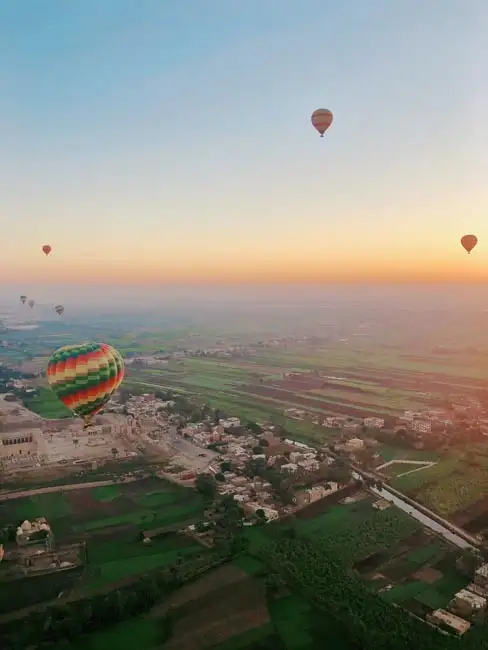
Returning to the ship, we sail northward through the Nile Valley's lush agricultural belt—farmers tending fields much as their ancestors did millennia ago, water buffalo pulling ploughs, feluccas drifting past palm-shaded villages. The slow glide allows appreciation of the timeless rhythms that govern life along this great river. We pass through the Esna Lock, a modern engineering feat controlling water levels, the ship rising or falling in the massive chamber as gates open and close.
By late afternoon we arrive in Luxor, ancient Thebes—capital of Egypt during the New Kingdom when pharaohs built the temples and tombs that make this the world's greatest open-air museum. The ship docks along the Corniche, Luxor Temple's illuminated pylons visible across the river. This evening features a Whirling Dervish performance on board, the hypnotic spinning meditation that Sufi mystics have practiced for centuries.
Overnight aboard cruise. 
Included Meal(s): Breakfast, Lunch and Dinner - Day 8:uxor - Nile Cruise Disembarkation - Karnak Temple - Luxor TempleWe disembark this morning, bidding farewell to our cruise and crew. Our focus now shifts to Luxor's extraordinary archaeological wealth, explored with our own experienced Egyptologists at proper pace—avoiding the rushed schedules and large groups typical of cruise excursions.
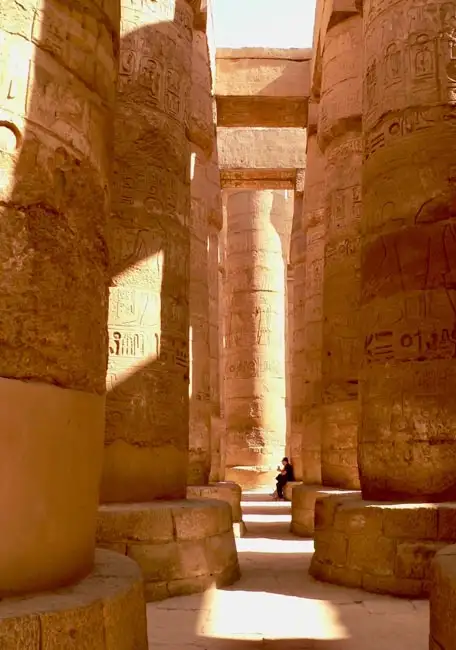
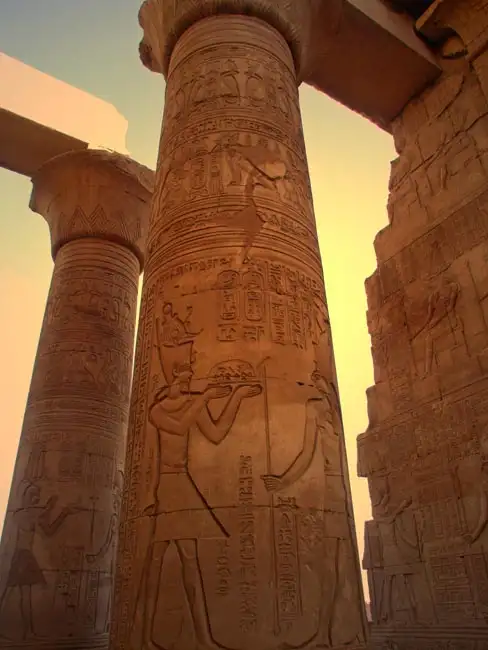
We begin with magnificent Karnak Temple, built, enlarged, and decorated over 1,500 extraordinary years. At certain points in ancient history, this served as Egypt's most important religious complex, the beating heart of the kingdom's spiritual life. The tremendous pylon gateway looms before us, while the legendary Avenue of Sphinxes once stretched all the way to the Nile's edge. Inside, we tour the vast hypostyle hall where 134 massive columns soar skyward, their capitals supporting stone roofs that have endured three millennia. Hieroglyphs and carved reliefs cover every surface—pharaohs making offerings to gods, military victories commemorated in stone, sacred barques carried in eternal procession.
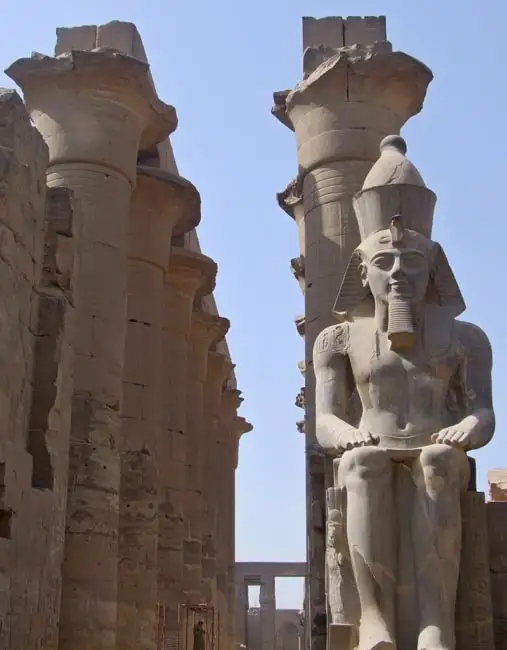
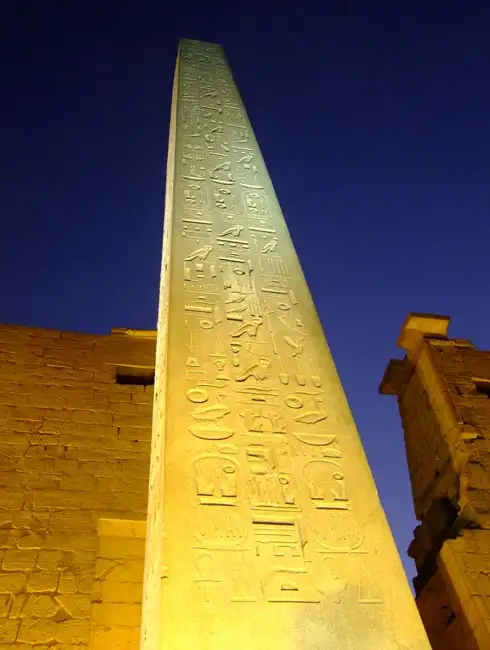
After checking into our hotel and taking a break, evening brings us to Luxor Temple. Built during the New Kingdom, this complex served as focal point for the annual Opet Festival, one of ancient Egypt's most important celebrations. During this festival, priests paraded Amun's golden cult statue down the Nile from nearby Karnak in elaborate boats, accompanied by music, dancing, and offerings. This fertility celebration reinforced the pharaoh's divine connection to the gods. Dedicated to the Theban Triad—Amun, his consort Mut, and their son Khons—the temple's massive entrance tower built by Ramesses II still dominates the approach, flanked by colossal seated statues.
Overnight in Luxor. 
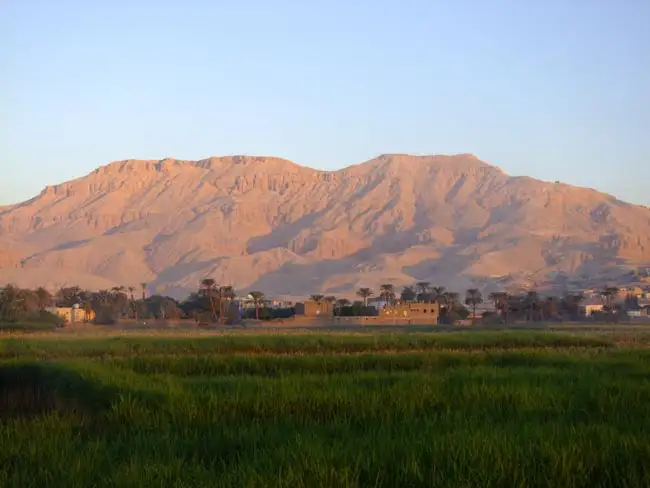
Included Meal(s): Breakfast and Dinner - Day 9:Luxor & Valley of the KingsMorning mist rises from the Nile as we cross by boat to the West Bank, where limestone cliffs conceal the most spectacular royal cemetery ever created. The early morning air carries whispers of ancient secrets as we meet our donkey-cart transport for a journey into the Valley of the Kings through New Gourna Village.
Our charming donkey-cart ride takes us through countryside where modern fellahin farmers tend fields much as their ancestors did millennia ago. Children wave from mud-brick houses, women carry water jars on their heads, and farmers guide oxen through irrigation channels. This 40-45 minute journey through timeless rural scenes connects us to the eternal rhythms of Nile life before we reunite with road transport for the final approach.
In this isolated valley dominated by pyramid-shaped mountains, we enter the sacred necropolis where New Kingdom pharaohs chose to hide their tombs from grave robbers. For over 500 years, from Tuthmosis I to Ramesses XI, Egypt's god-kings carved elaborate underground palaces into the limestone cliffs. We tour three carefully selected tombs, each revealing different aspects of ancient Egyptian funerary art and beliefs. The vivid colours remain astonishing—ochre, lapis, and gold painted 3,000 years ago yet appearing fresh in the dry desert air. Note that some tombs have steep stairways and all are quite dark inside; a pocket flashlight proves useful.
We proceed to Queen Hatshepsut's funerary temple—built for Egypt's first woman to rule as pharaoh. Rising in terraced splendour against towering cliffs, this architectural marvel was discovered in the mid-19th century and remains under restoration. As afternoon shadows lengthen across ancient stones, we return through countryside to the East Bank, where we suggest visiting the excellent Luxor Museum during free time.
Optional: Sound and Light show at Karnak Temple, where ancient stories unfold against illuminated columns.
NOTE: We do not include King Tut's tomb, as it's very small and relatively uninteresting, but we allow time if you wish to see it (separate ticket).
Overnight in Luxor. 
Included Meal(s): Breakfast and Dinner - Day 10:Luxor & Valley of the QueensThis morning we cross the Nile once more to explore the Valley of the Queens, known to ancient Egyptians as "Set Neferu"—the "Seat of Beauty." This evocative necropolis served as the eternal resting place for royal women of the 18th, 19th and 20th Dynasties, though despite its name, the valley holds far more than queens' tombs. Princes, princesses, and high-ranking nobles also found their final rest in these painted chambers carved into the western cliffs.
Of approximately eighty tombs, only a handful open to visitors; we tour three carefully selected examples. The artwork here differs from the kings' tombs—more intimate, often featuring family scenes and goddesses protecting the deceased. Vibrant colours remain remarkably preserved in the dry desert air.
We also explore Deir el-Medina, the fascinating workers' village where artisans and craftsmen who created the royal tombs lived with their families. These weren't slaves but skilled, well-paid professionals who left behind a treasure trove of everyday artefacts revealing intimate details of ordinary ancient Egyptian life—personal letters, shopping lists, legal disputes, love poems. The village's isolation and dry climate preserved these records for posterity.
Finally, we tour the massive mortuary temple of Ramesses III at Medinet Habu. Ancient belief held this site sacred as the place where the god Amun first manifested on earth. Both Hatshepsut and Tuthmosis III built temples here before Ramesses III constructed his even grander complex, its walls covered with detailed reliefs of military campaigns against the Sea Peoples and religious rituals ensuring the kingdom's prosperity.
NOTE: Due to periodic unannounced closures, your Tour Leader may substitute the equally fascinating Tombs of the Nobles.
Overnight in Luxor. 
Included Meal(s): Breakfast and Dinner - Day 11:Luxor - Dendera Temple - Fly to CairoThis morning we journey north to Dendera Temple, one of Egypt's best-preserved temple complexes. Located in Qena, 60 kilometres north of Luxor, Dendera was constructed for the worship of Goddess Hathor, goddess of love, beauty, and motherhood. The temple was founded by Pharaoh Pepi I around 2250 BCE and continued through the New Kingdom. What remains today dates primarily to the Greco-Roman period, when Egyptian and classical Mediterranean architectural styles merged into something uniquely beautiful.
Recent cleaning of Dendera's ceiling has revealed some of the most vibrant and colourful paintings surviving from antiquity. The famous astronomical ceiling in the outer hypostyle hall depicts the zodiac and constellations, showing sophisticated understanding of celestial mechanics. The temple features two decorated crypts, two halls with ceilings supported by Hathor-headed columns, and two funeral chapels. The original zodiac ceiling, discovered in the 19th century, now resides in the Louvre; what we see today is the original setting that once held that famous astronomical chart.
The temple's most striking feature remains the columns crowned with Hathor capitals—the goddess's serene face with cow ears gazes from four directions atop each column, her sistrum headdress creating an otherworldly forest of divine guardians watching over worshippers below.
After our temple visit, we return to Luxor for our afternoon flight back to Cairo, closing the circle of our Egyptian journey as we return to where we began. The contrasts between Cairo's frenetic energy and Upper Egypt's sun-drenched temples, between the massive pyramids and the hidden valley tombs, create the full Egyptian experience.
Overnight in Cairo (central) 
Included Meal(s): Breakfast and Dinner - Day 12:Cairo: Museum of Egyptian Antiquities - Islamic CairoToday we proceed to the famous Museum of Egyptian Antiquities, where we enjoy a guided tour of some of Egypt's most beloved treasures. Among the 100,000 pieces housed on the museum's two floors is the famous exhibit of Tutankhamun whose tomb was discovered by Howard Carter in 1922. The tomb and treasures of this young pharaoh, modest by Pharaonic Egyptian standards, is perhaps the best-preserved of the discovered tombs. We also see archaeological relics from the Old Kingdom, Middle Kingdom, New Kingdom and Greco-Roman periods. There is also a separated area devoted to the best-known of the Tut antiquities—the Mummies Room—which you can enter for an optional extra fee.
NOTE: With the opening of the Grand Egyptian Museum and uncertainty regarding which artefacts remain here versus transfer to the new facility, we plan to visit both museums where appropriate. Regardless of location, we ensure you see the Tut collection wherever it currently resides.
This afternoon we proceed to Islamic Cairo, where we tour the Citadel, begun by Saladin in the 12th century to defend against Crusader attacks. Today the Citadel's buildings are mainly from the Ottoman period, and are truly grand. From this hilltop fortress, actually a complex of three mosques and four museums, we enjoy an amazing view of Cairo spread beneath us. Here we see the fabulous Mosque of Mohammed Ali, also known as the "Alabaster Mosque" for its gleaming white stone facades and interior columns. Built between 1830 and 1848, this Ottoman-style mosque dominates Cairo's skyline with its soaring minarets and central dome.
We continue to the National Museum of Egyptian Civilisation, a nice addition to Cairo's museum landscape and an excellent way to recap all that we have seen during our tour. The museum traces Egypt's story from prehistoric times through the modern era, with particular emphasis on the continuous threads of Egyptian identity across millennia of change.
Overnight in Cairo. 
Included Meal(s): Breakfast and Dinner - Day 13:Cairo: Coptic Cairo - Khan el KhaliliToday we drive through the neat, tree-lined streets of the Garden City area to Coptic Cairo, the centre of Christianity in the capital. We walk the cobblestone streets and stop at several churches, including that of Saint Sergius, presumed to be the spot where the Holy Family lived during their flight into Egypt. The present building dates from the 11th century, though tradition places the Holy Family's shelter in the crypt beneath. The church's ancient atmosphere—thick stone pillars, hanging lamps, aged icons—transports visitors to Christianity's earliest centuries.
As we stroll along we come to the recently restored Synagogue of Ben Ezra, the oldest Jewish synagogue in Egypt. Built on the site where tradition claims baby Moses was found in the rushes, the synagogue gained fame in the 19th century when scholars discovered the Cairo Geniza—a vast collection of medieval Jewish manuscripts hidden in the building's storage room. Despite the 45 Jewish families that remain in Cairo, the synagogue is no longer operational but stands as a monument to Egypt's once-vibrant Jewish community.
We then make a stop at Khan el Khalili, one of the most interesting bazaars not only in Egypt but in the entire Middle East. The atmosphere of this traditional market, together with the labyrinthine layout of the streets, gives visitors a glimpse into what medieval markets were once like. The narrow lanes overflow with spices, textiles, jewellery, and crafts—a sensory feast where the scent of incense mingles with calls of vendors and the glint of brass lanterns. Established in the 14th century, the khan has served as Cairo's commercial heart for over 600 years.
NOTE: The Coptic Cairo section of our programme exists on a tentative basis given ever-changing security considerations in this district. Your Tour Leader will advise of the current status once you have arrived on tour and a substitution may be put into place.
Overnight in Cairo. 
Included Meal(s): Breakfast and Dinner - Day 14:Departure from CairoDeparture from Cairo.
RHLAH S'IDAH! 
Included Meal(s): Breakfast
Countries Visited: Egypt
*The red tour trail on the map does not represent the actual travel path.
Book This Tour
- Final payment: Due 90 days prior to departure.
- Deposit: A non-refundable $500 CAD Deposit is required at booking.
- Optional Single Supplement: $2470 CAD (number of singles limited).
(View options forsingle travellers) - Transfering Tour or Date: Transferring to another tour or tour date is only permissible outside of 120 days prior to departure and is subject to a $100 CAD change fee.
(Read our cancellation policy)
Prices below are per person, twin-sharing costs in Canadian Dollars (CAD). Pricing does not include airfare to/from the tour and any applicable taxes.
Tourcode: NC1
Frequently Asked Questions
- What is the maximum number of participants on a trip?Most of our tours carry a maximum of 18 participants; some tours (ie hiking tours) top out at 16. In the event that we do not achieve our minimum complement by our 90-day deadline, we may offer group members the option of paying a "small-group surcharge" as an alternative to cancellation. If all group members agree, we will confirm the trip at existing numbers; this surcharge is refundable in the event that we ultimately achieve our regular minimum. If the small group surcharge is not accepted, we will offer a refund of your deposit or a different trip of your choice.
- Can I extend my tour either at the beginning or end? What about stopovers?Yes, you can extend your tour either at the beginning or the end and we can book accommodation in our tour hotel. Stopovers are often permitted, depending on air routing. Stopovers usually carry a "stopover" fee levied by the airline.
- How do I make a reservation? How and when do I pay?The easiest way to make a reservation is via our website; during office hours, you are also more than welcome to contact us by telephone.
A non-refundable deposit is payable at the time of booking; if a reservation is made within 90 days, full payment is required. Some trips require a larger deposit. If international airline bookings require a non-refundable payment in order to secure space or the lowest available fare, we will require an increase in deposit equal to the cost of the ticket(s).
Early enrolment is always encouraged as group size is limited and some trips require greater preparation time.
Once we have received your deposit, we will confirm your space and send you a confirmation package containing your trip itinerary, any visa/travel permit related documents, invoice, clothing and equipment recommendations, general information on your destination(s), and forms for you to complete, sign and return to us. Your air e-tickets (if applicable), final hotel list, final trip itinerary, and instructions on how to join your tour, will be sent approximately 2-3 weeks prior to departure. - What about cancellations, refunds, and transfers?Please review our cancellation policy page for details.
- I am a single who prefers my own room. What is a single supplement?All of our tours have a single supplement for those who want to be guaranteed their own room at each location.
This supplement is a reflection of the fact that most hotels around the world do not discount the regular twin-share rate for a room by 50% for only one person occupying a room. Most hotels will give a break on the price, but usually in the range of 25-30% of the twin-share rate. This difference, multiplied by each night, amounts to the single supplement.
The conventional amount can also vary from country to country and some destinations are more expensive than others for single occupancy. In order to be "single friendly," the supplements we apply are not a profit centre for us and we do our best to keep them as reasonable as possible.
On most tours we limit the number of singles available, not to be punitive, but rather because many hotels allow for only a limited number of singles; some smaller hotels at remote locations also have a limited number of single rooms available.
Please note that most single rooms around the world are smaller than twin-share rooms and will likely have only one bed. - Do you have a shared accommodation program?Yes! If you are single traveller and are willing to share, we will do our best to pair you with a same-gender roommate. Please note that should we fail to pair you, we will absorb the single supplement fee and you will default to a single room at no extra charge.