Tourcode: TG10
- Classic
- History
- Overview
- Info & Inclusions
- Itinerary
- Map & Hotels
- Photos
- Dates & Prices
- Tour Duration: 21 Days
- Max Group Size 18
- Cross by ferry from Turkiye's Aegean coast to the medieval walled city of Rhodes
- Descend into Cappadocia's underground cities
- Walk the Sacred Way at Delphi
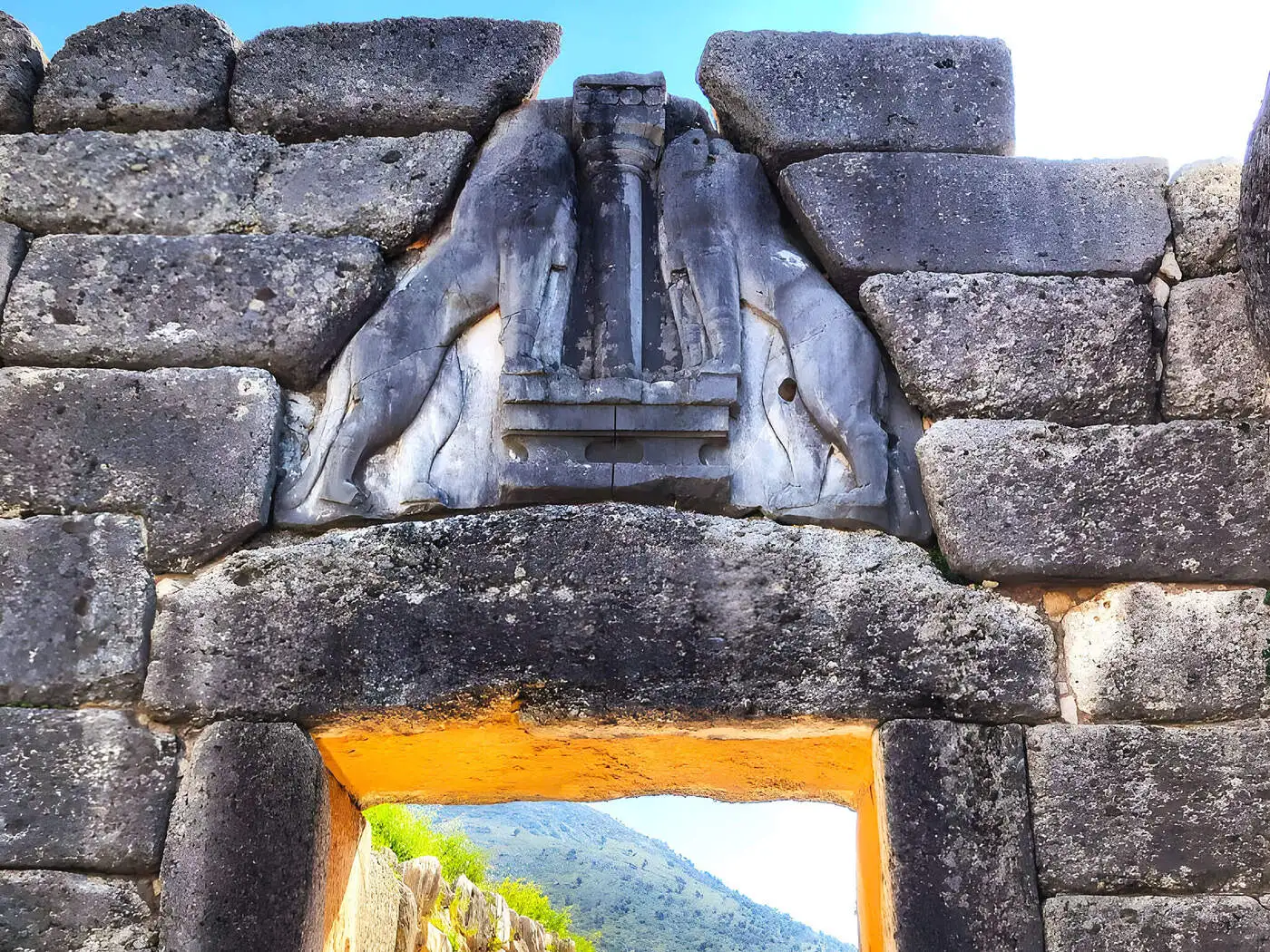
- Stand before the Lion Gate at Mycenae, entrance to a civilization Homer himself
- Explore Istanbul across two continents
- Climb to the Acropolis, the summit that defined what a civilization could build
- Singles friendly (view options for single travellers)
A short ferry crossing from Marmaris carries us into Greek territory at Rhodes, a hinge point few itineraries include. This medieval walled city, headquarters of the Knights Hospitaller for over two centuries, marks our turn from Ottoman and Seljuk Turkiye toward the classical foundations of Greece itself.
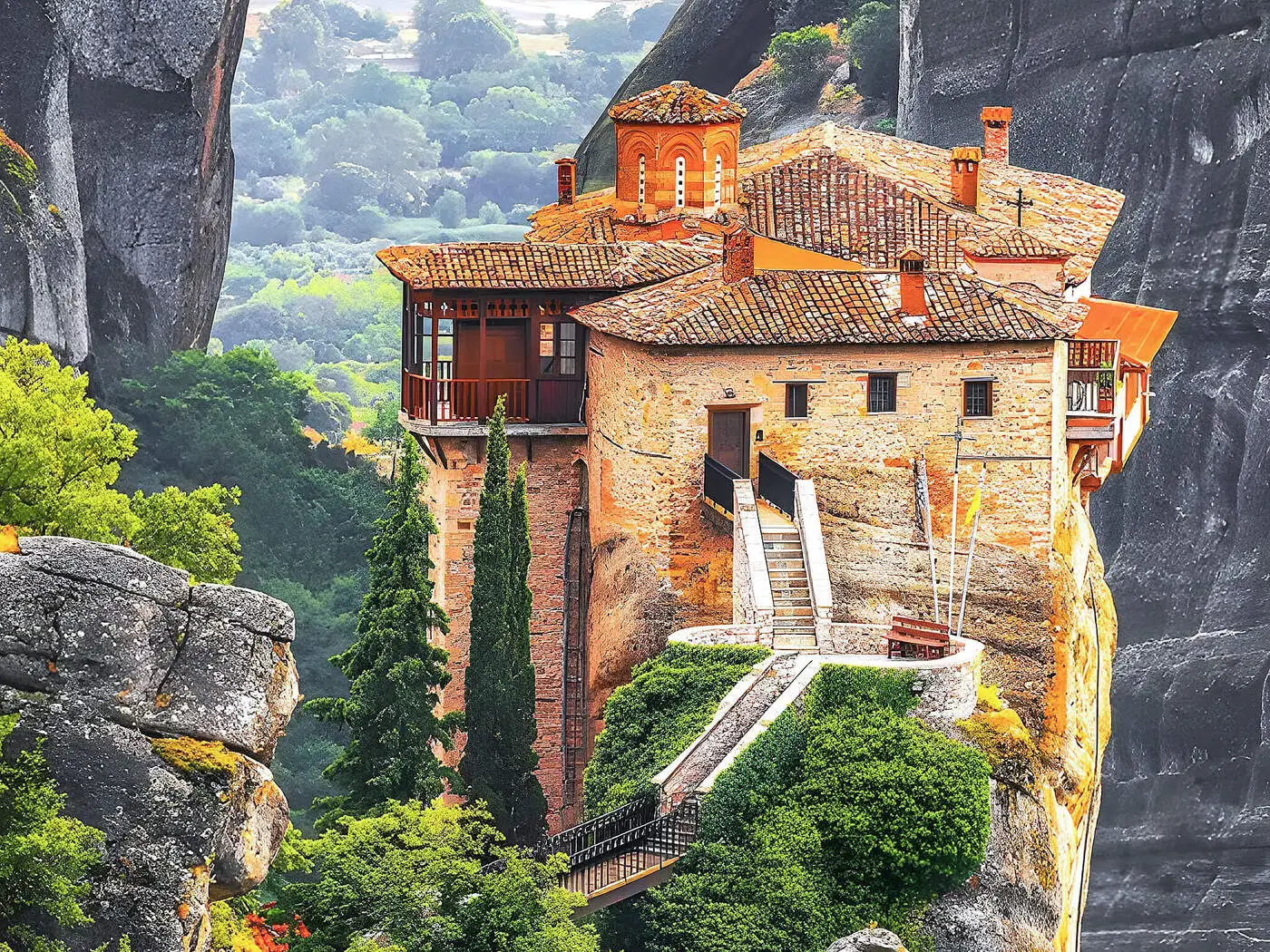
Mainland Greece unfolds in layers of its own: the Acropolis and its museum in Athens, the monasteries of Meteora perched on sandstone pillars, the oracle's sanctuary at Delphi, and the Bronze Age ruins of Mycenae, where Homer's legends meet solid archaeology. Along the way, the Corinth Canal and the graceful Peloponnese town of Nafplio round out a route built for travellers who want the full arc, not just the highlights.
This is a tour for those who like their history layered and their questions answered by walking the ground itself, from Istanbul's crowded bazaars to the quiet stone theatre at Epidaurus.
- MealsSavour authentic flavours with included daily breakfasts and dinners at handpicked local restaurants—immersing you in local cuisine without worrying about reservations or budgets.
- Transport & Logistics
Private air-conditioned coaches and included internal ferries and flights—ensuring hassle-free travel so you can focus entirely on the discoveries ahead.
"Adventures Abroad tour leader's management and guest services managed the tour with great skill and dedication. The tour leader was on top of every move and transfer. We have not experienced any issues with logistics and had a great time."
~ JULIA O"The tour leader did an excellent job coordinating some difficult travel logistics, power outage issues and resolving problems and dealing with guests who had unrealistic expectations."
~ CYNTHIA COLLINS - Expert Guidance
Unlock insider secrets at every landmark with your full-time Tour Leader and expert local guides , all gratuities covered—no hidden tipping surprises—so you immerse fully in your destination's stories, worry-free. (Except for the tips to your tour leader at the end of your tour.)
"Amazing tour guide. Our tour guide was very well organized, Her passion, knowledge, and enthusiasm completely transformed the travel experience into something truly unforgettable..."
~ MELANIE LEMAIRE"Highly recommend every trip with Adventures Abroad. It's a well organized and well thought out adventure. The tour leaders are friendly, knowledgeable and experienced professionals. Highly recommend this company."
~ SUSAN WALL - Sightseeing & EntrancesAll entrance fees for sites visited as per the itinerary—no hidden costs—so you can explore ancient ruins and excursions with complete peace of mind.
- AccommodationsUnwind in clean, well-located 3 to 4-star hotels with private en suite facilities—handpicked for comfort and convenience after each day's discoveries—so you can rest easy knowing your stay supports the real adventure, not steals the spotlight.
- Small Group
Discover the world in small groups of up to 18 travellers plus your expert Tour Leader—unlocking spontaneity, off-the-beaten-path adventures, and genuine connections at a relaxed pace, free from crowds.
"Looking Forward to My Next Adventure The best feature of the Adventures tour was the small size that allowed the group to quickly load up, let everyone get acquainted within the first 24 hours, capitalize on unplanned surprises along..."
~ PHILIP BLENSKI"Good value for a great time I have traveled with Adventures Abroad for over 20 years now. Well thought out, interesting itineraries and the other travelers congenial and friendly. The price always seems fair and overall a..."
~ Trusted Customer - Airport Transfers For Land & Air CustomersWe handle hassle-free airport transfers for all our land and air tour customers—plus early arrivals or late departures when you book extra hotel nights directly with us for added peace of mind.
- International airfare to and from the tour
- Tour Leader gratuities
- Lunches
- Alcoholic and bottled drinks
- Internal air taxes, if applicable
- Airport transfers for Land Only customers
- Optional trip cancellation insurance
- Please refer to the pre-trip notes sent at time of booking for further guidance
- Seasonality and Weather:
This tour operates in the two windows that suit the region best: mid-April through May, and September through October. Both avoid the intense heat that settles over inland Turkiye and the Greek mainland in high summer.
Spring departures bring wildflowers to the Cappadocia valleys and comfortable walking conditions across every site. Autumn departures offer similarly mild conditions, with the added benefit of thinner crowds at marquee sites like the Acropolis and Ephesus, and a softer light that suits the coastal stretches particularly well.
Coastal legs run mild in both windows, while inland stops at altitude, including Cappadocia and Meteora, can bring cooler mornings and evenings worth packing a layer for. Both windows fall outside the region's peak summer pricing and crowding. - Transport and Travel Conditions:
Ground transport throughout is by private, air-conditioned coach, supplemented by two internal flights and one sea crossing between the Aegean coast and Rhodes.
This is an ambitious itinerary; expect regular walking on uneven historical terrain, including cobblestone streets, ancient ruins, and hillside paths. Some days involve underground exploration with stairs and low passages; comfortable, sturdy walking shoes are essential throughout.
The itinerary includes several long travel days by road, particularly across central Anatolia, reflecting the genuine distances between this region's historical sites. These days are built into the pacing deliberately, allowing time to absorb the shift between destinations rather than rushing between highlights.
Travellers should be comfortable with a full and active pace, but the rewards, standing inside a Byzantine cave church one week and atop the Acropolis the next, make every travel day worthwhile.
Am I suitable for this tour? Please refer to our self-assessment form - Activity Level: 2
These are particularly busy tours that feature a lot of moving around, sometimes by train and short journeys on local transport. Walking tours of towns and cities are leisurely but you should be prepared to be on your feet for several hours. Some of our cultural trips that occur at high altitude and/or require greater independence with baggage handling (at hotels, airports, train stations) also fall into this category.
To learn more about the Activity levels, please visit our tour styles page. - Accommodation:
Accommodation throughout is comfortable, centrally located, tourist-class to first-class hotels, generally rated 3-5 star, selected for proximity to each destination's key sites. Please see the Map and Hotels tab for more information. - Staff and Support:
This tour is accompanied throughout by an Adventures Abroad Tour Leader, supported by local specialist guides at key sites in both Turkiye and Greece. - Group Size:
Maximum 18 travellers plus Tour Leader. This size keeps the group nimble through dense historical sites and narrow medieval streets, and underground cities, while remaining large enough to support the private coach transport and local guide arrangements this itinerary depends on.
- Day 1:Istanbul ArrivalIstanbul does not ease you in. From the moment we land, the city announces itself as the hinge between two continents, two seas, and roughly two thousand years of empires that each believed themselves the last word. We arrive into Byzantium's old capital, then Constantinople's, then Istanbul's -- three names stacked on one city, each layer still visible if you know where to look.
We gather for a welcome dinner that marks less an ending of travel than a beginning of orientation -- the first of many meals where east and west sit on the same plate, where Ottoman technique meets Aegean ingredient meets whatever the Silk Road left behind.
Overnight Istanbul. 
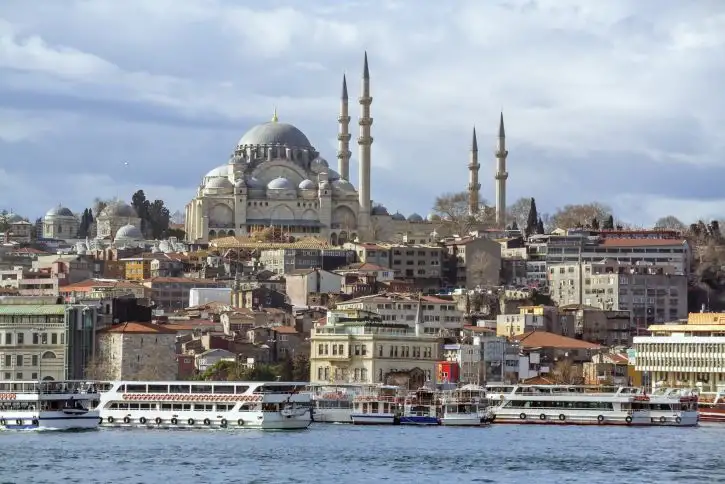
Included Meal(s): Dinner, if required - Day 2:Istanbul: Hagia Sophia, Blue Mosque, Hippodrome, Grand BazaarDawn breaks over a city divided by waterways into three distinct parts---two in Europe, one in Asia---creating Istanbul's unique character as the world's only transcontinental metropolis. We begin with a panoramic drive around the Golden Horn, following the massive walls that protected Constantinople for over a thousand years.
The first bridge here was built during Justinian's reign in the 6th century, and today we pass the famous Galata Bridge where fishermen still cast their lines as they have for centuries. The towering minarets of Süleyman's Mosque and the medieval Galata Tower guide us towards Sultanahmet Square, where the heart of old Constantinople awaits.
Our walking exploration begins at the legendary Blue Mosque, built between 1609 and 1616 by Mehmet Ağa. Inside, over 20,000 hand-painted İznik tiles create a symphony of blue that gives the mosque its popular name. At the adjacent Hippodrome, we stand where 100,000 Romans once cheered chariot races. Here stands an Egyptian obelisk carved for Pharaoh Thutmose III around 1500 BC---older than Christ, yet brought here by Byzantine Emperor Theodosius in 390 AD.
We continue to Hagia Sophia, built by Emperor Justinian in 548 AD as the largest church in Christendom for nearly a millennium. When Ottoman forces conquered the city in 1453, they transformed this Christian cathedral into an Islamic mosque. In 1934, it became a museum; in 2020, President Erdoğan controversially returned it to mosque status, though visitors are still welcome.
The remainder of the afternoon is yours to explore before our evening meal. Your Tour Leader can show you to Istanbul's famous Grand Bazaar -- even if you're not a keen shopper, the atmosphere and goods on offer offer interesting local insights into life in the city, the old and the new.
Note: You may wonder why we choose not to include Topkapi Palace in our program. While it's an important site with a long storied history, the nature of the facility and the rules pertaining to visitation, ie limits on groups and guiding to reduce crowding and noise, make it better-suited to a self-guided, rather than a group touring, experience. Should you want to visit on your own, please consult your Tour Leader in advance.
Overnight in Istanbul. 
Included Meal(s): Breakfast and Dinner - Day 3:Istanbul - Bosphorus, Spice Bazaar, Chora MuseumThe Spice Bazaar opens the morning with colour and scent before conversation -- saffron, sumac, dried fruit stacked in cones, the commercial cousin of yesterday's Grand Bazaar but smaller, older, and arguably more purely Ottoman in feel. Nearby, the Suleymaniye Mosque offers a different kind of crossroads: the masterpiece of architect Sinan, built to declare Suleiman the Magnificent's empire equal to Byzantium's grandest achievements, and largely succeeding.
By afternoon we are on the water. A Bosphorus cruise threads the strait separating Europe from Asia, palaces and fortresses lining both banks -- reminders that this narrow channel has been fought over, taxed, and fortified by every power that understood what controlling it meant. Istanbul's geography is not incidental to its history; it is the history.
We close the day inland, at the Chora Museum, where Byzantine mosaics survive in a state that Hagia Sophia's grander scale cannot match. Christ Pantocrator and scenes from scripture rendered in gold and stone, hidden for centuries beneath Ottoman-era plaster before their rediscovery -- evidence that this city rarely erases what came before. It simply builds on top, and occasionally, decades or centuries later, someone scrapes the surface back to see what remains underneath.
Overnight Istanbul. 
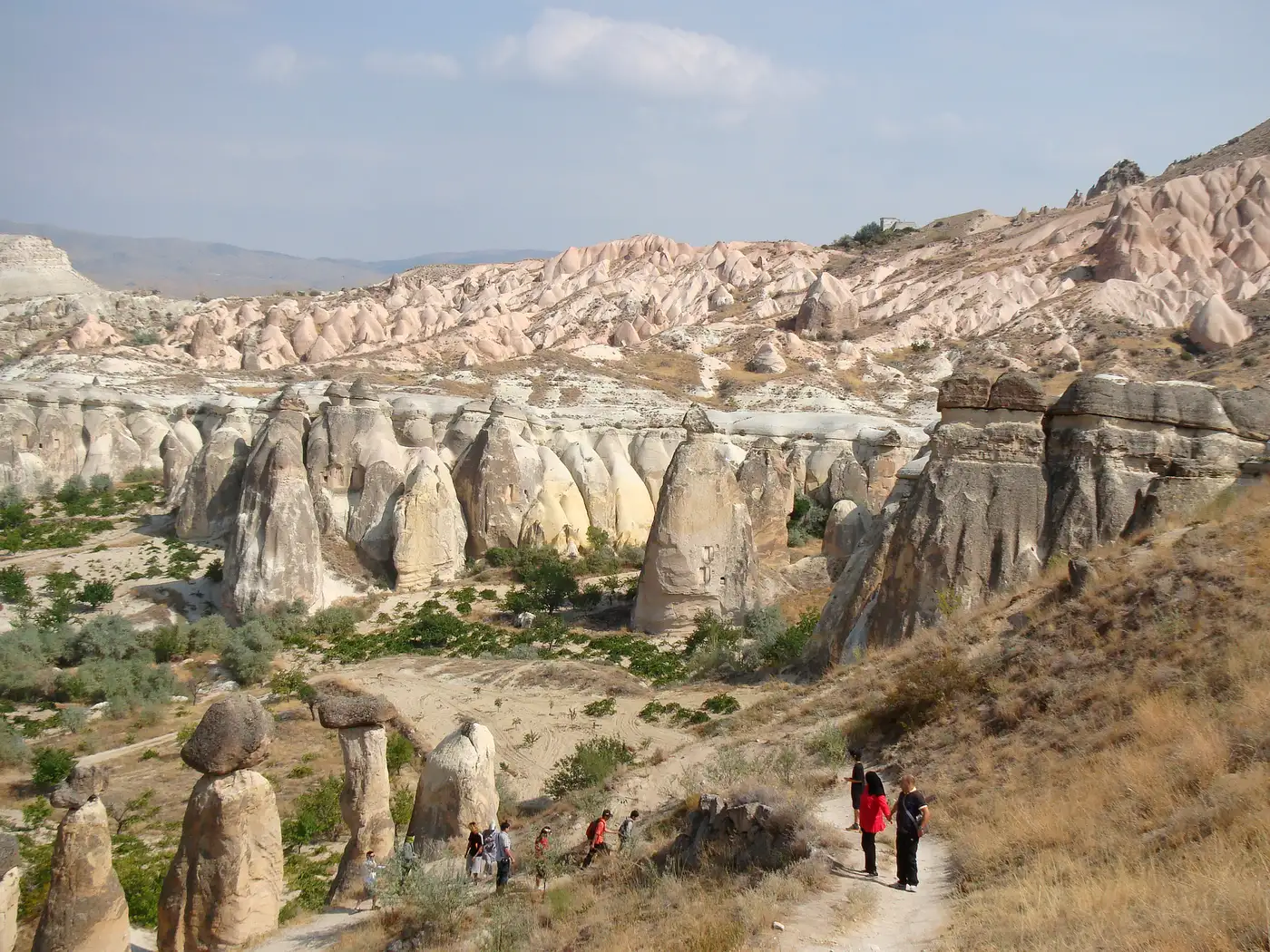
Included Meal(s): Breakfast and Dinner - Day 4:Istanbul - Fly to Kayseri - CappadociaA short flight trades one Turkiye for another. Istanbul's density and water give way to Cappadocia's volcanic plateau -- a landscape so strange it seems designed rather than eroded, cones and pillars of soft rock (locals call them fairy chimneys) shaped over millions of years by wind, rain, and the region's ancient eruptions.
We land at Kayseri and transfer into this otherworldly terrain, arriving in time for an afternoon at Uchisar Castle, the highest point in the region and a natural fortress carved directly into volcanic rock. From its heights, the full extent of the valley reveals itself: honeycombed cliffs, cave dwellings still inhabited or newly repurposed as hotels, a landscape that has sheltered communities since Byzantine times and likely earlier.
Cappadocia offers a different response to instability than Istanbul's -- not empires trading power at a strait, but civilizations retreating into stone when the surface world grew dangerous. The soft volcanic tuff here proved easy to carve and, crucially, easy to hide within. Early Christians escaping persecution found refuge in cave churches; entire communities later vanished underground altogether, a story we'll explore more fully in the coming days.
Overnight in Cappadocia. 
Included Meal(s): Breakfast and Dinner - Day 5:Cappadocia Full DayBallooning over Cappadocia at sunrise is optional, but few who choose it regret an early wake-up. From altitude, the valley's full strangeness comes into view -- hundreds of balloons drifting over a landscape of cones, ridges, and hollows that looks, from above, more lunar than terrestrial.
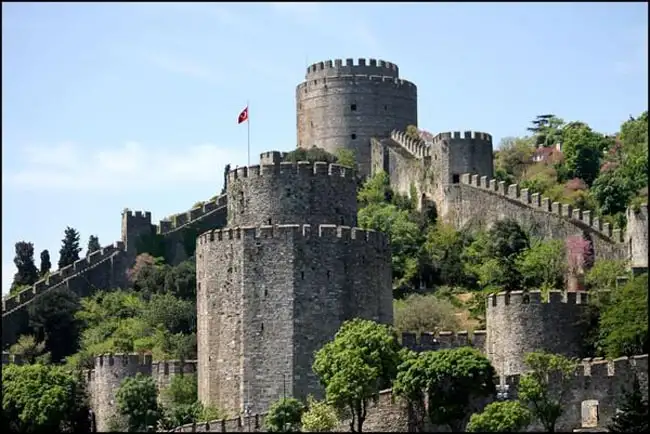
The Goreme Open Air Museum grounds the morning in history rather than spectacle. Cave churches carved directly into the rock preserve frescoes from the Byzantine era, painted by monastic communities who chose isolation and stone for both protection and prayer. The artistry survives remarkably intact, sheltered for centuries by the very rock that made it possible.
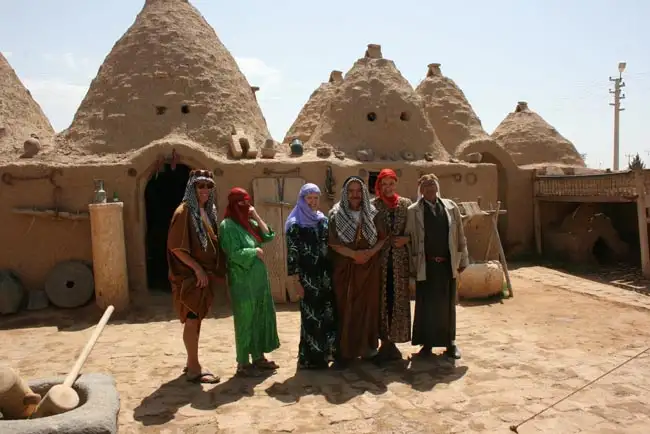
From carved churches to carved cities: an underground complex, either Kaymakli or Derinkuyu, takes us below the surface entirely. These multi-level cities once housed thousands, complete with ventilation shafts, stables, storage rooms, and stone doors designed to seal from within against raiders. Whole communities lived weeks underground when circumstances demanded it -- a different register of the same instinct that carved Goreme's churches: retreat into the landscape itself when the surface world turned hostile.
We surface for a pottery demonstration, a craft tradition in this region running back to Hittite times, before returning above ground for the evening.
Overnight at Cappadocia. 
Included Meal(s): Breakfast and Dinner - Day 6:Cappadocia - KonyaWe leave Cappadocia's volcanic plateau this morning, the drive to Konya carrying us along a route that Seljuk merchants and travellers once relied upon centuries before highways existed in any modern sense. Along the way we stop at Sultanhani, one of the largest and best-preserved caravanserais in Anatolia -- a fortified inn built in the thirteenth century to shelter camel caravans, traders, and their goods along the trade routes linking Konya to the wider Silk Road network.
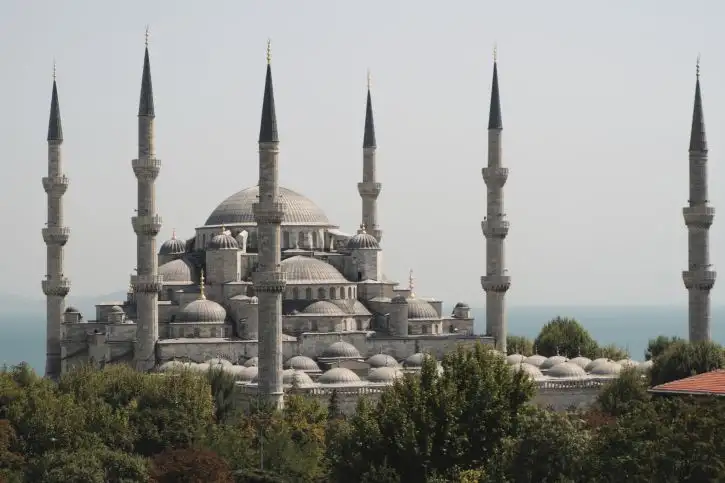
Caravanserais like this one were more than way stations. They offered lodging, stabling, worship space, and security at regular intervals along routes that could otherwise prove dangerous or impassable, a form of infrastructure that made long-distance trade -- and with it, the flow of goods, ideas, and wealth between empires -- genuinely possible. Sultanhani's scale, with its vaulted stone hall and imposing gateway, shows how seriously the Seljuks invested in the commercial arteries that sustained their rule.
We continue to Konya by afternoon, a city with a very different character from anything seen so far. Where Cappadocia hid from empires, Konya hosted one of the most influential: capital of the Seljuk Sultanate of Rum, and home to Jalal ad-Din Muhammad Rumi, the 13th-century poet and mystic whose philosophy of tolerance and union still resonates well beyond Turkey's borders.
The Mevlana Museum, built around Rumi's tomb, closes our day. Once a lodge for the whirling dervishes his teachings inspired, it now holds relics, manuscripts, and a stillness that feels earned after a day tracing the routes that once connected this region to the wider world.
Overnight in Konya. 
Included Meal(s): Breakfast and Dinner - Day 7:Konya - PamukkaleThis morning's drive carries us west, out of Seljuk Anatolia and toward a landscape entirely defined by geology rather than empire -- though empire, inevitably, followed the geology here too.
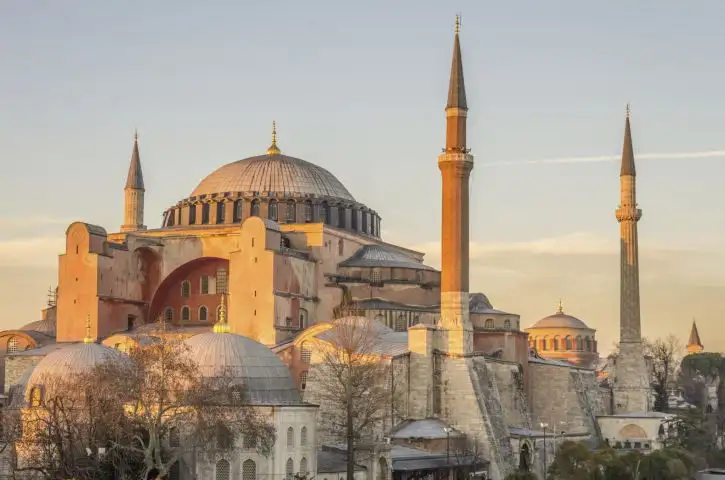
Pamukkale means "cotton castle," and the name undersells nothing. Mineral-rich thermal springs have deposited calcium carbonate over millennia, forming brilliant white travertine terraces that cascade down the hillside, pooled with warm water in shades of blue and turquoise. It is a landscape so visually improbable that Roman settlers, arriving centuries ago, built an entire city to capitalize on it.
That city, Hierapolis, spreads across the plateau above the terraces -- a spa town in the Roman sense, established to exploit the same thermal waters still flowing today. Colonnaded streets, a well-preserved theatre, and a vast necropolis speak to a settlement that thrived specifically because of this geological anomaly, its wealthy visitors travelling considerable distances for the same waters we'll wade through this afternoon.
Where Cappadocia's communities carved downward for safety, Hierapolis rose upward for luxury -- two very different human responses to the same volcanic and mineral inheritance, shaped by era and need rather than geography alone.
Overnight in Pamukkale. 
Included Meal(s): Breakfast and Dinner - Day 8:Pamukkale - KusadasiA final morning at Pamukkale and Hierapolis allows unhurried time with the terraces and ruins before we turn toward the coast -- worth the lingering, since both reward slower attention than yesterday's arrival permitted.
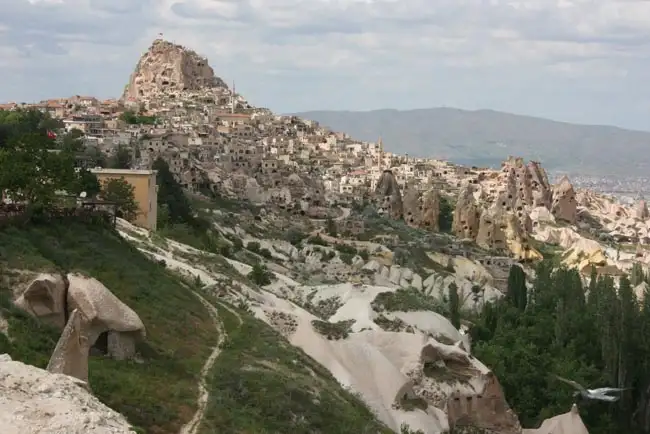
The drive to Kusadasi carries us from Anatolia's interior toward the Aegean, and the shift is more than scenic. We are moving, gradually, from the layered empires of central Turkiye toward a coastline that has belonged, at various points, to Ionian Greeks, Persian satraps, Roman governors, Byzantine administrators, and Ottoman sultans -- a shoreline almost too contested to summarize simply.
Kusadasi itself is a working port town, historically a gateway for trade and, more recently, for travellers arriving to explore the ancient sites inland. Tonight's overnight here positions us for tomorrow's visit to one of the most significant of those sites, and the town's harbour setting offers an easy, low-key evening after a full day on the road.
Overnight in Kusadasi. 
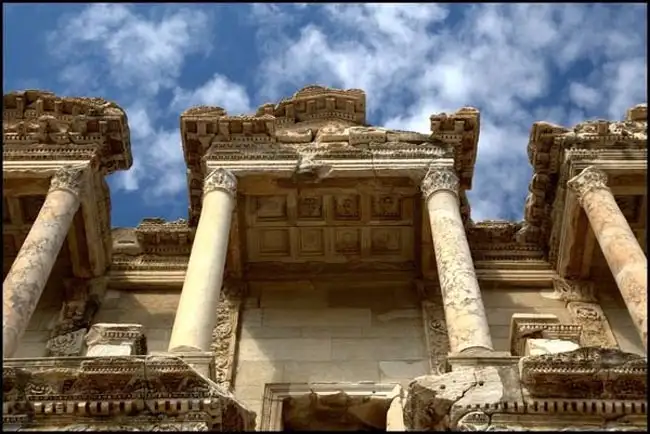
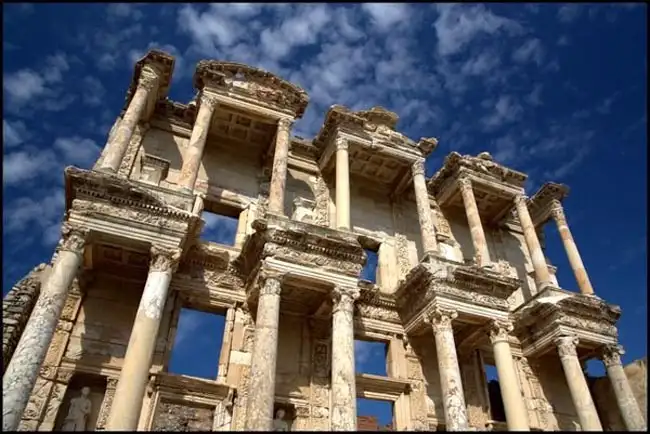
Included Meal(s): Breakfast and Dinner - Day 9:Ephesus TourFew ancient cities preserve their scale as vividly as Ephesus. Once among the largest and most important cities in the Roman world, home to some quarter-million residents at its height, its marble streets, library facade, and vast theatre remain remarkably legible today, allowing an almost physical sense of Roman urban life.
The Library of Celsus anchors most visitors' memory of the site, its two-storey facade among the best-preserved Roman structures anywhere. But Ephesus's importance predates Rome considerably -- it was a major Ionian Greek city centuries earlier, and later a significant early Christian centre, visited by Paul the Apostle and, according to tradition, the final home of the Virgin Mary.
That tradition brings us to the House of the Virgin Mary, a modest chapel in the hills above Ephesus believed by many to mark her last residence. Whether one approaches it as pilgrimage or history, it adds a quieter, more contemplative note to a day otherwise dominated by Ephesus's grand civic ruins.
For those wanting more, the Selcuk Museum houses artifacts recovered from the site, including treasures from the Temple of Artemis -- one of the ancient world's seven wonders, now reduced to a single reconstructed column, its scale only imaginable through what the museum preserves.
Overnight in Kusadasi. 
Included Meal(s): Breakfast and Dinner - Day 10:Kusadasi - BodrumWe continue south along the Aegean coast toward Bodrum, ancient Halicarnassus, birthplace of Herodotus and site of another of antiquity's seven wonders -- the Mausoleum, tomb of Mausolus, whose name became the generic word for grand funerary monuments ever after.
Little remains of the original Mausoleum, but Bodrum's Castle of St. Peter more than compensates for the loss. Built by the Knights Hospitaller in the fifteenth century using stone salvaged, in part, from the Mausoleum's ruins, the castle stands as a particularly literal example of this region's habit of building new empires from the remnants of old ones. Within its walls, the Museum of Underwater Archaeology displays shipwreck cargo recovered from the surrounding seas -- Bronze Age ingots, Ottoman-era ceramics, evidence of trade routes that connected this coast to nearly everywhere.
Bodrum's harbour, busy with yachts and fishing boats alike, closes our final evening in Turkiye on a relaxed note. Tomorrow we cross by sea to Rhodes, leaving behind ten days that traced Byzantine, Ottoman, Seljuk, Roman, and Greek layers across a single country -- and beginning a passage that will carry those same overlapping empires into Greek territory proper.
Overnight Bodrum. 
Included Meal(s): Breakfast and Dinner - Day 11:Bodrum - Marmaris - RhodesA free morning in Bodrum offers a final, unhurried look at the harbour before we turn toward the day's real business: crossing from Asia into Europe, and from Turkiye into Greece, by sea.
We drive to Marmaris, then board a ferry for Rhodes -- a short crossing in distance but a considerable one in historical terms. This stretch of water has carried traders, invaders, and pilgrims for millennia, and our own crossing, however brief and comfortable by comparison, follows the same route that connected these shores long before either modern nation existed.
Rhodes greets us as something genuinely new within the trip's arc: a Greek island shaped as much by medieval crusader history as by antiquity. The Knights Hospitaller -- the same order responsible for Bodrum's castle -- made Rhodes their headquarters for over two centuries, building a walled city that still dominates the harbour today.
Tonight marks a hinge point in more than geography. Turkiye's ten days traced empires built on conquest and continuity -- Byzantine, Ottoman, Seljuk. Greece's eleven ahead will trace something related but distinct: the classical foundation those later empires all, in their own ways, inherited or contended with.
Overnight in Rhodes. 
Included Meal(s): Breakfast and Dinner - Day 12:Rhodes Old TownRhodes' Old Town preserves one of the best-surviving medieval walled cities in Europe, and this morning we walk its centrepiece: the Street of the Knights, a cobbled thoroughfare lined with the inns once occupied by the various "tongues," or national divisions, of the Hospitaller order.
The Palace of the Grand Masters anchors the street's upper end, a fortress-palace rebuilt largely in the twentieth century atop its medieval foundations, its scale testament to how seriously the Knights took both their military purpose and their sense of occasion. Suits of armour, mosaic floors salvaged from other Aegean sites, and vaulted stone corridors evoke an institution that combined religious order with formidable military and political power.
Rhodes tells a different story than Turkey's layered cities -- not successive empires stacking atop one another in a single place, but a specific medieval Christian military order carving out sovereign territory at Europe's edge, defending it against Ottoman expansion for over two centuries before finally falling in 1522.
The balance of the afternoon is yours to explore within the medieval walls: narrow lanes, small tavernas, artisan shops tucked into buildings that have stood, in some form, since the fourteenth century. Rhodes rewards wandering as much as touring, its old city compact enough to explore without a fixed itinerary.
Overnight in Rhodes. 
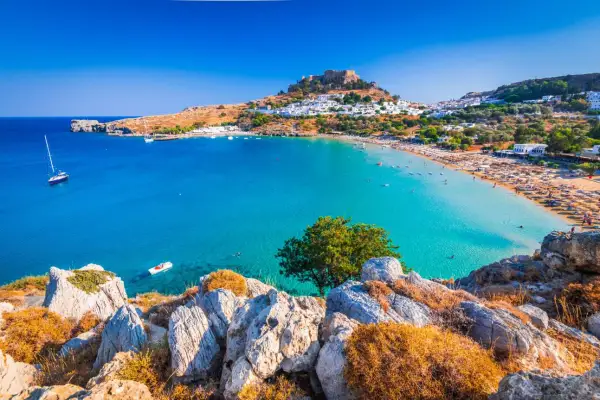
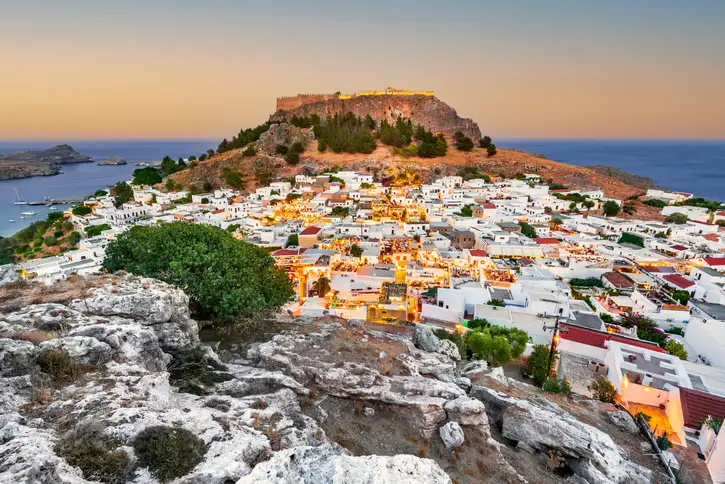
Included Meal(s): Breakfast and Dinner - Day 13:Rhodes & LindosThis morning we travel to Lindos, where an acropolis rises dramatically above a whitewashed village and a sheltered harbour -- a setting so striking that successive civilizations claimed it for themselves. Ancient Greeks first fortified the height; Byzantines and Knights of St. John later added their own fortifications atop the classical remains, creating a compressed timeline of Aegean history within a single hilltop.
The Temple of Athena Lindia crowns the site, its columns framing views out over the harbour below -- the same harbour that made Lindos one of the significant city-states of ancient Rhodes, its ships trading across the Mediterranean long before Rome or Byzantium existed. Walking the acropolis means walking through classical, Byzantine, and medieval fortification layers stacked within metres of one another, a physical lesson in how each era here built on, rather than erased, what came before.
We return to Rhodes with the afternoon at leisure -- a chance to revisit the old town at a slower pace, seek out a quiet cafe, or simply sit with a harbour view and let two intensive days of history settle. Rhodes has given us, in compact form, nearly the entire arc this trip is tracing: classical foundation, medieval overlay, and everything in between.
Overnight in Rhodes. 
Included Meal(s): Breakfast and Dinner - Day 14:Fly to Athens - National Archaeological MuseumAn early flight carries us from Rhodes to Athens, a short hop that nonetheless marks a significant shift: from island Greece, shaped heavily by medieval and crusader history, to mainland Greece, where the classical world we've been circling for two weeks finally takes centre stage.
We proceed directly from the airport to the National Archaeological Museum, guided through what many consider the finest collection of ancient Greek art anywhere. The Mask of Agamemnon, Cycladic figurines older than Egypt's pyramids, bronzes recovered from ancient shipwrecks -- the museum offers, in a single guided visit, a survey of Greek civilization's full chronological range, from the Bronze Age through the Hellenistic era.
This is intentional sequencing on our part. Athens' physical ruins -- the Acropolis foremost among them -- are extraordinary but often fragmentary, their original context and adornment scattered across museums and centuries of weathering. Beginning with the National Archaeological Museum offers a fuller picture before we encounter the ruins themselves tomorrow.
The afternoon turns to Plaka, Athens' old neighbourhood beneath the Acropolis' northern slope, its narrow streets and neoclassical houses offering a gentler, human-scaled counterpoint to the museum's grand chronological sweep.
Overnight in Athens. 
Included Meal(s): Breakfast and Dinner - Day 15:Athens TouringToday we enjoy a guided tour of Athens, the heart and soul of Greece.* A large part of the town's historic centre has been converted into a 3-kilometre pedestrian zone (one of the largest in Europe), leading to the major archaeological sites, reconstructing -- to a large degree -- the ancient landscape, thus allowing us to avoid the city's horrendous traffic. As such, much/most of our tour today will be conducted ON FOOT at a leisurely pace.
We start at the Acropolis (with hopes to beat the heat/crowds), near the site of the Dionysos Theatre. Constructed in the 6th century BC, it is one of the world's oldest theatres and the place where the great works of Aeschylus, Sophocles, Euripides and Aristophanes were first performed. We will also see a more recent theatre, the Odeon of Herod Atticus from the second century AD, which is still used for concerts and performances.
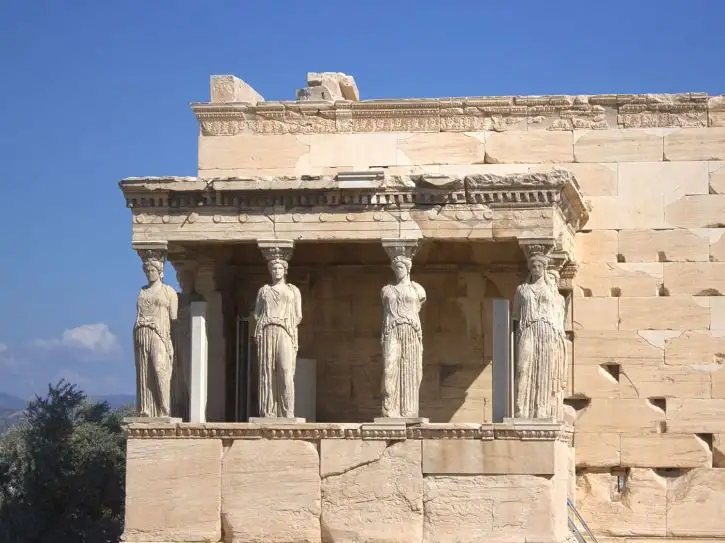
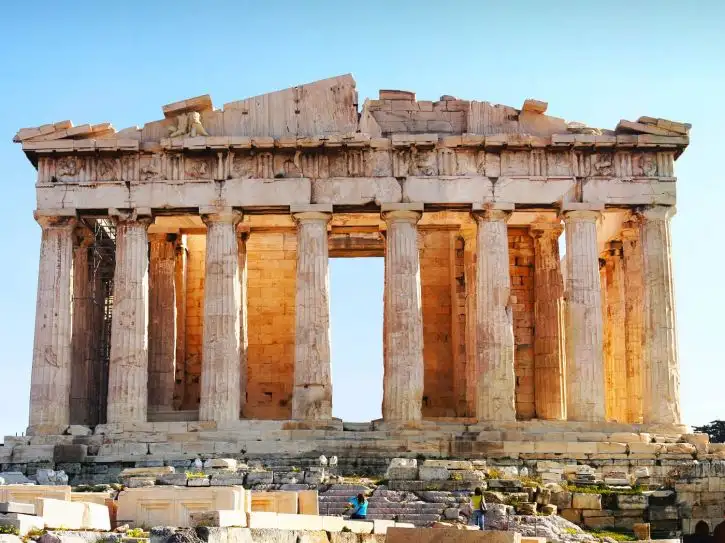
Ascending to the top of the Acropolis, we will see magnificent buildings dating from the 5th century BC, the Golden Age of Athens. On the highest point on the Acropolis is the Parthenon, often considered the finest monument to Greek civilization. The temple was dedicated to Athena "Parthenos," the virgin and patron goddess of the city.
After our Acropolis tour, we'll descend by foot and enter the Ancient Agora located adjacent to the Plaka, the old town of Athens. Among the numerous sights in this archaeological park are the well-preserved Temple of Hephaistos and the landmark Roman era Tower of the Winds.
Our guided tour ends with a guided visit of the Acropolis Museum, located at the foot of the Acropolis. The museum was built to house every artifact found on the rock, from the Greek Bronze Age to Roman and Byzantine Greece; nearly 4,000 objects are exhibited over an area of 14,000 square metres. After our tour you are free to wander and explore on your own or make your way back to the hotel with your Tour Leader's assistance.
* The exact order of our sightseeing in Athens may be altered by your Tour Leader depending on several variables and their judgement on how best to run today's tour.
Overnight in Athens. 
Included Meal(s): Breakfast and Dinner - Day 16:Athens - Meteora TouringWe leave Athens this morning and drive north toward Kalambaka, the modern gateway to Meteora -- a landscape almost as improbable as Cappadocia's, though achieved through entirely different geological means. Here, massive sandstone pillars rise sheer from the plain, sculpted by millions of years of erosion into towers that seem to defy the terrain around them.
Byzantine monks, beginning in the eleventh century, saw in these pillars what Cappadocia's early Christians saw in volcanic rock centuries earlier: refuge, isolation, and proximity to heaven made literal by elevation. Monasteries perched atop the most inaccessible summits, originally reachable only by rope, net, or removable ladder -- a defensive architecture as extreme as anything encountered so far.
We visit several of the surviving monasteries this afternoon, their interiors preserving frescoes and iconography spanning centuries of Orthodox devotion, their exteriors offering views across the Thessalian plain that explain, immediately, why monks chose such precarious heights. The isolation that once served spiritual and defensive purposes now serves a different function, drawing visitors who make the climb themselves, if by considerably safer means than the original inhabitants.
Meteora closes a loop first opened at Cappadocia: two landscapes, two eras, two faiths, the same instinct toward rock, height, and retreat.
Overnight in Kalambaka. 
Included Meal(s): Breakfast and Dinner - Day 17:Meteora - DelphiThis morning we turn from Meteora's monastic isolation toward a site that once claimed something far grander: direct communication with the divine. Delphi, seat of the ancient world's most consulted oracle, drew pilgrims, kings, and city-states from across the Mediterranean for centuries, each seeking guidance from a priestess believed to channel Apollo himself.
The archaeological site occupies a dramatic mountainside setting, the Sanctuary of Apollo's ruins ascending toward the Temple where the oracle once spoke, past the Treasury of the Athenians and along the Sacred Way once lined with offerings from grateful or hopeful city-states. Above it all, the ancient theatre and stadium speak to Delphi's dual role as spiritual centre and site of the Pythian Games, second in prestige only to Olympia's own.
The Delphi Museum houses treasures recovered from the sanctuary, including the remarkably preserved Charioteer, a bronze so lifelike it seems to have paused mid-motion rather than survived two and a half millennia underground.
Delphi represents perhaps the purest expression of classical Greek belief encountered on this trip -- a site whose influence extended well beyond Greece itself, its oracle consulted by figures from across the ancient Mediterranean world, its authority resting on geography, mythology, and centuries of accumulated prestige.
Overnight in Delphi. 
Included Meal(s): Breakfast and Dinner - Day 18:Delphi - Corinth - NafplioWe depart Delphi this morning, descending from Apollo's sanctuary toward a landmark of an entirely different, far more recent order: the Corinth Canal, a nineteenth-century engineering achievement cutting nearly six kilometres through solid rock to connect the Aegean and Ionian seas.
Before reaching the canal, we stop at Ancient Corinth, once among the wealthiest and most strategically vital cities of the classical and Roman worlds, its position controlling trade between mainland Greece and the Peloponnese. The site's museum and ruins, including the striking Temple of Apollo, speak to a city that Rome itself found valuable enough to destroy, then rebuild as a provincial capital -- a sign that even celebrated Greek cities did not escape the empires that followed them.
The Corinth Canal itself offers a brief but memorable stop: a narrow, sheer-walled cut connecting two seas, its scale better appreciated in person than in any photograph.
We continue into the afternoon toward Nafplio, the Peloponnese's most graceful town, its Venetian and neoclassical architecture marking yet another layer in this region's long habit of changing hands. Nafplio served, briefly, as modern Greece's first capital -- a fitting place to settle for two nights as we explore the classical sites nearby.
Overnight in Nafplio. 
Included Meal(s): Breakfast and Dinner - Day 19:Nafplio - Mycenae & EpidaurusThis morning we travel to Mycenae, home to a civilization old enough that classical Greeks themselves regarded it as legendary -- the setting for Homer's tales of Agamemnon and the Trojan War, excavated in the nineteenth century to reveal that the legends rested on genuine Bronze Age foundations.
The Lion Gate, Mycenae's monumental entrance, remains one of the most recognizable images of Bronze Age Greece, its relief carving predating classical Athens by nearly a thousand years. Beyond it, the Treasury of Atreus -- a beehive tomb of extraordinary engineering -- demonstrates a civilization capable of considerable architectural ambition well before the classical era we've spent recent days exploring.
Mycenae reframes much of what this trip has traced. Where Delphi and the Acropolis represent classical Greece's height, Mycenae represents its distant, half-mythical root -- a sign that Greek civilization's story runs far earlier than the fifth-century BCE monuments most visitors associate with the ancient world.
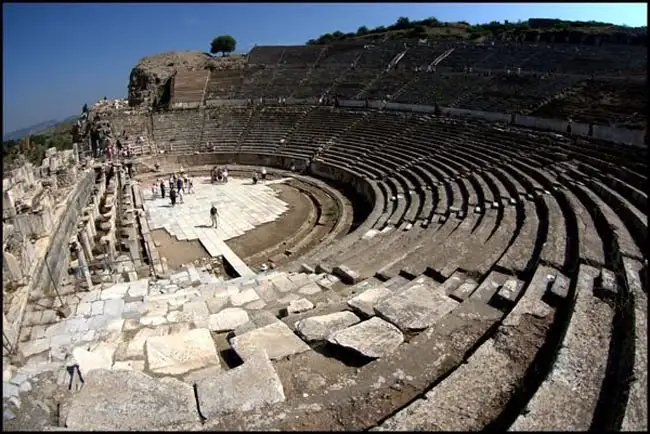
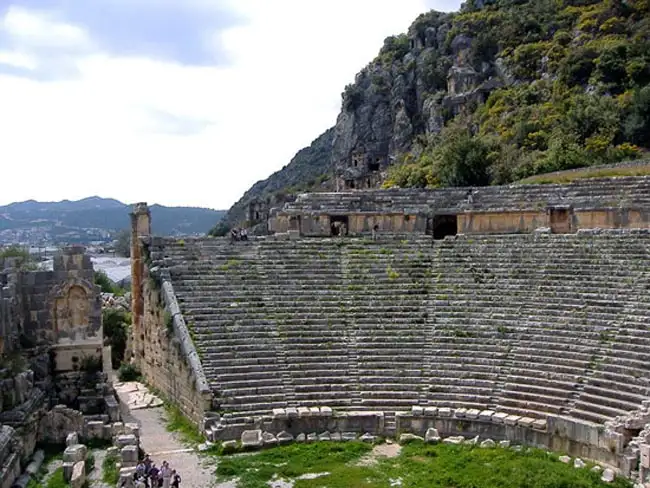
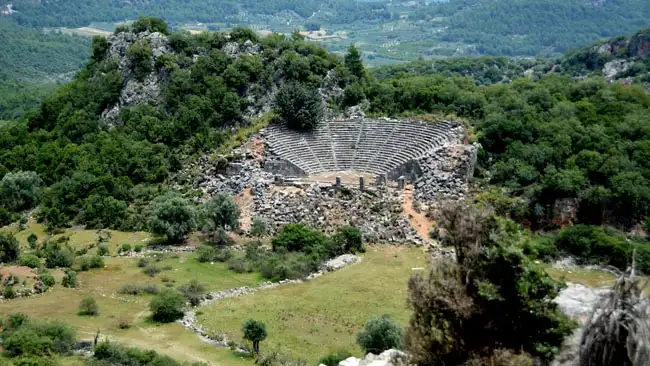
The afternoon carries us to Epidaurus, whose ancient theatre remains renowned for acoustic properties so precise that a whisper from centre stage reaches the topmost of its 14,000 seats. Built as part of a sanctuary dedicated to Asclepius, god of healing, Epidaurus reminds us that ancient Greek religion encompassed medicine and performance alongside prophecy and myth.
Overnight in Nafplio. 
Included Meal(s): Breakfast and Dinner - Day 20:Nafplio - AthensA final unhurried morning in Nafplio allows time to wander its old town at leisure -- Venetian fortifications, narrow lanes, and a harbour setting that has made this one of the most photogenic towns in the Peloponnese, before we turn back toward Athens for our final night.
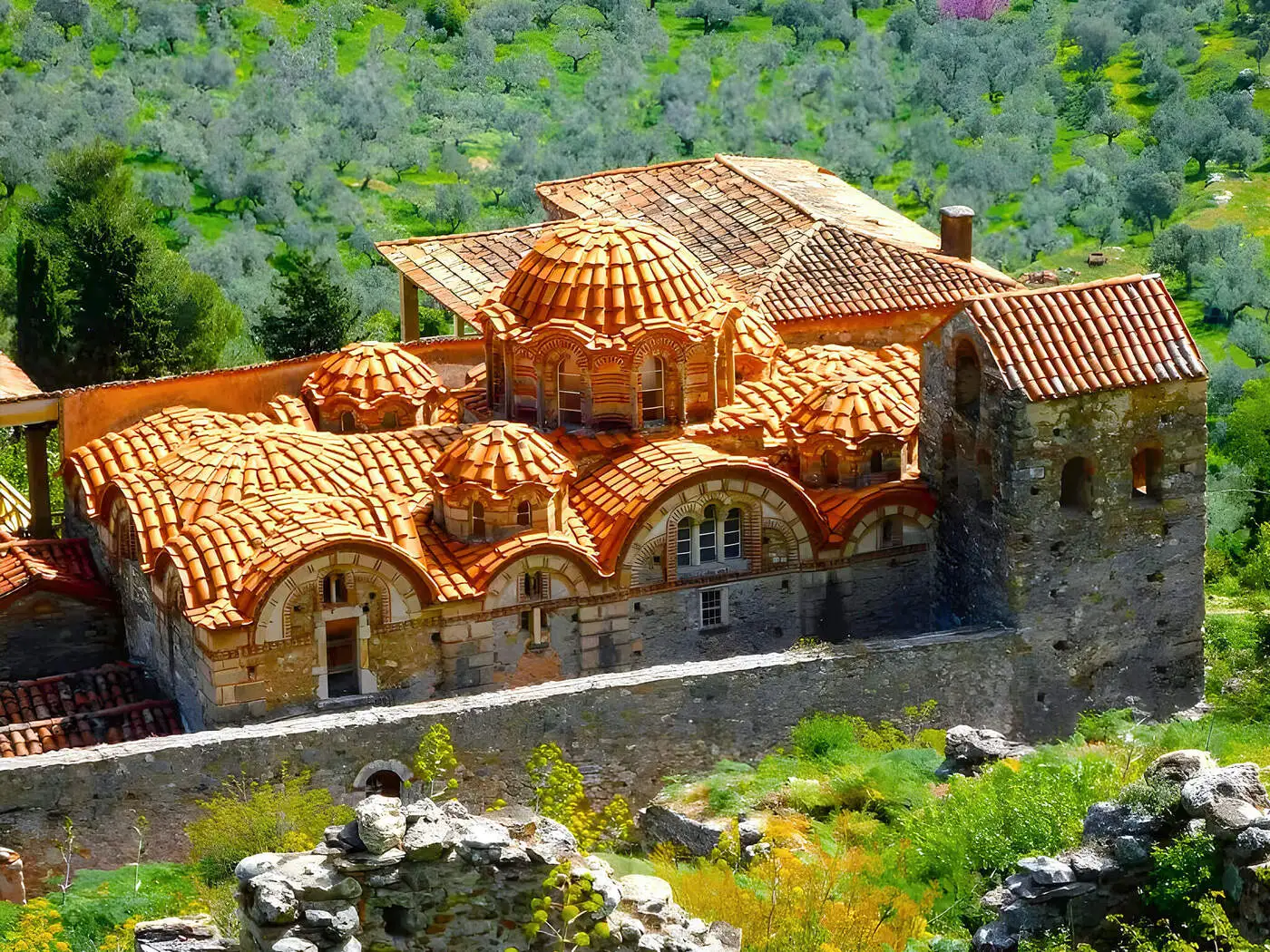
The drive retraces, in reverse, some of the ground covered over recent days, offering a last look at the Peloponnese landscape that has held so much of this trip's classical and Bronze Age history. Arriving in Athens, we have time to settle before gathering for a farewell dinner -- a chance to look back across three weeks that carried us from Byzantine Istanbul through Seljuk Anatolia, Roman Ephesus, medieval Rhodes, and finally into the classical and Bronze Age foundations of Greece itself.
Few trips offer such a clear throughline: empires that rose, borrowed, conquered, and were in turn conquered, each leaving physical traces that the next civilization built upon rather than erased. From Hagia Sophia's shifting function to Corinth's Roman rebuilding atop Greek foundations, the pattern has repeated across three weeks and two countries -- proof that this stretch of the Mediterranean has always been less a fixed place than a continuous negotiation between what came before and what comes next.
Overnight Athens. 
Included Meal(s): Breakfast and Dinner - Day 21:Athens DepartureThree weeks ago we began in Istanbul, a city built and rebuilt by empires that each claimed to supersede the last. We end in Athens, the source many of those empires claimed to be inheriting. Between the two lay volcanic refuges, thermal terraces, Roman theatres, crusader fortresses, monastic pillars, and oracles -- layer upon layer of a Mediterranean world that never stopped rebuilding itself atop its own foundations.
Departure from Athens - Safe travels home. 
Included Meal(s): Breakfast
Countries Visited: Greece and Turkiye
*The red tour trail on the map does not represent the actual travel path.
Book This Tour
- Transfering Tour or Date: Transferring to another tour or tour date is only permissible outside of 120 days prior to departure and is subject to a $100 USD change fee.
(Read our cancellation policy)
Prices below are per person, twin-sharing costs in US Dollars (USD). Pricing does not include airfare to/from the tour and any applicable taxes.
Please Contact Us for future dates
Tourcode: TG10
Frequently Asked Questions
- What is the maximum number of participants on a trip?Most of our tours carry a maximum of 18 participants; some tours (ie hiking tours) top out at 16. In the event that we do not achieve our minimum complement by our 90-day deadline, we may offer group members the option of paying a "small-group surcharge" as an alternative to cancellation. If all group members agree, we will confirm the trip at existing numbers; this surcharge is refundable in the event that we ultimately achieve our regular minimum. If the small group surcharge is not accepted, we will offer a refund of your deposit or a different trip of your choice.
- Can I extend my tour either at the beginning or end? What about stopovers?Yes, you can extend your tour either at the beginning or the end and we can book accommodation in our tour hotel. Stopovers are often permitted, depending on air routing. Stopovers usually carry a "stopover" fee levied by the airline.
- How do I make a reservation? How and when do I pay?The easiest way to make a reservation is via our website; during office hours, you are also more than welcome to contact us by telephone.
A non-refundable deposit is payable at the time of booking; if a reservation is made within 90 days, full payment is required. Some trips require a larger deposit. If international airline bookings require a non-refundable payment in order to secure space or the lowest available fare, we will require an increase in deposit equal to the cost of the ticket(s).
Early enrolment is always encouraged as group size is limited and some trips require greater preparation time.
Once we have received your deposit, we will confirm your space and send you a confirmation package containing your trip itinerary, any visa/travel permit related documents, invoice, clothing and equipment recommendations, general information on your destination(s), and forms for you to complete, sign and return to us. Your air e-tickets (if applicable), final hotel list, final trip itinerary, and instructions on how to join your tour, will be sent approximately 2-3 weeks prior to departure. - What about cancellations, refunds, and transfers?Please review our cancellation policy page for details.
- I am a single who prefers my own room. What is a single supplement?All of our tours have a single supplement for those who want to be guaranteed their own room at each location.
This supplement is a reflection of the fact that most hotels around the world do not discount the regular twin-share rate for a room by 50% for only one person occupying a room. Most hotels will give a break on the price, but usually in the range of 25-30% of the twin-share rate. This difference, multiplied by each night, amounts to the single supplement.
The conventional amount can also vary from country to country and some destinations are more expensive than others for single occupancy. In order to be "single friendly," the supplements we apply are not a profit centre for us and we do our best to keep them as reasonable as possible.
On most tours we limit the number of singles available, not to be punitive, but rather because many hotels allow for only a limited number of singles; some smaller hotels at remote locations also have a limited number of single rooms available.
Please note that most single rooms around the world are smaller than twin-share rooms and will likely have only one bed. - Do you have a shared accommodation program?Yes! If you are single traveller and are willing to share, we will do our best to pair you with a same-gender roommate. Please note that should we fail to pair you, we will absorb the single supplement fee and you will default to a single room at no extra charge.