- History
- Popular
- Overview
- Info & Inclusions
- Itinerary
- Map & Hotels
- Photos
- Dates & Prices
- 23 Days
- Max Group Size 18
- Vilnius's Old Town and Trakai castle
- Hill of Crosses and Rundale Palace
- Riga's Art Nouveau district
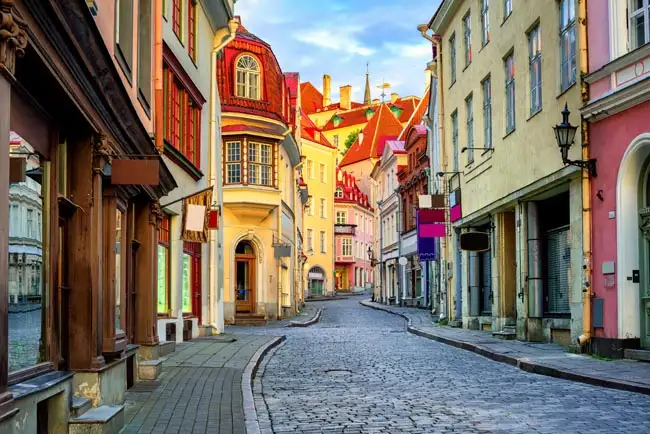
- Tallinn's medieval quarter
- Helsinki's rock church
- Stockholm's Vasa Museum and Nobel Prize halls
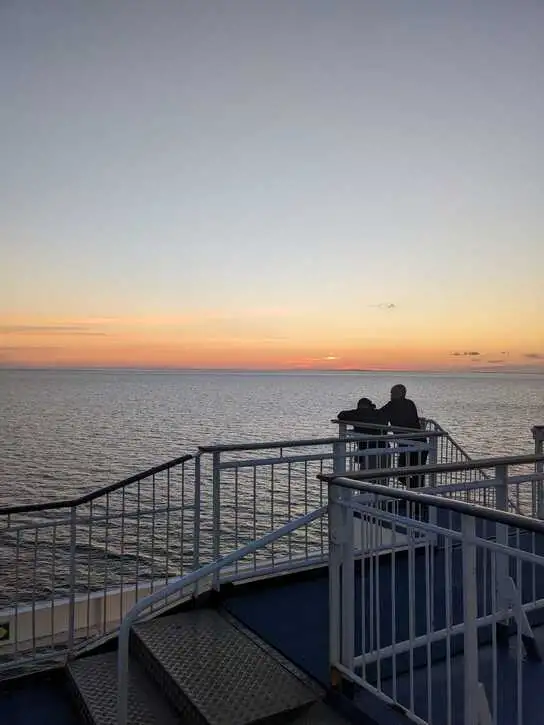
- Overnight Baltic ferries
- Copenhagen's royal castles
- Oslo's Viking ships
- Flåm Railway and Nærøyfjord cruise
- Bergen's Hanseatic wharf
- Singles friendly (view options for single travellers)
From Vilnius's baroque Old Town to Bergen's Hanseatic waterfront, we explore how centuries of occupation forged defiant Baltic cultures before crossing into Nordic capitals where Nobel Prize halls, Viking ships, and rock-hewn churches reveal a different northern story. Baltic highlights include Trakai's island castle, the Hill of Crosses where devotional symbols defied Soviet suppression, Rundale Palace's Baroque magnificence, Riga's 800+ Art Nouveau buildings, and Tallinn's UNESCO-protected medieval ramparts.
Sailing overnight ferries through archipelagos, we discover Helsinki's modern design, Stockholm's Gamla Stan across 14 islands, Copenhagen's royal palaces, Oslo's Viking Ship Museum and Vigeland sculptures, and Norway-in-a-Nutshell—combining Europe's most dramatic mountain railway with a cruise through UNESCO-protected Nærøyfjord where waterfalls cascade 1,400 metres (4,593 feet) down sheer cliffs. The tour concludes in Bergen's seven-mountain harbour, offering a richly rewarding journey through resilience and splendour.
- MealsSavour authentic flavours with included daily breakfasts and dinners at handpicked local restaurants—immersing you in local cuisine without worrying about reservations or budgets.
- Transport & Logistics
Private air-conditioned coaches and included internal ferries and flights—ensuring hassle-free travel so you can focus entirely on the discoveries ahead.
"Adventures Abroad tour leader's management and guest services managed the tour with great skill and dedication. The tour leader was on top of every move and transfer. We have not experienced any issues with logistics and had a great time."
~ JULIA O"The tour leader did an excellent job coordinating some difficult travel logistics, power outage issues and resolving problems and dealing with guests who had unrealistic expectations."
~ CYNTHIA COLLINS - Expert Guidance
Unlock insider secrets at every landmark with your full-time Tour Leader and expert local guides , all gratuities covered—no hidden tipping surprises—so you immerse fully in your destination's stories, worry-free. (Except for the tips to your tour leader at the end of your tour.)
"Amazing tour guide. Our tour guide was very well organized, Her passion, knowledge, and enthusiasm completely transformed the travel experience into something truly unforgettable..."
~ MELANIE LEMAIRE"Highly recommend every trip with Adventures Abroad. It's a well organized and well thought out adventure. The tour leaders are friendly, knowledgeable and experienced professionals. Highly recommend this company."
~ SUSAN WALL - Sightseeing & EntrancesAll entrance fees for sites visited as per the itinerary—no hidden costs—so you can explore ancient ruins and excursions with complete peace of mind.
- AccommodationsUnwind in clean, well-located 3 to 4-star hotels with private en suite facilities—handpicked for comfort and convenience after each day's discoveries—so you can rest easy knowing your stay supports the real adventure, not steals the spotlight.
- Small Group
Discover the world in small groups of up to 18 travellers plus your expert Tour Leader—unlocking spontaneity, off-the-beaten-path adventures, and genuine connections at a relaxed pace, free from crowds.
"Looking Forward to My Next Adventure The best feature of the Adventures tour was the small size that allowed the group to quickly load up, let everyone get acquainted within the first 24 hours, capitalize on unplanned surprises along..."
~ PHILIP BLENSKI"Good value for a great time I have traveled with Adventures Abroad for over 20 years now. Well thought out, interesting itineraries and the other travelers congenial and friendly. The price always seems fair and overall a..."
~ Trusted Customer - Airport Transfers For Land & Air CustomersWe handle hassle-free airport transfers for all our land and air tour customers—plus early arrivals or late departures when you book extra hotel nights directly with us for added peace of mind.
- International airfare to/from the tour.
- Tour Leader gratuities, lunches, drinks, personal items (phone, laundry, etc), international air taxes (if applicable), excursions referenced as 'optional'.
- Airport transfers for Land Only customers.
- Seasonality and Weather:
May and June bring pleasant spring weather—Baltic States offer mild conditions with lighter crowds while Nordic countries experience lengthening days and blooming parks, perfect for exploring without peak-season congestion. July delivers warmest temperatures and peak tourist season, but also Scandinavia's signature long daylight hours—evening strolls through Stockholm's waterfront or watching Bergen's harbour sunset well past 10 PM. Both periods provide comfortable conditions for the substantial walking this tour requires across Baltic medieval towns and Nordic capitals. Pack layers for variable conditions across both regions. - Transport and Travel Conditions:
Land transport throughout by private air-conditioned motor coach, 24-36 seats depending on ultimate group size (see 'group size'). Though we will have a couple of full bus days there are plenty of stops of interest.
Past passengers have commented on the considerable amount of walking on this itinerary. Though we do not rate this tour "strenuous", it is a busy program with numerous city/town walking tours featuring uneven surfaces, inclines and/or stairs. You must be able to spend several hours on your feet per day, walking at a leisurely pace. There may not be porters available in all locations. We also make use of public transit in some cities in order to maximize sightseeing where vehicles are impractical (most people quite enjoy this insight into daily life).
For information on our overnight ferries, see "Accommodation."
Am I suitable for this tour? Please refer to our self-assessment form - Activity Level: 2
These are particularly busy tours that feature a lot of moving around, sometimes by train and short journeys on local transport. Walking tours of towns and cities are leisurely but you should be prepared to be on your feet for several hours. Some of our cultural trips that occur at high altitude and/or require greater independence with baggage handling (at hotels, airports, train stations) also fall into this category.
To learn more about the Activity levels, please visit our tour styles page. - Accommodation:
Well-located, air-conditioned, mid-upper range hotels (3-4star) throughout. Porter service is usually available though you should be independent with your luggage. Single rooms are limited in number and likely smaller than twins.
Our overnight ferries feature cozy outside cabins with low beds (ie not bunks) and en-suite washroom. For information see "Map & Hotels" tab - Staff and Support:
Tour Leader throughout, driver, local step-on guides in various locales. - Group Size:
Maximum 18 plus Tour Leader
- Day 1:Arrival in VilniusArrival in Vilnius, capital of Lithuania. The city's Old Town, included on UNESCO's World Heritage list in 1994, encompasses nearly 1,500 historic buildings spanning several centuries of architectural styles. With just over 500,000 inhabitants, Vilnius maintains an intimate, walkable character despite its cosmopolitan atmosphere.
This evening we gather with fellow travellers for our first meal together.
Overnight in Vilnius. 
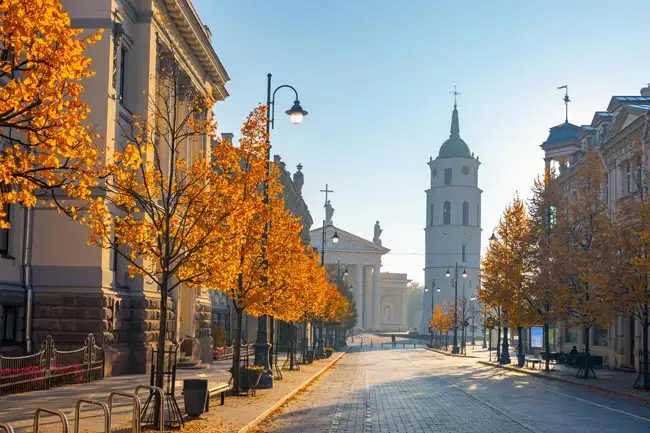
Included Meal(s): Dinner, if required - Day 2:Vilnius: City TouringVilnius carries its complicated history on its sleeve — and our walking tour doesn't look away from any of it. We begin at Cathedral Square, where the chapel of Saint Kazimieras represents the ornate early Baroque that flourished here under Polish influence. Behind the square rises Gedimino Tower, remnant of the 14th-century defensive system that once protected a city already contested by German knights, Russian princes, and Lithuanian dukes simultaneously. The Gates of Dawn — last of nine original city gates — lead us into the Jewish Quarter, whose cobblestone lanes and hidden courtyards were once the heart of a community that made Vilnius one of the great centres of Jewish scholarship in Europe. The Soviet occupation ended that, as it ended much else.
The afternoon is free for independent exploration. The self-proclaimed republic of Uzupis — Vilnius's bohemian artistic district, which declared independence on April Fool's Day 1997 and has its own constitution, anthem, and cabinet ministers — offers a characteristically Lithuanian response to the idea of occupation: irreverence as resistance. The KGB Museum, known to Lithuanians as the Museum of Genocide Victims, offers the more direct version. The building stands exactly as the KGB left it in 1991 — interrogation rooms, cells, and execution chamber intact — a monument to fifty years of Soviet occupation that no reconstruction could improve upon.
Overnight in Vilnius. 
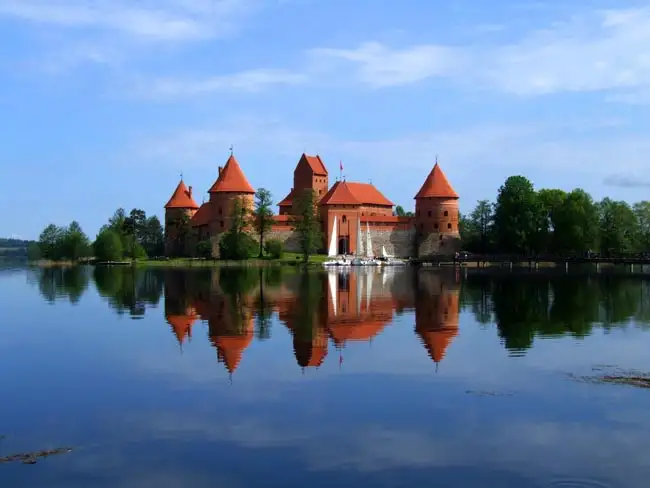
Included Meal(s): Breakfast and Dinner - Day 3:Vilnius - Trakai - Kaunas - KlaipedaWe depart Vilnius for the coast, stopping first at Trakai, Lithuania's medieval capital. The town occupies a peninsula between several lakes, its island castle — built to defend against the Teutonic Knights — reflected in water on all sides. Trakai is also home to the Karaim, a Turkic people brought here from Crimea by Grand Duke Vytautas in the late 14th century, whose yellow wooden prayer house still stands and whose community still gathers, one of the smallest and most improbable surviving minorities in Europe.
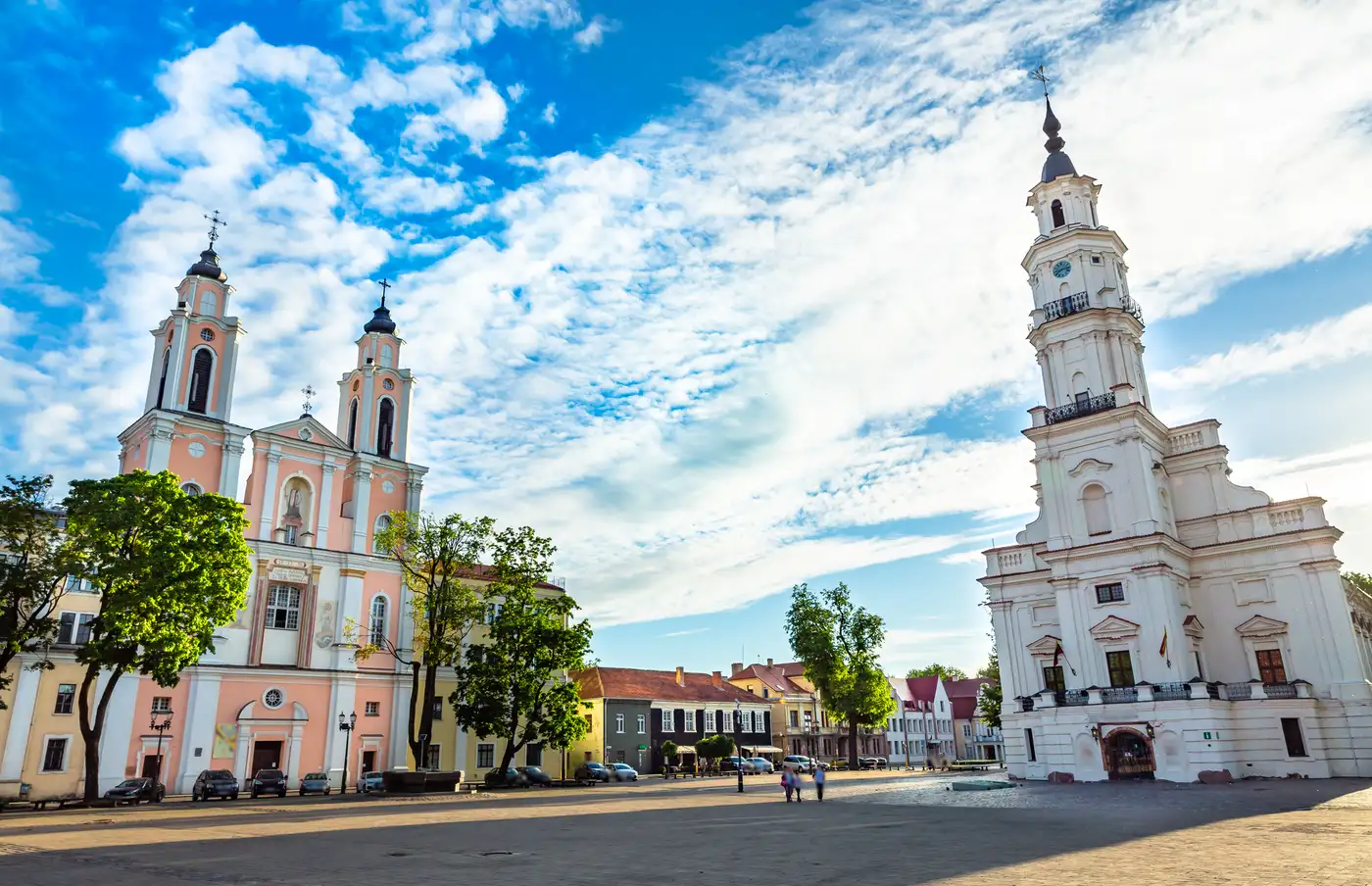
We continue to Kaunas, Lithuania's second city and its interwar capital — a status thrust upon it when Vilnius was annexed by Poland between 1920 and 1939. The handsome Old Town square and its Gothic town hall speak to a city that made the best of an awkward situation and has been quietly underrated ever since. We stop here for lunch before continuing west to the coast.
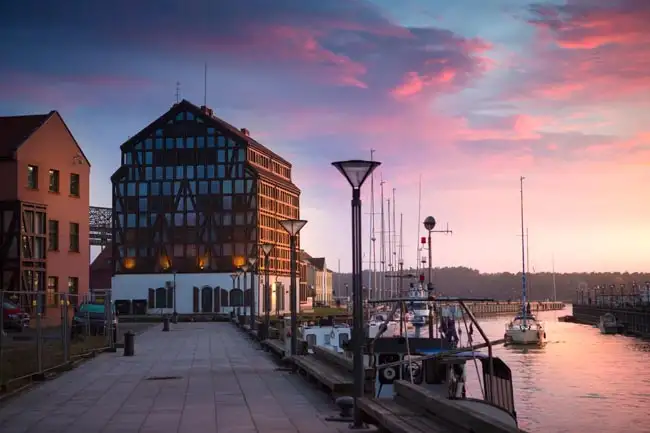
By late afternoon we reach Klaipeda, Lithuania's only port city. Known as Memel until 1923 — and seized by Nazi Germany as late as 1939 — the city's Germanic past is written into its half-timbered Old Town architecture. An evening stroll through the cobblestone streets introduces a city that has changed hands more times than most, and worn each identity with varying degrees of willingness.
Overnight in Klaipeda. 
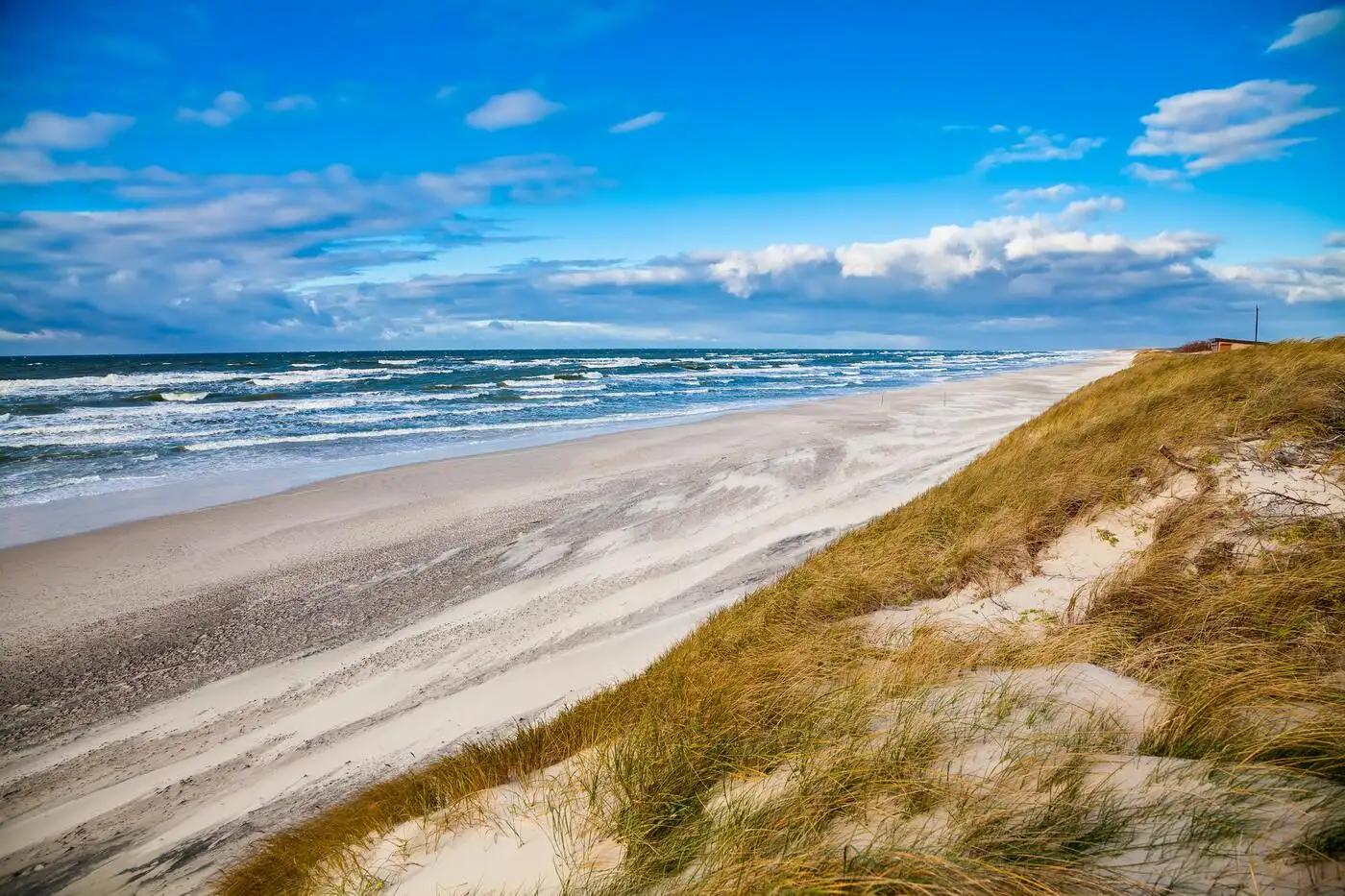
Included Meal(s): Breakfast and Dinner - Day 4:Klaipeda & the Curonian SpitThis morning we take a ferry across the lagoon to Curonian Spit National Park, a UNESCO World Heritage site. This narrow, 98-kilometre sand peninsula separates the Curonian Lagoon from the Baltic Sea, shaped over millennia by wind, waves, and human intervention.
The spit's massive sand dunes—some reaching 60 metres in height—have buried entire villages over the centuries. At Juodkrantė we walk through the Hill of Witches sculpture trail, where wooden carvings depict characters from Lithuanian folklore. The village itself sits beneath forested dunes, its traditional fishermen's houses painted in distinctive colours.
The Russian border lies just beyond the spit's northern end at Nida. We learn about the region's amber industry—the Baltic coast has supplied this fossilized resin for thousands of years—with a visit to a local amber museum. The exhibits explain how amber forms, its historical trade routes, and its uses from ancient jewelry to modern applications.
We return to Klaipeda by ferry in late afternoon.
Overnight in Klaipeda. 
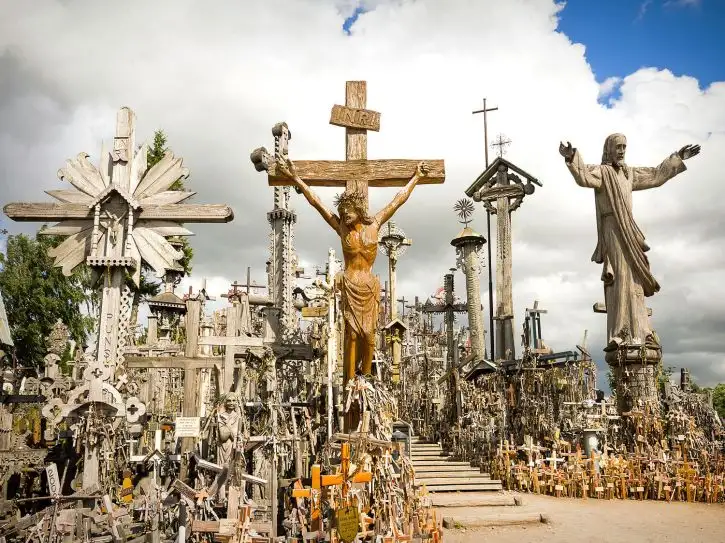
Included Meal(s): Breakfast and Dinner - Day 5:Klaipeda - Hill of Crosses, Lithuania - Rundale Palace, Latvia - RigaLeaving the coast, we travel inland to the Hill of Crosses near Siauliai — and arrive at the tour's most quietly devastating site. This is not a grand monument. It is a modest hill, unremarkable in scale, covered in crosses placed here over more than a century by ordinary people: pilgrims, grieving parents, resistance fighters, newlyweds seeking blessing. During the Soviet occupation authorities bulldozed the hill three times. Each time, the crosses reappeared. The hill today holds hundreds of thousands of them, and new ones arrive daily. It is one of the most eloquent arguments for the persistence of identity under pressure that exists anywhere in Europe.
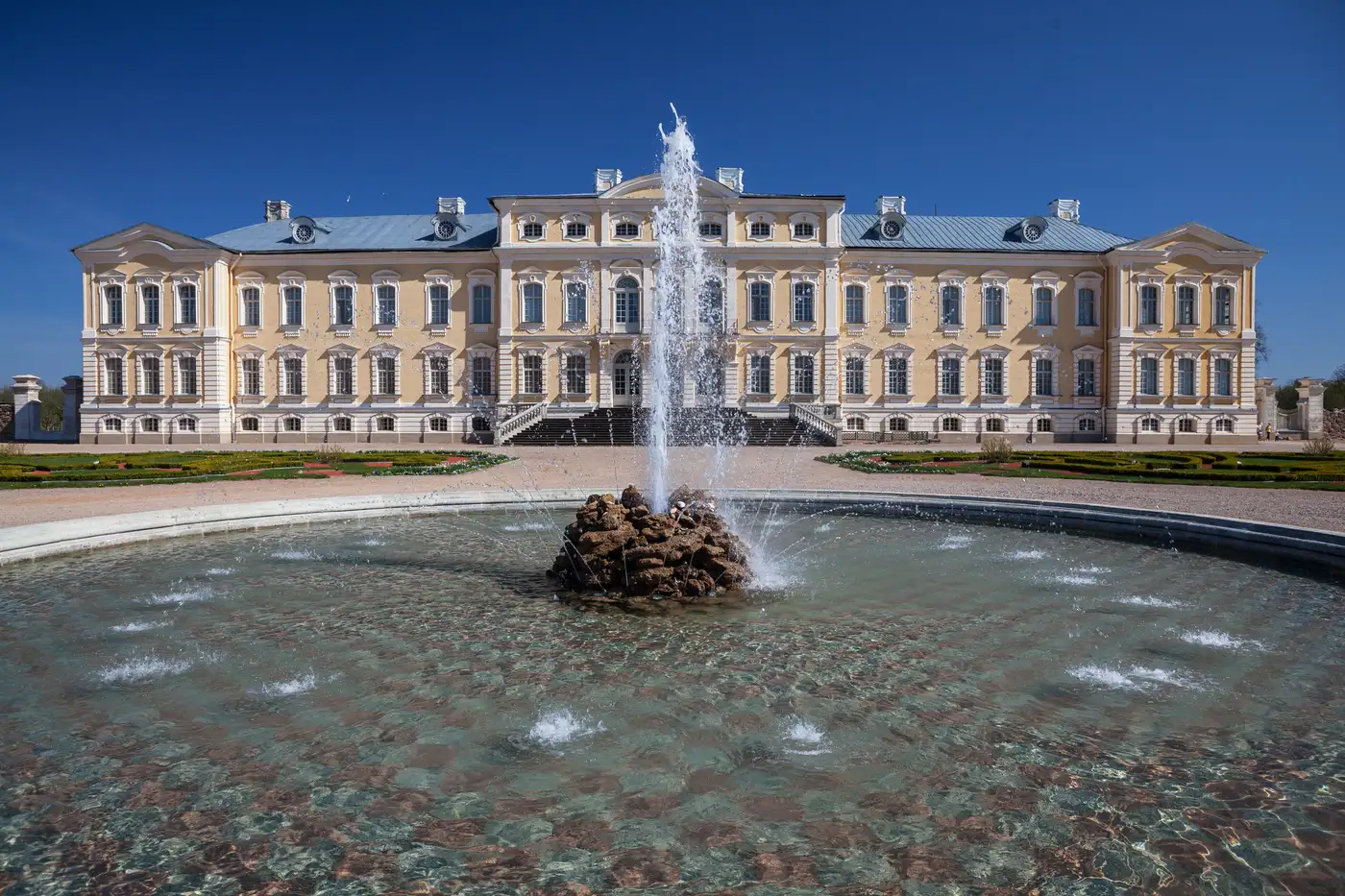
Crossing into Latvia we visit Rundale Palace, designed by Bartolomeo Rastrelli — the architect of St. Petersburg's Winter Palace — and completed in 1768. The contrast with the Hill of Crosses is deliberate: this is empire at its most confident and decorative, crystal chandeliers and silk wallpaper and frescoes by Italian artists, built for the Duchy of Courland at the precise moment the Baltic nations were losing their independence to imperial Russia. We tour the state rooms before continuing to Riga.
Overnight in Riga. 
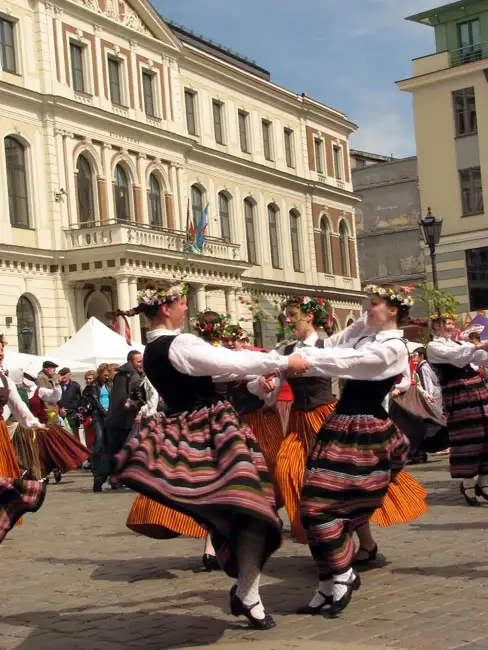
Included Meal(s): Breakfast and Dinner - Day 6:Riga’s Old Town: Walking TourRiga's Old Town is a layered document of everything this city has been — Hanseatic trading post, Swedish garrison town, Russian imperial capital, briefly independent republic, Soviet industrial centre — and our walking tour reads it carefully. We begin at the Freedom Monument, erected in 1935 to honour those who fought for Latvian independence, and maintained through the Soviet decades as a quiet act of defiance by a population that placed flowers here at considerable personal risk.
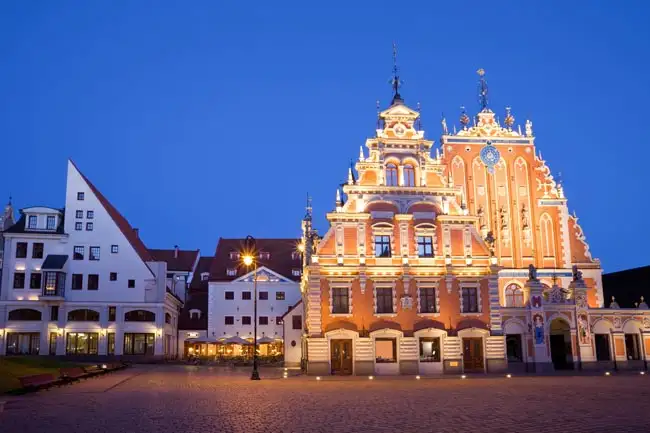
Walking through the Old Town, we pass the Powder Tower — remnant of the medieval city walls — and St. Peter's Church, whose 123-metre Gothic spire has dominated the skyline since 1209. The Three Brothers, three adjoining houses from the 15th, 17th, and 18th centuries respectively, represent the city's oldest residential architecture and a compressed history of how building styles evolved as Riga changed hands. At Town Hall Square the House of the Blackheads — built for a guild of unmarried German merchants in the 14th century, destroyed in World War II, meticulously rebuilt — raises the question this city forces on you: when everything has been destroyed and reconstructed, what exactly is being preserved? The Swedish Gate offers a characteristically understated answer: a small archway through what looks like an ordinary row of houses, easy to miss, hiding in plain sight.
The afternoon is free to explore Riga independently.
Overnight in Riga. 
Included Meal(s): Breakfast and Dinner - Day 7:Riga Touring ContinuedWe begin at Riga's Central Market, housed in five former Zeppelin hangars from World War I — repurposed with the pragmatic ingenuity that characterises this city — where vendors sell fresh produce, smoked fish, local cheeses, and traditional Latvian foods. The scale is extraordinary; this is one of Europe's largest markets, and it functions as a genuine cross-section of Latvian daily life rather than a tourist attraction.
From the market we walk to the Art Nouveau district centred on Alberta Street. Riga contains over 800 Art Nouveau buildings — the highest concentration in Europe — built during a period of extraordinary economic prosperity at the turn of the 20th century. The Art Nouveau Museum occupies a restored apartment that recreates those early years with unsettling precision: a world of elaborate organic ornament and bourgeois confidence that the events of 1914 would begin to dismantle and 1940 would finish entirely. Walking these streets knowing what came next gives the architecture a particular weight.
Our tour continues to the area where Riga's Jewish ghetto stood during the Nazi occupation. The outdoor Ghetto Museum documents this period through preserved structures and individual stories — faces and names rather than statistics. The contrast with the Art Nouveau streets a few blocks away is the point: the same city, the same years, two entirely different experiences of what it meant to live here.
We visit the Academy of Sciences observation deck — a Stalinist wedding cake of a building, Soviet ambition rendered in stone — for panoramic views across a skyline that tells the whole story at once: medieval spires, Art Nouveau facades, Soviet monuments, and the glass towers of the post-1991 republic, all visible simultaneously.
Overnight in Riga. 
Included Meal(s): Breakfast and Dinner - Day 8:Riga - Ligatne - Cesis, Latvia - Tallinn, EstoniaThis morning we depart Riga and travel north toward Estonia, stopping first at Sigulda in the Gauja River valley. Known as "Latvian Switzerland" for its forested hills and river gorge, the area contains several medieval castles. We visit the ruins of Turaida Castle, built by the Bishop of Riga in 1214, which offers views across the valley from its restored brick tower.
Continuing north, we reach Cēsis, a medieval market town with origins in the 13th century. The cobblestone streets wind between timber-framed houses and the imposing ruins of Cēsis Castle. The castle, constructed by the Livonian Order of knights, played a central role in the region's medieval history. We have time for lunch and a walk through the compact Old Town.
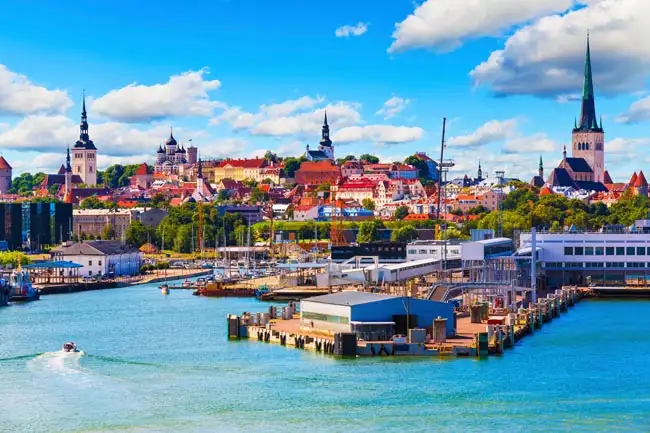
By late afternoon we cross into Estonia and proceed to Tallinn, the capital. The city's Old Town, remarkably preserved despite numerous invasions and fires over eight centuries, gained UNESCO World Heritage status in 1997. Its medieval walls, towers, and merchant houses remain largely intact, creating one of Europe's best-preserved historic quarters.
Overnight in Tallinn. 
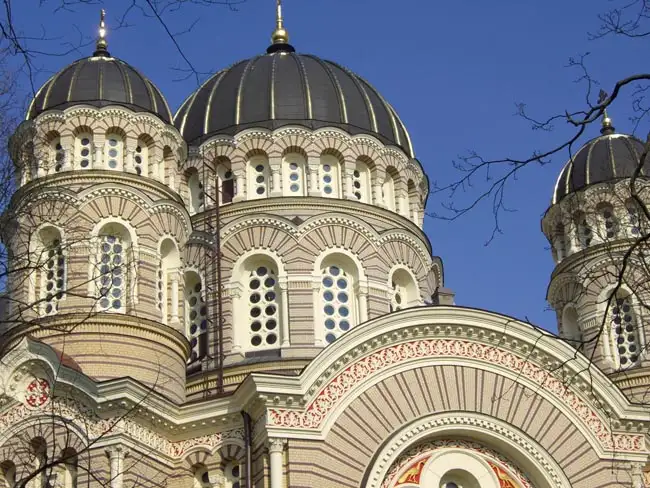
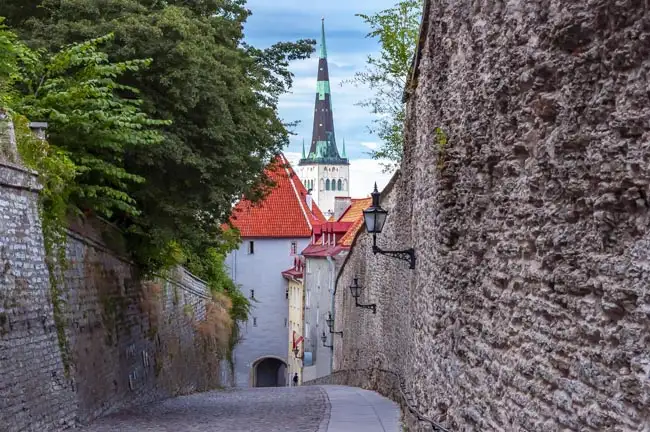
Included Meal(s): Breakfast and Dinner - Day 9:Tallinn Morning Walking Tour & Leisure TimeTallinn's Old Town is the best-preserved medieval city in Northern Europe — and it knows it, wearing its UNESCO status with the quiet confidence of a place that has survived eight centuries of invasion, occupation, and transformation without losing its essential character. Our walking tour begins at the Alexander Nevsky Cathedral, its Russian Orthodox onion domes deliberately placed atop Toompea Hill by Tsarist authorities in 1900 as a statement of imperial permanence. The statement proved premature by eighteen years.
We continue to Toompea Castle, where Estonia's parliament now meets in a building that has housed the governing authority of whatever power happened to control Tallinn at any given moment — Danish, Swedish, Russian, Soviet, and finally Estonian. The pink Baroque facade was added in the 18th century; the foundations are 13th-century limestone. Nearby, Toomkirik cathedral dates to 1233 and contains the carved coats of arms of the Baltic-German nobility who once dominated the region — a reminder that occupation takes many forms, and that the most durable kind arrives with letters of introduction.
Descending to the Lower Town, we pass the Town Hall — completed in 1404, the only surviving Gothic town hall in Northern Europe — and the Holy Spirit Church with its 14th-century clock, still keeping time. At the medieval Town Hall Pharmacy, operating continuously since at least 1422, we see displays of historical remedies and instruments. The afternoon is yours to wander the Old Town's narrow lanes or venture to Kadriorg Park, where Peter the Great built a Baroque palace for his wife Catherine — another empire, another statement of permanence, another building that outlasted its ambitions.
Overnight in Tallinn. 
Included Meal(s): Breakfast and Dinner - Day 10:Tallinn, Estonia - Helsinki, FinlandThis morning we board the ferry from Tallinn to Helsinki, a two-hour journey across the Gulf of Finland. Have your passports ready for border formalities.
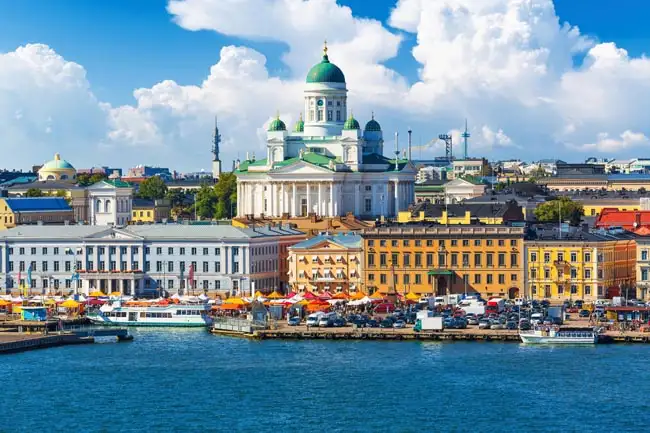
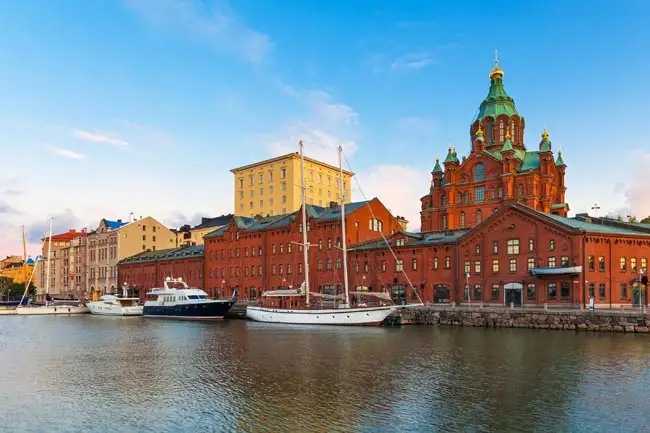
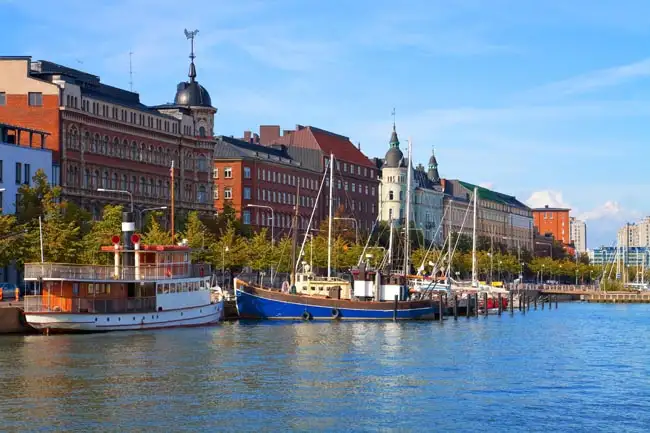
Helsinki occupies a peninsula at the head of a large bay, surrounded by an archipelago of 315 islands. The city's location between Stockholm and St. Petersburg shaped its development as a strategic trading port. Founded by Sweden's King Gustav Vasa in 1550 as Helsingfors (the name still used in Swedish), the settlement remained modest until Russia conquered Finland in 1809 and made Helsinki the capital of the new Grand Duchy in 1812.
Upon arrival we begin a walking orientation tour of central Helsinki, getting our bearings in this compact, walkable city.
Overnight in Helsinki. 
Included Meal(s): Breakfast and Dinner - Day 11:Helsinki: City TourThis morning we explore Helsinki's central districts on foot. The walking tour takes us through the historic centre and diplomatic quarter, past the Presidential Palace, City Hall, and Parliament building. At Senate Square we see the Lutheran Cathedral, designed by Carl Ludvig Engel in the 1830s. The square's neoclassical buildings—all by Engel—represent Russia's effort to create an impressive capital for Finland after 1812.
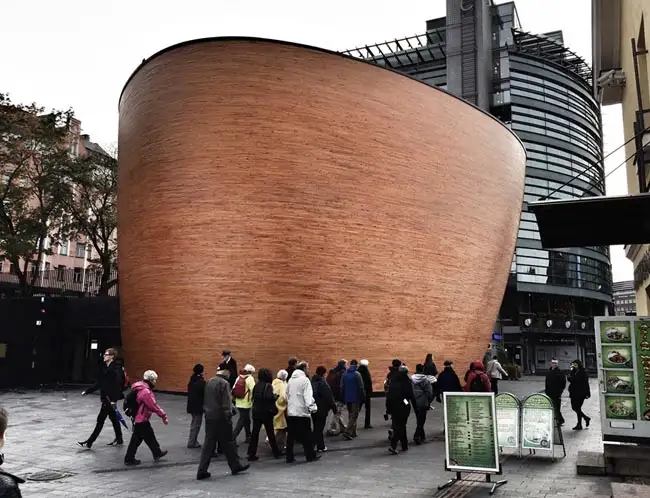
We visit Temppeliaukio Church, a striking modern structure built directly into solid rock in 1969. The church's dome consists of copper and glass, allowing natural light to illuminate the rough-hewn stone walls. The space doubles as a concert hall, its acoustics enhanced by the natural rock surfaces.
The afternoon is free for independent exploration. Helsinki's compact size makes it easy to navigate on foot. The harbour market operates daily, selling fresh produce, fish, and handicrafts. Those interested in modern architecture might visit the Oodi Helsinki Library, completed in 2018. The building occupies a prominent site facing Parliament, with a large public terrace on its roof offering views across the city.
Overnight in Helsinki. 
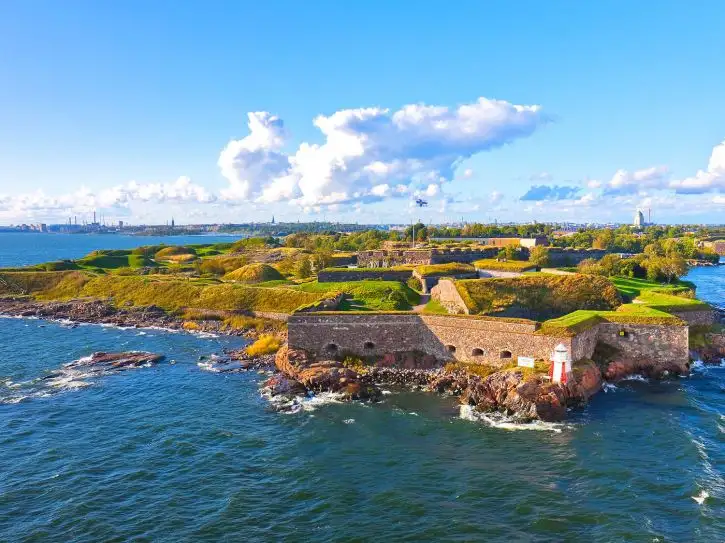
Included Meal(s): Breakfast and Dinner - Day 12:Free time in Helsinki / Ferry to SwedenThe morning is free to explore Helsinki independently. A popular option is the ferry to Suomenlinna, a sea fortress built across six islands starting in 1748 when Finland was part of Sweden. The fortress represents an outstanding example of 18th-century military architecture and is a UNESCO World Heritage site. The ferry departs from the Market Square every 15-20 minutes and takes about 15 minutes. Suomenlinna is best explored on foot at your own pace—your Tour Leader will provide directions during yesterday's tour.
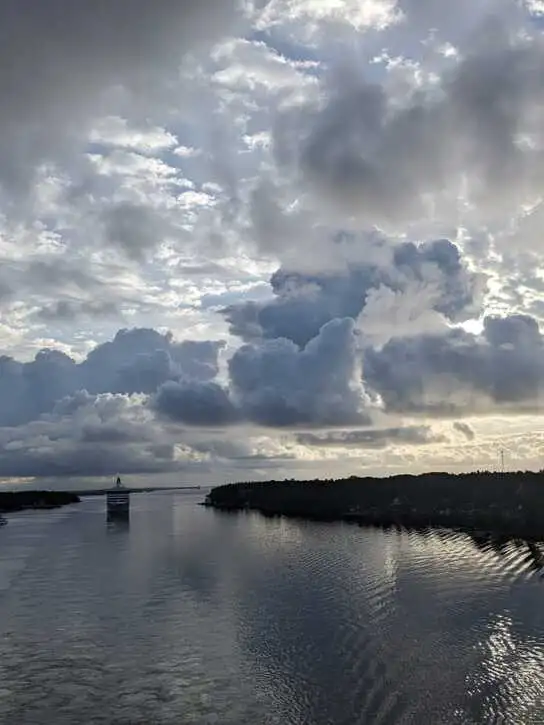
This afternoon we board our overnight ferry to Stockholm. The vessels on this route feature restaurants, duty-free shops, and entertainment facilities. Our cabins have low beds (not bunks) and ensuite washrooms. Dinner is served on board as we cruise through the Stockholm archipelago.
Overnight ferry. 
Included Meal(s): Breakfast and Dinner - Day 13:Stockholm: Old Town & Vasa MuseumAfter our morning arrival in Stockholm, we check into our hotel (or put our luggage in storage) and have a break before beginning our afternoon walking tour.
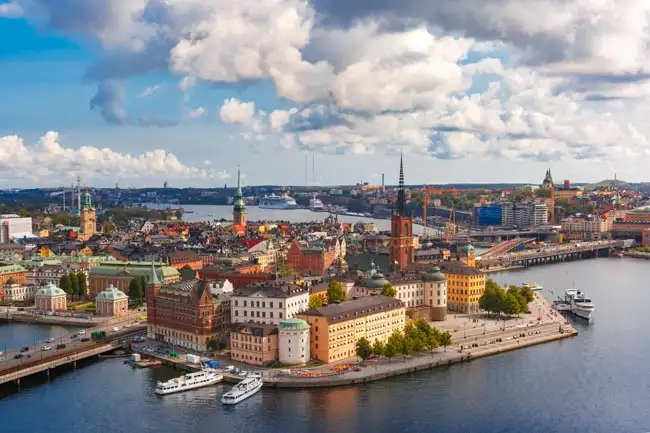
Stockholm occupies 14 islands where Lake Mälaren meets the Baltic Sea. Three islands—Riddarholmen, Staden, and Helgeandsholmen—form the Old Town, a concentration of 17th and 18th-century buildings fronting narrow medieval lanes.
We begin at Stockholm City Hall, completed in 1923. The building has hosted the Nobel Prize banquet since 1930. Our guided tour includes the Blue Hall, where the banquet takes place, and the Golden Hall with its 18 million gold-mosaic tiles depicting Swedish history.
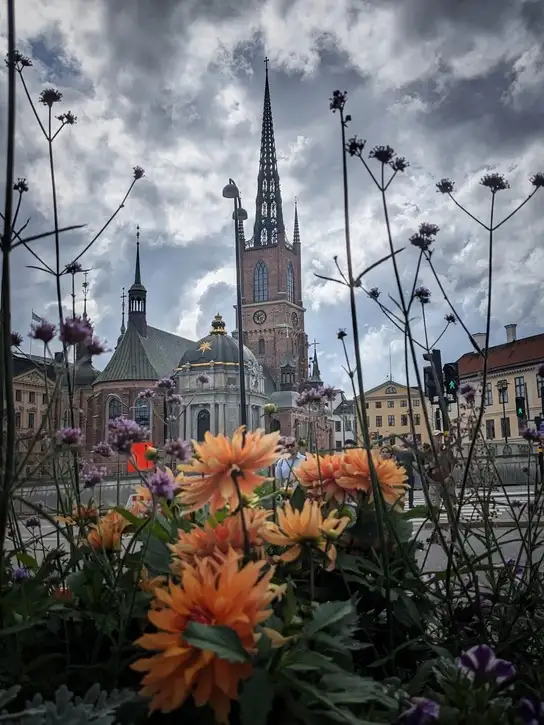
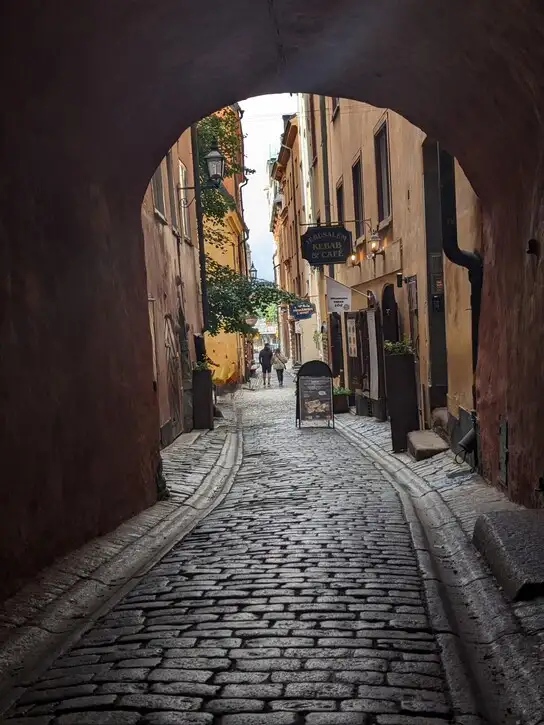
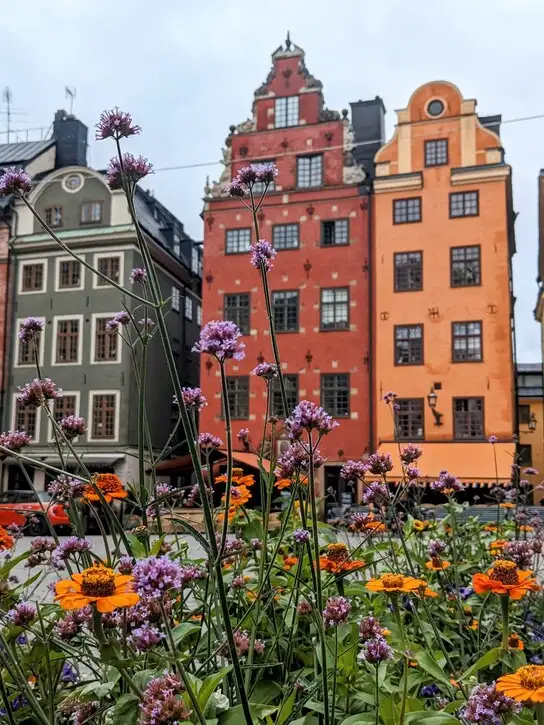
Crossing to Gamla Stan (Old Town), we walk the cobblestone streets between buildings painted in ochre, rust, and gold tones. The Royal Palace, one of Europe's largest with over 600 rooms, dominates the waterfront. We pass St. Nicholas Church (Storkyrkan), Stockholm's oldest church from the 13th century, and Riddarholm Church, where Swedish monarchs have been buried since the 16th century. At Stortorget, the Old Town's main square, the Nobel Museum occupies the former stock exchange building.
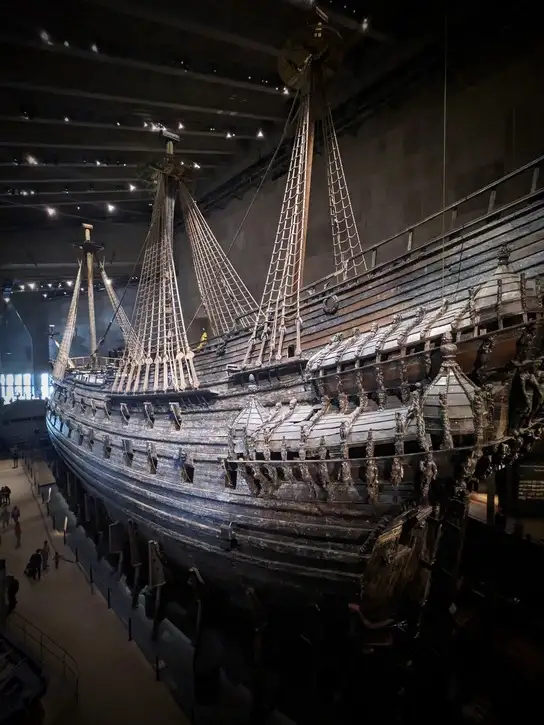
From Gamla Stan we take a short ferry to Djurgarden island for the Vasa Museum. The museum houses a 17th-century warship that sank on its maiden voyage in Stockholm harbour in 1628. Salvaged in 1961 after 333 years underwater, the Vasa is the world's only preserved 17th-century ship. The vessel stands 69 metres tall in the museum's purpose-built hall, its carved decorations and original paint remarkably preserved. Exhibits explain the ship's construction, its catastrophic sinking, and the salvage operation.
After our visit, we return to the hotel by public transport.
Overnight in Stockholm. 
Included Meal(s): Breakfast and Dinner - Day 14:Stockholm: Boat Tour & Leisure TimeThis morning we board a boat for a 50-minute tour through Stockholm's waterways. Departing near City Hall, the cruise winds through the channels between islands, offering views of the city from the water. We pass Kungsholmen island with its waterfront promenades, and the smaller islands of Langholmen and Reimersholme. The guide explains Stockholm's development from a 13th-century settlement controlling trade routes between Lake Malaren and the Baltic, to its current status as Sweden's capital and largest city.
The afternoon is free to explore Stockholm independently. The Old Town rewards further wandering, with shops, cafes, and galleries tucked along its lanes. Djurgarden island contains several museums and extensive parkland. The Kungstradgarden, a popular city park, often hosts outdoor events and concerts during summer.
Overnight in Stockholm. 
Included Meal(s): Breakfast and Dinner - Day 15:Stockholm, Sweden - Fly to Copenhagen, DenmarkThis morning we fly to Copenhagen, Denmark's capital. After arriving and checking into our hotel, we begin exploring the city.
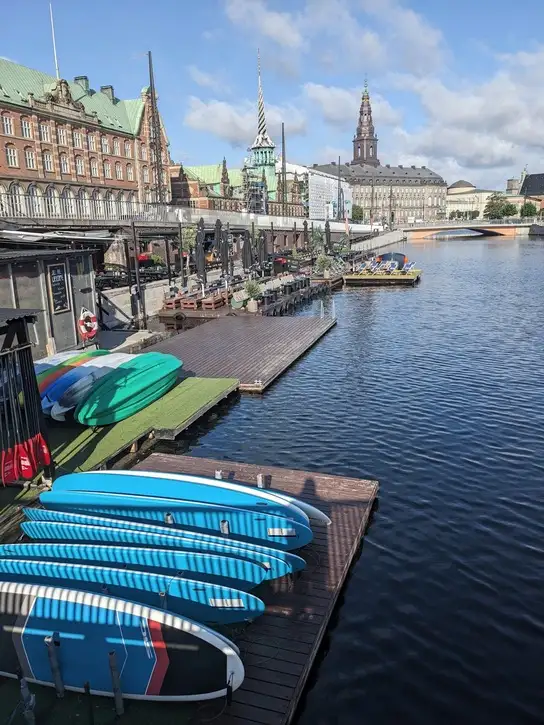
We start with a one-hour canal cruise that provides an overview of Copenhagen's layout and landmarks. The boat glides through the historic harbour, past Amalienborg Palace where the Danish royal family resides, and Christiansborg Palace, which houses Denmark's parliament. The canals also reveal Copenhagen's maritime heritage—the city has been an important Baltic trading port since medieval times. We pass the Little Mermaid statue, created in 1913 and inspired by Hans Christian Andersen's fairy tale, sitting on a rock at the harbour entrance.
Overnight in Copenhagen. 
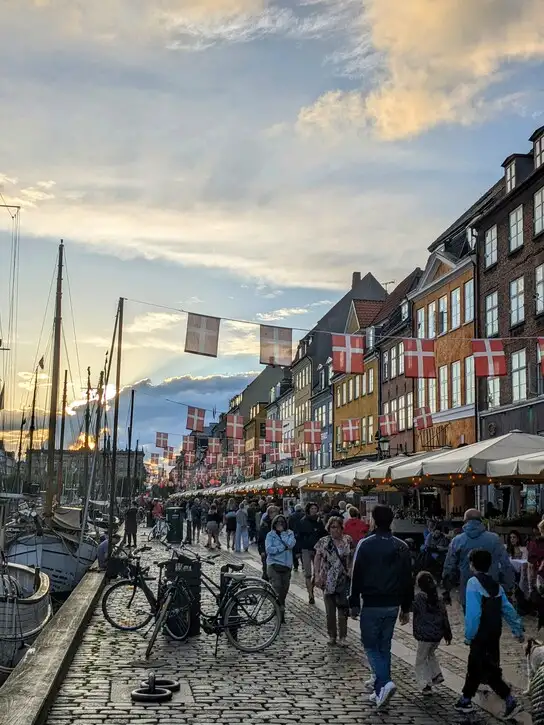
Included Meal(s): Breakfast and Dinner - Day 16:Copenhagen: City TouringThis morning we walk through Copenhagen's historic centre, beginning at Nyhavn. This canal-side district, lined with 17th-century townhouses painted in bright colours, once served as the city's main commercial harbour. Hans Christian Andersen lived in several of these houses during his years in Copenhagen—you can visit the museum dedicated to his life during free time.
From Nyhavn we walk to Amalienborg Palace, the royal family's winter residence. Four identical Rococo palaces face an octagonal courtyard, completed in the 1750s as mansions for noble families before becoming the royal residence after Christiansborg Palace burned in 1794.
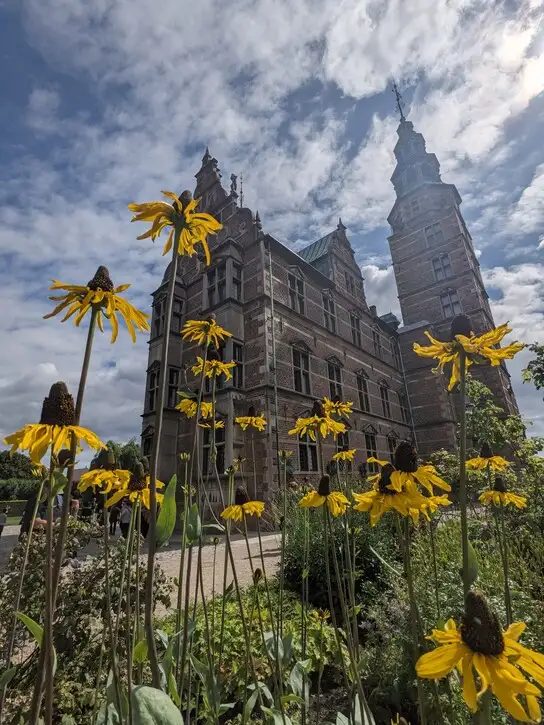
We continue to Rosenborg Castle, built by King Christian IV in the early 17th century as a summer residence. The castle now houses the Danish crown jewels and royal regalia, including the crown used at coronations since 1671. The surrounding King's Garden provides a green space in the city centre, popular with locals during warm weather.
The afternoon is free. Copenhagen's National Museum, located in a former palace, contains extensive collections on Danish history and ethnography. The museum is free to enter and makes an excellent rainy-day option.
NOTE: The sequence of Copenhagen sightseeing may vary depending on weather, hotel location, and logistical considerations.
Overnight in Copenhagen. 
Included Meal(s): Breakfast and Dinner - Day 17:Copenhagen: City Tour - Overnight Ferry to OsloThis morning we visit Christiansborg Palace, which houses Denmark's parliament, prime minister's office, and Supreme Court. The current palace, completed in 1928, stands on a site that has held a fortress or palace since 1167. The two previous buildings on this site both burned—in 1794 and 1884. We tour the Royal Reception Rooms, used for state functions and royal audiences, which showcase Danish craftsmanship in their tapestries, chandeliers, and furnishings.
If time permits before our ferry departure, you might visit the Ny Carlsberg Glyptotek, founded by beer magnate Carl Jacobsen. The museum contains significant collections of ancient Mediterranean art and 19th-century European painting and sculpture, housed in a building with a large winter garden at its centre.
This afternoon we board the evening ferry for the overnight journey to Oslo. The route crosses the Kattegat and Skagerrak straits between Denmark and Norway. Our cabins provide ensuite facilities and comfortable sleeping arrangements. The vessel includes restaurants, shops, and deck spaces for watching the coastline. Dinner is served on board.
Overnight ferry. 
Included Meal(s): Breakfast and Dinner - Day 18:Arrival in Oslo: City TouringThe final 90 minutes of the ferry journey offers excellent views as we enter Oslofjord. The ship passes Drøbak fortress and numerous islands with summer cottages before docking near Oslo's city centre. Our coach and guide will meet us at the terminal to begin sightseeing directly from the port.
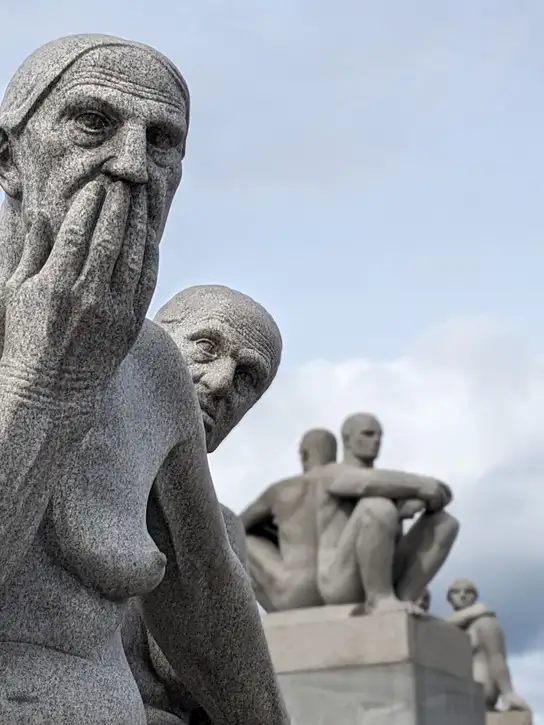
We visit Vigeland Sculpture Park, the life work of Norwegian sculptor Gustav Vigeland (1869-1943). The park contains over 200 sculptures in bronze, granite, and wrought iron, all by Vigeland, arranged along a central axis. The Monolith, carved from a single piece of granite, rises 14 metres and depicts 121 human figures climbing toward the summit.
We continue to the Norwegian Folk Museum, an open-air collection of over 150 historic buildings relocated from across Norway. The museum includes urban houses, farm buildings, and the Gol Stave Church, a wooden church from around 1200 demonstrating medieval construction techniques. Buildings are arranged to show regional variations in Norwegian architecture and living conditions from the 16th through 19th centuries.
Our tour includes a stop at the Opera House, completed in 2008. The building's angled white roof slopes directly into the harbour, designed to be walked on as a public space. From the roof we have views across the harbour toward the city centre.
After checking into our hotel, the remainder of the day is free. The Karl Johans gate, Oslo's main street, connects the Royal Palace to the central station and contains shops, cafes, and the National Theatre.
NOTE: Hotel rooms will not be available when we dock in the morning. Large luggage remains secured on the coach while we tour; prepare a day-pack with items you'll need.
Overnight in Oslo. 
Included Meal(s): Breakfast and Dinner - Day 19:Oslo: Area SightseeingThis morning we walk to Oslo City Hall, completed in 1950. The building's main hall contains murals by Norwegian artists depicting the country's history, industry, and culture. The Nobel Peace Prize ceremony takes place in this hall each December.
From City Hall we take a short ferry across the harbour to Bygdøy peninsula, where several of Oslo's museums are located. We visit the Viking Ship Museum, which houses three vessels excavated from burial mounds along Oslofjorden. The ships date to around 850 AD and provide the world's best-preserved examples of Viking Age shipbuilding. The Oseberg ship, the largest and most ornate, contained a queen's burial with numerous grave goods.
We also visit the Fram Museum and Kon-Tiki Museum. The Fram Museum houses the ship used by Norwegian polar explorers Fridtjof Nansen and Roald Amundsen for Arctic and Antarctic expeditions between 1893 and 1912. The Kon-Tiki Museum displays the balsa raft Thor Heyerdahl sailed from Peru to Polynesia in 1947, demonstrating the feasibility of pre-Columbian trans-Pacific contact.
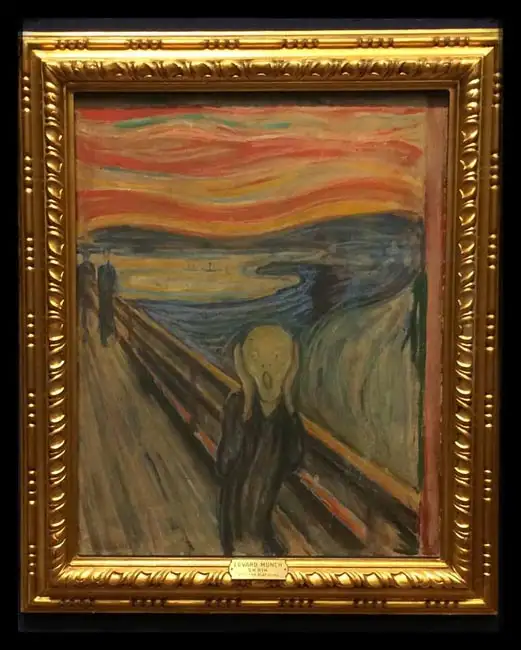
We return to central Oslo by public bus in time for lunch and an afternoon visit to the National Museum, which opened in 2022 combining several previous collections. The museum contains Norway's largest art collection, including Edvard Munch's "The Scream" (1893), along with works by other Norwegian and international artists.
Overnight in Oslo. 
Included Meal(s): Breakfast and Dinner - Day 20:Oslo - Flamsbana Railway - Gudvangen - StalheimAn early departure takes us to Oslo's central station for the morning train to Myrdal, approximately a five-hour journey through southern Norway's mountain plateau. At Myrdal we transfer to the Flam Railway for the descent to Flam village, one of Europe's most dramatic rail journeys.
The Flam Railway descends 865 metres over 20 kilometres (12.4 miles), an average gradient of 5.5%—one of the world's steepest standard-gauge railways. Construction began in 1923, with workers excavating 18 of the 20 tunnels by hand over 17 years. The line opened in 1940. The railway loops and tunnels through the mountain, crossing the river three times to maintain a navigable gradient. At Kjosfossen waterfall, approximately midway down, the train stops for views and photos.
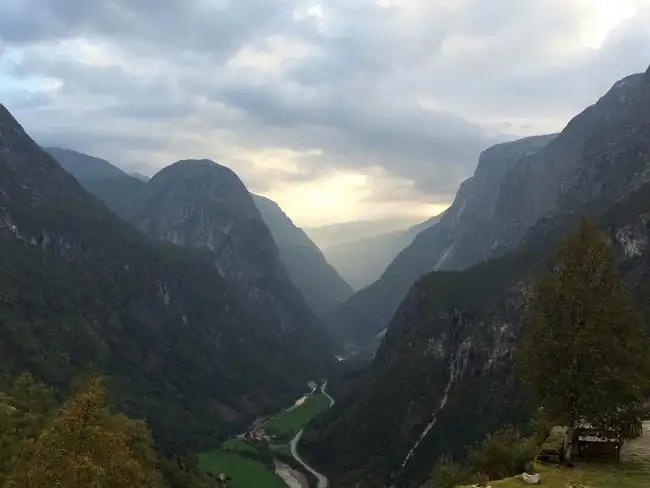
At Flam, located at the head of Aurlandsfjord, we have time for lunch before boarding a two-hour fjord cruise. The boat travels along Aurlandsfjord and into Naeroyfjord, a UNESCO World Heritage site and one of Norway's narrowest fjords. Mountain walls rise 1400 metres (4,593 feet) directly from the water, with waterfalls cascading down the cliffs. Traditional farms cling to ledges above the fjord.
At Gudvangen we board a coach for the journey to Stalheim, located in the heart of western Norway's fjord region.
Overnight in Stalheim. 
Included Meal(s): Breakfast and Dinner - Day 21:Stalheim - Train to BergenThis morning we visit Stalheim Folk Museum, an open-air collection of 30 log buildings arranged to recreate a traditional Norwegian farm. The museum displays tools, household items, and crafts illustrating rural life in western Norway from the 17th through 19th centuries.
We continue by coach along a winding mountain road to Voss, a market town known as an outdoor activity centre. The route offers views of waterfalls and the steep Stalheimskleiva road descending into the valley below.
From Voss we board the Bergen Railway for the journey to Bergen. This line, completed in 1909, crosses the mountain plateau between eastern and western Norway, reaching 1237 metres (4,058 feet) at its highest point. The route passes through varying landscapes—forests, high mountain plateau, and the descent through narrower valleys toward the coast.
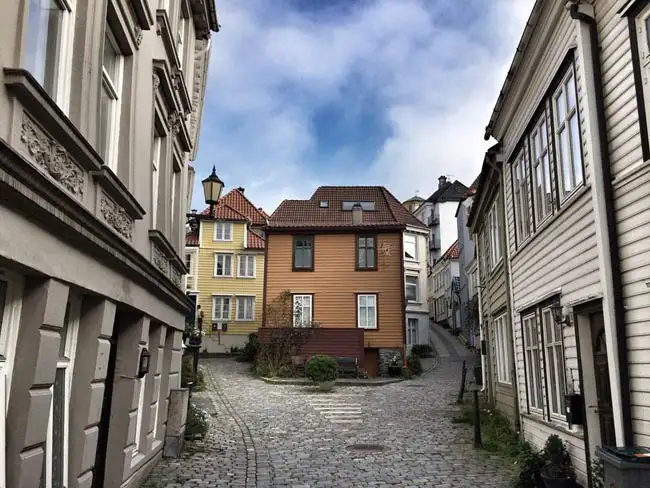
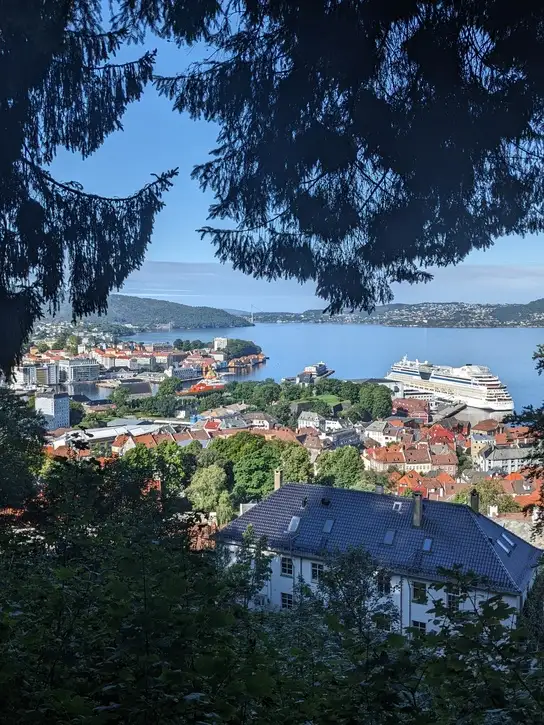
Bergen, Norway's second-largest city, occupies a natural harbour surrounded by seven mountains. The city served as Norway's capital during the 12th and 13th centuries. Later, Hanseatic merchants from northern Germany established a major trading post here, dominating Bergen's commerce from the 14th to 18th centuries. The wooden warehouses from this period still line the harbour at Bryggen. Bergen's maritime traditions continue today in fishing, shipping, and oil industry support.
Overnight in Bergen. 
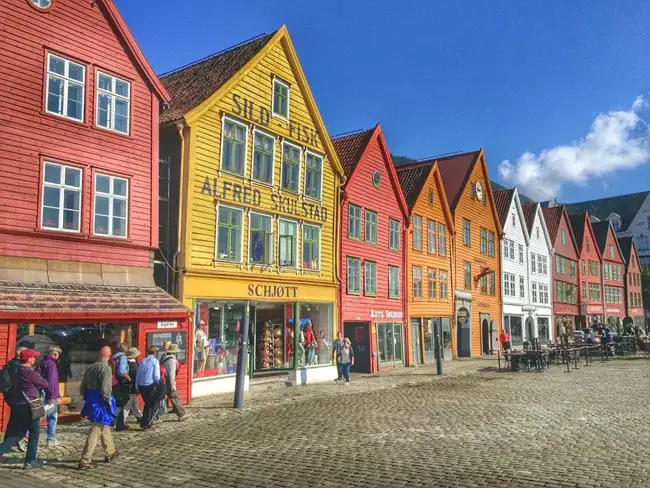
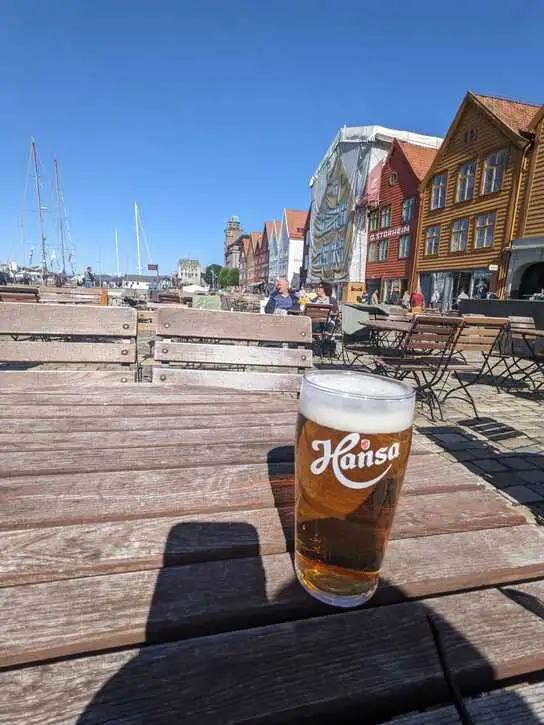
Included Meal(s): Breakfast and Dinner - Day 22:Bergen: City TourOur walking tour begins at Bryggen, the wharf on Bergen's harbour where rows of wooden warehouses face the water. These gabled buildings mark the site of the Hanseatic merchants' quarter, established in 1360. The current structures date mainly from after an 1702 fire, but they maintain the medieval layout with narrow passages between buildings. Shops and galleries now occupy the ground floors, while upper levels house offices and apartments.
We walk along the harbour past the historic buildings to Bergenhus fortress. The fortress contains Hakon's Hall, a medieval stone hall from the 1260s used for royal ceremonies, and Rosenkrantz Tower, a Renaissance fortification from the 1560s. Behind the fortress stands St. Mary's Church (Mariakirken), Bergen's oldest surviving building from around 1130.
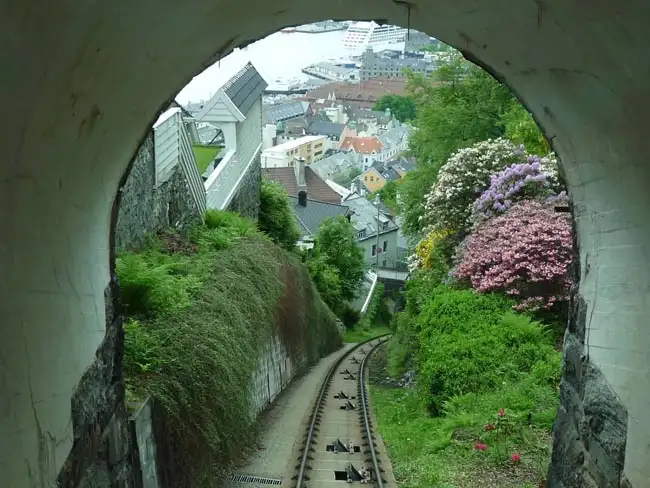
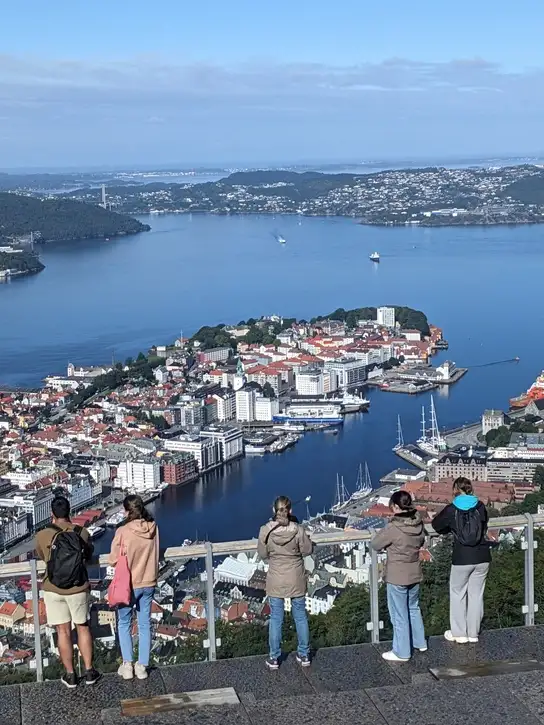
From the church we walk to Fløibanen, the funicular railway that ascends Mount Fløyen. The seven-minute ride climbs 320 metres (1,050 feet), providing panoramic views across Bergen's harbour, the surrounding mountains, and the islands beyond. Walking trails lead from the top station into the forest for those wanting to explore further.
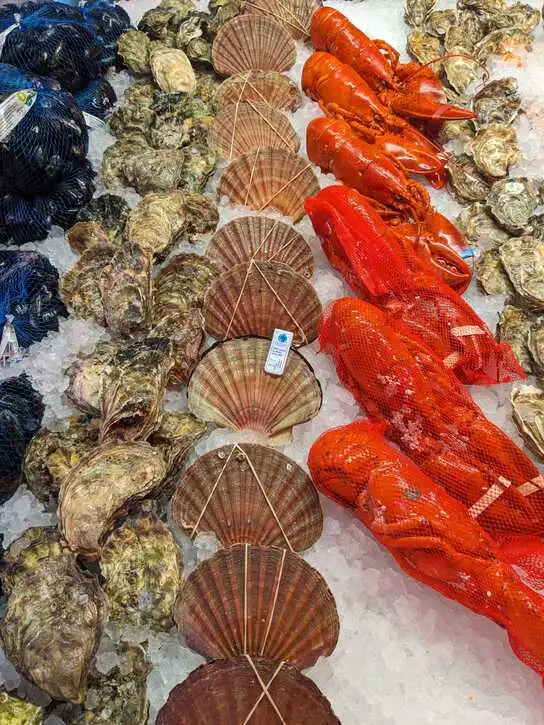
The afternoon is free to enjoy Bergen independently. The fish market near the harbour operates daily, selling fresh seafood including prawns, salmon, and crab. Many visitors buy prawns to eat at the harbour's edge, served simply with bread, lemon, and mayonnaise in the local style.
Overnight in Bergen. 
Included Meal(s): Breakfast and Dinner - Day 23:DepartureToday we depart from Bergen.
Bon voyage! Ha det bra! 
Included Meal(s): Breakfast
Countries Visited: Denmark, Estonia, Finland, Latvia, Lithuania, Norway and Sweden
*The red tour trail on the map does not represent the actual travel path.
Book This Tour
- Final payment: Due 90 days prior to departure.
- Deposit: A non-refundable $1000 CAD Deposit is required at booking.
- Optional Single Supplement: $2560 CAD (number of singles limited).
(View options forsingle travellers) - Transfering Tour or Date: Transferring to another tour or tour date is only permissible outside of 120 days prior to departure and is subject to a $100 CAD change fee.
(Read our cancellation policy)
Prices below are per person, twin-sharing costs in Canadian Dollars (CAD). Pricing does not include airfare to/from the tour and any applicable taxes.
Frequently Asked Questions
- What is the maximum number of participants on a trip?Most of our tours carry a maximum of 18 participants; some tours (ie hiking tours) top out at 16. In the event that we do not achieve our minimum complement by our 90-day deadline, we may offer group members the option of paying a "small-group surcharge" as an alternative to cancellation. If all group members agree, we will confirm the trip at existing numbers; this surcharge is refundable in the event that we ultimately achieve our regular minimum. If the small group surcharge is not accepted, we will offer a refund of your deposit or a different trip of your choice.
- Can I extend my tour either at the beginning or end? What about stopovers?Yes, you can extend your tour either at the beginning or the end and we can book accommodation in our tour hotel. Stopovers are often permitted, depending on air routing. Stopovers usually carry a "stopover" fee levied by the airline.
- How do I make a reservation? How and when do I pay?The easiest way to make a reservation is via our website; during office hours, you are also more than welcome to contact us by telephone.
A non-refundable deposit is payable at the time of booking; if a reservation is made within 90 days, full payment is required. Some trips require a larger deposit. If international airline bookings require a non-refundable payment in order to secure space or the lowest available fare, we will require an increase in deposit equal to the cost of the ticket(s).
Early enrolment is always encouraged as group size is limited and some trips require greater preparation time.
Once we have received your deposit, we will confirm your space and send you a confirmation package containing your trip itinerary, any visa/travel permit related documents, invoice, clothing and equipment recommendations, general information on your destination(s), and forms for you to complete, sign and return to us. Your air e-tickets (if applicable), final hotel list, final trip itinerary, and instructions on how to join your tour, will be sent approximately 2-3 weeks prior to departure. - What about cancellations, refunds, and transfers?Please review our cancellation policy page for details.
- I am a single who prefers my own room. What is a single supplement?All of our tours have a single supplement for those who want to be guaranteed their own room at each location.
This supplement is a reflection of the fact that most hotels around the world do not discount the regular twin-share rate for a room by 50% for only one person occupying a room. Most hotels will give a break on the price, but usually in the range of 25-30% of the twin-share rate. This difference, multiplied by each night, amounts to the single supplement.
The conventional amount can also vary from country to country and some destinations are more expensive than others for single occupancy. In order to be "single friendly," the supplements we apply are not a profit centre for us and we do our best to keep them as reasonable as possible.
On most tours we limit the number of singles available, not to be punitive, but rather because many hotels allow for only a limited number of singles; some smaller hotels at remote locations also have a limited number of single rooms available.
Please note that most single rooms around the world are smaller than twin-share rooms and will likely have only one bed. - Do you have a shared accommodation program?Yes! If you are single traveller and are willing to share, we will do our best to pair you with a same-gender roommate. Please note that should we fail to pair you, we will absorb the single supplement fee and you will default to a single room at no extra charge.