- History
- Off The Beaten Path
- Overview
- Info & Inclusions
- Itinerary
- Map & Hotels
- Photos
- Dates & Prices
- Tour Duration: 13 Days
- Max Group Size 18
- Explore medieval Transylvania with its imposing castles and fortified churches
- Discover the vibrant culture and rich history of Bucharest
- Wander through picturesque villages and immerse yourself in local traditions
- Visit ancient fortresses and marvel at their architecture
- Experience the serene landscapes and natural beauty of Moldova
- Enjoy the warm hospitality and rich cultural heritage of these fascinating nations.
- Singles friendly (view options for single travellers)
From Bucharest's Palace of Parliament—where totalitarian megalomania crystallized in marble and crystal—we drive into Transylvania's Saxon heartland, discovering why German colonists fortified every church with concentric walls and hilltop refuges. The pattern repeats across Biertan, Viscri, and Prejmer: communities that survived not through military might but through stone, strategy, and Saxon stubbornness. Peles Castle and Bran's Dracula fortress reveal how 19th-century Romanian nationalism transformed medieval defensive structures into symbols of cultural identity.
Crossing into Moldova—Europe's least-visited country, independent only since 1991—we encounter a nation still processing its Soviet absorption. Where Bucharest preserved Belle Époque elegance alongside communist bombast, Chisinau was rebuilt entirely to Stalinist specifications after World War II destruction. Yet beneath Soviet concrete, older threads persist: Cricova's 120-kilometre wine cellars producing vintages since tsarist times, Orheiul Vechi's cave monastery where monks pray as they have for 800 years, and the Gagauzi people whose Turkic language and Orthodox faith embody the "between empires" complexity that defines this entire region.
This is a tour of borderlands where empires competed and ordinary people endured—where Saxon fortifications, Orthodox persistence, and ethnic complexity reveal how Europe's margins developed strategies of survival that outlasted the powers that tried to reshape them.
- MealsSavour authentic flavours with included daily breakfasts and dinners at hotels or handpicked local restaurants—immersing you in local cuisine without worrying about reservations or budgets.
- Transport & Logistics
Private air-conditioned coaches and included internal ferries and flights—ensuring hassle-free travel so you can focus entirely on the discoveries ahead.
"Adventures Abroad tour leader's management and guest services managed the tour with great skill and dedication. The tour leader was on top of every move and transfer. We have not experienced any issues with logistics and had a great time."
~ JULIA O"The tour leader did an excellent job coordinating some difficult travel logistics, power outage issues and resolving problems and dealing with guests who had unrealistic expectations."
~ CYNTHIA COLLINS - Expert Guidance
Unlock insider secrets at every landmark with your full-time Tour Leader and expert local guides , all gratuities covered—no hidden tipping surprises—so you immerse fully in your destination's stories, worry-free. (Except for the tips to your tour leader at the end of your tour.)
"Amazing tour guide. Our tour guide was very well organized, Her passion, knowledge, and enthusiasm completely transformed the travel experience into something truly unforgettable..."
~ MELANIE LEMAIRE"Highly recommend every trip with Adventures Abroad. It's a well organized and well thought out adventure. The tour leaders are friendly, knowledgeable and experienced professionals. Highly recommend this company."
~ SUSAN WALL - Sightseeing & EntrancesAll entrance fees for sites visited as per the itinerary—no hidden costs—so you can explore ancient ruins and excursions with complete peace of mind.
- AccommodationsUnwind in clean, well-located 3 to 4-star hotels with private en suite facilities—handpicked for comfort and convenience after each day's discoveries—so you can rest easy knowing your stay supports the real adventure, not steals the spotlight.
- Small Group
Discover the world in small groups of up to 18 travellers plus your expert Tour Leader—unlocking spontaneity, off-the-beaten-path adventures, and genuine connections at a relaxed pace, free from crowds.
"Looking Forward to My Next Adventure The best feature of the Adventures tour was the small size that allowed the group to quickly load up, let everyone get acquainted within the first 24 hours, capitalize on unplanned surprises along..."
~ PHILIP BLENSKI"Good value for a great time I have traveled with Adventures Abroad for over 20 years now. Well thought out, interesting itineraries and the other travelers congenial and friendly. The price always seems fair and overall a..."
~ Trusted Customer - Airport Transfers For Land & Air CustomersWe handle hassle-free airport transfers for all our land and air tour customers—plus early arrivals or late departures when you book extra hotel nights directly with us for added peace of mind.
- International airfare to/from the tour.
- Tour Leader gratuities, lunches, drinks, personal items (phone, laundry, etc), domestic and international air taxes (if applicable), excursions referenced as 'optional'.
- Airport transfers for Land Only customers.
- Seasonality and Weather:
This tour operates in May and September when temperatures are moderate, tourist crowds thin, and landscapes transform. Spring brings wildflowers across Carpathian meadows and green valleys; autumn paints beech forests in rust and gold. Both seasons offer ideal conditions for the considerable walking this tour requires while avoiding summer's intense heat and winter's harsh conditions in Moldova - Transport and Travel Conditions:
Land transport throughout by private air-conditioned motor coach, 24-36 seats depending on ultimate group size (see 'group size'). Though we will have a couple of full travel days there are plenty of stops of interest. There may not be porters available in all locations. We also make use of public transit in some cities in order to maximize sightseeing where vehicles are impractical (most people quite enjoy this insight into daily life).
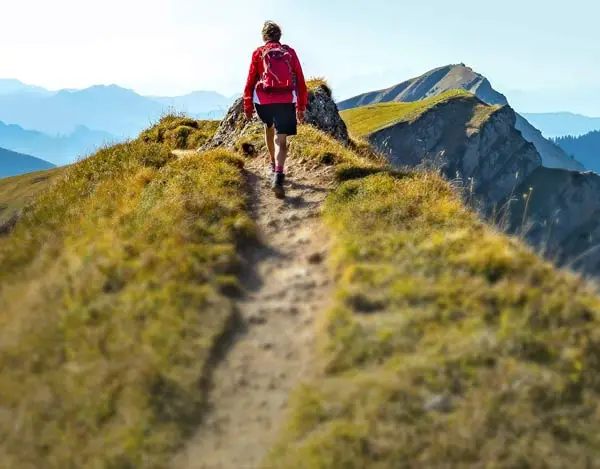
This trip is typical of most of our European tours, which are ambitious and involve full days of travel and sightseeing. While we don't have any actual strenuous activity (ie hiking) built into the program, you will do a lot of walking on this trip. These walks will mostly be in the form of walking tours of towns and cities and short walks to dinner. Being Europe, and a hilly/mountainous area, cobbles, uneven surfaces, and slopes/stairs are common. If you are accustomed to typical "bus tours," which rely heavily on vehicular transport for all sightseeing activities, you should be aware that this tour is considerably more active.
Due to the security situation in Transnistria, this region is not included in our group program. Independent day trips may be possible with late notice; contact us for current conditions.
Am I suitable for this tour? Please refer to our self-assessment form - Activity Level: 2
These are particularly busy tours that feature a lot of moving around, sometimes by train and short journeys on local transport. Walking tours of towns and cities are leisurely but you should be prepared to be on your feet for several hours. Some of our cultural trips that occur at high altitude and/or require greater independence with baggage handling (at hotels, airports, train stations) also fall into this category.
To learn more about the Activity levels, please visit our tour styles page. - Accommodation:
Well-located, air-conditioned, mid-range hotels (3-4 star) throughout. All hotels have en suite toilet and bath. Porter service is sometimes available; you MUST be independent with your luggage. Single rooms are limited in number and likely smaller than twins. - Staff and Support:
Full-time Tour Leader with local guides at several locations. - Group Size:
Maximum 18 plus Tour Leader.
- Day 1:Arrival in BucharestWelcome to Bucharest, Romania's capital, where Belle epoque elegance collides with Brutalist concrete and Orthodox domes rise beside Ottoman mosques. Depending on your arrival time, you may have the evening free to explore the nearby pedestrian streets and get your bearings in this city of architectural contradictions.
Overnight in Bucharest.
Included Meal(s): Dinner - Day 2:Bucharest City TourOur morning begins at the Palace of Parliament, Nicolae Ceausescu's monument to totalitarian megalomania.* The numbers tell part of the story: the world's second-largest administrative building (after the Pentagon), constructed with a million cubic meters of marble, 3,500 tons of crystal, and the forced labor of thousands. Our guided tour reveals grand ballrooms hung with chandeliers the size of small cars, marble staircases that lead nowhere, and halls designed to intimidate rather than welcome. The scale is staggering, the opulence hollow, and therein lies its power as a teaching tool about dictatorship's pathologies.
We continue to Revolution Square, where Ceausescu's regime collapsed in December 1989. The square remains marked by its pivotal role: bullet holes in buildings, a memorial to those who died, and the former Communist Party headquarters from whose balcony the dictator gave his final, interrupted speech. History feels recent here, not abstract.
This afternoon we walk the Old Town (Lipscani district), where narrow lanes wind past 18th-century merchants' houses, their plaster peeling to reveal older brickwork beneath. Cafes spill onto cobblestones, street musicians compete for attention, and the air smells of coffee and grilled mici sausages. This is Bucharest at its most lived-in: animated, slightly chaotic, and decidedly un-monumental after this morning's palace visit.
The late afternoon and evening are yours to explore independently. Your Tour Leader can suggest neighborhoods, restaurants, or museums depending on your interests.
* NOTE: The Palace of Parliament occasionally closes for state functions. If unavailable, we visit Cotroceni Palace, the presidential residence with its own impressive collections and architecture.
Overnight in Bucharest.
Included Meal(s): Breakfast and Dinner - Day 3:Bucharest - Cozia Monastery - Sibiel - SibiuWe leave Bucharest this morning and drive northwest into the Carpathian foothills. Our first stop is Cozia Monastery in the Calimanesti Valley, founded in 1388 by Mircea the Elder (grandfather of Vlad the Impaler). The monastery's main church displays classic Byzantine architecture: domed roof, ornate columns, and frescoes depicting biblical scenes. Mircea himself is buried here, making this both a religious site and a princely necropolis.
We continue into Transylvania, arriving this afternoon in Sibiu, the most prosperous of the medieval Saxon settlements. German-speaking colonists arrived here in the 12th century from the Rhineland, Moselle Valley, and Flanders, establishing fortified towns that would anchor trade routes for centuries. Sibiu's defense walls, punctuated by guild towers (each assigned to a different craft), still stand in sections. The Turks, after failing to breach these fortifications, called the city "Red" for the bloodshed at its gates.
Our evening meal takes place in a village farmhouse near Sibiel, where a traditional Romanian dinner awaits: ciorba (sour soup), mamaliga (cornmeal porridge), and local wines. The hosts prepare everything in-house, from sheep's cheese to home-distilled tuica brandy.
Overnight in Sibiu.
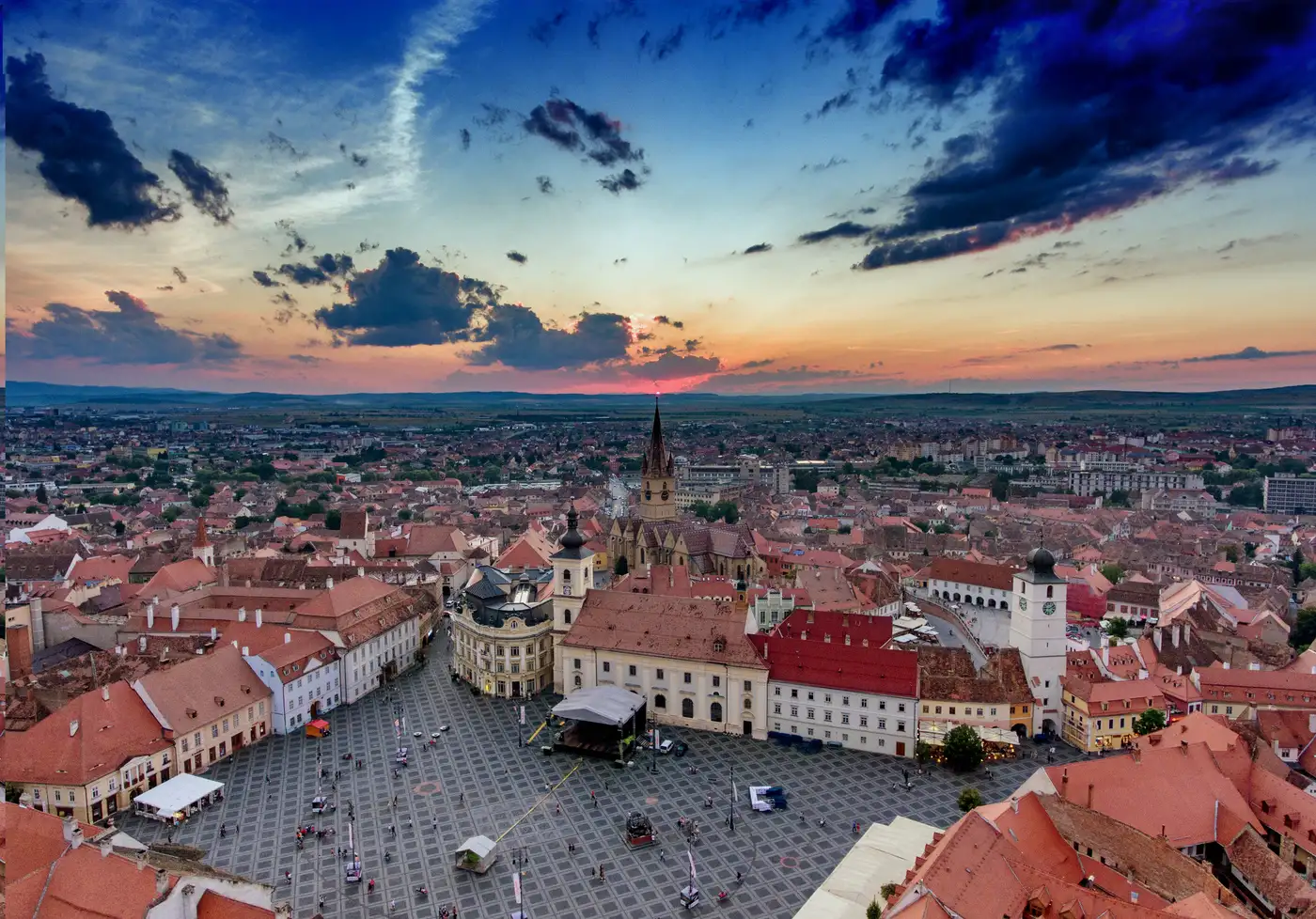
Included Meal(s): Breakfast and Dinner - Day 4:Sibiu - Biertan - MediasThis morning we explore Sibiu's historic center on foot. The Little Square (Piata Mica) connects via covered passageways to the Great Square (Piata Mare), where the Council Tower and Evangelical Cathedral define the skyline. We cross the Bridge of Lies, a 19th-century iron footbridge that, according to local legend, creaks if someone tells a falsehood while standing on it. The city's trademark "eyes of Sibiu" — dormer windows that resemble half-closed eyelids — peer down from attic roofs throughout the old town.
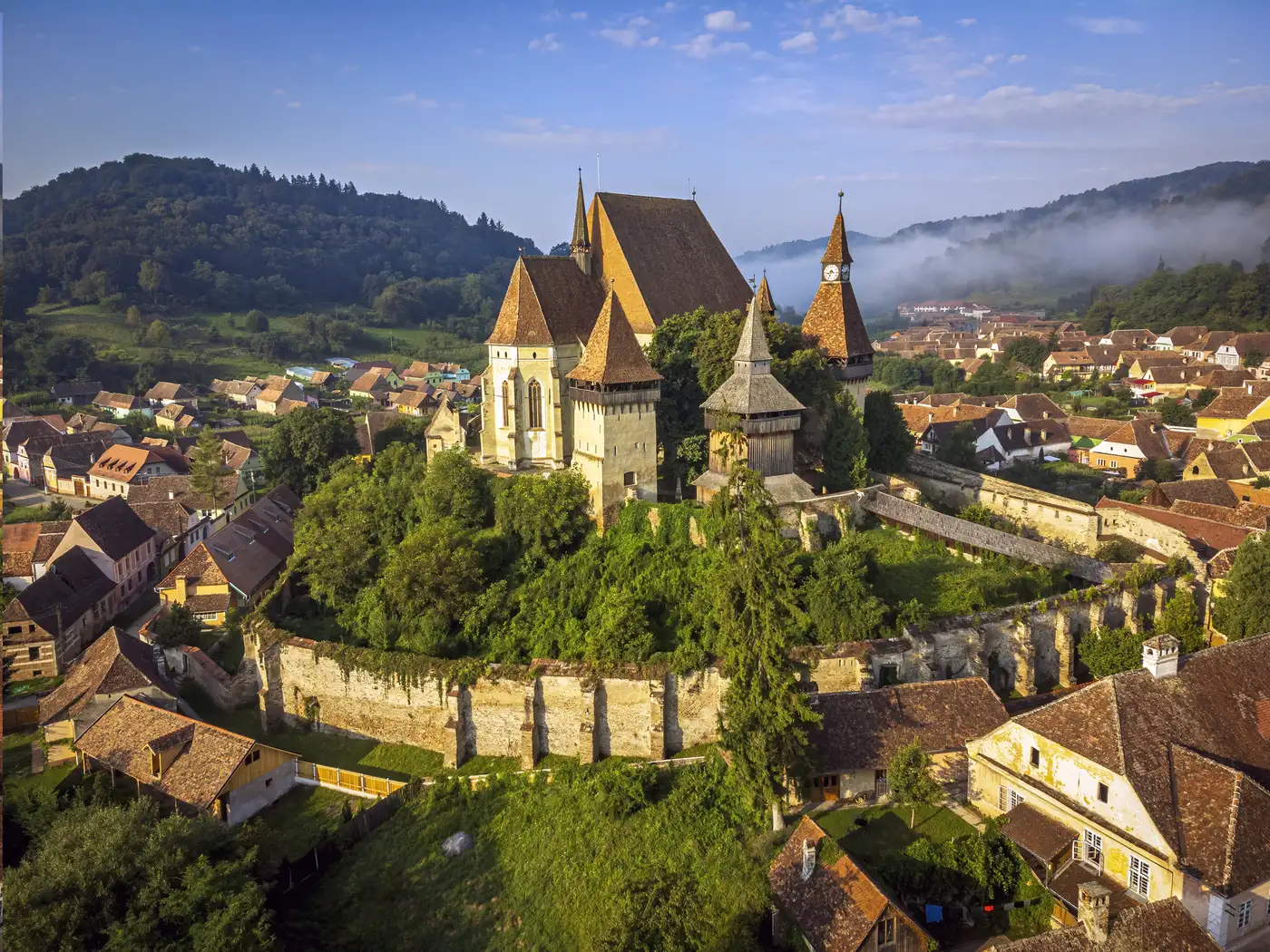
We continue to Biertan, a UNESCO World Heritage Site and one of the finest fortified churches in Transylvania. Built between 1490 and 1520, the church sits on a hill surrounded by three concentric defensive walls and towers. Inside, the altar triptych dates from 1515, and the door to the former "marriage prison" still functions with its elaborate 15th-century lock mechanism (couples having marital difficulties were once confined here together until they reconciled or decided to separate).
We arrive late afternoon in Medias, a smaller market town known for its preserved medieval core. The Trumpeters' Tower, leaning slightly like a modest Pisa, dominates the central square.
Overnight in Medias.
Included Meal(s): Breakfast and Dinner - Day 5:Medias - Sighisoara - Viscri - PredealSighisoara is arguably the most intact medieval citadel in Europe, a UNESCO site where people still live and work within 14th-century walls. We walk the cobbled lanes past guild houses painted in ochre, rust, and cream, each marked with the symbol of its former occupants: tinsmiths, butchers, tailors. The Clock Tower, built in 1280, still keeps time. We climb the covered wooden staircase (Scholar's Stairs, 1642) to reach the Hill Church, which offers views over the terracotta rooftops below.
Sighisoara is also the birthplace of Vlad III, known as Vlad Tepes (the Impaler), whose brutal methods of defending Wallachia against the Ottomans inspired Bram Stoker's Dracula character. We visit the house where he was born in 1431, now a small museum that separates historical fact from Gothic fiction.
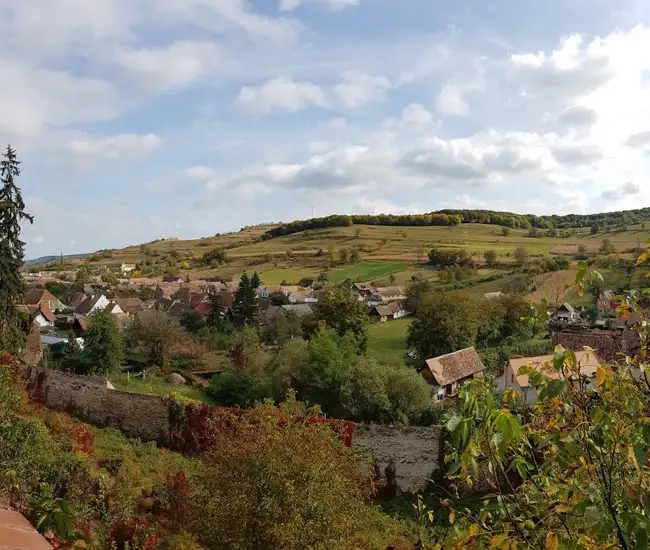
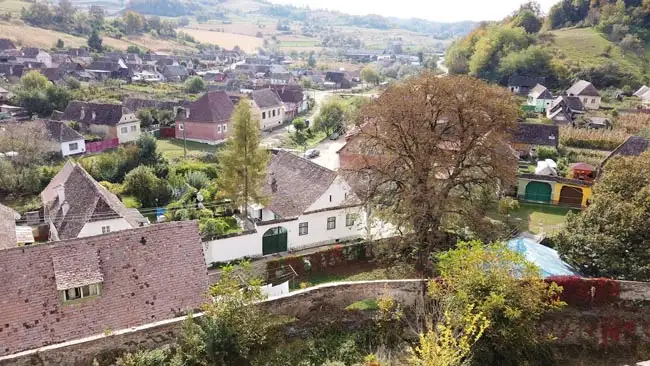
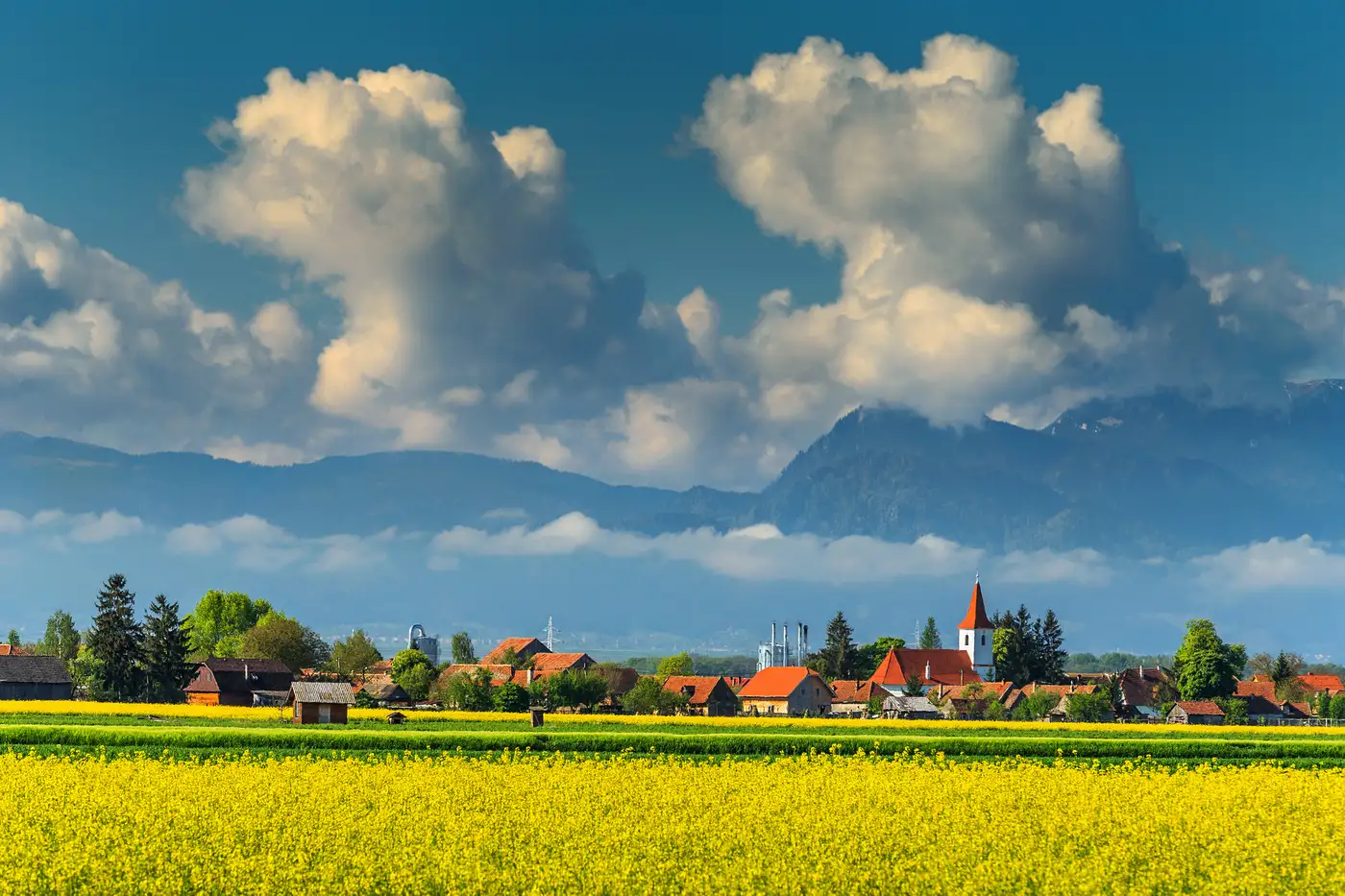
This afternoon we drive to Viscri, a Saxon village that has retained much of its 13th-century character. The pattern we first encountered at Biertan yesterday continues here: fortified church on hilltop, defensive walls encircling the sanctuary, refuge for an entire community. This wasn't one village's paranoia but the Saxon survival strategy across Transylvania—build in stone, fortify against empires (Ottoman, Hungarian, Romanian) that saw these German colonists as useful but ultimately expendable. King Charles III (then Prince Charles) helped fund restoration efforts here and maintains a guesthouse in the village. We walk the village lanes, observing a way of life that has changed remarkably little over centuries.
We arrive in Predeal by early evening. This mountain resort town, Romania's highest settlement at 1030 m/3,379 ft, serves as our base for the next three nights.
Overnight in Predeal.
Included Meal(s): Breakfast and Dinner - Day 6:Predeal: Zarnesti & Bran CastleWe begin at the Libearty Bear Sanctuary near Zarnesti, a 69-hectare forest reserve for brown bears rescued from captivity. Romania has Europe's largest brown bear population (an estimated 6,000), and this sanctuary houses over 100 bears that once lived in cages, zoos, or restaurants. We observe them from elevated platforms as they forage, climb, and interact in a semi-wild environment.
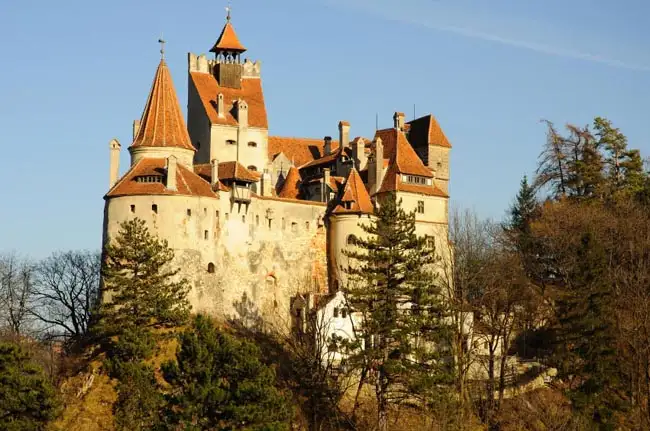
From bears to Dracula: Bran Castle, perched on a cliff above the Bran-Moieciu pass, is Romania's most visited monument. While the castle has only a tenuous connection to Vlad the Impaler (he may have attacked it once), it fits the fictional Dracula's lair perfectly: turrets, narrow staircases, hidden passages. Built in 1377 to control trade routes, the castle later served as a royal residence for Queen Marie of Romania. We tour the rooms, which mix medieval architecture with early 20th-century royal furnishings.
Our final stop is Rasnov Fortress, a peasant citadel built by Teutonic Knights in the 13th century. Unlike aristocratic castles, this fortress was a communal refuge where villagers retreated during invasions, bringing livestock and supplies. The walls enclose a small village within: houses, a school, a chapel, and a 143-meter-deep well dug through solid rock.
Overnight in Predeal.
Included Meal(s): Breakfast and Dinner - Day 7:Predeal: Sinaia - Slanic Prehova - Maneciu & UngereniPeles Castle in Sinaia represents a different Romania entirely: not medieval fortifications but neo-Renaissance fantasy. Built between 1873 and 1914 as the summer residence of King Carol I, the castle contains 170 rooms decorated in German Renaissance, Turkish, Moorish, and French styles. We tour the Hall of Honour (with its retractable glass ceiling), the armory (holding 4,000 pieces), and rooms paneled in walnut, teak, and mother-of-pearl. The castle had central heating, an elevator, and electricity before most of Bucharest.
This afternoon we descend into the Slanic Prahova Salt Mine, one of Europe's largest, where mining began in 1685. The galleries reach depths of 208 meters, and the temperature remains a constant 12°C year-round. The main chamber, Mihai mine, could fit Bucharest's National Theatre inside it. The air here is famously therapeutic; Romanians suffering from respiratory ailments come for halotherapy treatments.
En route back to Predeal, we stop at Manastirea Ungureni, a wooden church from 1813 that exemplifies traditional Wallachian architecture. The church was part of Romania's UNESCO bid for wooden churches (though not ultimately included), and its hand-carved details and painted icons show the craftsmanship of rural religious art.
Overnight in Predeal.
Included Meal(s): Breakfast and Dinner - Day 8:Predeal - Brasov - Prejmer - Cheile Biczului - Piatra NeamtWe check out this morning and drive to Brasov, a Saxon city founded by Teutonic Knights in 1211. The Gothic spire of the Black Church (Biserica Neagra) rises 65 meters above Council Square. This is Transylvania's largest church, built between 1385 and 1477, and its name comes from fire damage during a 1689 Habsburg-Ottoman conflict. Inside, the church houses a collection of over 100 Anatolian carpets, gifts from 17th-century Saxon merchants who traded with the Ottoman Empire. We also see the Old Town Hall and walk the narrow Rope Street (Strada Sforii), one of Europe's narrowest thoroughfares at just 111 centimeters wide.
We continue to Prejmer, site of another fortified church complex. Built in 1240 and reinforced over centuries, this fortress features walls four meters thick and 272 rooms where villagers could shelter during sieges. The church withstood dozens of attacks and was never conquered, making it one of the most impressive defensive structures in Eastern Europe.
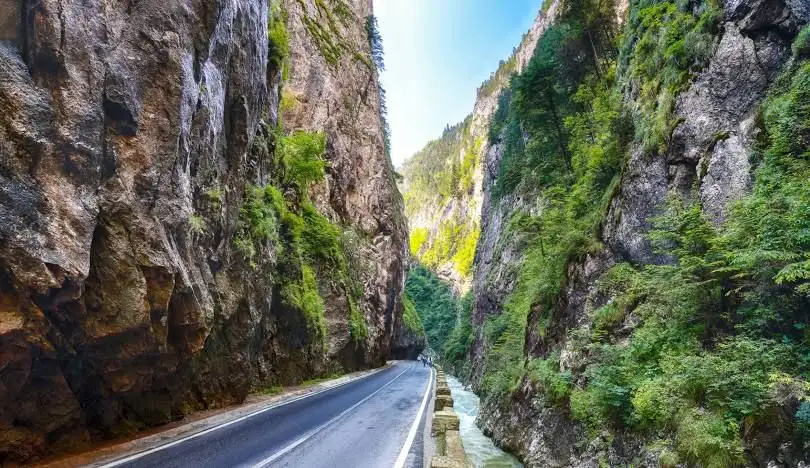
This afternoon brings a dramatic shift in landscape as we drive through Cheile Bicazului, a limestone gorge carved by the Bicaz River. The cliffs rise nearly 300 meters on either side of the road, and in places the gorge narrows to just eight meters wide. We stop at Lacul Rosu (Red Lake), formed in 1837 when a landslide dammed the river. Dead tree trunks still protrude from the reddish water (colored by iron-rich minerals and algae), creating an eerie, beautiful scene.
We arrive in Piatra Neamt this evening, a town at the foot of the Eastern Carpathians.
Overnight in Piatra Neamt.
Included Meal(s): Breakfast and Dinner - Day 9:Piatra Neamt - Iasi, Romania - Chisinau, MoldovaWe drive north this morning to Iasi (pronounced "Yash"), Moldova's historic capital before Bucharest and still considered Romania's cultural heart. The city produced three of Romania's national poets and served as the capital during World War I. We begin at the Metropolitan Cathedral, one of Romania's largest Orthodox churches, built between 1833 and 1839 and housing the relics of St. Parascheva (an annual pilgrimage here draws hundreds of thousands).
The Palace of Culture, a neo-Gothic building from 1925-1955, dominates the city center. Originally housing law courts and administrative offices, it now contains four museums. We focus on the exterior and grounds, which include monuments to Romanian rulers and poets.
After our Iasi tour, we drive east and cross the border into the Republic of Moldova (2-3 hours depending on border formalities). Moldova, Europe's least-visited country, occupies the historical region of Bessarabia, contested for centuries between Ottoman, Russian, and Romanian powers. A Soviet republic from 1940-1991 (except for a brief Romanian annexation 1941-1944), Moldova gained independence as the USSR collapsed. Today it's a small, landlocked nation of 2.6 million, known for wine production, Orthodox monasteries, and a complex relationship with both Romania and Russia.
We arrive in Chisinau, the capital, this evening. Given the limited availability of suitable accommodations outside Chisinau, we base here for the next four nights and make day trips to regional sites.
Overnight in Chisinau.
Included Meal(s): Breakfast and Dinner - Day 10:Chisinau: City Tour & Cricova WineryChisinau is a city twice destroyed and twice rebuilt: by a 1940 earthquake, then by Soviet bombing in 1941. The result is a Soviet-planned capital with wide boulevards, parks, and Stalinist architecture punctuated by older Orthodox churches that survived. Where Bucharest preserved Belle Époque elegance alongside Ceaușescu's megalomania, Chisinau was rebuilt entirely to Soviet specifications—a reminder of how the 20th century cleaved these Romanian-speaking neighbors. Romania maintained maverick independence from Moscow; Moldova was absorbed into the Soviet Union, its identity subsumed until 1991.
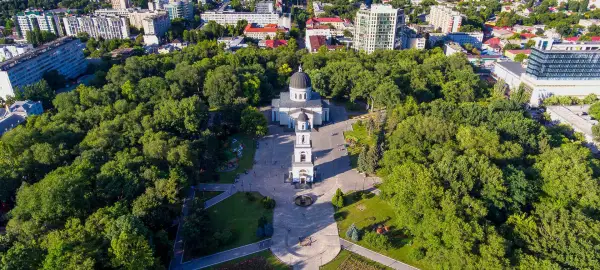
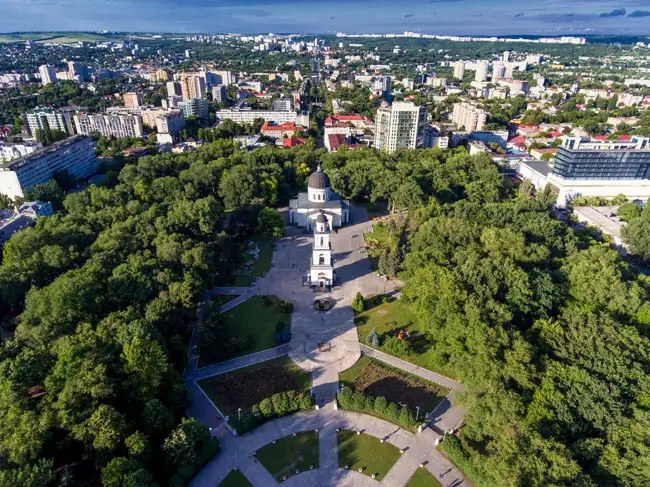
We begin at the Arc de Triomphe, built in 1840 to commemorate Russia's victory over the Ottomans. The Nativity Cathedral, just beyond, was demolished by Soviets in 1962 and rebuilt in the 1990s. We visit the National Museum of History and Ethnography to understand Moldova's layered past: Dacian roots, Roman conquest, medieval principalities, Ottoman suzerainty, Russian annexation, Soviet collectivization, and post-independence struggles.
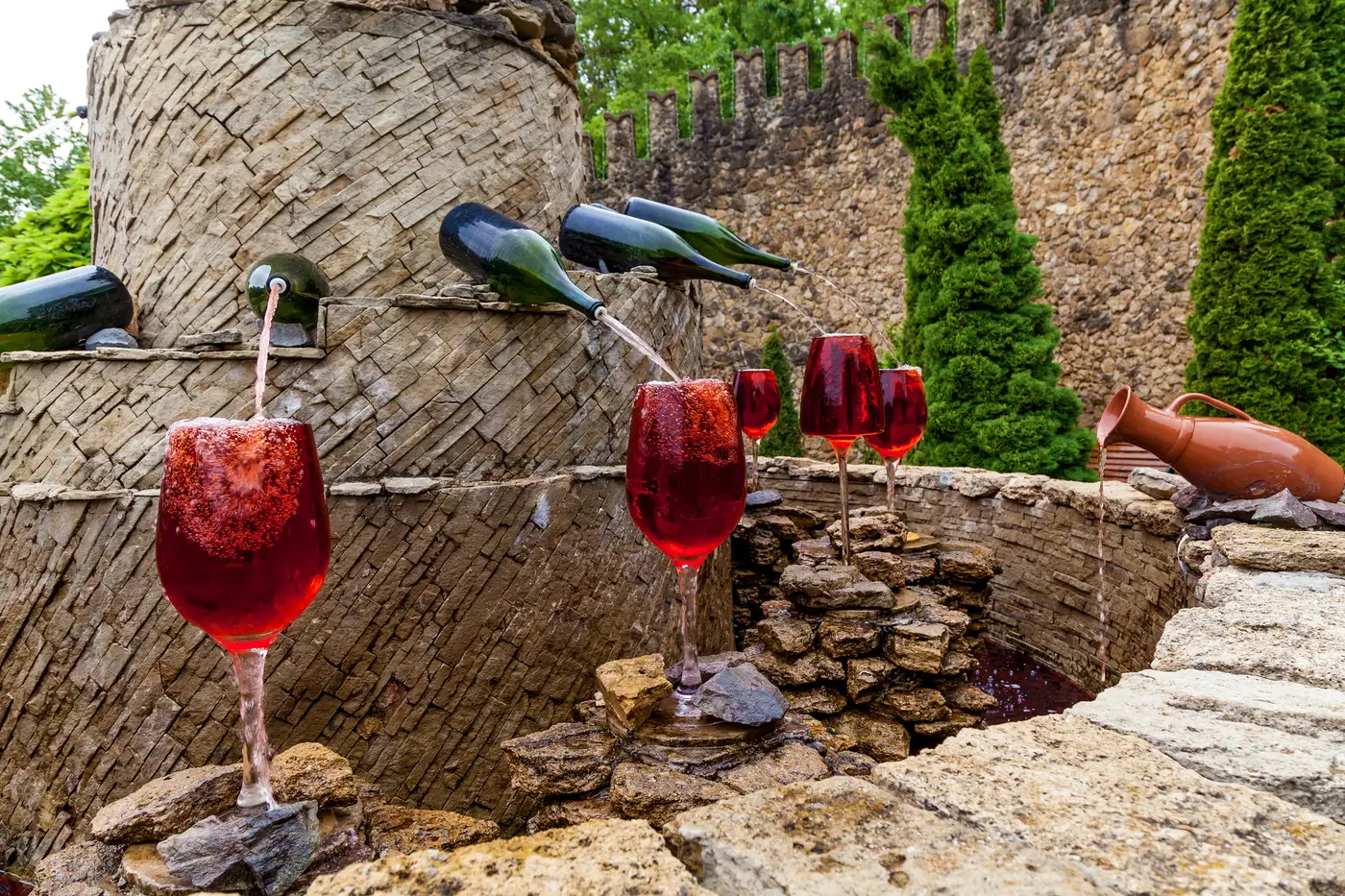
This afternoon we descend into Cricova Winery, a vast underground complex carved from limestone mining operations. The tunnels extend for 120 kilometres (though only about 60 km are in use), making this one of the world's largest wine cellars. Streets below ground have names like Cabernet Boulevard and Chardonnay Street. We tour sections of the cellar, including the "National Collection" hall where Moldova's most valuable wines are stored, and taste a selection of Moldovan varietals: Feteasca Alba, Rara Neagra, and local sparkling wines produced via the traditional Champagne method. The constant 12°C temperature and high humidity create ideal aging conditions.
Overnight in Chisinau.
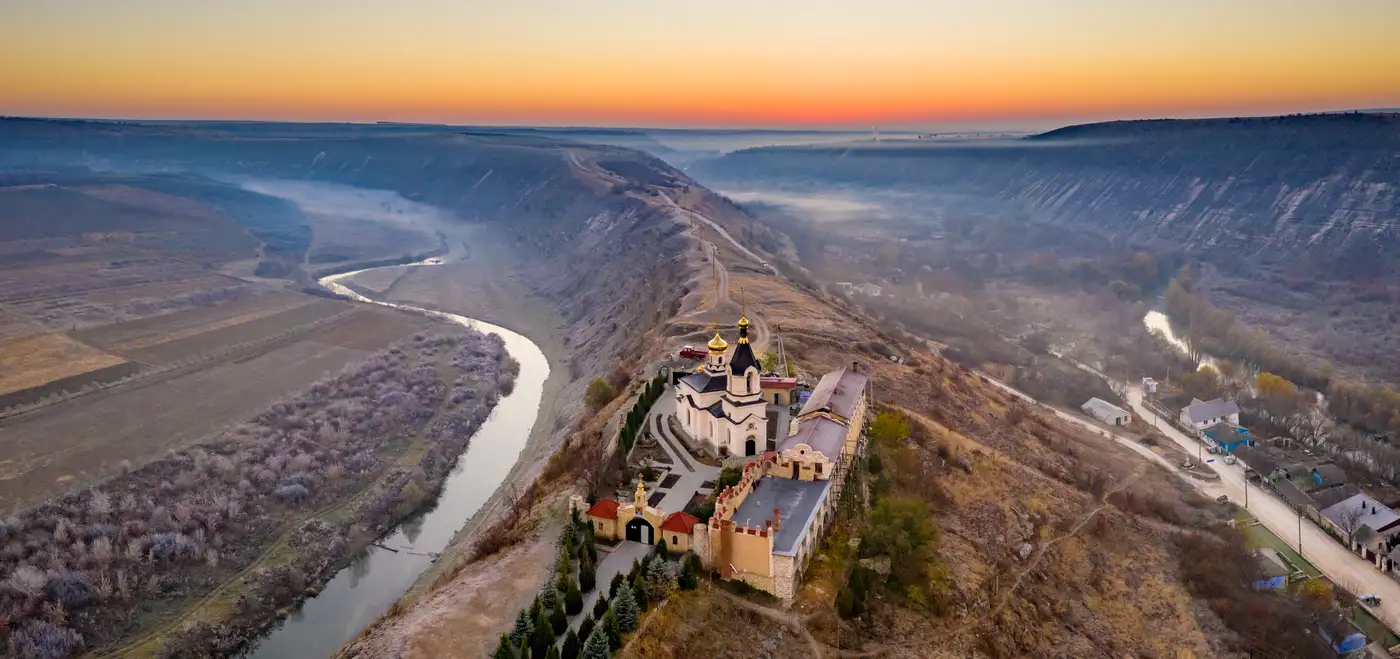
Included Meal(s): Breakfast and Dinner - Day 11:Chisinau: Orheiul VechiWe drive north today (about 1 hour) to Orheiul Vechi, an archaeological and natural site where the Raut River curves around a rocky promontory. This location has been inhabited since the Paleolithic, with successive civilizations leaving traces: Dacian fortifications (6th century BC), Golden Horde ruins (13th-14th century), and a Moldovan fortress city (14th-15th century).
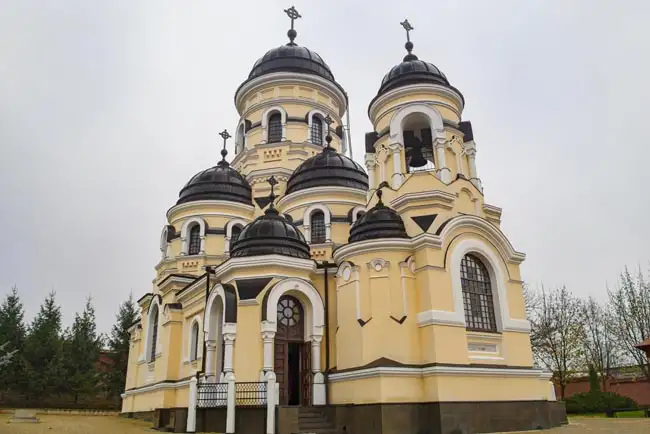
The site's most striking feature is the Cave Monastery of the Assumption, carved directly into limestone cliffs above the river. Monks inhabited these caves from the 13th century; the monastery was abandoned during Ottoman conflicts but restored in 1996, and a small community of monks lives here again. We climb to the monastery for views over the valley and the village of Butuceni below.
We also explore the open-air museum, where excavations reveal the Geto-Dacian settlement and later Tatar structures. The archaeological park interprets over 2,000 years of occupation, though much remains unexcavated.
Optional: If time and interest allow, we can visit a local home in Butuceni village for tea and homemade placinta (traditional pastries).
Overnight in Chisinau.
Included Meal(s): Breakfast and Dinner - Day 12:Chisinau: Gagauzia & ComratToday requires an early start for our drive south to Gagauzia, an autonomous region within Moldova (approximately 2.5-3 hours). Gagauzia's autonomy, granted in 1994 after threats of secession, reflects Moldova's ethnic complexity.
The Gagauz people embody everything our tour title promises: a people shaped "between empires." Their Turkic language points to Ottoman/Central Asian roots. Their Orthodox Christianity aligns them with Byzantine tradition. Their presence in Moldova stems from Russian imperial expansion. Their autonomy emerged from Soviet-era ethnic politics. In Gagauzia, the historical forces that made Romania and Moldova into borderlands—contested, absorbed, reconfigured by successive empires—become flesh and blood rather than abstract history.
Numbering about 160,000 in Moldova (plus diaspora communities in Bulgaria, Ukraine, and Turkiye), the Gagauz are Turkic-speaking Orthodox Christians, a rare combination. Their language resembles Turkish and Azerbaijani, but their religion aligns them with Romanian and Moldovan Orthodox traditions rather than Islam. We visit the Gagauzia National Museum in Comrat, the regional capital, where exhibits cover Gagauz migration history, traditional crafts (carpet-weaving, embroidery), and the Soviet period's impact on Gagauz identity. The museum occupies a building that once housed Communist Party offices, adding another layer to the narrative.
We continue to Hincesti to see the country residence of Manuc Bey, an 18th-century Armenian merchant and diplomat who served the Ottoman Empire while maintaining estates across Bessarabia. His palace, partially restored, shows Armenian architectural influence in its stonework and decorative details—yet another ethnic community woven into this region's complex tapestry.
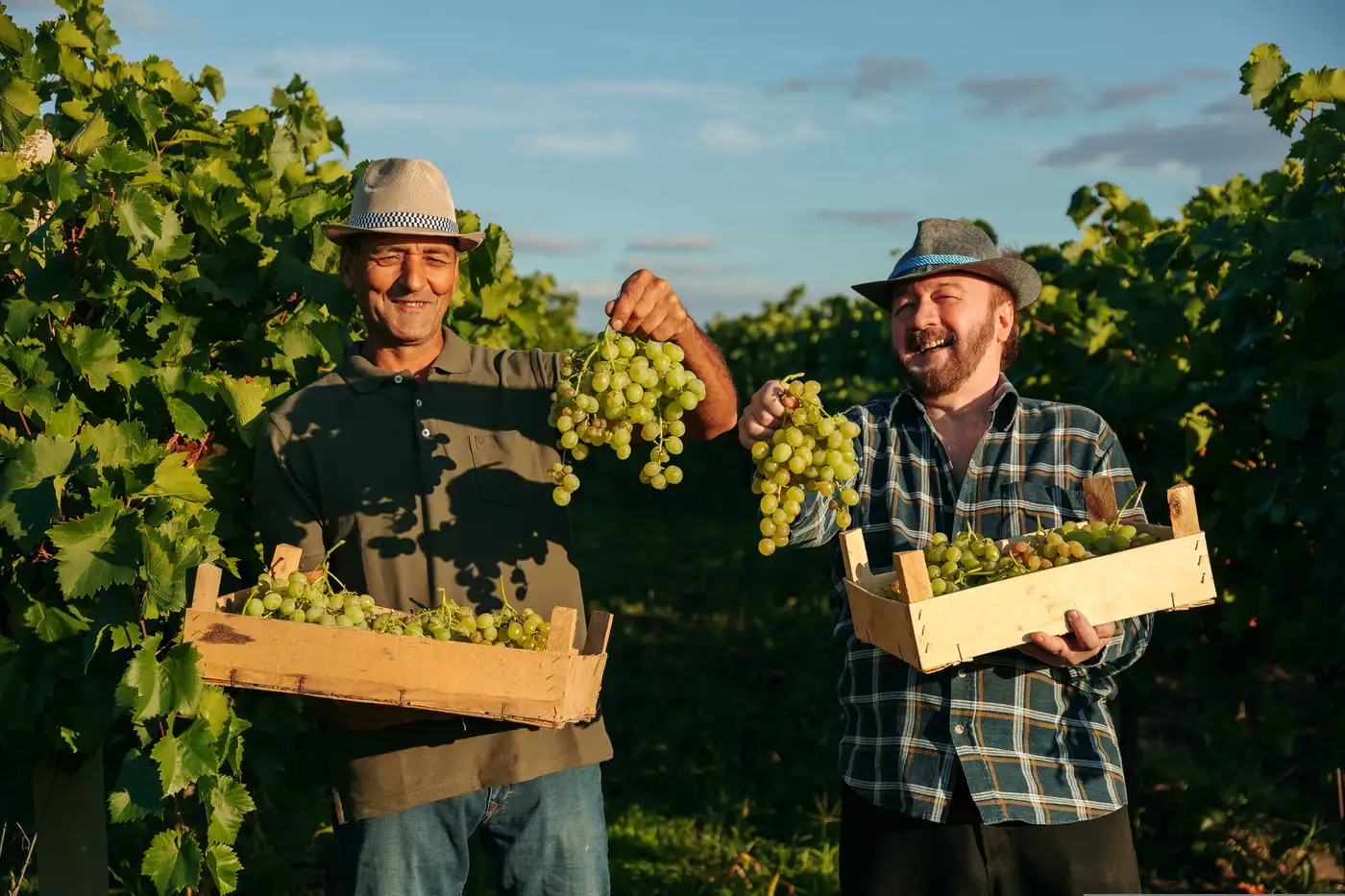
Before returning to Chisinau, we stop at Karahasani (Kara Gani) Winery for a second perspective on Moldovan wine. This family-run operation in southern Moldova produces more rustic, traditional wines compared to Cricova's industrial scale. We taste wines paired with local cheeses and bread.
Tonight's farewell dinner gives us a chance to reflect on two countries that share history, language (in parts), and Orthodox faith, yet followed dramatically different paths through the 20th century.
Overnight in Chisinau.
Included Meal(s): Breakfast and Dinner - Day 13:DepartureOur tour ends after breakfast. Depending on your flight schedule, you may have time for last-minute explorations or shopping (Moldovan wine, honey, and carpets make good souvenirs).
Safe travels!
Included Meal(s): Breakfast
Countries Visited: Moldova and Romania
*The red tour trail on the map does not represent the actual travel path.
Book This Tour
- Final payment: Due 90 days prior to departure.
- Deposit: A non-refundable $500 CAD Deposit is required at booking.
- Optional Single Supplement: $940 CAD (number of singles limited).
(View options forsingle travellers) - Transfering Tour or Date: Transferring to another tour or tour date is only permissible outside of 120 days prior to departure and is subject to a $100 CAD change fee.
(Read our cancellation policy)
Prices below are per person, twin-sharing costs in Canadian Dollars (CAD). Pricing does not include airfare to/from the tour and any applicable taxes.
Frequently Asked Questions
- What is the maximum number of participants on a trip?Most of our tours carry a maximum of 18 participants; some tours (ie hiking tours) top out at 16. In the event that we do not achieve our minimum complement by our 90-day deadline, we may offer group members the option of paying a "small-group surcharge" as an alternative to cancellation. If all group members agree, we will confirm the trip at existing numbers; this surcharge is refundable in the event that we ultimately achieve our regular minimum. If the small group surcharge is not accepted, we will offer a refund of your deposit or a different trip of your choice.
- Can I extend my tour either at the beginning or end? What about stopovers?Yes, you can extend your tour either at the beginning or the end and we can book accommodation in our tour hotel. Stopovers are often permitted, depending on air routing. Stopovers usually carry a "stopover" fee levied by the airline.
- How do I make a reservation? How and when do I pay?The easiest way to make a reservation is via our website; during office hours, you are also more than welcome to contact us by telephone.
A non-refundable deposit is payable at the time of booking; if a reservation is made within 90 days, full payment is required. Some trips require a larger deposit. If international airline bookings require a non-refundable payment in order to secure space or the lowest available fare, we will require an increase in deposit equal to the cost of the ticket(s).
Early enrolment is always encouraged as group size is limited and some trips require greater preparation time.
Once we have received your deposit, we will confirm your space and send you a confirmation package containing your trip itinerary, any visa/travel permit related documents, invoice, clothing and equipment recommendations, general information on your destination(s), and forms for you to complete, sign and return to us. Your air e-tickets (if applicable), final hotel list, final trip itinerary, and instructions on how to join your tour, will be sent approximately 2-3 weeks prior to departure. - What about cancellations, refunds, and transfers?Please review our cancellation policy page for details.
- I am a single who prefers my own room. What is a single supplement?All of our tours have a single supplement for those who want to be guaranteed their own room at each location.
This supplement is a reflection of the fact that most hotels around the world do not discount the regular twin-share rate for a room by 50% for only one person occupying a room. Most hotels will give a break on the price, but usually in the range of 25-30% of the twin-share rate. This difference, multiplied by each night, amounts to the single supplement.
The conventional amount can also vary from country to country and some destinations are more expensive than others for single occupancy. In order to be "single friendly," the supplements we apply are not a profit centre for us and we do our best to keep them as reasonable as possible.
On most tours we limit the number of singles available, not to be punitive, but rather because many hotels allow for only a limited number of singles; some smaller hotels at remote locations also have a limited number of single rooms available.
Please note that most single rooms around the world are smaller than twin-share rooms and will likely have only one bed. - Do you have a shared accommodation program?Yes! If you are single traveller and are willing to share, we will do our best to pair you with a same-gender roommate. Please note that should we fail to pair you, we will absorb the single supplement fee and you will default to a single room at no extra charge.