- History
- Overview
- Info & Inclusions
- Itinerary
- Map & Hotels
- Photos
- Dates & Prices
- Tour Duration: 15 Days
- Max Group Size 18
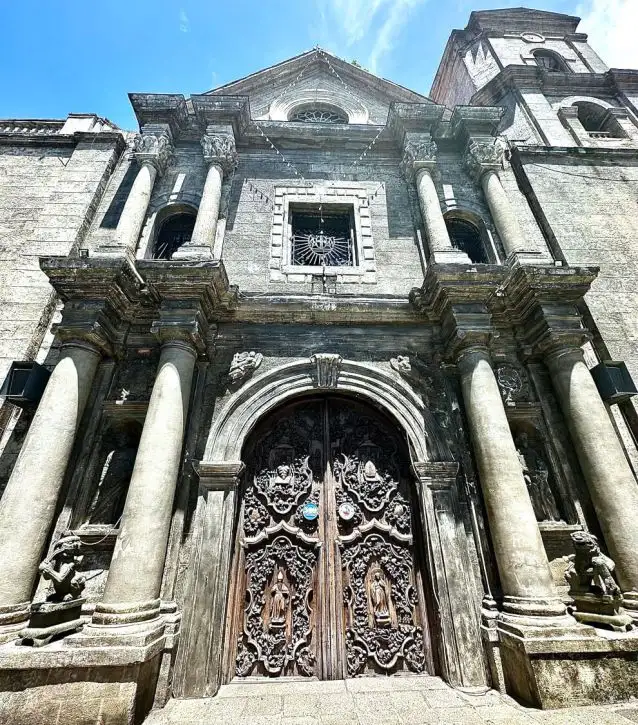
- Spanish colonial Manila and the walled city of Intramuros
- Bataan Peninsula and Corregidor Island World War II memorials
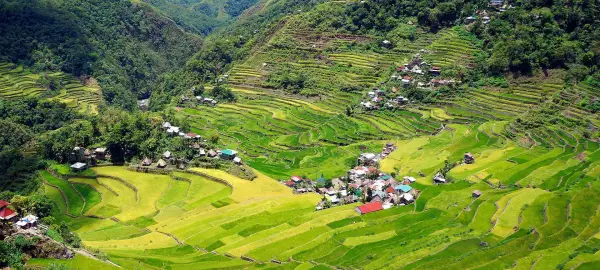
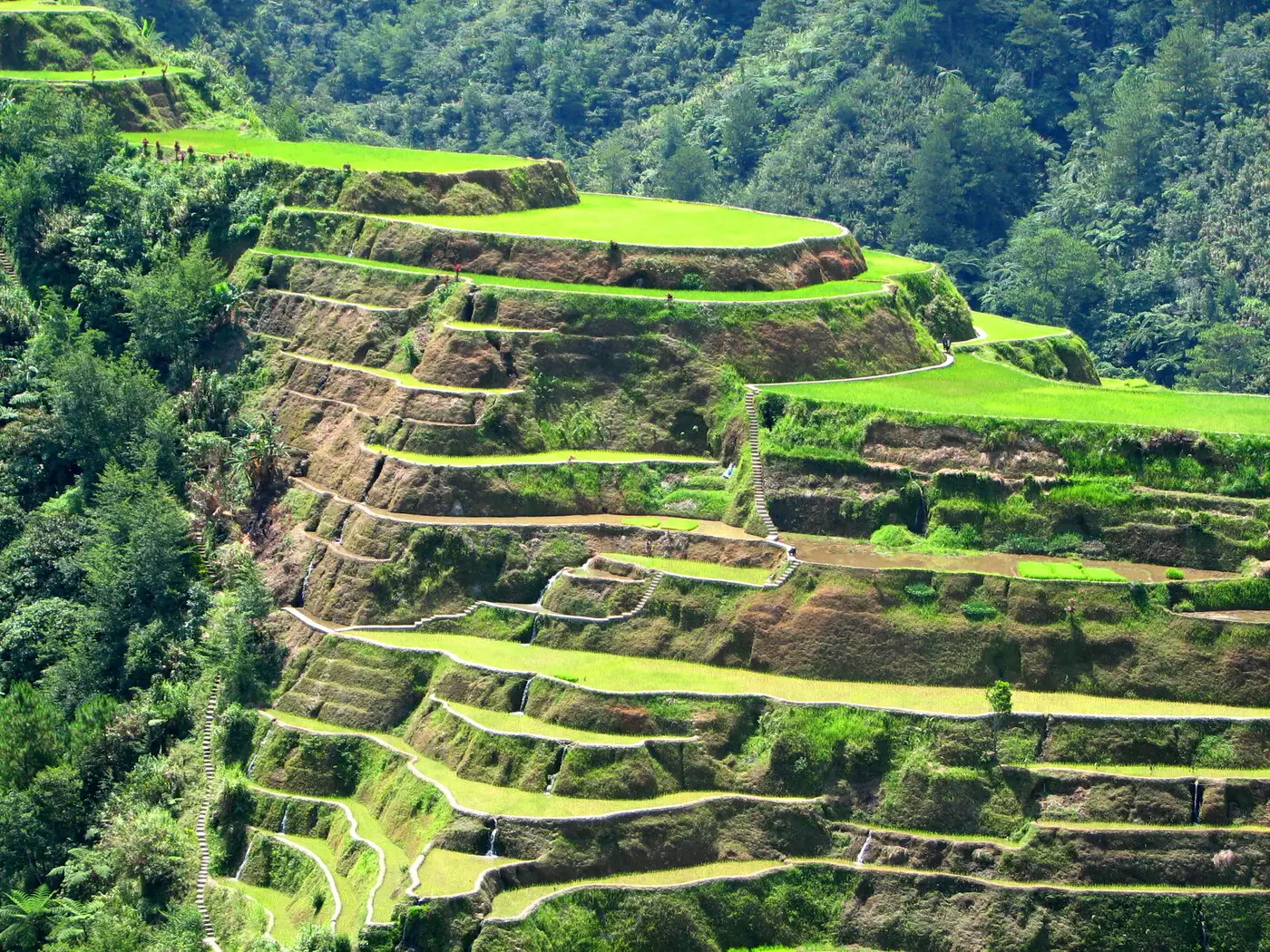
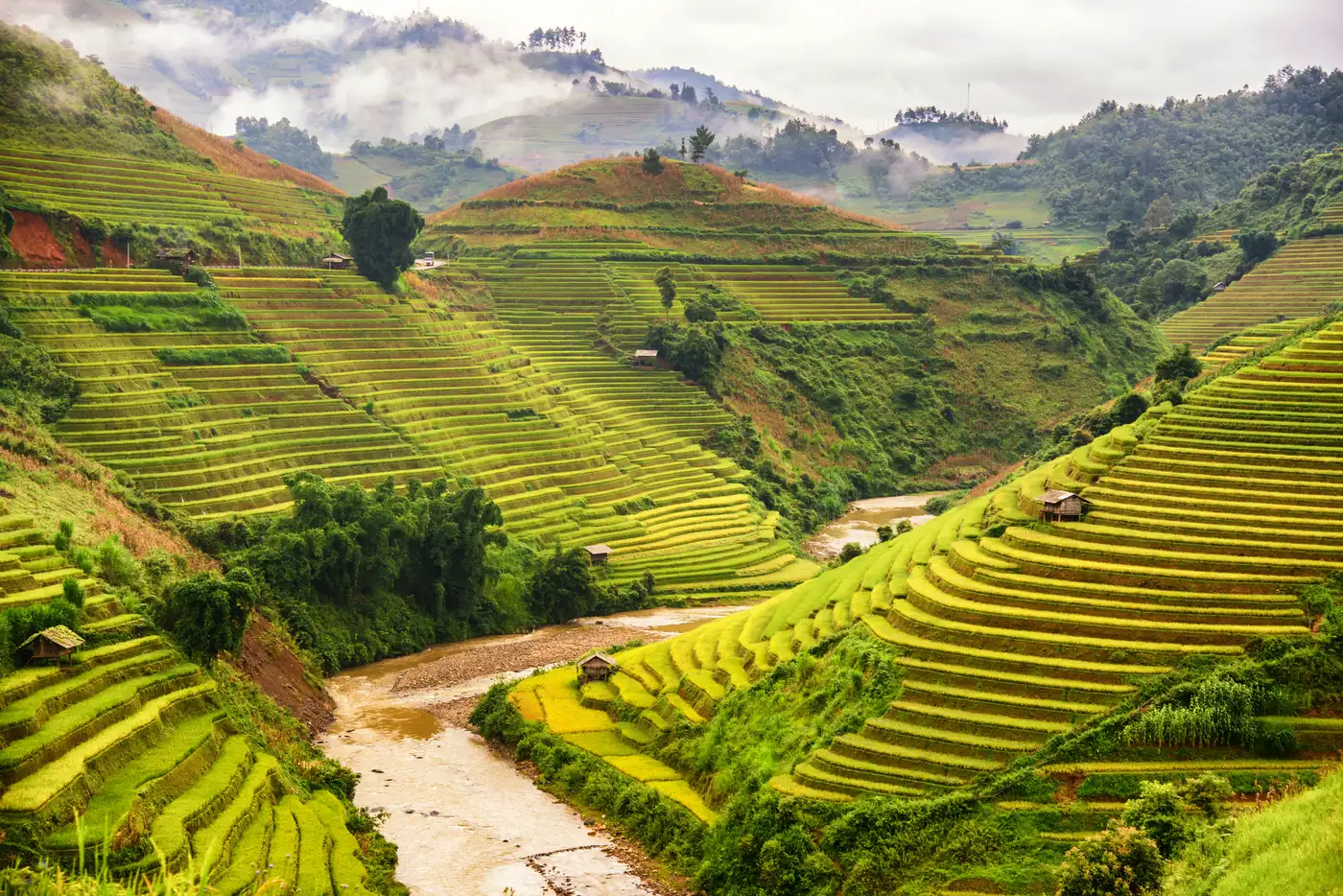
- Ifugao rice terraces near Banaue, a UNESCO World Heritage landscape of hand-carved mountainsides
- Cebu's Spanish heritage and the Visayan heartland
- Marine life encounters around Pamilacan Island
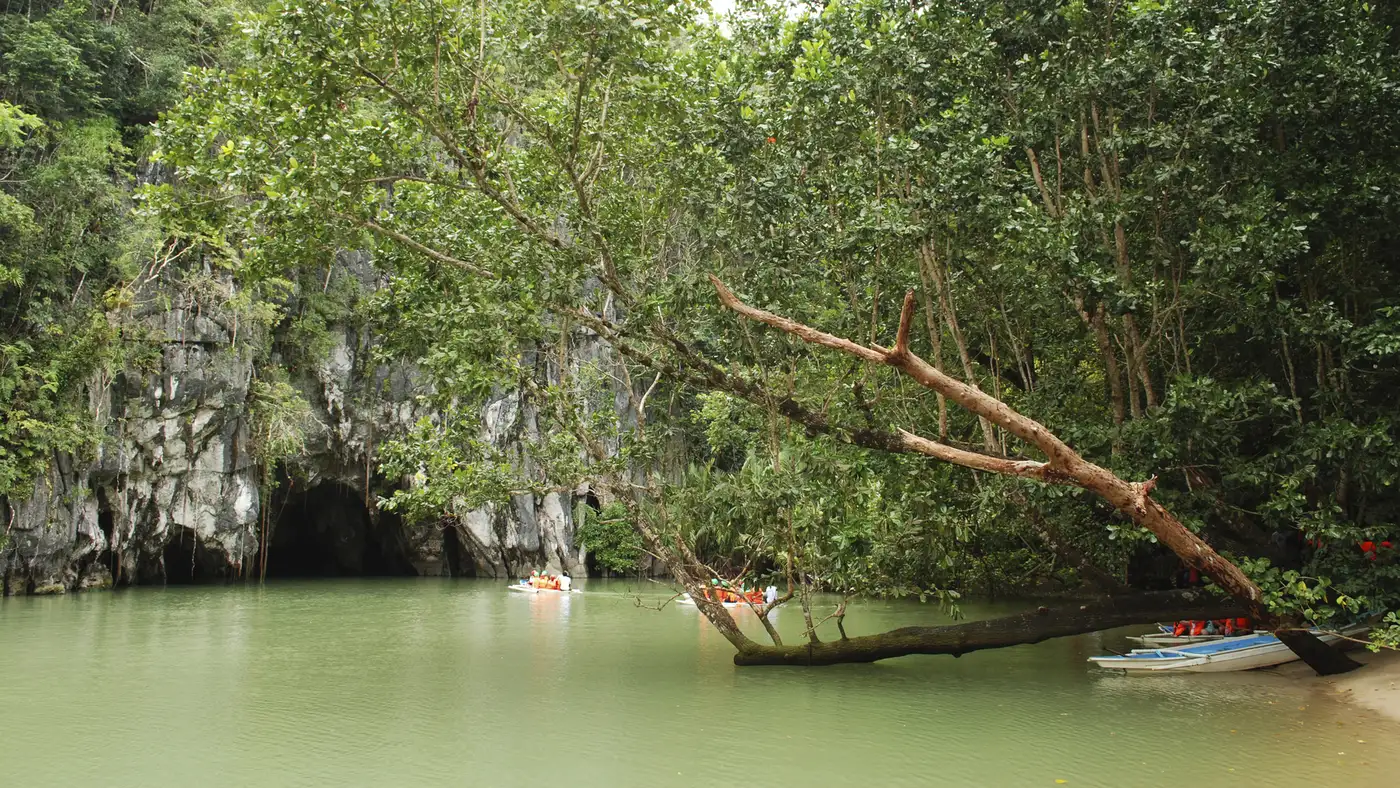
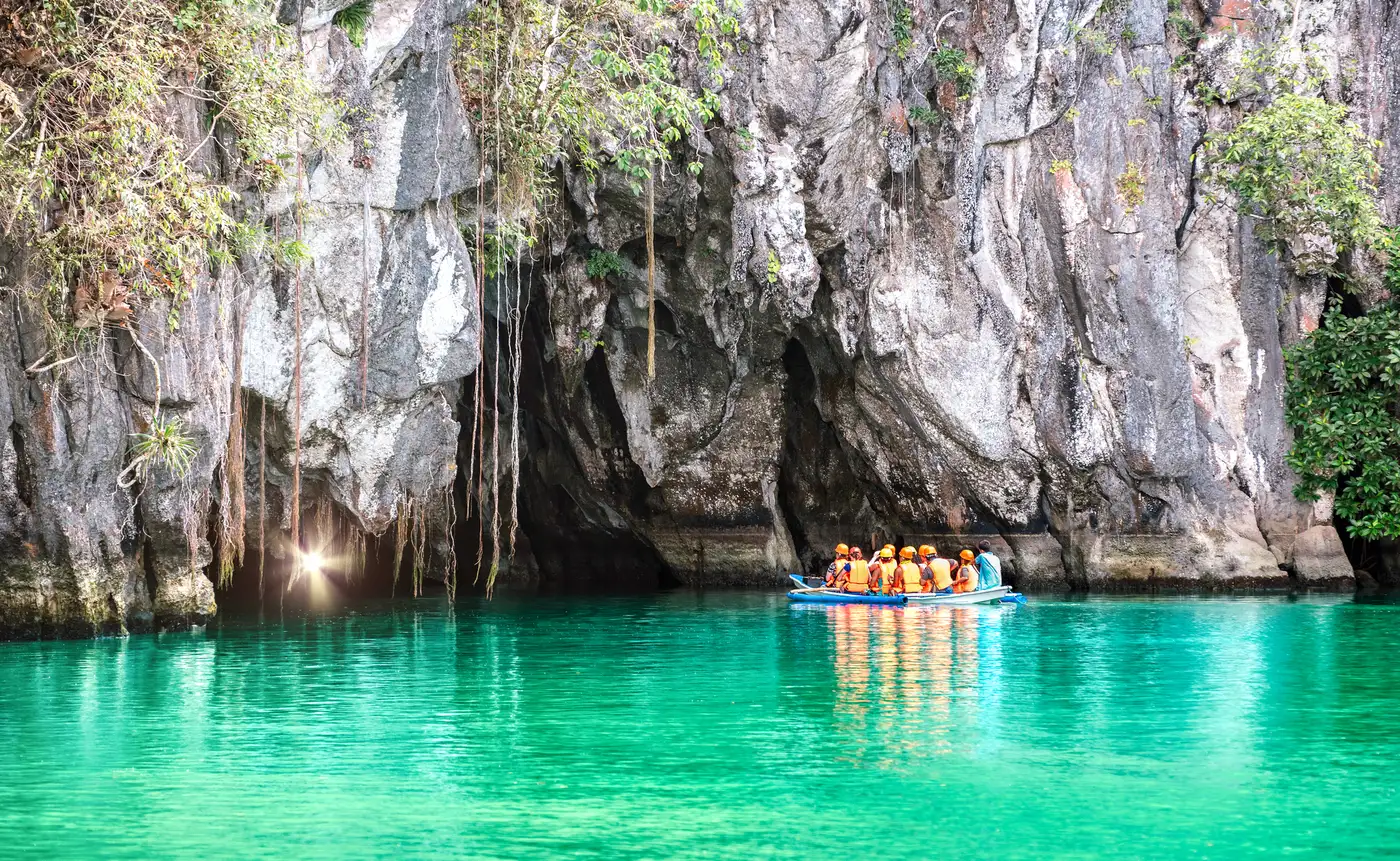
- Puerto Princesa Subterranean River National Park
- Singles friendly (view options for single travellers)
We begin where empires collided: Spanish Manila with its walled Intramuros, then Bataan Peninsula and Corregidor Island, where World War II memorials honour Filipino and American forces. From these lowlands we climb into the Cordillera Mountains, entering a different Philippines entirely. The Ifugao rice terraces near Banaue—carved by hand over two millennia—represent agricultural genius that predates colonial influence. American-era Baguio provides counterpoint: a hill station designed by Daniel Burnham reflecting a different colonial vision.
The journey's second half explores the Visayan heartland. Cebu marks where Magellan arrived in 1521 and Spanish colonization first took root. Rural Bohol preserves older rhythms—agrarian communities, centuries-old churches, and marine excursions around Pamilacan Island with dolphins and seasonal whales. We conclude in Palawan, the Philippines' ecological frontier, where the Puerto Princesa Subterranean River showcases protected forests and karst landscapes.
This itinerary balances substance with pacing, designed for travellers who appreciate how geography determines destiny and want to understand the forces—Indigenous resilience, colonial ambition, wartime sacrifice, environmental preservation—that shaped these seven thousand islands.
- MealsSavour authentic flavours with included daily breakfasts, some lunches, and most dinners at hotels or handpicked local restaurants—immersing you in local cuisine without worrying about reservations or budgets.
- Transport & Logistics
Private air-conditioned coaches and included internal ferries and flights—ensuring hassle-free travel so you can focus entirely on the discoveries ahead.
"Adventures Abroad tour leader's management and guest services managed the tour with great skill and dedication. The tour leader was on top of every move and transfer. We have not experienced any issues with logistics and had a great time."
~ JULIA O"The tour leader did an excellent job coordinating some difficult travel logistics, power outage issues and resolving problems and dealing with guests who had unrealistic expectations."
~ CYNTHIA COLLINS - Expert Guidance
Unlock insider secrets at every landmark with your full-time Tour Leader and expert local guides , all gratuities covered—no hidden tipping surprises—so you immerse fully in your destination's stories, worry-free. (Except for the tips to your tour leader at the end of your tour.)
"Amazing tour guide. Our tour guide was very well organized, Her passion, knowledge, and enthusiasm completely transformed the travel experience into something truly unforgettable..."
~ MELANIE LEMAIRE"Highly recommend every trip with Adventures Abroad. It's a well organized and well thought out adventure. The tour leaders are friendly, knowledgeable and experienced professionals. Highly recommend this company."
~ SUSAN WALL - Sightseeing & EntrancesAll entrance fees for sites visited as per the itinerary—no hidden costs—so you can explore ancient ruins and excursions with complete peace of mind.
- AccommodationsUnwind in clean, well-located 3 to 4-star hotels with private en suite facilities—handpicked for comfort and convenience after each day's discoveries—so you can rest easy knowing your stay supports the real adventure, not steals the spotlight.
- Small Group
Discover the world in small groups of up to 18 travellers plus your expert Tour Leader—unlocking spontaneity, off-the-beaten-path adventures, and genuine connections at a relaxed pace, free from crowds.
"Looking Forward to My Next Adventure The best feature of the Adventures tour was the small size that allowed the group to quickly load up, let everyone get acquainted within the first 24 hours, capitalize on unplanned surprises along..."
~ PHILIP BLENSKI"Good value for a great time I have traveled with Adventures Abroad for over 20 years now. Well thought out, interesting itineraries and the other travelers congenial and friendly. The price always seems fair and overall a..."
~ Trusted Customer - Airport Transfers For Land & Air CustomersWe handle hassle-free airport transfers for all our land and air tour customers—plus early arrivals or late departures when you book extra hotel nights directly with us for added peace of mind.
- International airfare to/from the tour
- Tour Leader gratuities, some dinners, most lunches, drinks, personal items (phone, laundry, etc)
- Domestic and international (if applicable) air taxes, visa fees, and any excursions referenced as 'optional'
- Airport transfers for Land Only customers
- Optional trip cancellation insurance.
- Seasonality and Weather:
January through March coincides with the Philippines' dry season, offering ideal conditions across this diverse itinerary. Lowlands around Manila and Bataan are warm and sunny with minimal rainfall, perfect for outdoor historical sites. The Cordillera highlands provide welcome relief—mild days and cool evenings with clear views across terraced valleys.
For island portions, February/March delivers excellent marine conditions. Seas around Bohol are generally calm, improving chances for dolphin and whale spotting. Visibility for snorkelling remains excellent. Palawan weather is similarly favourable—comfortable temperatures and sunny days for exploring the Underground River and Honda Bay. March offers the sweet spot: reliably dry, warm but not sweltering, before peak tourist season. - Transport and Travel Conditions:
This tour involves domestic flights between Manila, Cebu, and Puerto Princesa, plus a ferry crossing from Cebu to Bohol. Mountain driving in the Cordillera region follows winding roads with spectacular views, featuring hairpin turns and switchbacks typical of highland terrain. Elevations in the highlands reach approximately 1500 metres/4,900 feet—enough for cooler temperatures but not altitude concerns.
Daily touring includes walking on uneven surfaces at historical sites—sure footing and reasonable mobility are required. Island hopping in Honda Bay includes swimming and snorkelling opportunities for those interested.
Accommodation throughout is comfortable and well-located, ranging from established hotels in cities to resort properties. The tour's pacing allows rest between active days; understanding one of Asia's most culturally complex nations, from battlefields to terraced mountains to protected marine environments—justify the journey's modest physical requirements.
Am I suitable for this tour? Please refer to our self-assessment form - Activity Level: 2
These are particularly busy tours that feature a lot of moving around, sometimes by train and short journeys on local transport. Walking tours of towns and cities are leisurely but you should be prepared to be on your feet for several hours. Some of our cultural trips that occur at high altitude and/or require greater independence with baggage handling (at hotels, airports, train stations) also fall into this category.
To learn more about the Activity levels, please visit our tour styles page. - Accommodation:
Accommodation maintains a 4-5 star standard throughout. All properties offer en-suite facilities, air conditioning, and restaurants serving local and international cuisine.
Click on "Map & Hotels" for more information - Staff and Support:
Local guides, drivers, and Tour Leader (Jonathan Hodgson) throughout.
Please note: Any advance notice/advertising regarding tour leadership assignation was accurate as of tour publish date. Factors such as unforeseen placement challenges, illness/injury, personal/family obligations, and other logistical considerations may necessitate adjustments without notice or compensation. - Group Size:
Maximum 18 plus Tour Leader
- Day 1:Arrival in Manila, PhilippinesWe arrive in the Philippines, where more than 7,000 islands stretch between the South China Sea and the Pacific Ocean. Few nations have been so thoroughly shaped by geography: scattered across maritime trade routes, open to successive waves of influence, yet fragmented enough that older ways of life endured even as empires came and went. The result is a rare cultural fusion—Indigenous traditions persisting alongside Spanish Catholicism, American institutions layered over Asian foundations, regional languages coexisting with a shared national identity.
Arrival and transfer to our hotel; this evening we gather for a welcome dinner.
Overnight in Manila
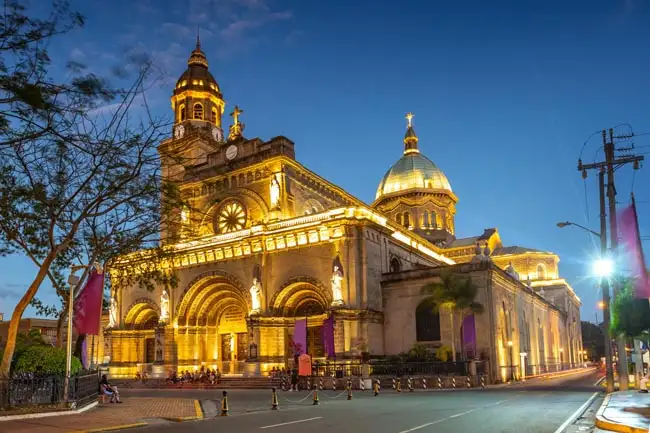
Included Meal(s): Dinner - Day 2:Manila: City TouringManila provides an essential introduction to the Philippines. As one of Asia's oldest colonial capitals, it reveals how Indigenous foundations, Spanish rule, and American planning combined to shape the modern nation. Our sightseeing begins at Rizal Park, dedicated to national hero José Rizal—poet, physician, and novelist whose execution by Spanish authorities in 1896 helped spark the independence movement. His death transformed him from critic into martyr, galvanizing Filipinos who had begun questioning three centuries of colonial rule.
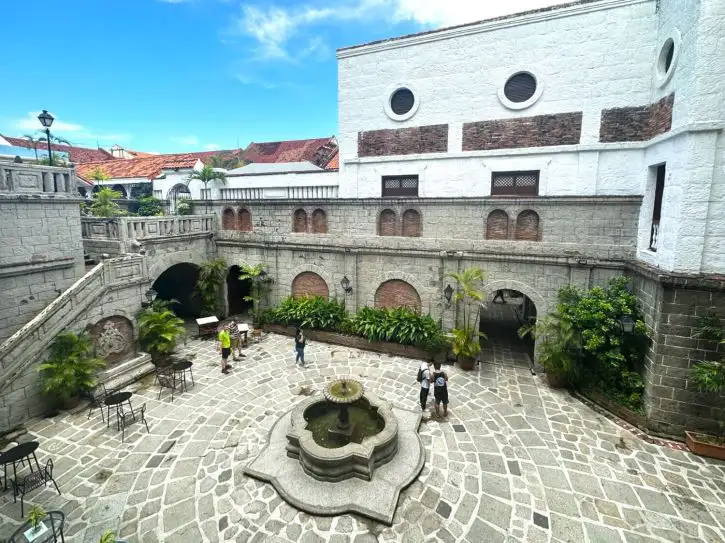
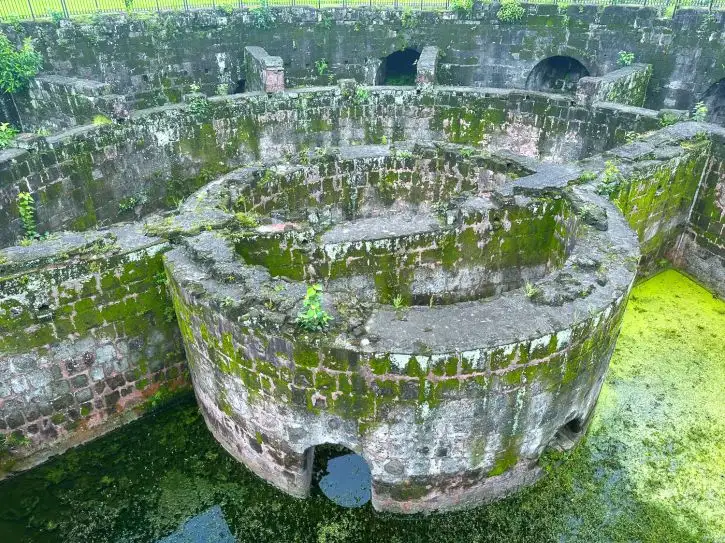
We continue into Intramuros, the walled city that served as the political, religious, and military centre of Spanish power. Massive stone walls nearly seven metres thick protected the seat of colonial administration, built by forced Filipino labour beginning in the 1590s. Visits include Fort Santiago, where Rizal spent his final days before execution, Casa Manila with its recreation of 19th-century aristocratic life, and the bastions of San Diego overlooking the Pasig River. The destruction wreaked here during the 1945 Battle of Manila—when these walls became a battlefield between American and Japanese forces—remains visible in shattered stonework and rebuilt churches.
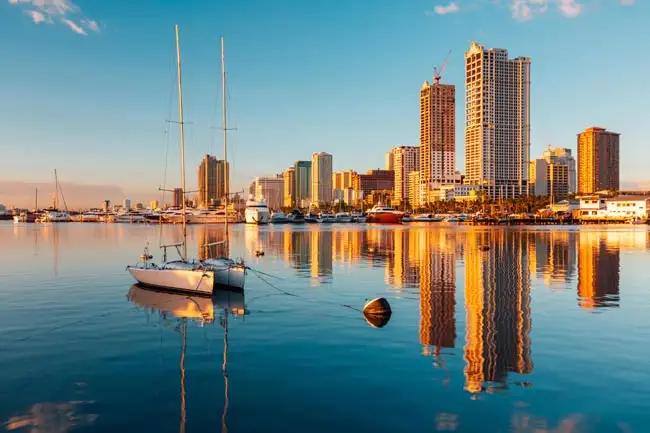
After lunch (included today instead of dinner), we contrast this colonial past with New Manila, driving along Roxas Boulevard past gleaming towers and the Cultural Center complex—legacies of post-independence nation-building. We conclude at the American Memorial Cemetery, where more than 17,000 graves mark the Philippines' strategic role in World War II and its enduring ties with the United States.
Overnight in Manila
Included Meal(s): Breakfast and Lunch - Day 3:Manila - Bataan PeninsulaWe leave the capital behind and travel to the Bataan Peninsula, where geography and history converge with particular force. Narrow peninsulas, jungle-covered hills, and coastal plains channelled the course of battle here in 1942, turning this region into one of the Pacific War's most significant—and tragic—battlegrounds. American and Filipino forces, already weakened by months of siege and dwindling supplies, made their last stand on Bataan before surrendering to Japanese forces in April 1942.
Our tour includes Mount Samat and its memorial shrine, dominated by a cross visible for kilometres around. The memorial honours the Battle of Bataan and the combined Filipino-American forces who fought alongside one another against impossible odds—outnumbered, undersupplied, weakened by malaria and starvation, yet holding out for three months longer than military planners thought possible.
After lunch, we follow the opening stretch of the Bataan Death March from Mariveles. Between 60,000 and 80,000 prisoners of war—both Filipino and American—were forced to march 100 kilometres north in tropical heat, denied food and water, with thousands dying along the route. Memorials mark key points along the road, restoring human context to an event too often reduced to statistics. The kilometres of asphalt we cover by comfortable coach represent just the beginning of a journey that claimed thousands of lives.
Overnight in Bataan
Included Meal(s): Breakfast, Lunch and Dinner - Day 4:Bataan: Corregidor IslandToday we continue our exploration of wartime history with an excursion to Corregidor Island, the fortified island guarding the entrance to Manila Bay. Known as "The Rock," Corregidor was the last Allied stronghold to fall in 1942, and its story is inseparable from the broader history of the Pacific War. From this strategic position, American forces controlled access to Manila's harbour—until Japanese bombardment forced their evacuation.
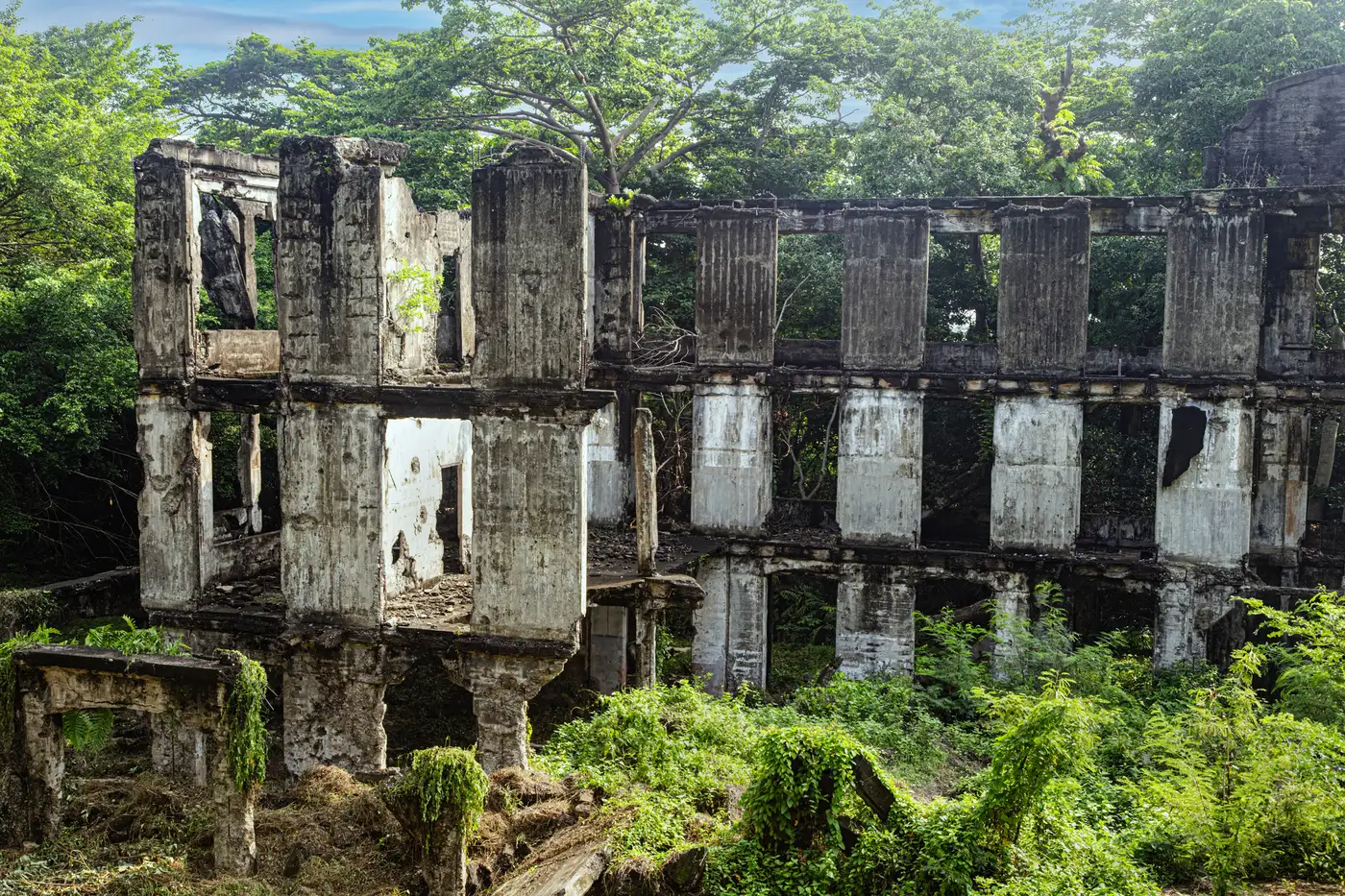
Our guided tour visits the skeletal remains of Middleside Barracks, where you can still see the twisted iron and shattered concrete left by relentless shelling. Artillery batteries that once commanded the sea approaches now stand silent, their massive guns still pointed toward channels they could no longer defend. The Pacific War Memorial honours both Filipino and American forces who fought here, while weathered plaques name units and individuals who never left the island.
The tour culminates with the Light and Sound presentation in the Malinta Tunnel, the vast underground complex carved through solid rock that served as General Douglas MacArthur's headquarters, hospital, and eventual refuge. As projections play across tunnel walls and period broadcasts echo through the chambers, the desperation of those final weeks before surrender becomes palpable. We return to Bataan later in the day for dinner.
Overnight: Bataan
Included Meal(s): Breakfast, Lunch and Dinner - Day 5:Bataan - BanaueToday marks a profound shift—from lowland history to highland culture, from the world shaped by colonial powers to one that largely resisted them. We journey north into the Cordillera Mountains, rugged highlands where Indigenous communities maintained ways of life that developed independent of Spanish or American control. The road climbs through changing landscapes: rice paddies giving way to pine forests, valleys narrowing into gorges, until we enter true mountain country.
As we gain elevation, we enter Ifugao territory, a cultural realm as distinct from lowland Philippines as the mountains themselves are from Manila Bay. The Ifugao people developed sophisticated agricultural systems and maintained animist spiritual practices even as Christianity spread through the islands below. We arrive in Banaue in the late afternoon, surrounded by one of Southeast Asia's most remarkable cultural landscapes—rice terraces carved into mountainsides over two millennia.
Overnight in Banaue
Included Meal(s): Breakfast and Dinner - Day 6:Banaue: Rice Terraces & VillagesThe Ifugao rice terraces are not simply scenic—they are a living expression of social organization, spiritual belief, and environmental knowledge refined over more than 2,000 years. These terraces represent one of humanity's most impressive feats of landscape engineering: entire mountainsides transformed into productive farmland through communal labour, sophisticated irrigation systems that channel water from forest headwaters through stone channels and bamboo pipes, and an understanding of soil conservation that has sustained rice cultivation for millennia. Built without machinery or draft animals, maintained across generations, they demonstrate what human ingenuity can achieve when tied to place over deep time.
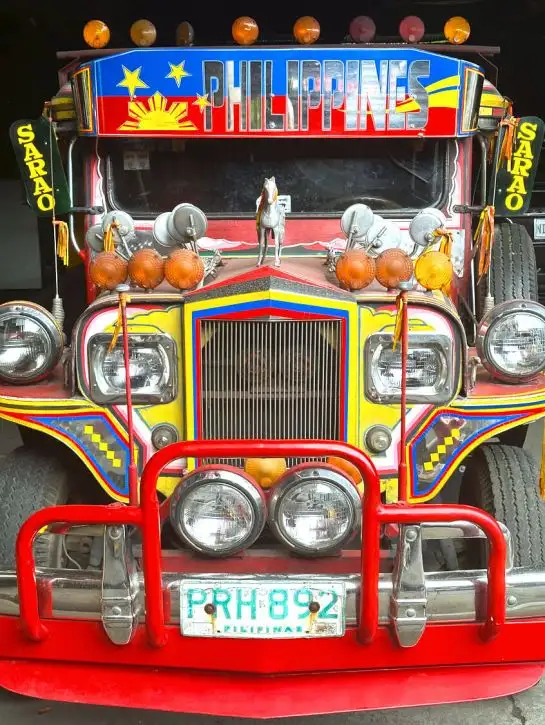
Travelling by local jeepney along narrow mountain roads, we visit a traditional village such as Banga-an and walk among the terraces themselves. Stone walls rise in steps from valley floors to ridgelines, each terrace level precisely graded to hold water and prevent erosion. We gain insight into Ifugao daily life—the rice cultivation cycle tied to ancestral rituals, communal work parties that maintain the irrigation systems, traditional houses raised on stilts with cogon grass roofs. Carefully chosen viewpoints reveal the extraordinary scale of this UNESCO World Heritage Site. If laid end to end, these terraces would circle half the globe.
Overnight in Banaue
Included Meal(s): Breakfast and Lunch - Day 7:Banaue - BaguioWe descend from the Ifugao highlands to Baguio, encountering yet another layer of Philippine history. Established in the early 20th century as an American hill station, Baguio reflects a different colonial vision—one built on urban planning, public education, and summer retreats rather than Catholic missions and fortified towns. The contrast with Spanish Manila could hardly be sharper: wide boulevards inspired by Washington DC, pine-covered hills that reminded American administrators of home, a temperate climate that offered escape from tropical heat. American architect Daniel Burnham designed the city centre, creating a grid of parks and civic buildings meant to showcase progressive colonial administration.
Today Baguio serves as an important cultural centre for the Cordillera region, bridging highland and lowland worlds. The city draws Indigenous peoples for trade and education while maintaining its role as a cool-season retreat. Our sightseeing includes Burnham Park—the landscaped public space at the city's heart—and the Cathedral of Our Lady of the Atonement, whose rose-tinted walls have made it Baguio's most recognizable landmark. We visit the BenCab Museum, where contemporary Filipino art meets traditional Cordillera culture. Artist Ben Cabrera's works and collection offer insight into modern Filipino artistic expression while honouring Indigenous traditions that continue shaping the nation's cultural identity.
Overnight in Baguio
Included Meal(s): Breakfast, Lunch and Dinner - Day 8:Baguio - Fly to CebuWe return to Manila and fly south to Cebu in the Visayas, the central island group where a different strand of Philippine identity took root. This is not merely a geographic shift but a cultural one: the Visayas developed distinct languages, customs, and historical experiences from Luzon, reminding us that "the Philippines" has always been a confederation of island worlds as much as a unified nation. Cebuano, not Tagalog, is the primary language here—one of more than 170 languages spoken across the archipelago.
Cebu holds a special place in Philippine history. It was here that Ferdinand Magellan arrived in 1521, here that the first Catholic mass in the Philippines was celebrated, and here that Spanish colonization first took lasting hold. The fusion of Indigenous and Catholic traditions that began in Cebu would eventually spread across the archipelago, creating cultural patterns that define the Philippines today. On arrival, we transfer to our hotel in Cebu.
Overnight in Cebu
Included Meal(s): Breakfast and Dinner - Day 9:Cebu City Tour & Ferry to BoholThis morning we explore Cebu City, where Spanish colonization first took lasting root. We begin at the Cebu Heritage Monument, a dramatic tableaux of sculptures depicting key moments in Cebuano history—Magellan's arrival, the first baptisms, the Battle of Mactan—compressed into bronze and concrete. The monument serves as visual primer for understanding the layers of history we're about to encounter.
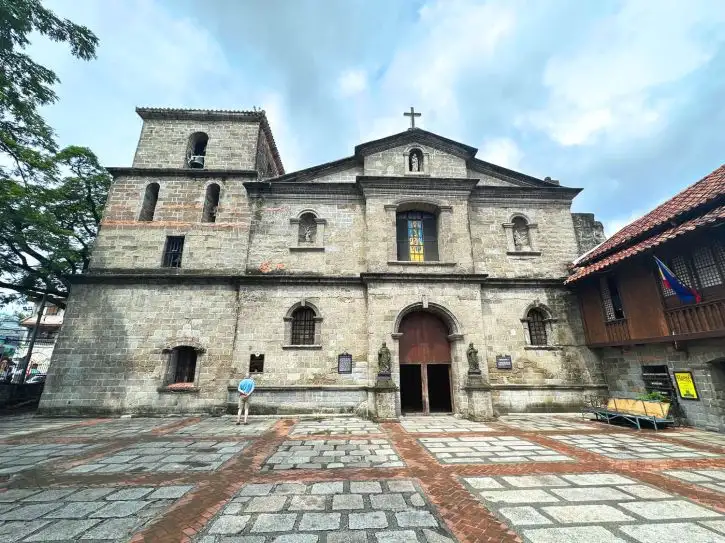
From here we visit Magellan's Cross, planted in 1521 to mark the islands' first conversions to Christianity, now protected under an octagonal pavilion where pilgrims still light candles and leave offerings. The Basilica of Santo Niño houses the most venerated religious object in the Philippines—a statue of the infant Jesus given to Queen Juana by Magellan himself, the only artifact from that first Spanish expedition to survive. The devotion shown to Santo Niño demonstrates how deeply Catholicism embedded itself in Filipino society, transforming from colonial imposition to genuine popular faith.
Fort San Pedro, built in 1565, reflects the constant need for coastal defence in a contested archipelago. Its thick coral stone walls protected Spanish settlers from Moro raiders and rival European powers. We also visit the Taoist Temple in the Beverly Hills subdivision, its colourful pagoda-style architecture and ceremonial incense offering glimpses of Cebu's Chinese-Filipino community and their preservation of traditional beliefs alongside the dominant Catholic culture.
Beyond these monuments, heritage homes reveal how Spanish-Filipino merchant families built their lives within the colonial system—architecture that fuses Iberian design with tropical adaptations and local materials, reflecting the cultural blending that defined colonial Cebu.
After lunch, we cross the Bohol Strait by ferry to Bohol, an island that has preserved older, more agrarian rhythms even as the modern Philippines evolved around it.
Overnight in Bohol
Included Meal(s): Breakfast, Lunch and Dinner - Day 10:Bohol CountrysideBohol offers something increasingly rare in the Philippines—a landscape still shaped more by agriculture and community rhythms than by urbanization. Rice paddies, coconut plantations, and root crop farms define the interior, worked by families whose ties to particular villages stretch back generations.
Our exploration begins at the Blood Compact Shrine, commemorating the sandugo (blood compact) performed in 1565 between Spanish explorer Miguel López de Legazpi and Datu Sikatuna, a local chieftain. This ritual—mixing blood from both men and drinking it—sealed the first treaty of friendship between Filipinos and Europeans, establishing patterns of alliance that would shape centuries of colonial interaction.
We continue to Baclayon Church, one of the country's oldest stone churches. Construction began in the 1590s, though the building wasn't completed until 1727. Its massive coral walls—cut from reefs and mortared with millions of egg whites—testify to both Spanish ambition and Filipino labour. The church survived earthquakes, typhoons, and wars before suffering severe damage in the 2013 earthquake; its restoration reveals construction techniques perfected over centuries of tropical building.
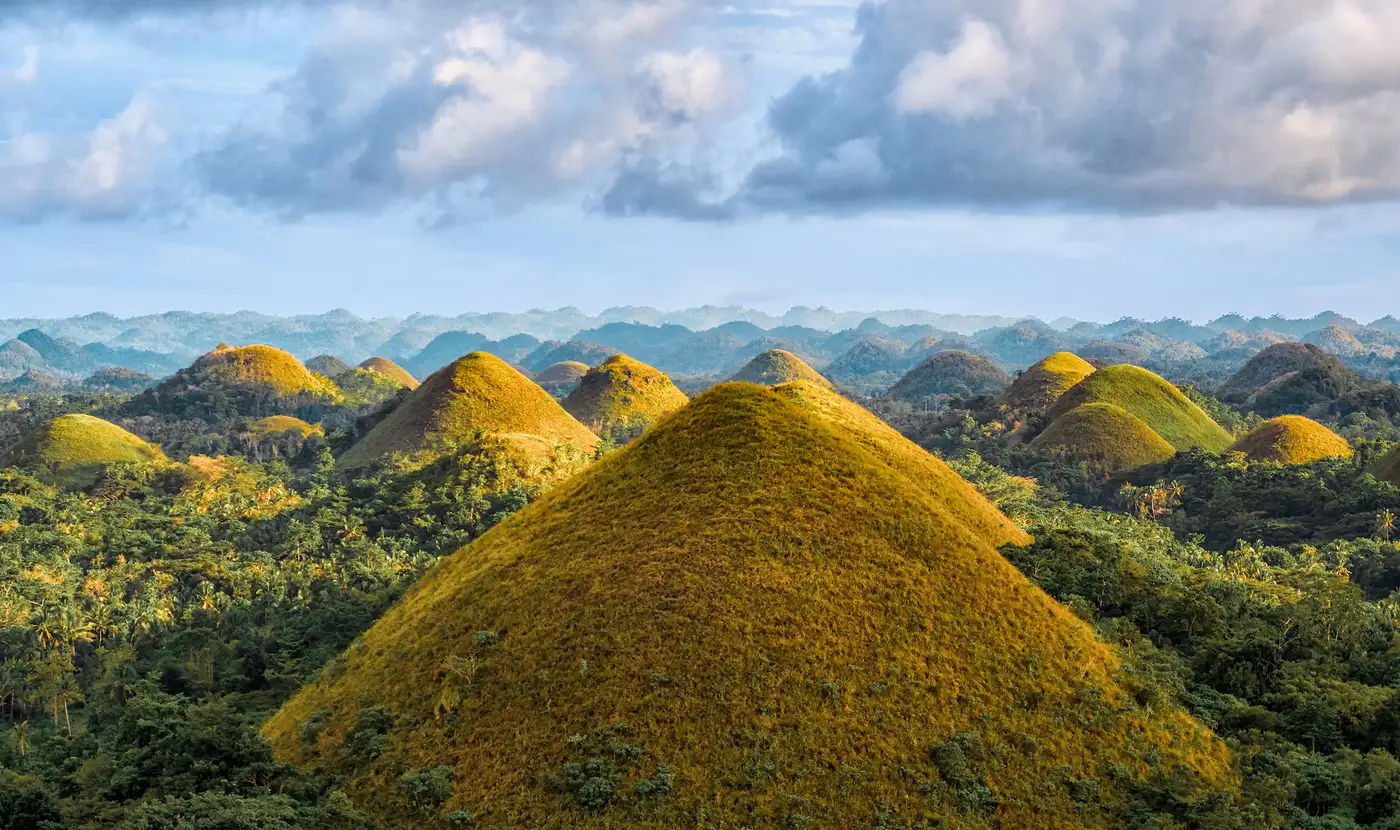
From here we drive through the Mahogany Forest, where thousands of trees planted in the 1960s now create a cathedral-like canopy, before emerging into fertile interior farmlands. We pause at viewpoints overlooking the famous Chocolate Hills—1,776 grass-covered limestone mounds that turn chocolate brown in the dry season. These unusual geological formations have become a national symbol.
A leisurely river cruise on the Loboc River includes lunch on board as we drift past jungle banks and traditional villages. We conclude with a visit to the Philippine Tarsier Sanctuary, where conservation efforts protect one of the world's smallest and most endangered primates—palm-sized creatures with enormous eyes adapted for nocturnal hunting.
Overnight in Bohol
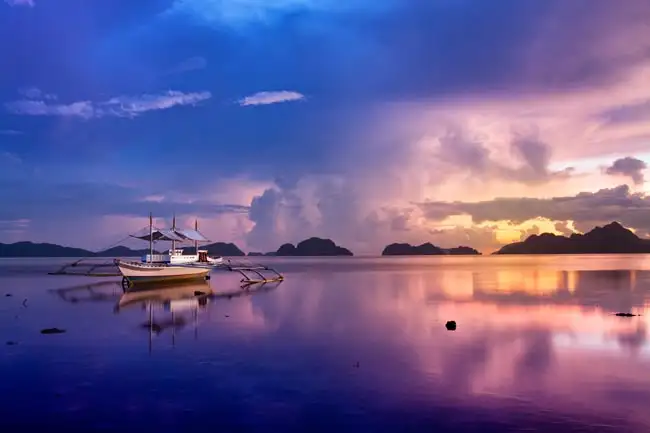
Included Meal(s): Breakfast, Lunch and Dinner - Day 11:Pamilacan Island Marine Life ExcursionWe venture into the waters around Pamilacan Island, an area renowned for marine biodiversity where the Bohol Sea meets the deeper channels of the Philippine archipelago. Dolphin sightings are common in these waters—spinner dolphins that leap and spin above the surface, or bottlenose dolphins cruising in pods. Seasonally, whales pass through: Bryde's whales, occasionally pilot whales or even blue whales using these channels as migration corridors.
The involvement of local spotters adds depth to the experience. Many guides once hunted whales and dolphins for subsistence, using traditional hunting methods passed down through generations. The shift toward conservation-based livelihoods—offering wildlife tours instead of hunting—illustrates a broader reckoning with how rapidly marine resources can be depleted. What was sustainable for small populations becomes unsustainable as numbers grow and markets expand.
Time is allowed for swimming and snorkelling over coral reefs where parrotfish graze and surgeonfish patrol the reef edge. We visit the island community itself, offering a glimpse of coastal life in the Visayas—fishing boats pulled onto beaches, houses raised on stilts, a way of life still intimately connected to tides and seasons. A picnic-style lunch is included before returning to the resort.
Overnight in Bohol
Included Meal(s): Breakfast and Lunch - Day 12:Bohol - Fly to Puerto Princesa, PalawanWe fly via Manila to Palawan, the Philippines' ecological frontier. Less densely populated than Luzon or the Visayas, Palawan escaped the intensity of both Spanish colonization and modern development. Its distance from Manila and rugged terrain meant mission churches and garrison towns remained sparse, leaving vast areas of forest and coast relatively undisturbed. Today this makes Palawan invaluable—a place where protected forests, karst landscapes, and marine environments still dominate, offering refuge for species that have vanished elsewhere.
Our arrival in Puerto Princesa introduces the environmental themes that define the final stage of our journey. This is a shift from human history to natural heritage, from understanding how the Philippines was shaped by outside forces to seeing what the islands preserve when left more to themselves. Palawan represents the Philippines that might have been—or perhaps, with sufficient protection, might still be.
Overnight in Puerto Princesa
Included Meal(s): Breakfast and Dinner - Day 13:Underground River National ParkToday we visit the Puerto Princesa Subterranean River National Park, one of the world's most important protected karst ecosystems. Recognized as both a UNESCO World Heritage Site and one of the New Seven Wonders of Nature, the park represents the Philippines' growing commitment to conservation—a recognition that natural heritage deserves protection as carefully as historical monuments. The park encompasses over 22,000 hectares of old-growth forest, mangroves, and coastal habitat, providing sanctuary for species ranging from monitor lizards to Palawan peacock-pheasants.
Travelling by boat, we enter the cave system where the Cabayugan River disappears underground. We glide along the subterranean river beneath vast chambers shaped over millions of years by water dissolving limestone, creating a cathedral of stone. Stalactites hang from ceilings like frozen waterfalls, stalagmites rise from the riverbed, and in places the cavern walls recede into darkness beyond the reach of our lights. The silent darkness, broken only by the sound of paddles and dripping water, creates a sense of entering geological deep time—processes operating on timescales far beyond human history, forces that were shaping these islands long before the first humans arrived.
Overnight in Puerto Princesa
Included Meal(s): Breakfast, Lunch and Dinner - Day 14:Honda Bay & Puerto Princesa CityOur final full day balances natural beauty with historical reflection. We begin with island hopping in Honda Bay, where limestone karst islands rise from turquoise shallows. We stop at several small islands—perhaps Luli Island, which appears and disappears with the tides, or Starfish Island, named for the orange starfish visible in shallow water. Time is allowed for swimming, snorkelling over coral gardens, and simply relaxing on white sand beaches. These protected waters showcase why Palawan is considered the Philippines' last ecological treasure.
After lunch, we explore Puerto Princesa itself. The Crocodile Farm serves both as tourist attraction and breeding centre for the critically endangered Philippine crocodile, a species pushed to the brink by habitat loss and hunting. We visit the Iwahig Penal Colony, an unusual open prison where inmates farm rice and raise livestock with minimal supervision—an experiment in progressive penal reform now over a century old. Finally, we stop at Plaza Cuartel, site of a grim World War II event when Japanese forces burned alive more than 140 American prisoners of war as they retreated from advancing Allied forces. The memorial stands as quiet testimony to that atrocity.
This evening we gather for our farewell dinner, reflecting on a journey that has taken us from colonial cities to highland terraces, from war memorials to island sanctuaries.
Overnight in Puerto Princesa
Included Meal(s): Breakfast, Lunch and Dinner - Day 15:Depart Puerto PrincesaTransfer to the airport for your onward or return flight, marking the end of our journey through the Philippines.
Bon voyage and paalam!
Included Meal(s): Breakfast
Countries Visited: Philippines
*The red tour trail on the map does not represent the actual travel path.


Book This Tour
- Final payment: Due 90 days prior to departure.
- Deposit: A non-refundable $1000 CAD Deposit is required at booking.
- Optional Single Supplement: $1900 CAD (number of singles limited).
(View options forsingle travellers) - Transfering Tour or Date: Transferring to another tour or tour date is only permissible outside of 120 days prior to departure and is subject to a $100 CAD change fee.
(Read our cancellation policy)
Prices below are per person, twin-sharing costs in Canadian Dollars (CAD). Pricing does not include airfare to/from the tour and any applicable taxes.
Frequently Asked Questions
- What is the maximum number of participants on a trip?Most of our tours carry a maximum of 18 participants; some tours (ie hiking tours) top out at 16. In the event that we do not achieve our minimum complement by our 90-day deadline, we may offer group members the option of paying a "small-group surcharge" as an alternative to cancellation. If all group members agree, we will confirm the trip at existing numbers; this surcharge is refundable in the event that we ultimately achieve our regular minimum. If the small group surcharge is not accepted, we will offer a refund of your deposit or a different trip of your choice.
- Can I extend my tour either at the beginning or end? What about stopovers?Yes, you can extend your tour either at the beginning or the end and we can book accommodation in our tour hotel. Stopovers are often permitted, depending on air routing. Stopovers usually carry a "stopover" fee levied by the airline.
- How do I make a reservation? How and when do I pay?The easiest way to make a reservation is via our website; during office hours, you are also more than welcome to contact us by telephone.
A non-refundable deposit is payable at the time of booking; if a reservation is made within 90 days, full payment is required. Some trips require a larger deposit. If international airline bookings require a non-refundable payment in order to secure space or the lowest available fare, we will require an increase in deposit equal to the cost of the ticket(s).
Early enrolment is always encouraged as group size is limited and some trips require greater preparation time.
Once we have received your deposit, we will confirm your space and send you a confirmation package containing your trip itinerary, any visa/travel permit related documents, invoice, clothing and equipment recommendations, general information on your destination(s), and forms for you to complete, sign and return to us. Your air e-tickets (if applicable), final hotel list, final trip itinerary, and instructions on how to join your tour, will be sent approximately 2-3 weeks prior to departure. - What about cancellations, refunds, and transfers?Please review our cancellation policy page for details.
- I am a single who prefers my own room. What is a single supplement?All of our tours have a single supplement for those who want to be guaranteed their own room at each location.
This supplement is a reflection of the fact that most hotels around the world do not discount the regular twin-share rate for a room by 50% for only one person occupying a room. Most hotels will give a break on the price, but usually in the range of 25-30% of the twin-share rate. This difference, multiplied by each night, amounts to the single supplement.
The conventional amount can also vary from country to country and some destinations are more expensive than others for single occupancy. In order to be "single friendly," the supplements we apply are not a profit centre for us and we do our best to keep them as reasonable as possible.
On most tours we limit the number of singles available, not to be punitive, but rather because many hotels allow for only a limited number of singles; some smaller hotels at remote locations also have a limited number of single rooms available.
Please note that most single rooms around the world are smaller than twin-share rooms and will likely have only one bed. - Do you have a shared accommodation program?Yes! If you are single traveller and are willing to share, we will do our best to pair you with a same-gender roommate. Please note that should we fail to pair you, we will absorb the single supplement fee and you will default to a single room at no extra charge.