This morning we ferry to Nisyros — a volcano rising from the sea, still steaming. The crossing takes roughly two and a half hours, arriving with the afternoon ahead.
Nisyros sits atop an active volcano. Greece's youngest volcano. Population approximately 1,000. The island features one of the world's largest hydrothermal craters, natural hot springs with waters ranging from 30 to 60 degrees Celsius. The oldest rock formations date 160,000 years back; the youngest are approximately 15,000 years old. The island is, geologically speaking, a teenager.
In Homer's Iliad, Nisyros contributed ships to the Greek force sailing against Troy. Later it joined the Athenian alliance. Today the economy runs on fishing, agriculture, tourism, and mineral extraction — pumice and perlite quarried from volcanic deposits and shipped worldwide. The island is literally being mined, slowly disassembled, a resource base rather than an agricultural one.
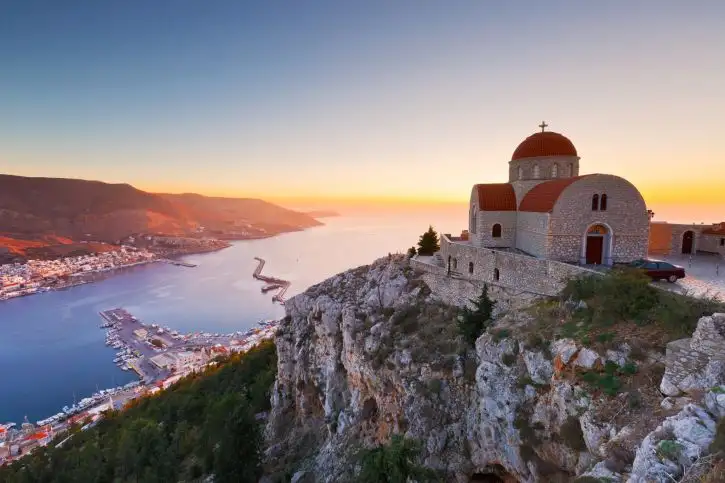
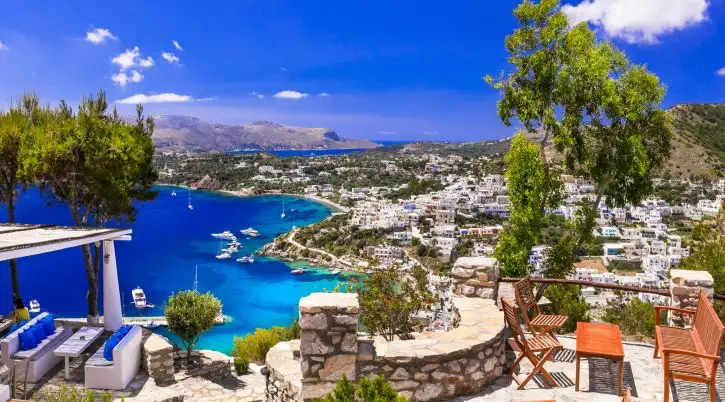
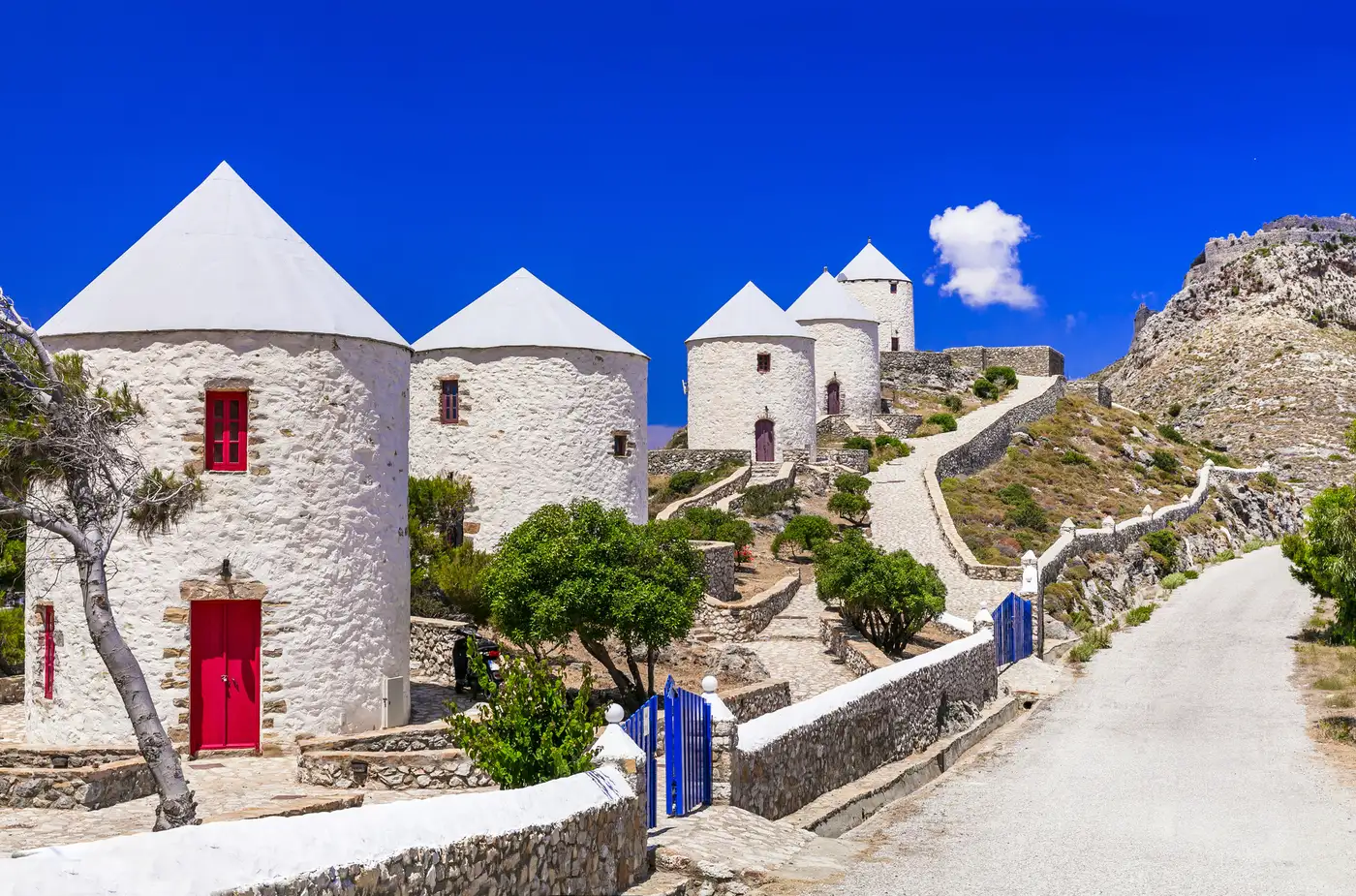
Our hotel sits near Mandraki, the island's small port and capital. Narrow lanes wind through a medieval castle district. Whitewashed houses, traditional architecture — the island has resisted major development, partly because it's less accessible, partly because tourism never arrived at scale.
During our stay we'll explore Mandraki's Archaeological Museum, displaying artifacts revealing the island's long history. At the Folklore Museum we'll see photographs and objects from recent centuries.
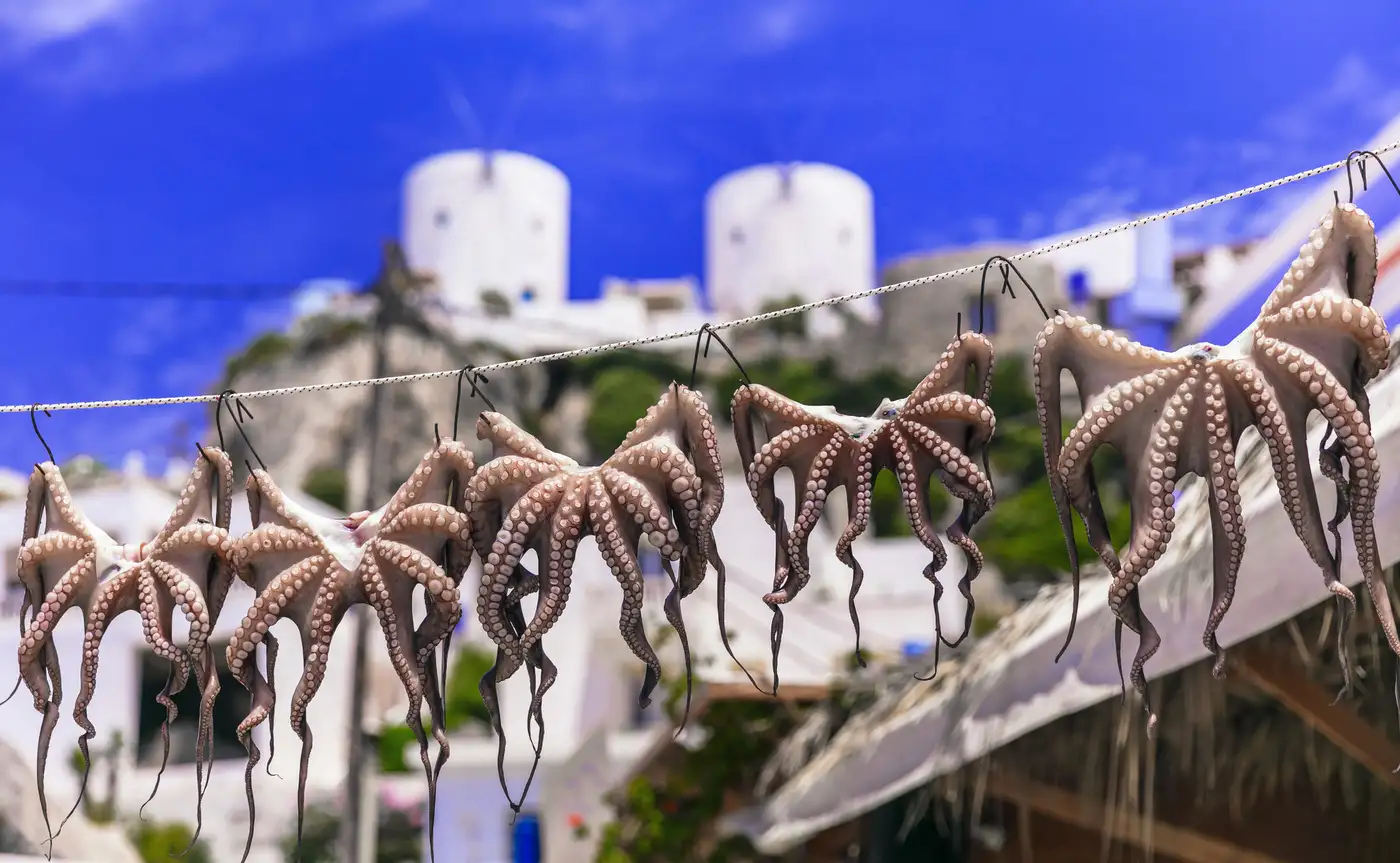
Local specialties include pythia — a chickpea-based dish — and koukouzina, a traditional spirit distilled from grapes and figs.
NOTE: Ferry schedules are subject to change based on weather, vessel availability, and seasonal variations. The sequence of islands visited and specific sightseeing activities may vary for your chosen departure date.
Overnight on Nisyros.
Included Meal(s): Breakfast and Dinner