Tourcode: CC1
- Overview
- Info & Inclusions
- Itinerary
- Map & Hotels
- Photos
- Dates & Prices
- Max Group Size 18
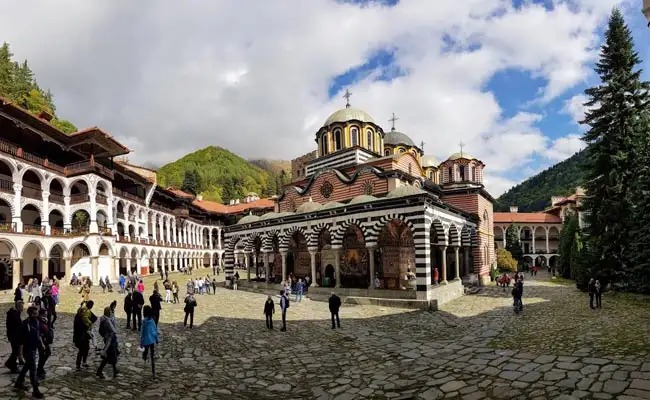
- Rila Monastery's mountain sanctuary
- Four days exploring Istanbul's Byzantine and Ottoman heritage
- Georgian supra feast with qvevri wines and polyphonic song
- Overland Caucasus journey crossing into Armenia
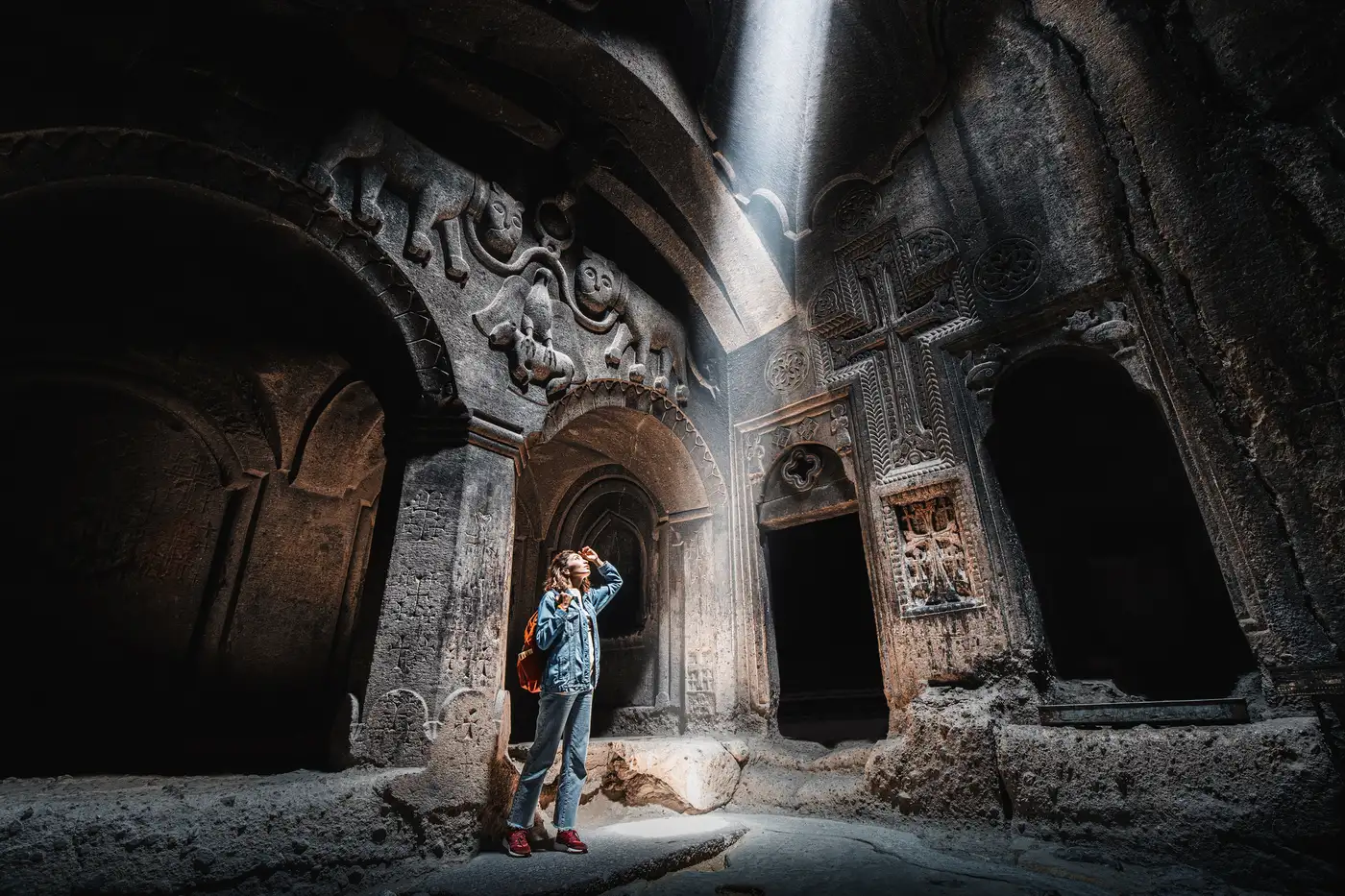
- Geghard Monastery carved into mountain cliffs
- Khor Virap beneath Mount Ararat's biblical peaks.
- Singles friendly (view options for single travellers)
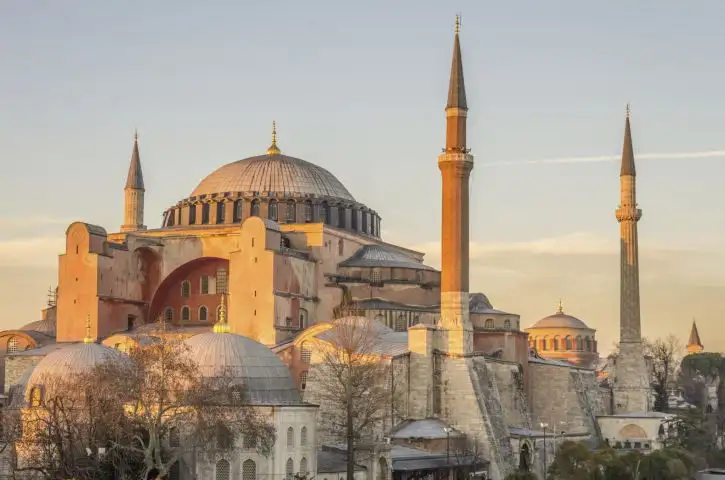
A major highlight is Istanbul, where four days reveal layers of Byzantine, Ottoman, and modern Turkish history—Hagia Sophia's soaring dome, Topkapi Palace's imperial chambers, and the Bosphorus where Europe and Asia meet. We explore Bulgaria's mountain-perched Rila Monastery and Plovdiv's Roman amphitheatre, taste Georgian wines fermented in qvevri clay vessels according to 8,000-year-old methods, and attend a supra feast where toasts and polyphonic song follow ancient protocols.
The tour culminates in Armenia, the world's first Christian nation. We visit Etchmiadzin Cathedral (built 303 AD), explore Geghard Monastery carved into mountain cliffs, and stand before Garni Temple, Armenia's sole surviving pagan structure.
From Bulgarian icons through Istanbul's minarets to Armenian khachkar crosses, this journey reveals how faith and cultural memory survived empires that rose and vanished—while the churches and traditions endured.
- Full-time Tour Leader services plus local guide support at some locations
- Breakfast and most dinners (at local restaurants and hotels), and some lunches, are included daily
- All transport (including internal air), accommodation, sightseeing and entrance fees for sites noted as 'visited' in the detailed itinerary
- Gratuities for drivers, restaurant staff, porters, local guides
- Airport transfers for land & air customers and for early arriving/late departing land & air customers who book their extra hotel nights through us.
- International airfare to/from the tour
- Tour Leader gratuities, most lunches, drinks, personal items (phone, laundry, etc), international (if applicable) air taxes, visa fees, and any excursions referenced as 'optional'
- Airport transfers for Land Only customers
- Optional trip cancellation insurance.
- Seasonality and Weather:
This tour operates in spring (early May) and autumn (early October), both optimal windows when moderate temperatures and thinner crowds allow comfortable exploration.
Spring departures capture the region at its most vibrant—wildflowers blooming, snow-capped peaks visible, and fresh energy as the travel season begins. Temperatures range from cool mornings to warm afternoons ideal for walking tours.
Autumn departures offer harvest-season rewards with golden vineyard colours and comfortable temperatures throughout the day. Autumn light enhances architectural beauty, and tourist numbers thin after summer for more intimate site experiences.
Both seasons provide excellent conditions across varied landscapes, with weather that supports the active touring schedule this itinerary demands. - Transport and Travel Conditions:
Ground transport throughout by private air-conditioned coach. Two internal flights connect Sofia to Istanbul and Istanbul to Tbilisi, keeping long-distance travel efficient and comfortable. Our only significant overland journey follows the scenic Georgian Military Highway from Tbilisi to Yerevan—a spectacular five-to-six-hour drive through mountain landscapes, including border formalities.
Hub-Based Touring: We spend 3-4 nights at each of our main bases (Sofia, Istanbul, Tbilisi, Yerevan), allowing you to settle in while we explore each region thoroughly on day trips. No exhausting one-night stands—just comfortable hubs with time to experience each destination properly.
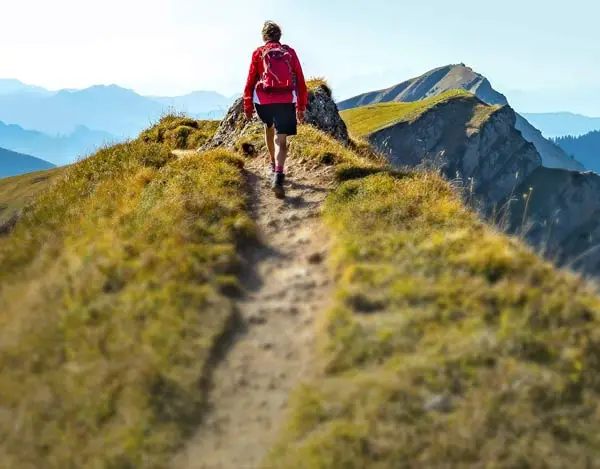
Activity Level: While we cover vast geographical and historical ground, most of our time is spent actively experiencing these remarkable sites rather than sitting on buses. Expect full days of exploration typical of our European itineraries. No strenuous hiking required, though you'll walk extensively during city tours and monastery visits. Cobblestones, uneven surfaces, slopes, and stairs are common throughout these ancient cities. Many sites involve hillside ascents to reach viewpoints and monastery complexes.
Porter service availability varies by location—you must be comfortable managing your luggage independently at hotels, airports, and border crossings. Altitudes remain moderate, with overnight elevations near or below 1000m/3,280 ft.
Am I suitable for this tour? Please refer to our self-assessment form - Activity Level: 2
These are particularly busy tours that feature a lot of moving around, sometimes by train and short journeys on local transport. Walking tours of towns and cities are leisurely but you should be prepared to be on your feet for several hours. Some of our cultural trips that occur at high altitude and/or require greater independence with baggage handling (at hotels, airports, train stations) also fall into this category.
To learn more about the Activity levels, please visit our tour styles page. - Accommodation:
Well-located, air-conditioned, mid-range hotels (3-4 star) throughout, selected for central locations and en suite facilities. Properties in Sofia, Istanbul, Tbilisi, and Yerevan occupy convenient urban settings.
Porter service varies by property. You should be comfortable handling your own luggage. Single rooms are available in limited numbers and tend to be smaller than twin-share accommodations. - Staff and Support:
Full-time Tour Leader plus local guide support at several locations. - Group Size:
Maximum 18 plus Tour Leader
- Day 1:Arrival in Sofia, BulgariaWelcome to Sofia, Bulgaria's capital, where Roman ruins surface beneath modern streets and Orthodox domes share skylines with Ottoman minarets. Founded as the Roman city of Serdica in the 1st century AD, Sofia sits in a bowl surrounded by mountains—the same geography that made it strategic to Thracians, Romans, Byzantines, and Ottomans in turn.
Depending on your arrival time, the evening may be free to explore nearby pedestrian zones where excavated Roman walls emerge at street level, or simply settle into your hotel and prepare for tomorrow's explorations. This evening we gather for our first meal together.
Overnight in Sofia. 
Included Meal(s): Dinner, if required - Day 2:Sofia City TouringSofia's motto proclaims "Sofia Grows but Never Ages," and this morning reveals why. We begin at the magnificent Alexander Nevsky Cathedral, completed in 1912 to honour Russian soldiers who died liberating Bulgaria from Ottoman rule. The cathedral's golden domes and Byzantine-revival interior hold one of Eastern Europe's finest icon collections, while the crypt contains medieval religious art spanning centuries of Bulgarian Orthodox tradition.
We continue to St. Sofia Church, the 6th-century building that gave the city its name. This austere red-brick basilica dates to Serdica's golden age under Byzantine rule and has survived as Sofia's oldest structure. Nearby, the St. George Rotunda—built in the 4th century—stands surrounded by modern buildings and Roman archaeological excavations. The rotunda's circular walls contain frescoes from multiple historical periods, visible layers where medieval Christian images overlay even older decorations.
The National Museum of History provides essential context for understanding Bulgaria's complex past. Exhibits trace the country from ancient Thracian gold treasures through medieval kingdoms to Ottoman occupation and modern independence. The Thracian galleries alone demonstrate a sophisticated Bronze Age civilization that rivaled ancient Greece in craftsmanship and cultural achievement.
The afternoon is free for independent exploration. Your Tour Leader can suggest the Central Market Hall for local atmosphere, walks through the city gardens, or cafes where Sofians gather to debate politics over strong coffee—traditions that survived both Ottoman and Soviet rule.
Overnight in Sofia. 
Included Meal(s): Breakfast and Dinner - Day 3:Sofia & Rila MonasteryThis morning we drive south into the Rila Mountains (two hours) to reach Rila Monastery, founded in the 10th century by Ivan of Rila, a hermit saint. Mountains rise on all sides, the same isolation that allowed the monastery to preserve Bulgarian Orthodox traditions through five centuries of Ottoman rule when Christianity faced systematic suppression. The current buildings date from the 1830s rebuilding after fires destroyed earlier structures, but the monastery's spiritual significance never wavered.
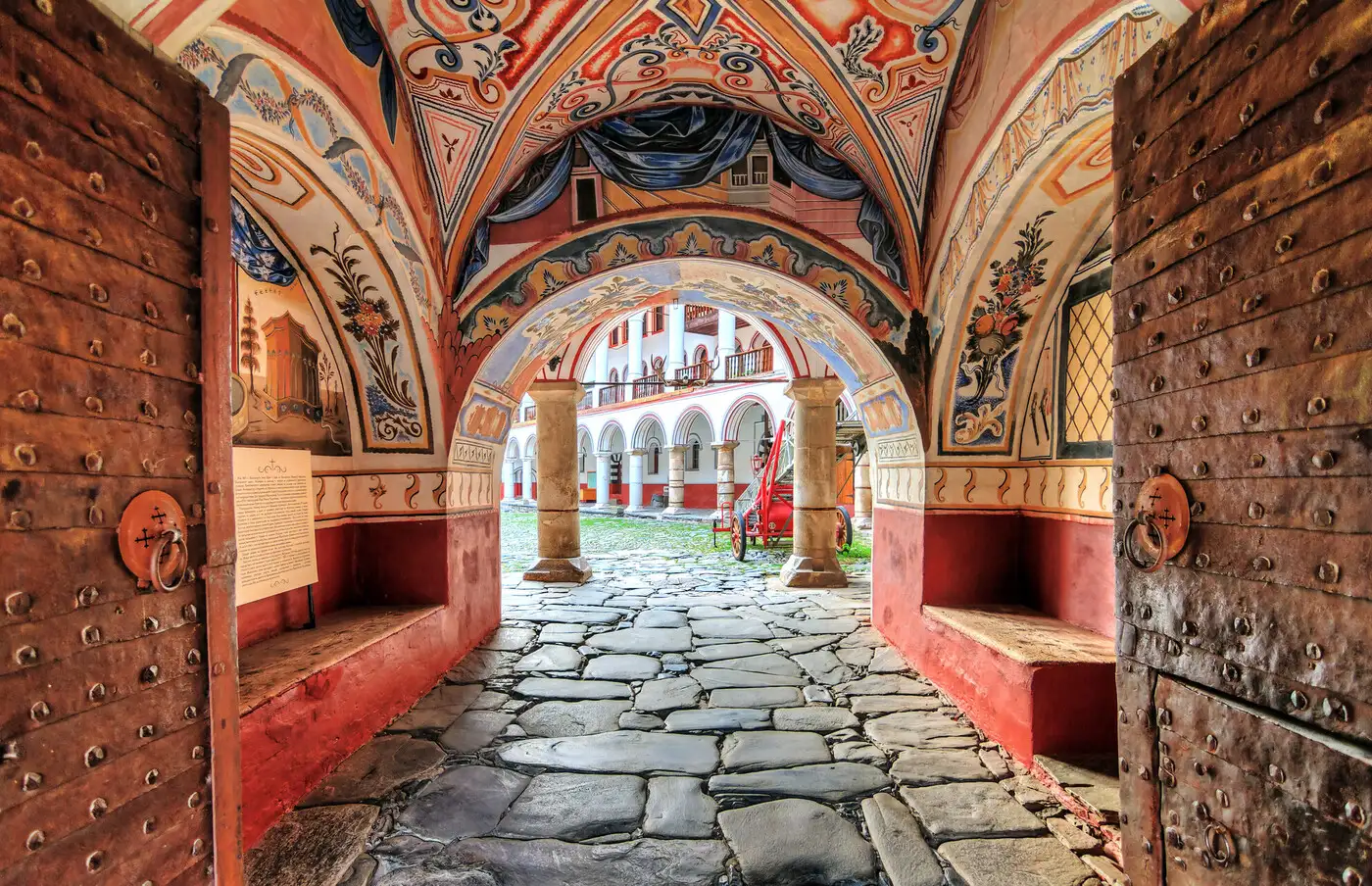
The church interior blazes with 19th-century frescoes covering every surface: biblical scenes, saints in gold halos, the Last Judgment rendered in vivid medieval detail, and even depictions of hell's punishments that seem designed to terrify the faithful into virtue. The monastery's black-and-white striped arcades create a distinctive visual signature, four levels of wooden galleries encircling the cobblestone courtyard where monks once copied manuscripts and trained priests when Bulgarian language and Orthodox rites were banned elsewhere.
The monastery museum displays treasures that survived centuries of upheaval: illuminated manuscripts, wood carvings, and Rafail's Cross—an intricate 17th-century crucifix carved with microscopic biblical scenes that reportedly took twelve years to complete and cost the monk his eyesight.
We return to Sofia by late afternoon.
Overnight in Sofia. 
Included Meal(s): Breakfast and Dinner - Day 4:Sofia - Plovdiv, Bulgaria - Fly to Istanbul, TurkeyThis morning we check-out of our hotel and drive to Plovdiv (two hours), one of Europe's oldest continuously inhabited cities where Thracians, Macedonians, Romans, Byzantines, and Ottomans left their marks across 8,000 years of settlement. The Roman amphitheatre, built in the 2nd century AD, still hosts summer performances, its marble seats overlooking modern Plovdiv sprawled in the valley below.
We walk the Old Town's cobbled lanes past Revival-era houses—brightly painted 19th-century merchants' homes with upper stories jutting over streets on wooden supports. These architectural gems reflect the prosperity of 19th-century Bulgarian traders who maintained their cultural identity while conducting business throughout the Ottoman Empire. Galleries and artisan workshops now occupy these restored buildings, continuing craft traditions that date back centuries.
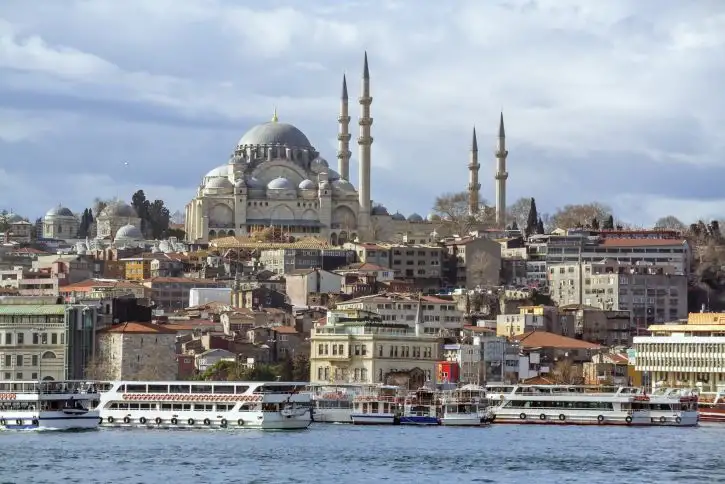
Late afternoon we transfer to the airport for our flight to Istanbul. The city appears at dusk as we descend: minarets punctuating the skyline, ferries crossing the Bosphorus, and the dome of Hagia Sophia visible even from the air. For over 1,600 years, Istanbul (formerly Byzantium, then Constantinople) served as capital to Roman, Byzantine, and Ottoman empires. Our four days here explore the city that bridges this journey geographically and thematically—the pivot point between the Orthodox Christianity we've traced from Bulgaria and the Caucasus churches we'll discover in Georgia and Armenia. Most visitors give Istanbul two or three days; we devote four to reveal layers beyond the standard tourist circuit.
Overnight in Istanbul - due to flight timing, we may include lunch instead of dinner today. 
Included Meal(s): Breakfast and Lunch - Day 5:Istanbul: Sultanahmet DistrictIstanbul stands at the geographical and spiritual centre of our journey, the city where Byzantine Christianity reached its architectural zenith before Ottoman conquest transformed it into Islam's greatest capital. To understand how Orthodox faith survived from Bulgaria to the Caucasus, we must first understand what was lost—and preserved—when Constantinople fell in 1453.
We begin in Sultanahmet, where Byzantine and Ottoman monuments face each other across a park that was once a Roman hippodrome. Hagia Sophia rises before us, Emperor Justinian's 6th-century masterpiece where engineering became prayer. The dome seems to float impossibly above the vast interior, suspended on shafts of light streaming through 40 windows—for 900 years, no Christian cathedral surpassed it. When the Ottomans conquered Constantinople in 1453, Sultan Mehmed II converted it to a mosque, adding minarets while leaving Byzantine mosaics largely intact. The building now preserves both Christian and Islamic elements, layers of faith visible on the same walls.
Across the park, the Blue Mosque (Sultan Ahmed Mosque) demonstrates Ottoman architectural confidence at its peak. Completed in 1616, the interior glows with 20,000 Iznik tiles in intricate floral patterns—blue, green, and white ceramics that earned the mosque its popular name. Six minarets pierce the sky, a bold statement that initially sparked controversy since only Mecca's mosque claimed more.
Our afternoon ends underground at the Basilica Cistern, a 6th-century water reservoir supported by 336 marble columns recycled from earlier Roman buildings. Two columns rest on Medusa head carvings positioned sideways and upside down—possibly to neutralize her mythical power, or simply because Byzantine engineers needed column bases and mythology mattered less than function.
The late afternoon is free for independent exploration.
NOTE: You may wonder why we choose not to include Topkapi Palace in our programme. While it's an important site with a long storied history, the nature of the facility and the rules pertaining to visitation—limits on groups and guiding to reduce crowding and noise—make it better-suited to a self-guided rather than group touring experience. Should you want to visit on your own, please consult your Tour Leader in advance.
Overnight in Istanbul. 
Included Meal(s): Breakfast and Dinner - Day 6:Istanbul: Bosphorus & BazaarsThis morning we cruise the Bosphorus, the 30-kilometre/19-mile strait dividing Europe from Asia. Waterfront yalıs—Ottoman wooden mansions painted in pastel yellows and pinks—line the shores alongside 19th-century palaces and fortresses that once extracted tolls from passing merchant ships. The Asian shore rises to our left, European to our right, as ferries and tankers navigate the narrow channel that has been fought over since Greek colonists founded Byzantium here in 657 BC.
Back on land, we enter the Spice Bazaar, built in 1664, where vendors arrange saffron, dried fruits, and Turkish delight in colourful pyramids. The air hangs heavy with cumin, sumac, and cardamom—the scents of trade routes that made Istanbul wealthy for centuries. We continue to the Grand Bazaar, one of the world's oldest covered markets, its 61 streets and 4,000 shops sheltered under vaulted Ottoman ceilings. Carpets, ceramics, brass lanterns, and jewellery fill every stall. Bargaining remains expected, a tradition dating to 1461 when Sultan Mehmed II established this market to generate customs revenue for his newly conquered capital.
Optional this evening: A Sema ceremony, the whirling dervish meditation developed by followers of the 13th-century poet Rumi. The dervishes' white robes flare as they spin in prayer, seeking spiritual union through movement—a mesmerizing ritual that has survived both Ottoman sultans and modern secular governments.
Overnight in Istanbul. 
Included Meal(s): Breakfast and Dinner - Day 7:Istanbul: Chora Church & NeighbourhoodsThis morning takes us to the city's western reaches near the Byzantine land walls to visit the Chora Church (Kariye Museum). The modest exterior conceals something remarkable: the finest Byzantine mosaics outside Ravenna, created in the 14th century when Constantinople experienced a final artistic flowering before Ottoman conquest. Golden scenes of Christ's life, the Virgin Mary's infancy, and the Last Judgment cover walls and domes in intricate detail, each face rendered with individual expression. These artworks survived because the Ottomans converted the church to a mosque and plastered over the images, inadvertently preserving them for five centuries.
We continue to the Fener and Balat neighbourhoods climbing the hillside above the Golden Horn. These historically Greek and Jewish quarters have been restored in recent years, their houses now painted in cheerful pinks, yellows, and turquoises—photogenic streets that were crumbling slums just two decades ago. We visit the Ecumenical Patriarchate of Constantinople, modest compound of the spiritual leader of Eastern Orthodox Christianity worldwide. The small church and offices belie the Patriarch's significance as symbolic head of 260 million Orthodox Christians, a position dating to the 4th century.
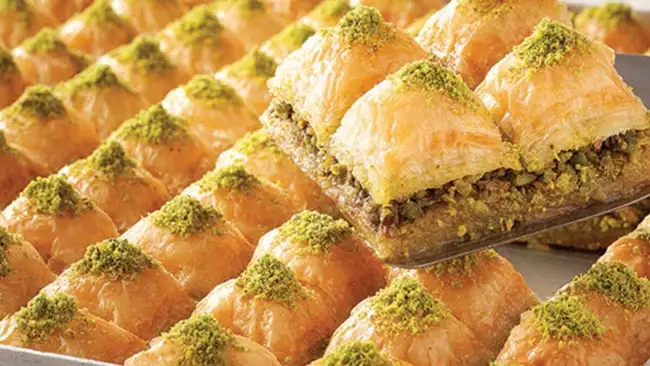
This afternoon we enjoy a Turkish cooking class where you learn to prepare meze (appetizers like stuffed grape leaves and eggplant dishes), practice rolling baklava with paper-thin phyllo dough, and discover spice combinations that define Ottoman palace cuisine. Classes typically run 3-4 hours and conclude with enjoying the meal you've prepared.
Overnight in Istanbul. 
Included Meal(s): Breakfast and Dinner - Day 8:Istanbul, Turkey - Fly to Tbilisi, GeorgiaThe morning offers final Istanbul explorations—perhaps last-minute shopping for Turkish carpets, ceramics, or those blue evil-eye talismans sold at every corner. Four days in Istanbul allows the depth this city demands: beyond the essential Sultanahmet monuments, we've explored Byzantine art at Chora, walked neighbourhoods where Greek and Jewish communities shaped the city's character, and cruised the Bosphorus that connects the Black Sea to the Mediterranean. Most tours rush through in two days; we've given Istanbul the time it deserves as the bridge between our Bulgarian beginning and our Caucasus destination.
We transfer to the airport for our afternoon flight to Tbilisi. Georgia occupies the southern Caucasus, wedged between the Black Sea and Caspian, with Russia looming to the north. This small nation of 3.7 million has endured invasion by Persians, Arabs, Mongols, Turks, and Russians, yet Georgian language, alphabet, and Orthodox faith survived every occupation. Georgians claim to have invented wine; archaeologists have found 8,000-year-old qvevri clay vessels here, suggesting viticulture developed in these valleys thousands of years before it appeared anywhere else.
The capital sits in a valley where the Mtkvari River carved a route through the Caucasus; its name derives from "tbili," meaning warm, for the sulfur springs bubbling up throughout the old town—springs that have drawn settlers since the 4th century.
Overnight in Tbilisi. 
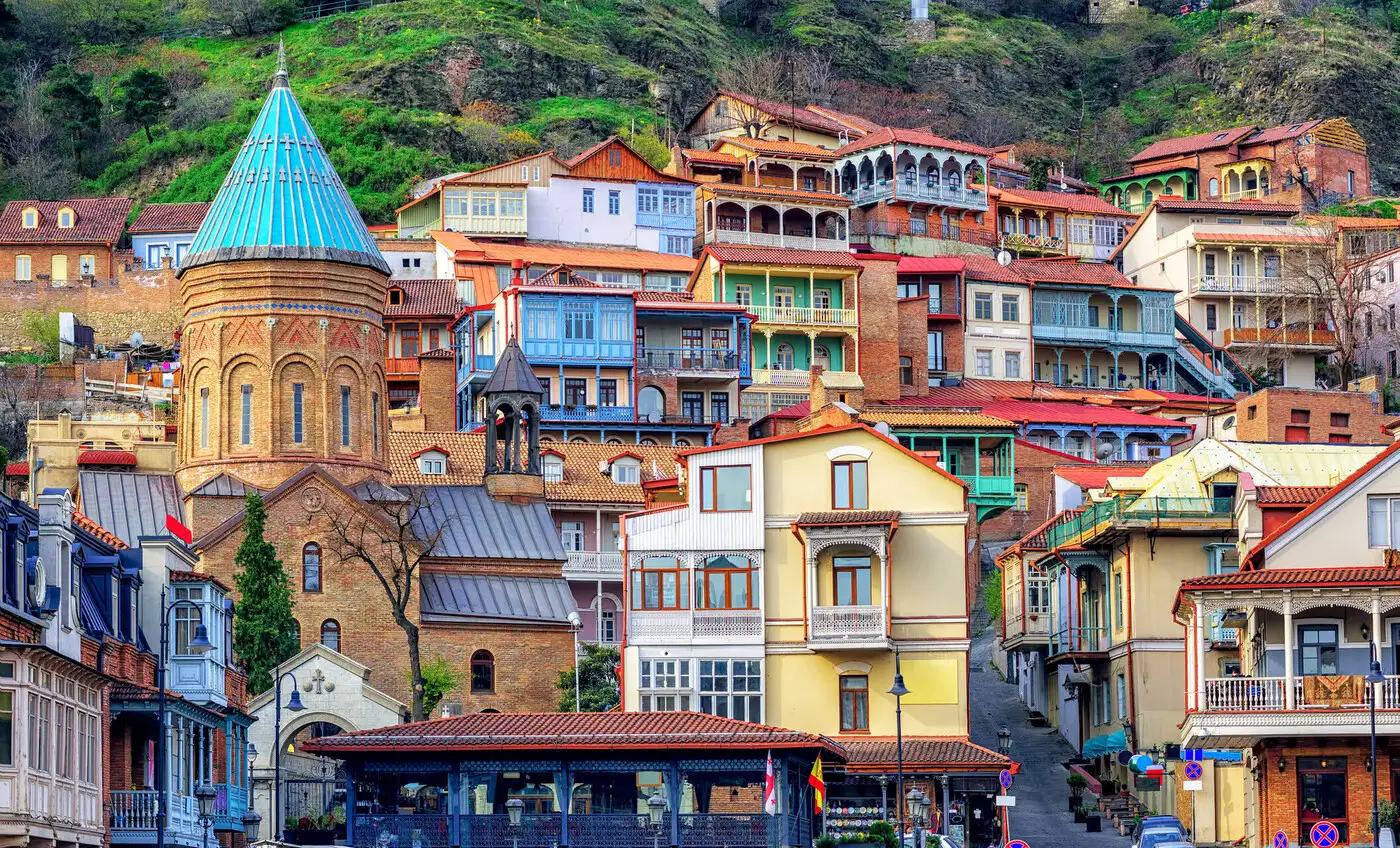
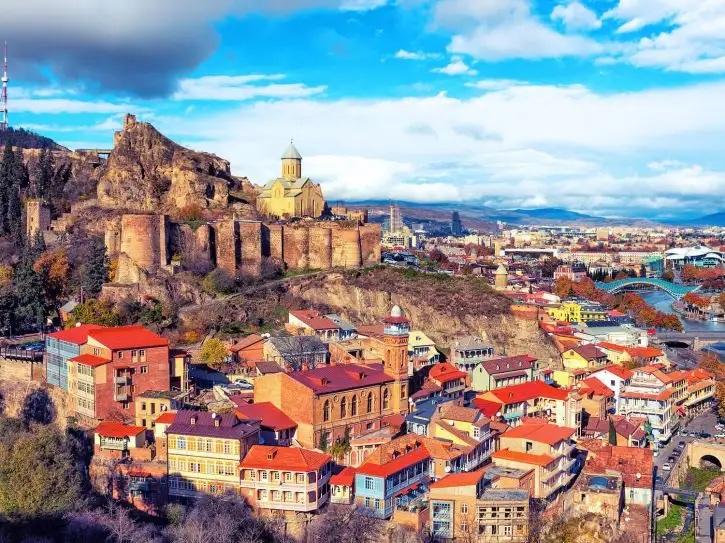
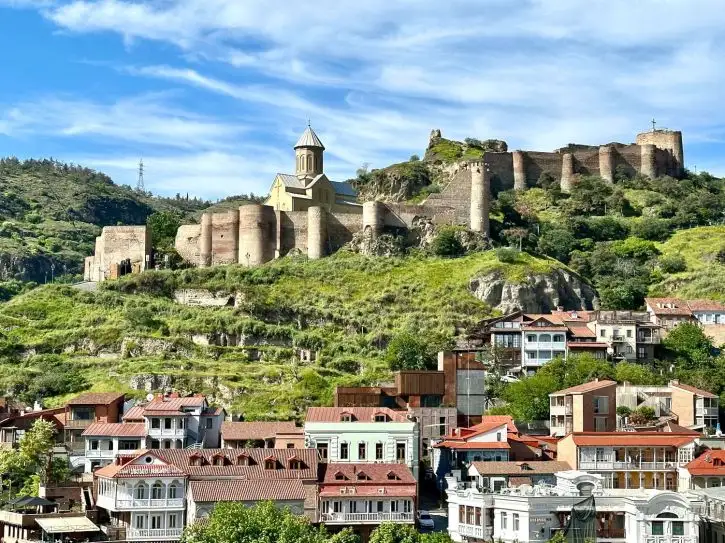
Included Meal(s): Breakfast and Dinner - Day 9:Tbilisi City TouringTbilisi's old town climbs steep hillsides in a tangle of lanes, wooden balconies, and domed sulfur bathhouses. We begin with a cable car ride to Narikala Fortress, a 4th-century Persian stronghold expanded by everyone who subsequently conquered the city—Arabs, Mongols, Georgians, Russians. From the ramparts, Tbilisi spreads below: the Mtkvari River curving through the valley, Soviet-era apartment blocks on one bank, medieval churches on the other, and the ultramodern Bridge of Peace—a glass and steel pedestrian span lit like a spaceship at night—connecting old and new.
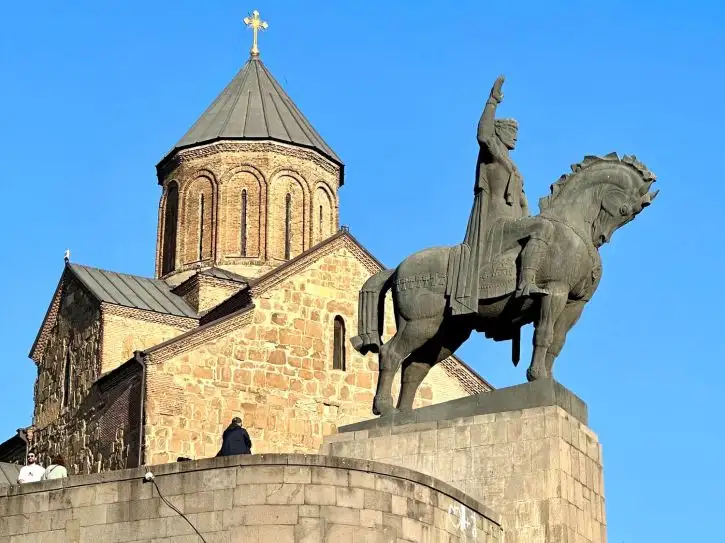
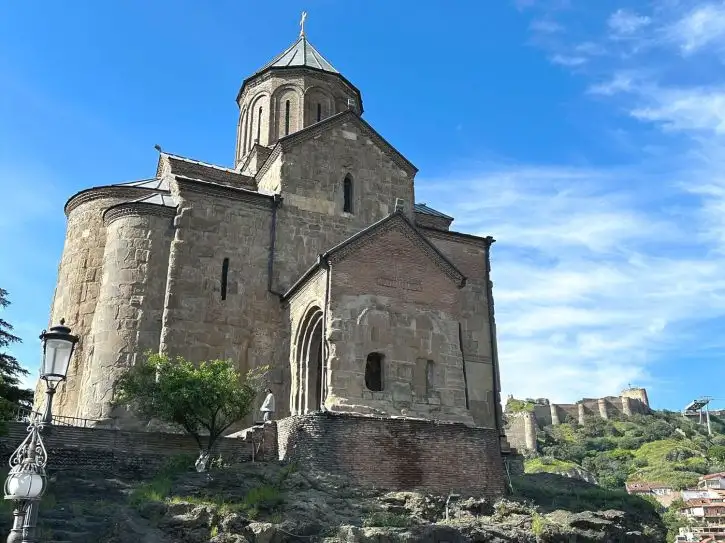
We descend to the Abanotubani district where sulfur bathhouses have operated since at least the 17th century. The baths' distinctive domed roofs peek above street level—the bathing chambers are built underground to capture naturally heated water that has made Tbilisi a spa destination for over 1,500 years. We visit Metekhi Church perched on a cliff above the river, then walk lanes lined with houses sporting elaborately carved wooden balconies that jut over narrow cobbled streets.
This afternoon we visit the Georgian National Museum, where exhibits trace the country's complex history from Bronze Age gold work through medieval manuscripts to Soviet occupation and the 2008 war with Russia. The Treasury holds pre-Christian gold and silver pieces, intricate cloisonné enamel work, and jeweled chalices from Orthodox monasteries that managed to preserve their treasures through centuries of invasion.
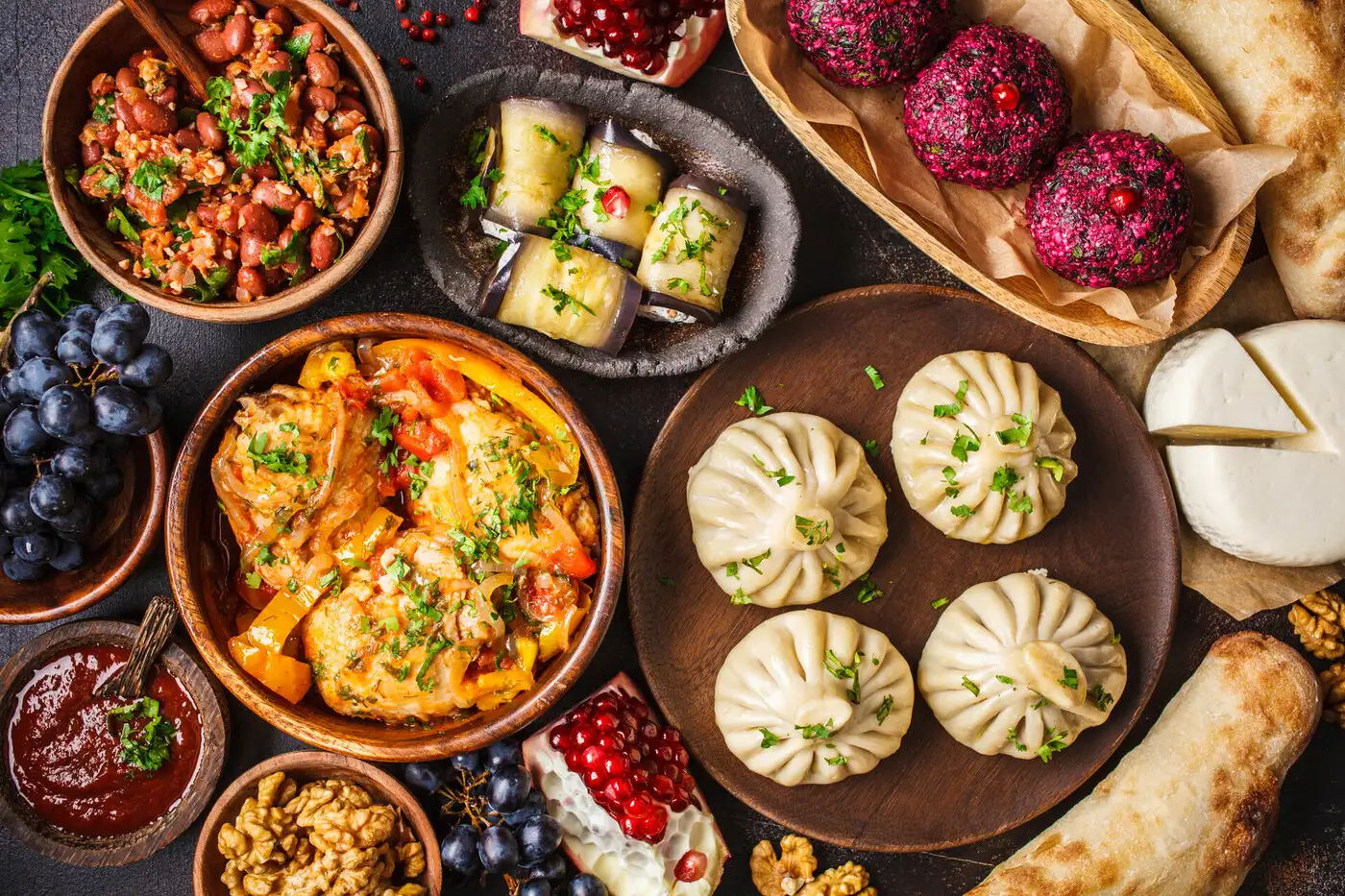
This evening brings a traditional supra feast, the Georgian banquet governed by elaborate toasting protocols. A tamada (toastmaster) proposes toasts to family, ancestors, guests, and peace—each followed by emptying one's glass of wine fermented in those ancient qvevri vessels. Polyphonic singing accompanies the meal, a UNESCO-recognized Georgian tradition with three-part harmonies that predate written music. Dishes include khachapuri (cheese-filled bread), khinkali (soup dumplings), and pork mtsvadi, demonstrating why Georgian cuisine has become trendy in food-obsessed cities worldwide.
Overnight in Tbilisi. 
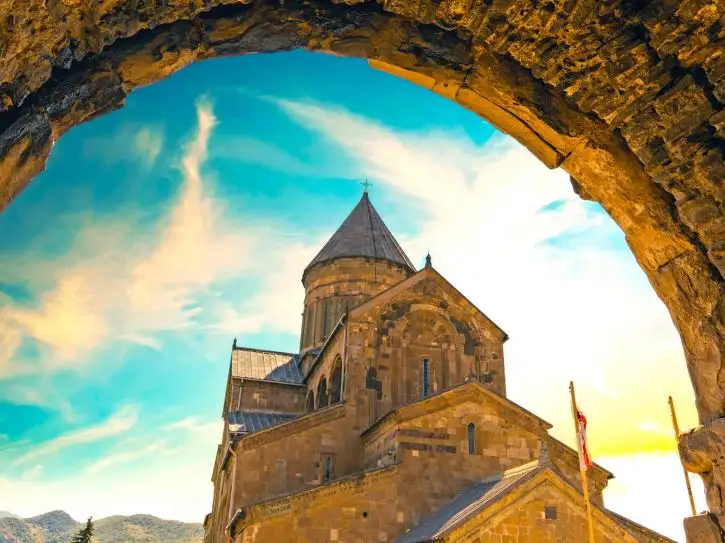
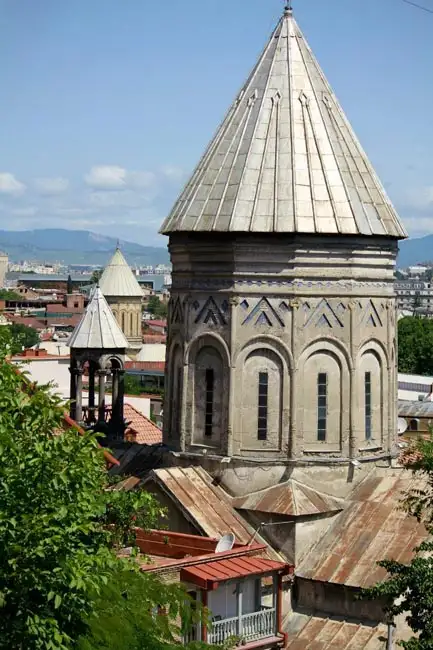
Included Meal(s): Breakfast and Dinner - Day 10:Tbilisi: Mtskheta & Kakheti Wine RegionWe drive north (30 minutes) to Mtskheta, Georgia's ancient capital and spiritual heart. Jvari Monastery, built in the 6th century, sits on a hilltop where legend says Saint Nino erected a wooden cross in 327 AD, marking Georgia's conversion to Christianity. The church's austere stone exterior and cross-in-square design became the template for Georgian ecclesiastical architecture for the next millennium.
Below, Svetitskhoveli Cathedral rises in the town centre, built in the 11th century over the purported burial site of Christ's robe. The cathedral served as coronation and burial church for Georgian kings; frescoes inside depict these rulers, their faces worn by centuries but their golden crowns still visible. Both sites hold UNESCO World Heritage status.
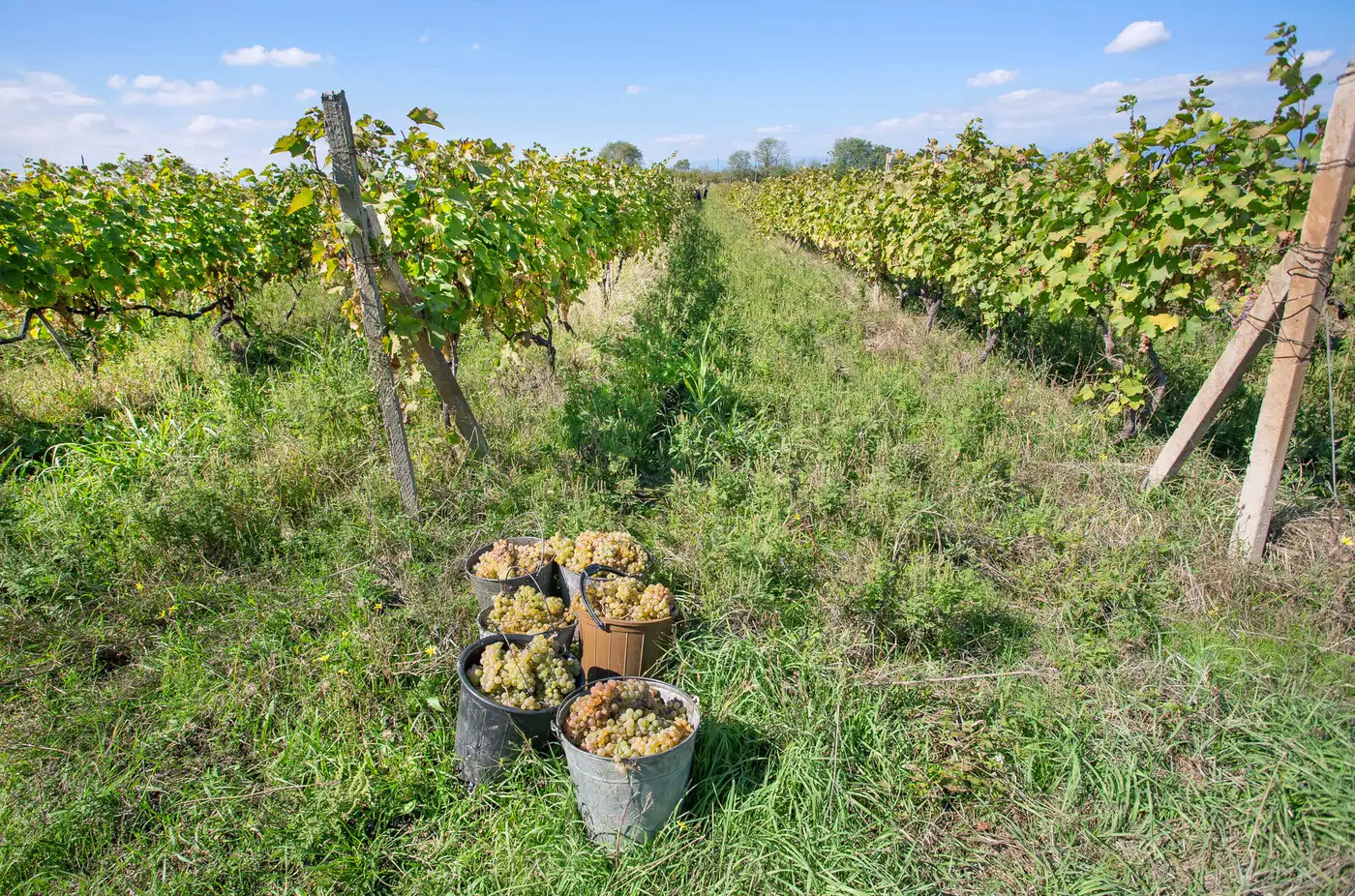
We continue east into Kakheti, Georgia's premier wine region. Rolling hills covered in grapevines stretch toward the Caucasus Mountains, their peaks snow-capped even in summer. At a family-run winery, we learn about qvevri winemaking: grapes, stems, and skins ferment together in large clay vessels buried underground, a process unchanged for 8,000 years. We taste amber wines (white grapes fermented with skins, producing an orange hue and tannic structure) and robust reds made from Saperavi grapes. UNESCO recognized qvevri winemaking as Intangible Cultural Heritage in 2013, cementing Georgia's claim as viticulture's birthplace.
Lunch features local specialties, possibly including a family home visit to witness bread-making in a traditional tone oven. The afternoon includes a walk through vineyards with views across the Alazani Valley toward the Caucasus range. Return to Tbilisi.
Overnight in Tbilisi. 
Included Meal(s): Breakfast and Lunch - Day 11:Tbilisi, Georgia - Haghpat, Armenia - YerevanThis morning we depart Tbilisi for Armenia, a five-hour journey that follows ancient trade routes connecting the Caucasus kingdoms. Our route takes us through Kakheti's wine country one final time before reaching the Georgian-Armenian border at Sadakhlo/Bagratashen. Border formalities can take time, but crossing from one ancient Christian nation to another—both fiercely protective of their Orthodox identities—carries symbolic weight.
Once in Armenia, we stop at Haghpat Monastery, a UNESCO World Heritage Site perched on a forested plateau overlooking the Debed River gorge. Founded in 976 AD during Armenia's golden age, the monastery complex demonstrates medieval Armenian architecture at its finest: the main church with its conical dome, the scriptorium where monks copied manuscripts, and khachkars (carved stone crosses) that are uniquely Armenian contributions to Christian art. The setting, surrounded by mountains, explains why Armenian monasteries often chose remote locations—refuge from successive Persian, Arab, and Mongol invasions that swept through lowland valleys.
We continue south toward Yerevan, the landscape shifting from Georgia's lush greenery to Armenia's drier volcanic terrain. Mount Aragats, Armenia's highest peak at 4090 metres/13,419 feet, rises to the west as we approach the capital. We arrive in Yerevan by late afternoon.
Overnight in Yerevan. 
Included Meal(s): Breakfast and Dinner - Day 12:Yerevan: Garni Temple & Geghard MonasteryThis morning we drive east into dramatic gorge landscape carved by the Azat River. Garni Temple rises from basalt cliffs like classical Greece transplanted to Caucasian highlands—Armenia's only surviving pagan temple, dedicated to the sun god Mihr. Built in the 1st century AD, this Hellenistic marvel served Armenian kings as a summer residence until Christianity's triumph relegated pagan gods to memory. The 1679 earthquake reduced Garni to rubble, but 1970s reconstruction restored its elegant Ionic columns, creating Armenia's most photographed ancient monument.
Below the temple, hexagonal basalt columns line the gorge walls—the "Symphony of Stones," natural formations created when ancient lava flows cooled into geometric patterns resembling a massive organ frozen in volcanic rock.
At Geghard Monastery, 4th-century Christian faith carved its devotion directly into mountain stone. This "Monastery of the Spear" once housed the lance that pierced Christ's side, creating Armenia's most sacred pilgrimage site. The main chapel, built in 1215, demonstrates medieval Armenian architecture at its finest, while chambers hewn from living rock amplify Gregorian chants into ethereal harmonies. UNESCO recognized the monastery in 2000 for its unique integration of architecture and natural landscape.
We visit a brandy factory for tastings that reveal why Armenian cognac earned legendary status, then enjoy lunch at a private home where traditional Armenian hospitality creates lasting memories.
Due to the size of our lunch today, we do not include dinner.
Overnight in Yerevan. 
Included Meal(s): Breakfast and Lunch - Day 13:Yerevan City Tour & EtchmiadzinYerevan spreads around us like an open history book written in pink tuff stone, its rosy hue earning the capital nickname "Pink City." Founded in 782 BC—29 years before Rome—this ancient settlement has witnessed Urartian kings, Persian satraps, Arab caliphs, and Soviet commissars, each leaving architectural signatures.
At the Matenadaran manuscript repository, we discover ancient Armenian texts that preserved classical Greek philosophy, Persian poetry, and medieval science when European libraries burned. These illuminated manuscripts, including works by Aristotle and Plato surviving only in Armenian translation, represent humanity's intellectual heritage rescued by scribes who understood knowledge's fragility.
Republic Square showcases Soviet-era grandeur interpreted through Armenian architectural tradition, its pink tuff buildings and arched facades echoing earlier spiritual monuments. The State History Museum chronicles Armenian civilization from prehistoric times through modern independence. We continue to the Cascade, a massive limestone stairway ascending the hillside, its landings decorated with contemporary sculpture. From the top, views extend over Yerevan's terracotta rooftops to Mount Ararat 40 kilometres/25 miles distant across the Turkish border—snow-covered year-round, achingly visible yet unreachable.
This afternoon we visit Etchmiadzin Cathedral, seat of the Armenian Apostolic Church's Catholicos since 303 AD. Built when Armenia became the world's first officially Christian nation, the cathedral has served as the spiritual centre of Armenian Christianity for 1,700 years—an anchor that held Armenian faith together through Persian, Arab, Mongol, and Ottoman occupations.
The late afternoon offers independent exploration of Yerevan's galleries, cafes, and markets.
Overnight in Yerevan. 
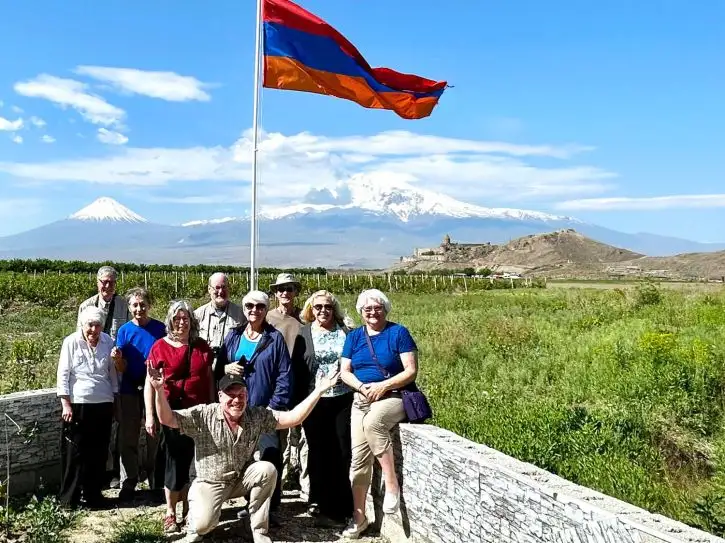
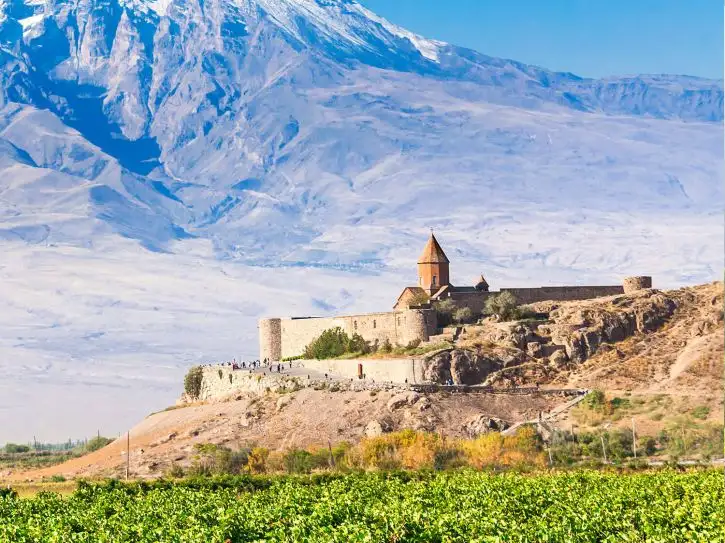
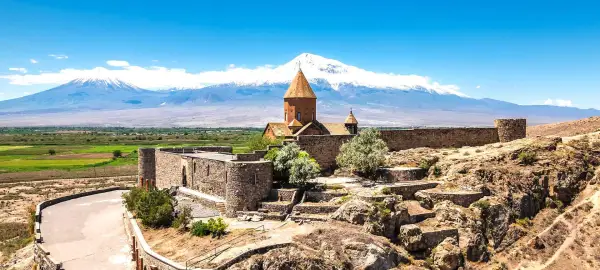
Included Meal(s): Breakfast and Dinner - Day 14:Khor Virap & Genocide MemorialKhor Virap Monastery rises from Ararat Valley like a spiritual beacon beneath biblical Mount Ararat, where Noah's Ark found refuge after the flood. This 4th-17th century complex marks the birthplace of Armenian Christianity, built over the dungeon where King Trdat imprisoned Saint Gregory the Illuminator for 13 years before converting to Christianity in 301 AD and transforming his kingdom forever.
The monastery's dramatic setting against Ararat's snow-capped peak (weather permitting) creates one of Armenia's most iconic views, where sacred history and biblical geography merge. From these walls, we understand how landscape shaped spiritual destiny—Armenian Christianity flourishing in mountain valleys that provided refuge from invasions sweeping through lowland corridors.
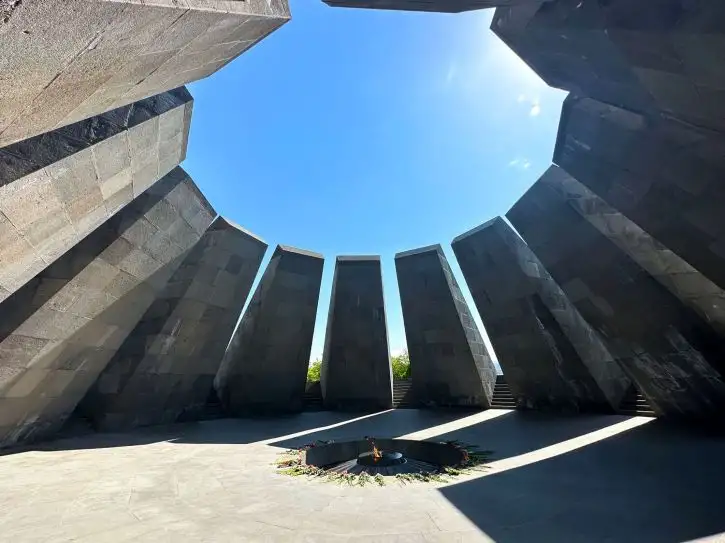
We return to Yerevan and visit Tsitsernakaberd, the Armenian Genocide Memorial and Museum. The memorial commemorates the 1915 genocide, when Ottoman authorities systematically killed an estimated 1.5 million Armenians. The museum presents documentation, photographs, and survivor testimonies with dignity and restraint. The outdoor memorial features an eternal flame surrounded by twelve basalt slabs leaning inward, representing the twelve lost provinces of Western Armenia. This sombre site provides essential context for understanding modern Armenian identity and the global diaspora that scattered Armenians worldwide.
This evening we gather for a farewell dinner at a traditional Armenian restaurant, celebrating the resilient culture that survived millennia of challenges while maintaining its unique identity, language, and traditions.
Overnight in Yerevan. 
Included Meal(s): Breakfast and Dinner - Day 15:Departure from YerevanOur journey ends after breakfast. Depending on your flight schedule, you may have time for final explorations or last-minute shopping—Armenian brandy, apricot products, and handcrafted carpets make enduring souvenirs.
We've traced Byzantine heritage from Bulgaria's mountain monasteries through Istanbul's layered empires to the Caucasus churches that preserved Christianity through centuries of conquest—a testament to how faith, culture, and stone outlast the empires that tried to erase them.
Bon Voyage! Lav ch'anaparh! 
Included Meal(s): Breakfast
Countries Visited: Armenia, Bulgaria, Georgia and Turkey
*The red tour trail on the map does not represent the actual travel path.
Book This Tour
- Final payment: Due 90 days prior to departure.
- Deposit: A non-refundable $500 USD Deposit is required at booking.
- Internal Flight Taxes: An extra $212 USD applies for taxes and fees on tour flights. The internal airfares are included, but taxes are listed separately as they may change. Exceptions are noted in Red.
- Optional Single Supplement: $1300 USD (number of singles limited).
(View options forsingle travellers) - Transfering Tour or Date: Transferring to another tour or tour date is only permissible outside of 120 days prior to departure and is subject to a $100 USD change fee.
(Read our cancellation policy)
Prices below are per person, twin-sharing costs in US Dollars (USD). Pricing does not include airfare to/from the tour and any applicable taxes.
Tourcode: CC1
Frequently Asked Questions
- What is the maximum number of participants on a trip?Most of our tours carry a maximum of 18 participants; some tours (ie hiking tours) top out at 16. In the event that we do not achieve our minimum complement by our 90-day deadline, we may offer group members the option of paying a "small-group surcharge" as an alternative to cancellation. If all group members agree, we will confirm the trip at existing numbers; this surcharge is refundable in the event that we ultimately achieve our regular minimum. If the small group surcharge is not accepted, we will offer a refund of your deposit or a different trip of your choice.
- Can I extend my tour either at the beginning or end? What about stopovers?Yes, you can extend your tour either at the beginning or the end and we can book accommodation in our tour hotel. Stopovers are often permitted, depending on air routing. Stopovers usually carry a "stopover" fee levied by the airline.
- How do I make a reservation? How and when do I pay?The easiest way to make a reservation is via our website; during office hours, you are also more than welcome to contact us by telephone.
A non-refundable deposit is payable at the time of booking; if a reservation is made within 90 days, full payment is required. Some trips require a larger deposit. If international airline bookings require a non-refundable payment in order to secure space or the lowest available fare, we will require an increase in deposit equal to the cost of the ticket(s).
Early enrolment is always encouraged as group size is limited and some trips require greater preparation time.
Once we have received your deposit, we will confirm your space and send you a confirmation package containing your trip itinerary, any visa/travel permit related documents, invoice, clothing and equipment recommendations, general information on your destination(s), and forms for you to complete, sign and return to us. Your air e-tickets (if applicable), final hotel list, final trip itinerary, and instructions on how to join your tour, will be sent approximately 2-3 weeks prior to departure. - What about cancellations, refunds, and transfers?Please review our cancellation policy page for details.
- I am a single who prefers my own room. What is a single supplement?All of our tours have a single supplement for those who want to be guaranteed their own room at each location.
This supplement is a reflection of the fact that most hotels around the world do not discount the regular twin-share rate for a room by 50% for only one person occupying a room. Most hotels will give a break on the price, but usually in the range of 25-30% of the twin-share rate. This difference, multiplied by each night, amounts to the single supplement.
The conventional amount can also vary from country to country and some destinations are more expensive than others for single occupancy. In order to be "single friendly," the supplements we apply are not a profit centre for us and we do our best to keep them as reasonable as possible.
On most tours we limit the number of singles available, not to be punitive, but rather because many hotels allow for only a limited number of singles; some smaller hotels at remote locations also have a limited number of single rooms available.
Please note that most single rooms around the world are smaller than twin-share rooms and will likely have only one bed. - Do you have a shared accommodation program?Yes! If you are single traveller and are willing to share, we will do our best to pair you with a same-gender roommate. Please note that should we fail to pair you, we will absorb the single supplement fee and you will default to a single room at no extra charge.