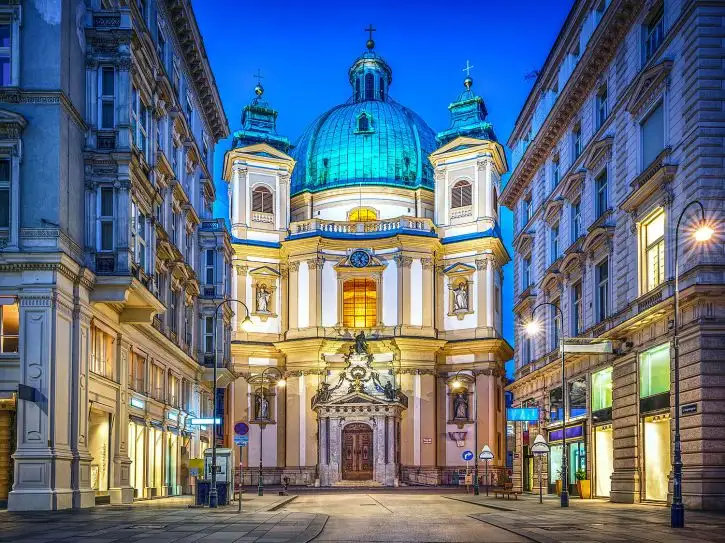
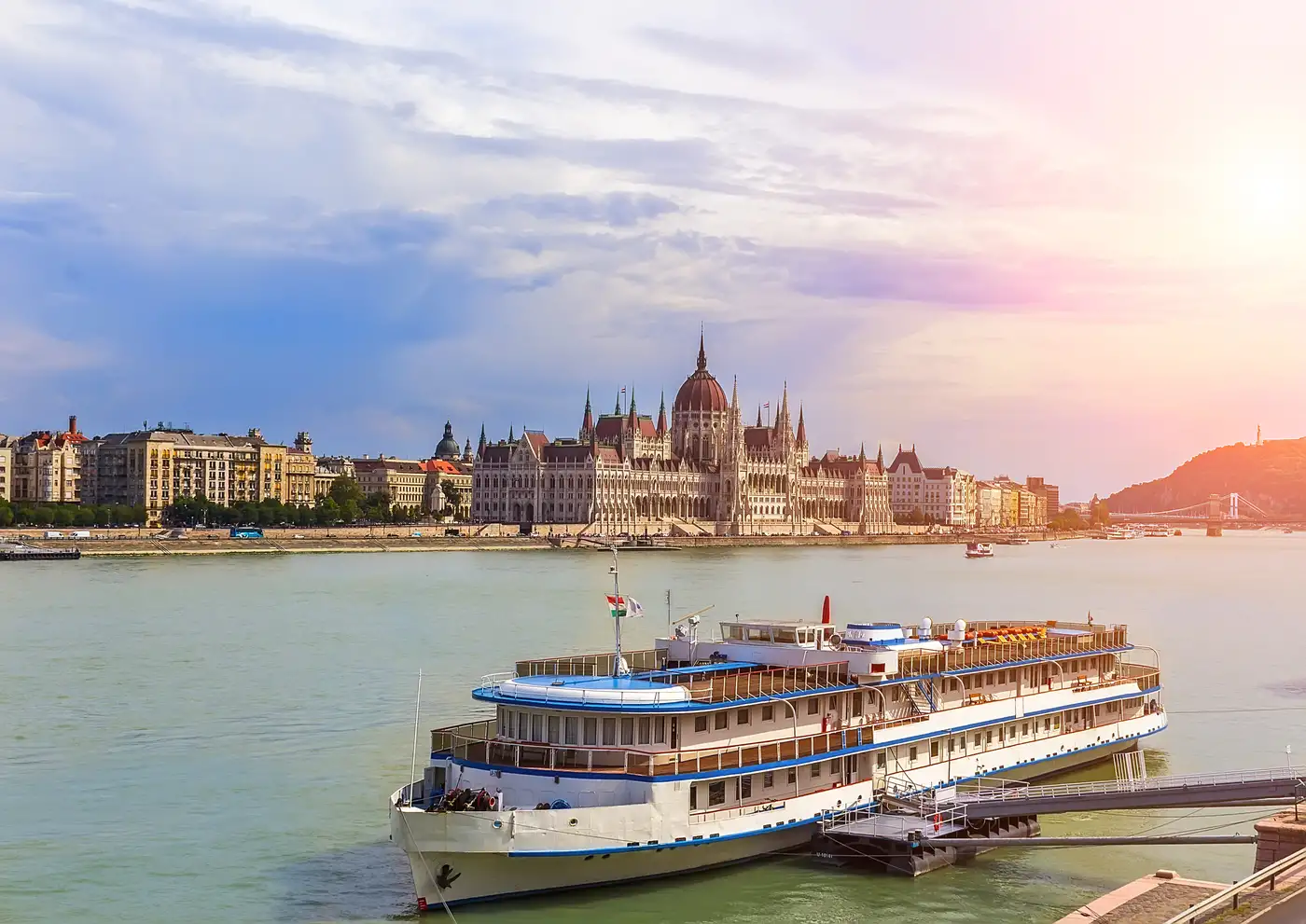
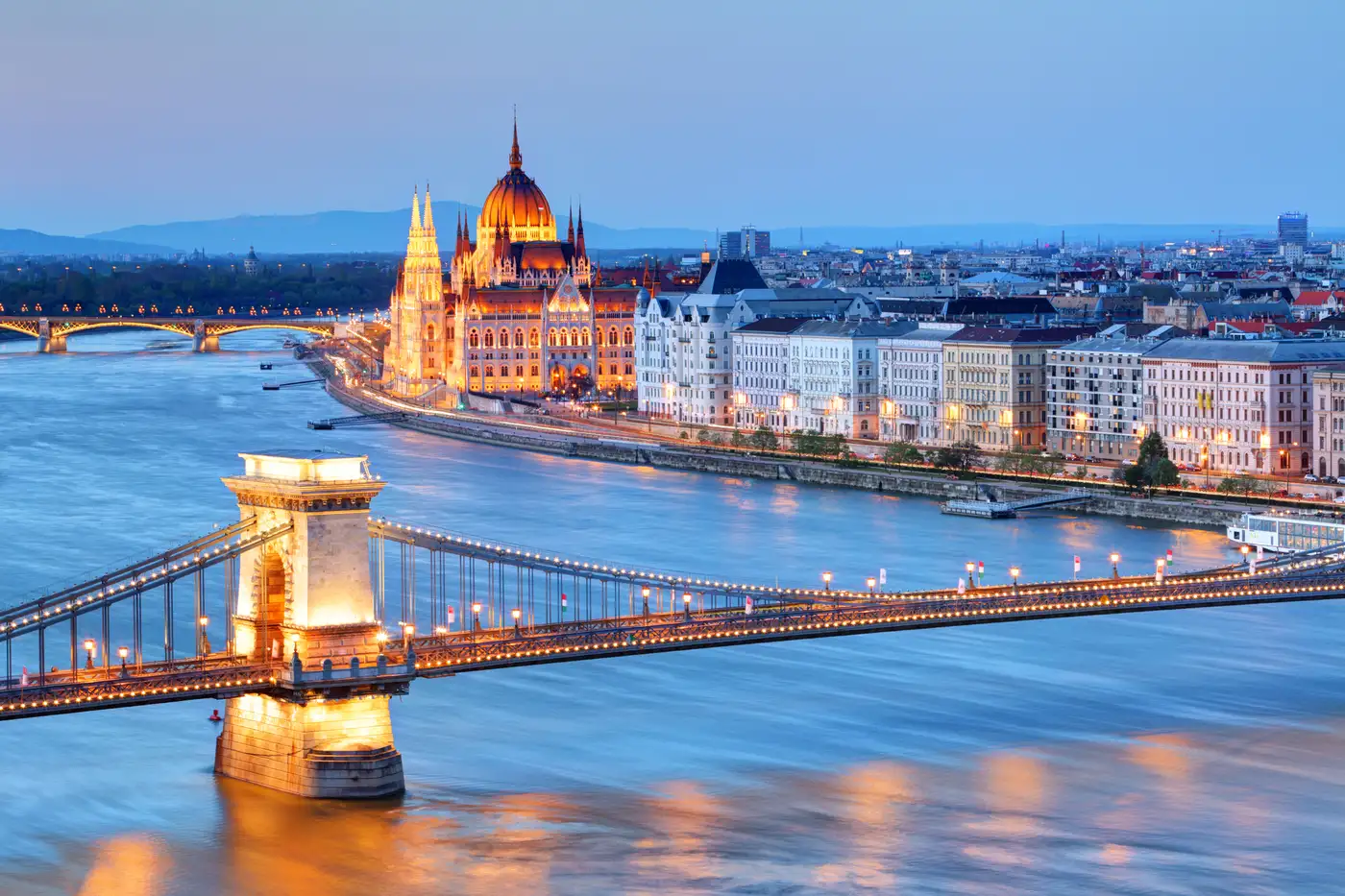
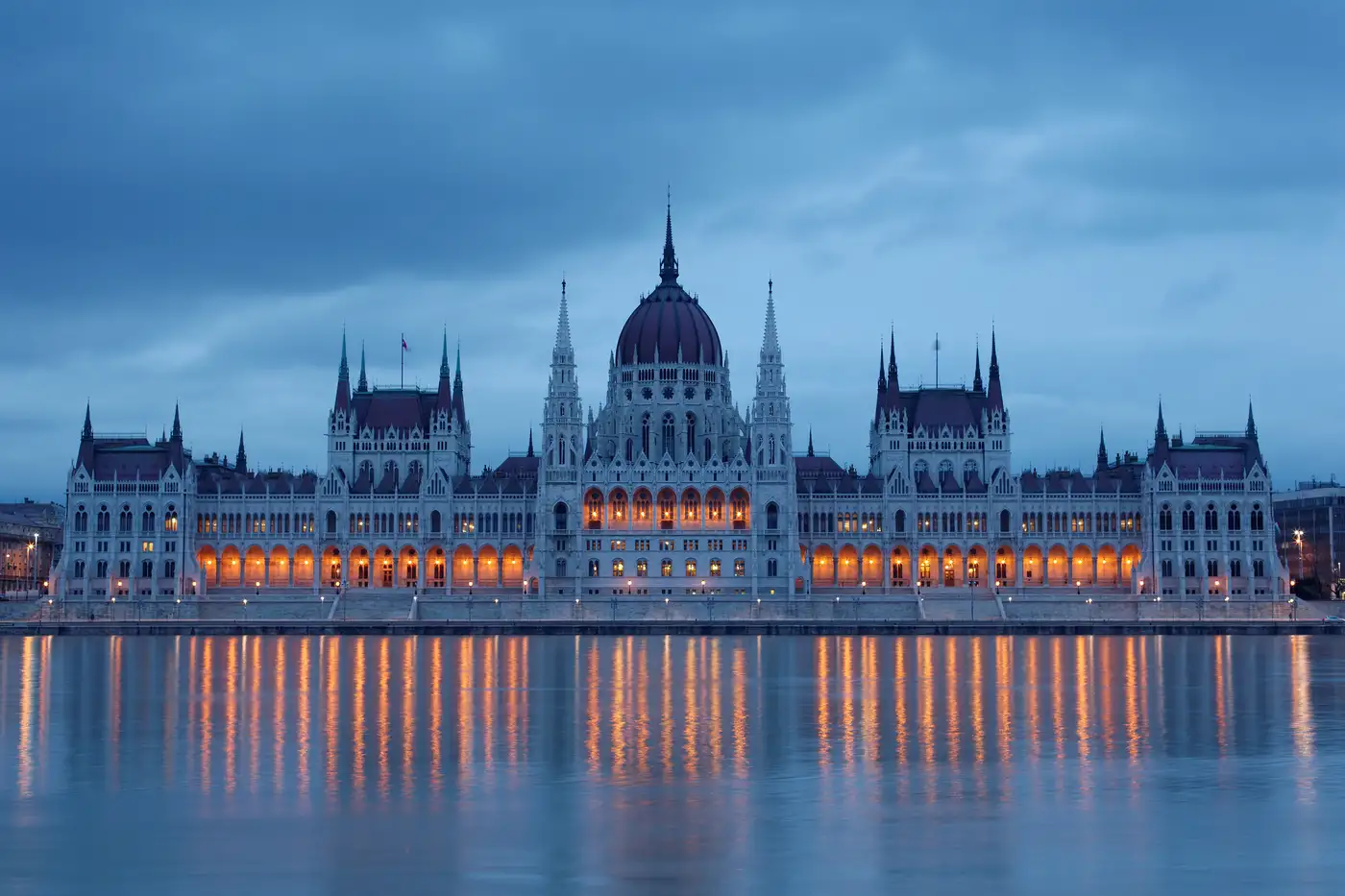
This morning we make a revealing detour before Prague. Hluboká nad Vltavou Castle, perched above the Vltava River, looks like England's Windsor rather than southern Bohemia - and that's precisely the point.
In the 19th century, the Schwarzenberg family transformed this medieval fortress into a neo-Gothic fantasy, deliberately modeling it on British royal residences. The same family built palaces in Vienna, maintained estates across Bohemia, and helped govern from the Hofburg - exemplifying how Habsburg elite moved fluidly across the empire's territories.
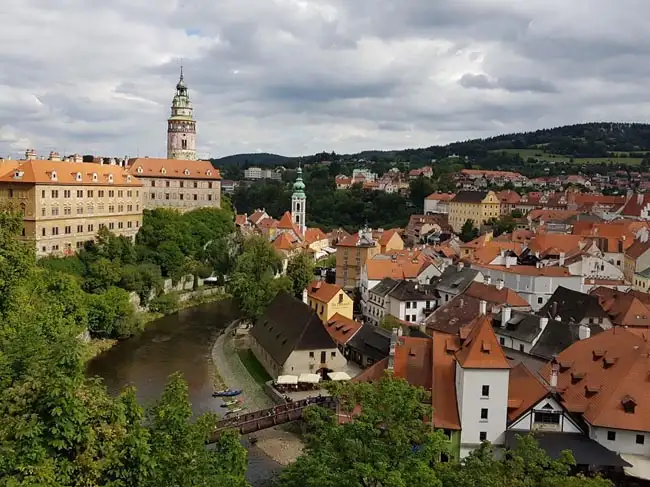
The castle's position above the Vltava is also significant. This river, flowing through Český Krumlov's center, continues north to Prague and beyond. While not part of the Danube system, it served the same function - connecting cities, enabling commerce, shaping settlement.
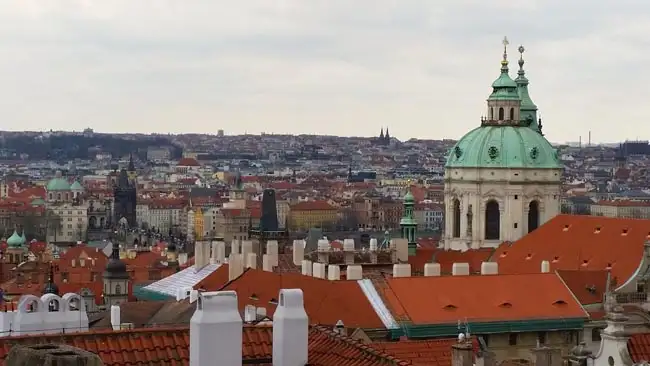
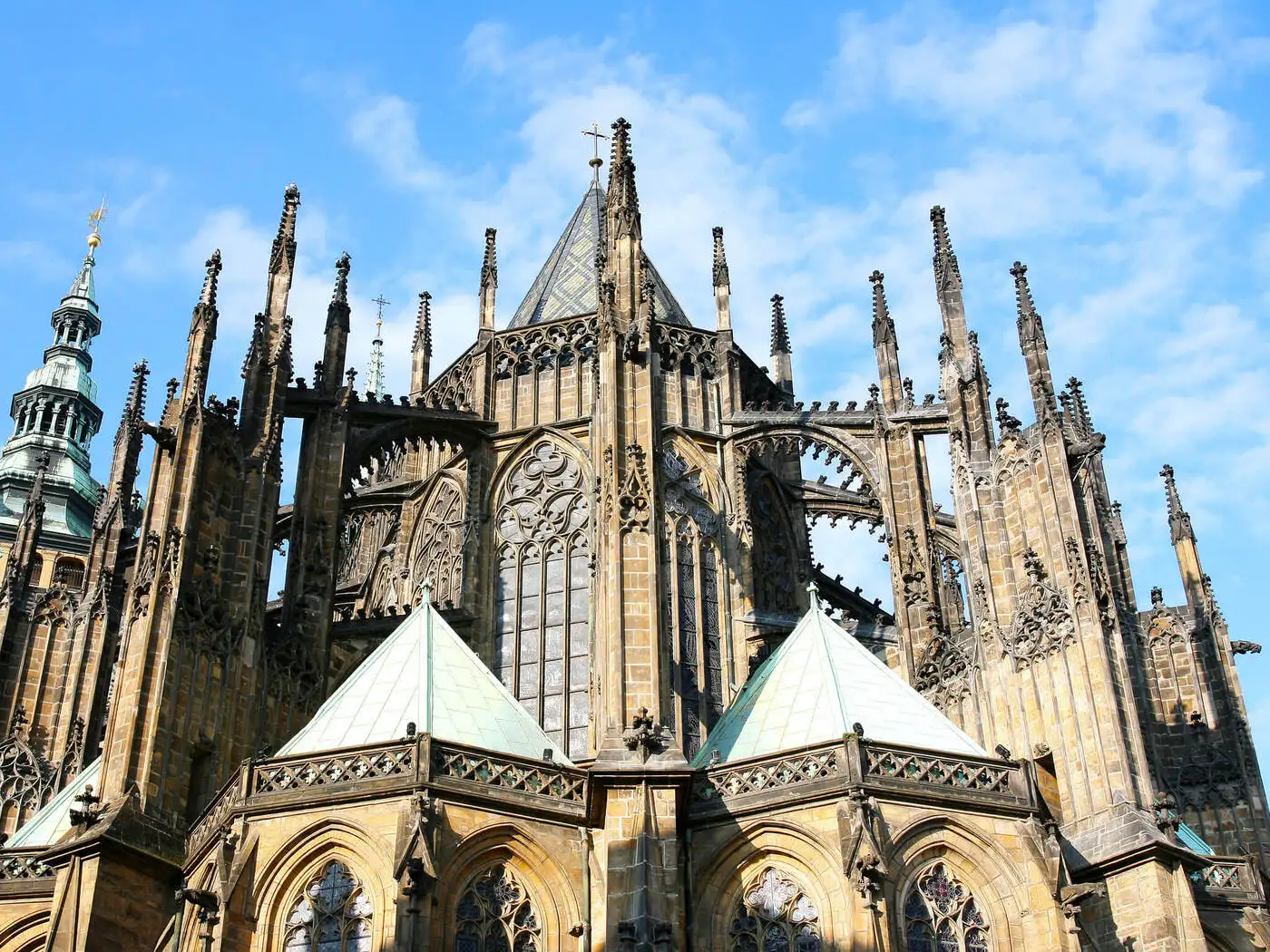
We continue to Prague, where all our threads converge. The architectural evolution from Gothic to Art Nouveau that we traced through Budapest, Bratislava, and Vienna reaches concentrated expression here. The Jewish heritage finds one of its most important centers in Prague's Jewish Quarter. The Habsburg administrative apparatus maintained a crucial seat in Prague Castle.
But Prague also represents something different - it was the intellectual and artistic conscience of the empire, producing Kafka's modernist nightmares, Dvořák's nationalist symphonies, Mucha's Art Nouveau visions. While Vienna administered and Budapest celebrated, Prague questioned and created.
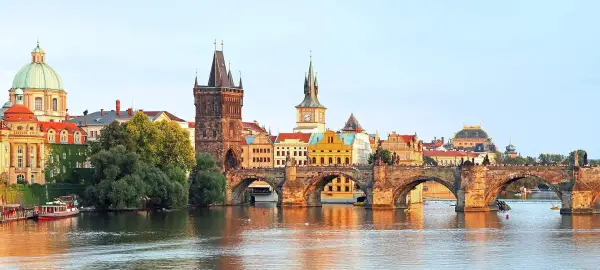
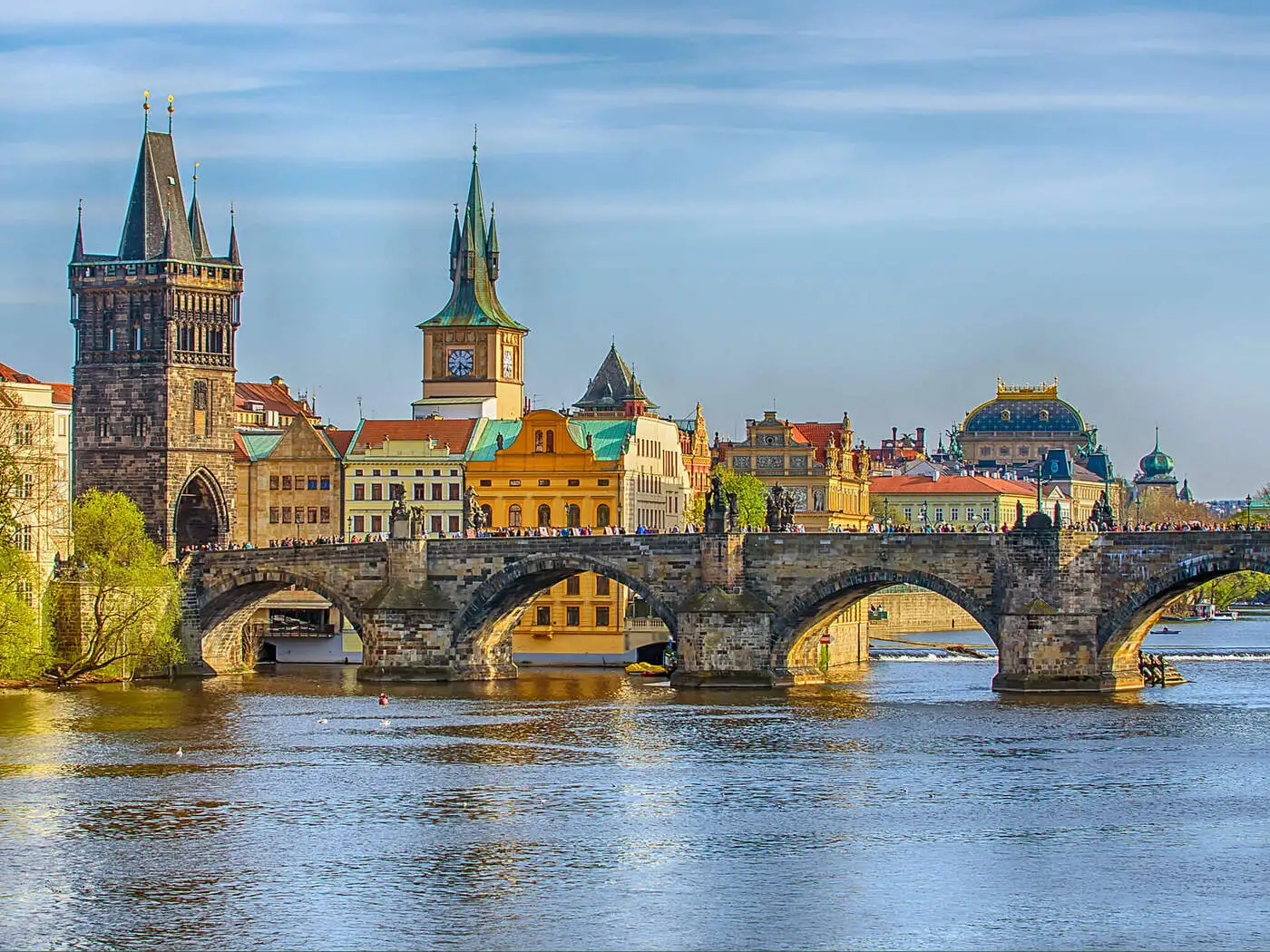
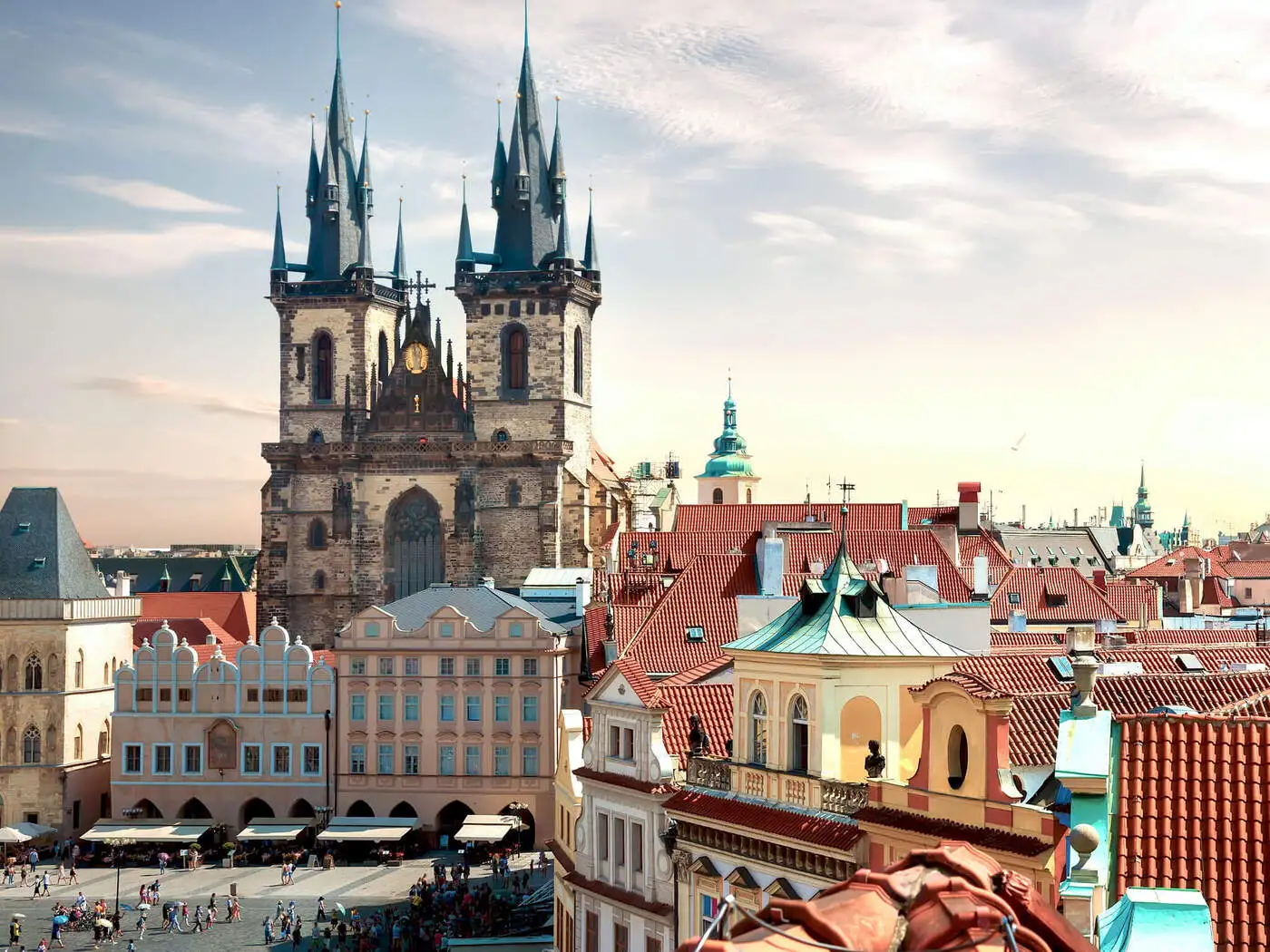
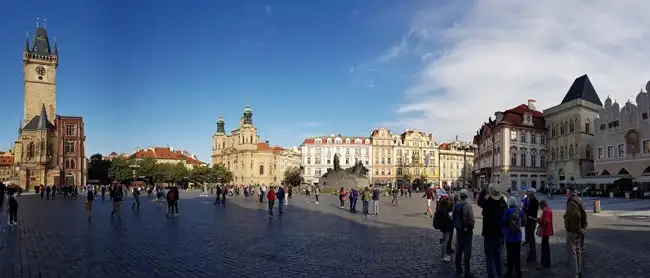
This afternoon we'll explore the Old Town with its Astronomical Clock, Charles Bridge crossing the Vltava, and Wenceslas Square - where the 1848 revolutions, 1918 independence, 1968 Soviet invasion, and 1989 Velvet Revolution all played out.
Overnight in Prague.
Included Meal(s): Breakfast and Dinner